
Summer UV
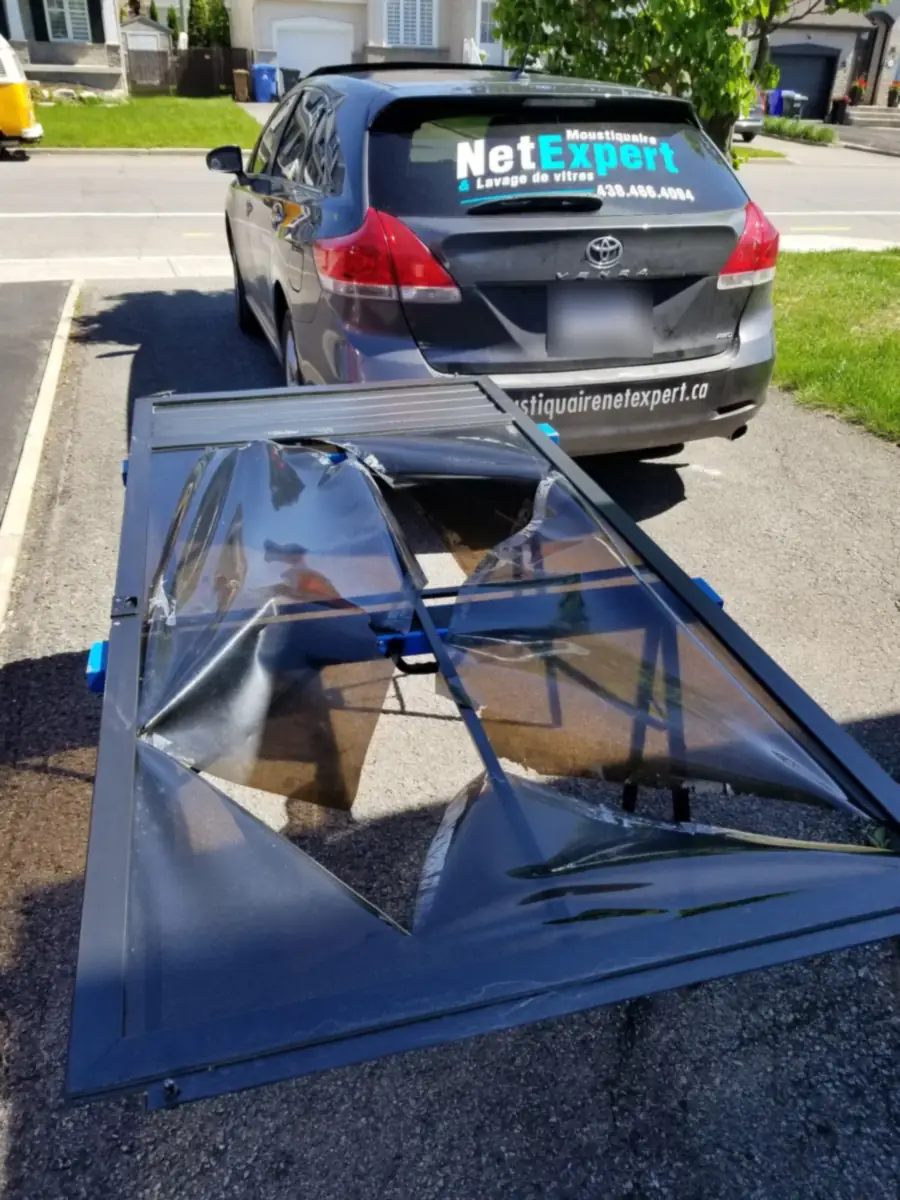
Sun yellows and clouds the vinyl. Film that crackles to the touch is at end of life.
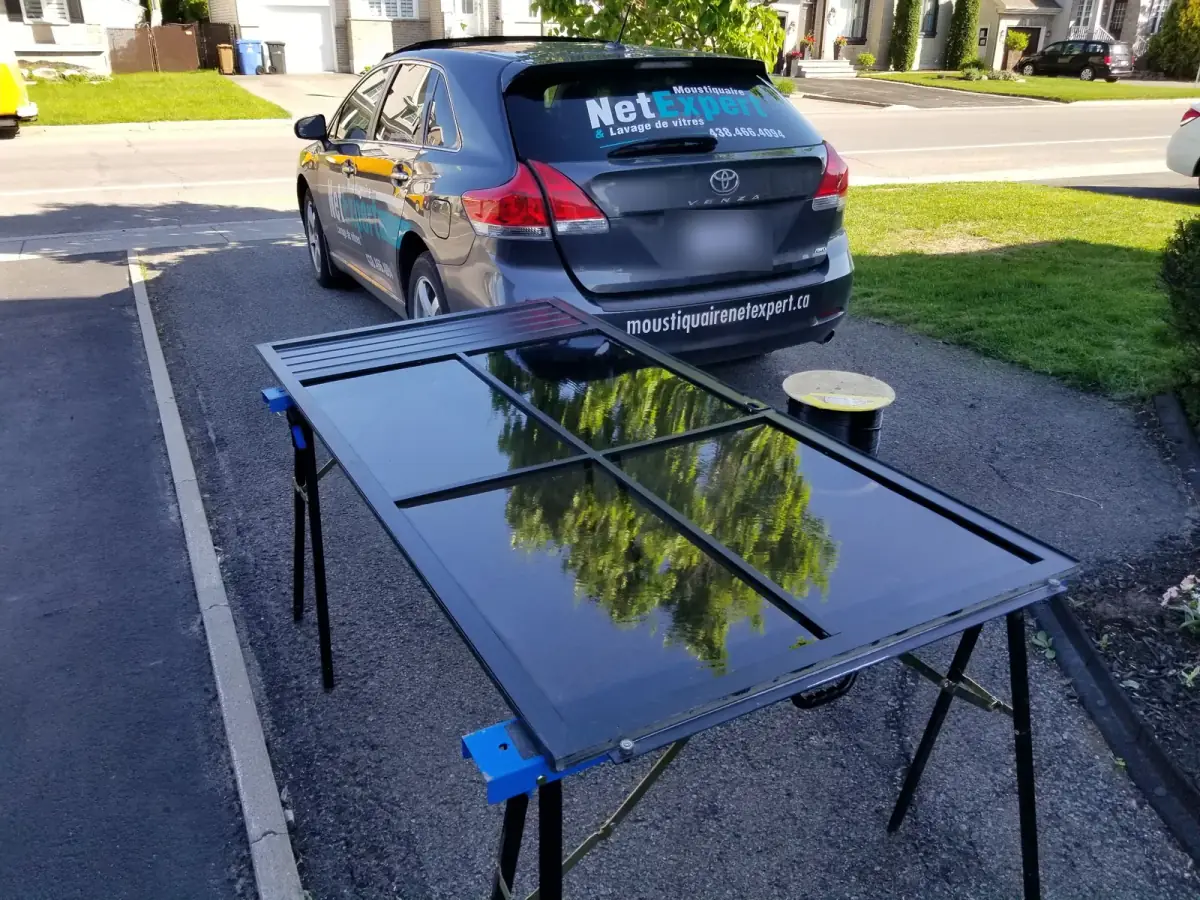
Gazebo and sun shelter specialty
Clear vinyl yellowed or torn? Replaced at your home in Mirabel, in the original frames — gazebos and sun shelters.
Three questions are enough to start. The official measurement is taken on site.
Whatever your retailer calls it — MICA film, clear vinyl, clear plastic, sun-shelter transparent fabric — it is the same material, and we replace it in Mirabel in your existing panels.
Sun yellows and clouds the vinyl. Film that crackles to the touch is at end of life.
Below freezing, MICA turns brittle — one handling or one gust splits it outright.
Slack vinyl flaps like a sail and eventually tears at the seams.
Mirabel covers so much ground that a gazebo doesn’t mean the same thing from one part of the territory to the next. Along the rangs and around the farms, it’s often a permanent structure: a timber frame built to measure at the end of a porch or beside a garden, with one-of-a-kind panels nobody bought in a box. Those shelters sit in the middle of open fields, with no neighbouring house to break the wind, and they take gusts a city backyard gazebo never sees. In the old village cores of Saint-Benoît and Sainte-Scholastique, the house is old and the gazebo isn’t: it’s usually a wood structure added out back, fitted to a lot that is anything but rectangular.
Saint-Janvier and Saint-Canut tell a different story. New-home neighbourhoods are going up fast there, and behind almost every house stands a retail gazebo: aluminum or steel frame, hard or fabric roof, panels in standard sizes. Yards in these neighbourhoods are smaller than along the rangs, but they are young — the hedges haven’t gained height yet, the trees are still saplings — and wind moves through them almost as freely as across a field. A gazebo set up there keeps its original panels a few seasons, long enough for the clear vinyl to lose its suppleness and for the fibreglass screening to start sagging under the repeated pounding.
On a timber structure along a rang, every panel is unique: its screen was stretched in a frame made for that opening alone, and its film, if there is one, was cut on site. When the mesh tears at a corner or the spline works loose, the panel is rescreened in its own frame, from exact measurements, because no catalogue size will match. On a retail gazebo in Saint-Janvier, the formats are known, but the original film is thin and it’s the first thing to go: yellowed in full sun, split by an autumn gust, or cracked at the fold when it gets rolled up in spring. Each section is cut from its own measurement: Saint-Janvier retail formats look alike, but a frame assembled out of a box one Saturday in May is never quite square. On both families, the gazebo’s structure is never touched — only what comes apart gets rebuilt.
What gets settled before the visit in Mirabel is the kind of shelter: a timber frame along a rang has no two panels alike and needs a full survey, while a Saint-Janvier retail gazebo works from known formats. Knowing which one is standing there shapes the whole visit. Along the rangs, access is easy — the ground is open and the mobile workshop parks right beside the shelter — but measurements have to be taken on site, panel by panel. In the new neighbourhoods, the gazebo is sometimes squeezed between the fence and the house, and the back panels only come free once the furniture has been moved; a bit of space cleared ahead of time makes for a shorter visit.
Wind is Mirabel’s defining factor. At the edge of a field or in a new neighbourhood without hedges, clear vinyl flaps, stretches and splits, and aluminum mesh holds a screen’s tension better than fibreglass. The sun on an open lot yellows film faster than shade does. The fields of a farming territory bring mosquitoes and black flies from spring onward, and a tight-weave panel makes the difference on June evenings. As for the film, it goes on before the first frosts and spring decides whether it stays: on an exposed rang shelter, taking it down extends its life.
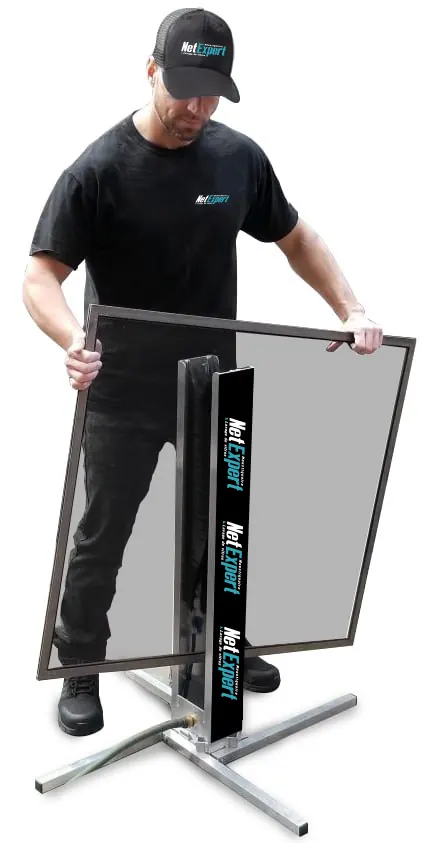
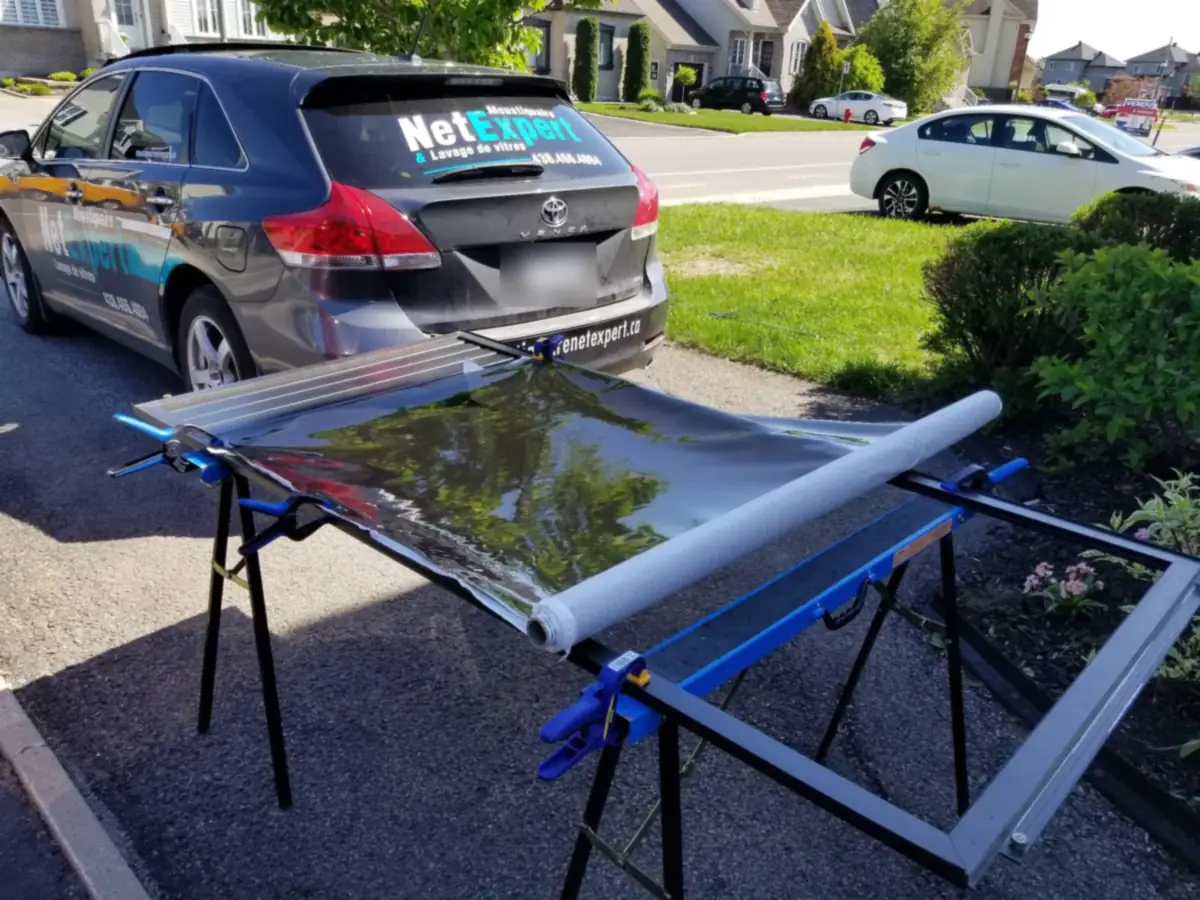
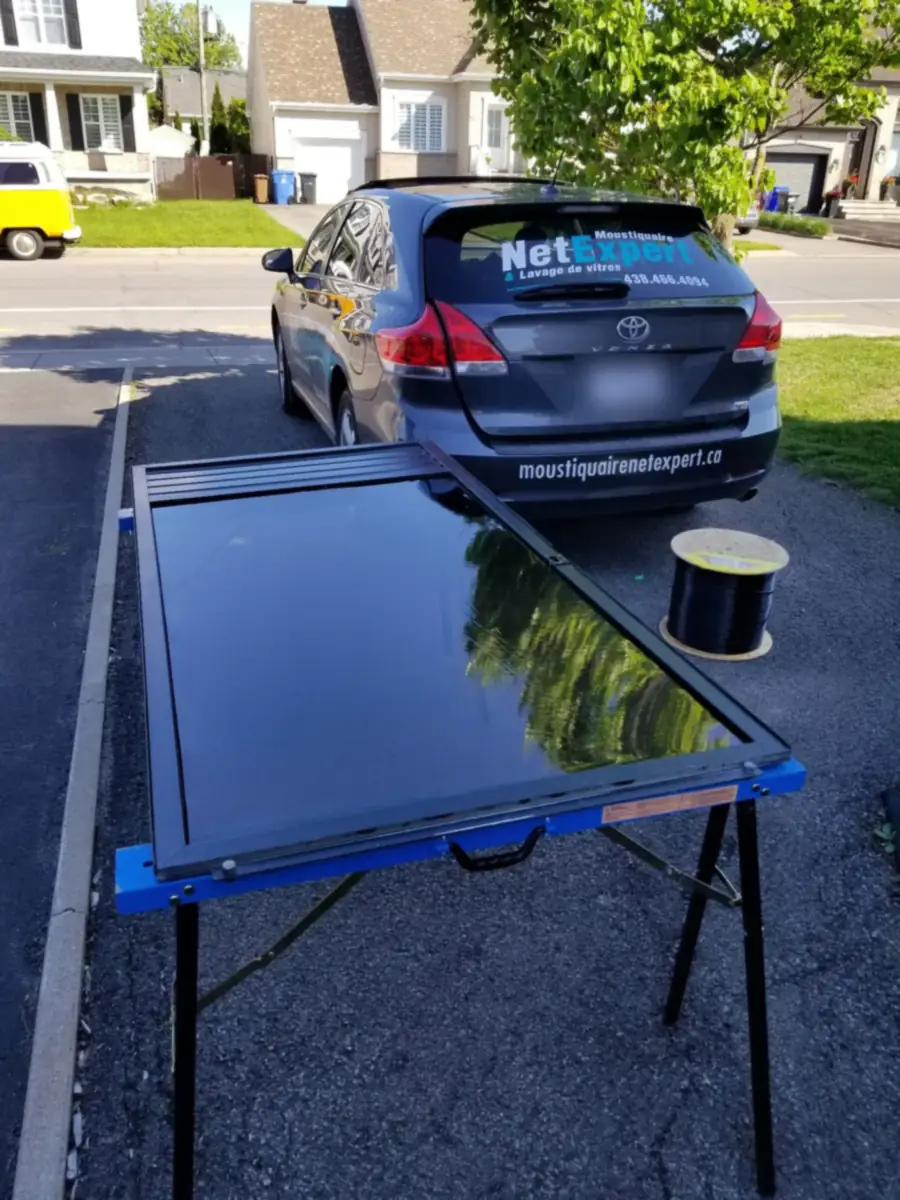
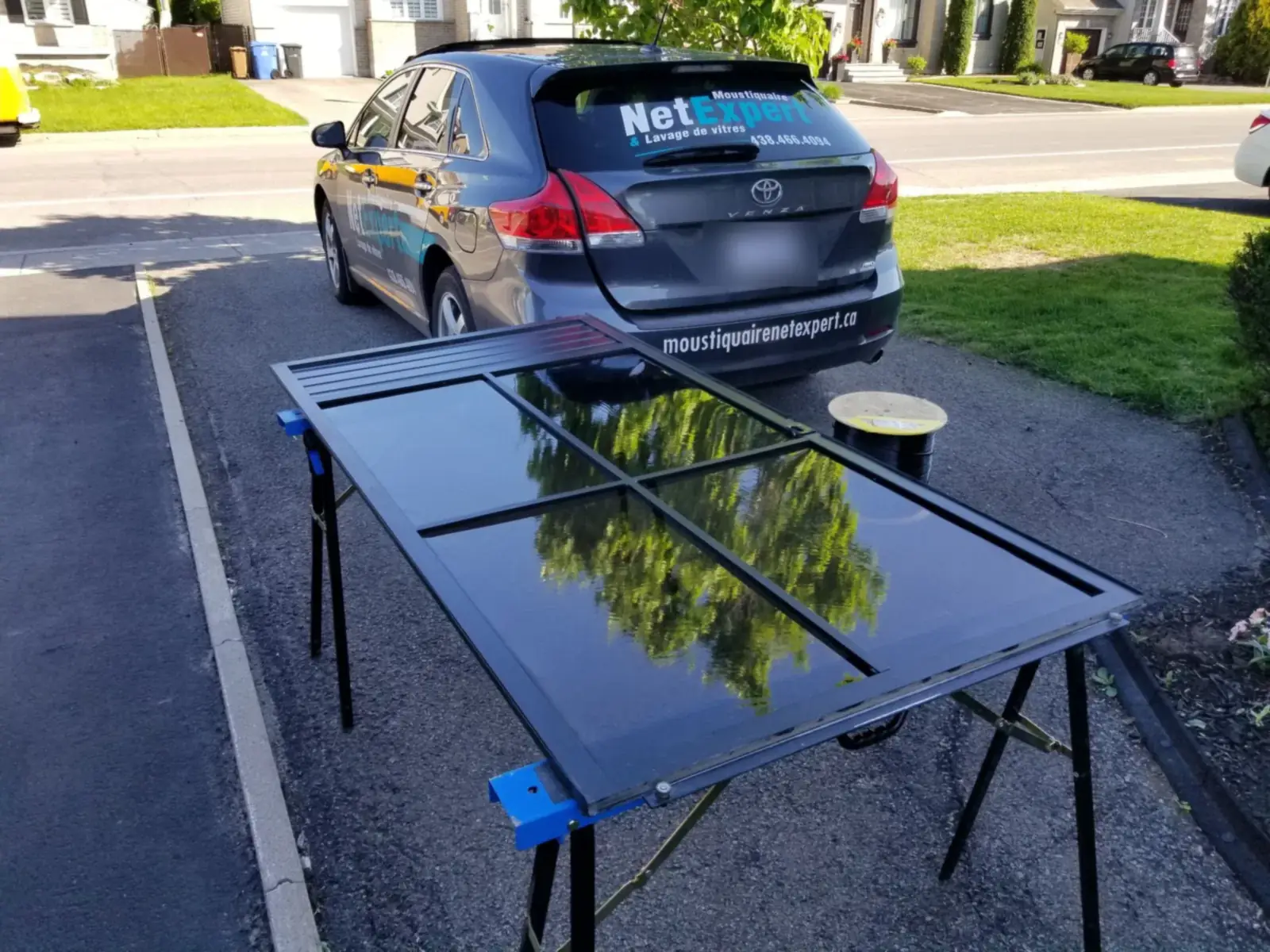
This job was not in Mirabel — it shows our method, the same everywhere: panels down, new vinyl pane by pane, panels back up.
« Great service! He was at my neighbour’s and agreed to fix my back screen even though we had no appointment. Very successful repair, and inexpensive! »
« Ludovic replaced my screen in record time. Professional, and with a great sense of humour. I recommend his services — don’t hesitate to contact him, he’ll come to your home and do beautiful work. »
« Excellent service. Clear explanations of the work to be done. I really appreciated his dedication: despite the rain he insisted on finishing the job, soaked through and still smiling. The work was very well done. »
Straight answers
Yes, and on that kind of shelter it’s the most common job. Each panel comes off the frame, is rescreened in its own frame from exact measurements taken on site, and goes back on. The clear vinyl is likewise cut to the size of each section. The wood structure stays exactly as it is — we only work on what detaches.
Not necessarily. A new film, cut to exact size and properly secured in the frame, flaps far less than a slack or oversized original. What matters on a lot with no hedge is fastening the full perimeter: film held all the way round cannot start flapping, and it is the flapping, not the strength of the wind, that eventually splits it. For the screens, aluminum mesh holds tension better in wind.
Standard mesh has openings that let the smallest insects through, especially once it has slackened and gapes at a corner. A tight, no-see-um weave closes the mesh enough to stop black flies; on a gazebo panel several feet wide it has to be tensioned harder than ordinary mesh, or the near-solid surface catches the wind off the fields like a sail. On a lot bordered by fields, it’s a choice that pays off.
Yes, at your home. We travel to Mirabel, remove the panels, replace the MICA vinyl in the original frames and put everything back — the gazebo structure is never touched. It is one of our specialties.
Yes. Depending on the retailer it is called MICA film, clear vinyl, clear plastic or transparent fabric — the same flexible material that cuts wind and holds warmth. We replace it on gazebos and sun shelters alike.
Yes. The vinyl is replaced pane by pane, in the existing frame — no need to redo the whole panel for one tear. If several panes have yellowed, doing them together gives a uniform result.
On assessment: the price depends on the number of panels and their dimensions. The quote is free, and a photo is often enough to price without a visit. Fabrication and installation guaranteed one year.
Do you manage a building or a business in Mirabel?