
Summer UV
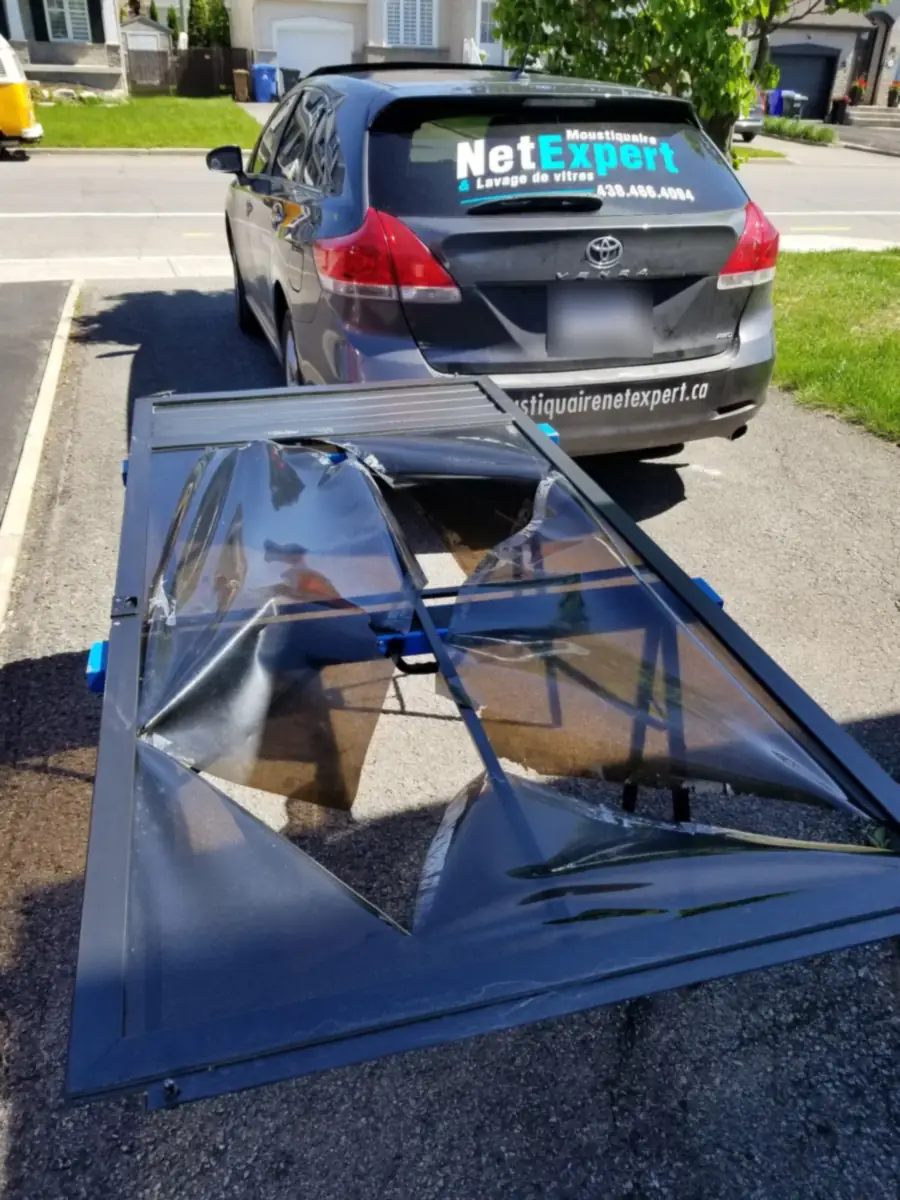
Sun yellows and clouds the vinyl. Film that crackles to the touch is at end of life.
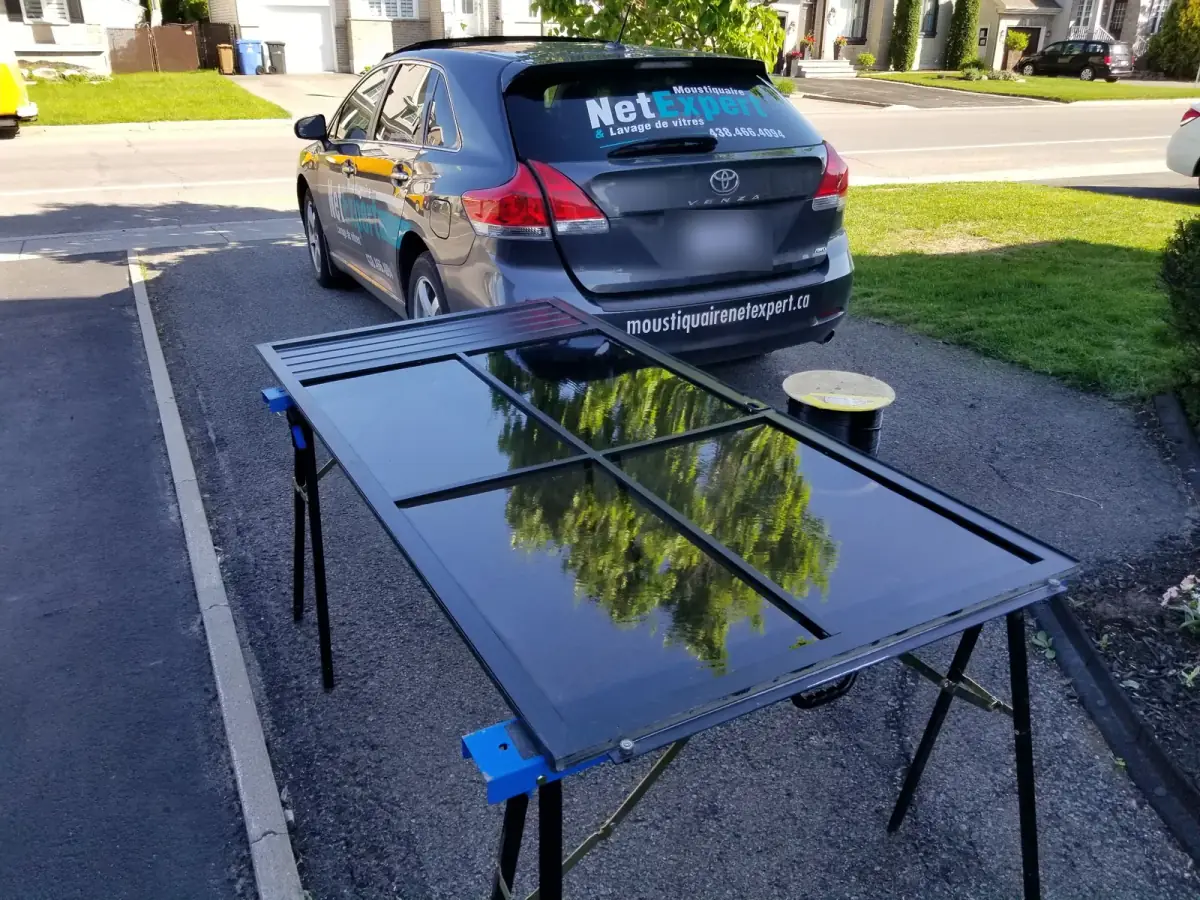
Gazebo and sun shelter specialty
Clear vinyl yellowed or torn? Replaced at your home in L'Île-Bizard–Sainte-Geneviève, in the original frames — gazebos and sun shelters.
Three questions are enough to start. The official measurement is taken on site.
Whatever your retailer calls it — MICA film, clear vinyl, clear plastic, sun-shelter transparent fabric — it is the same material, and we replace it in L'Île-Bizard–Sainte-Geneviève in your existing panels.
Sun yellows and clouds the vinyl. Film that crackles to the touch is at end of life.
Below freezing, MICA turns brittle — one handling or one gust splits it outright.
Slack vinyl flaps like a sail and eventually tears at the seams.
L'Île-Bizard–Sainte-Geneviève is the part of Montreal where a gazebo is least optional. Semi-rural, bordered by the river, cut into large lots along riverside roads, it produces summer evenings that mosquitoes make hard to enjoy without a screened room. The housing comes in three layers, and each has its gazebo. The old village and farmhouses along the riverside roads tend to carry shelters framed on site, where wooden battens hold the material and the openings follow the posts rather than any format. The 1970s and 1980s bungalows have the classic retail gazebo near the patio door. The recent developments on large lots get large-format gazebos, far from the house, in open wind.
On a large lot, the gazebo is sheltered by neither the house nor the neighbours: it takes the wind off the river, sun on three faces, and the insects of the whole property converging on the light at dusk. It is a gazebo that ages fast. The film goes first, the mesh next, and the structure — aluminum, steel or wood — stands there, perfectly reusable. On the verandas of the older houses, the logic is the same as for a permanent structure: one-of-a-kind openings, wooden battens, measurements taken on site. From one lot to the next, two gazebos are unlikely to be redone the same way.
On the permanent structures along the river, the screen is held by battens, and the mesh is the problem before the frame is: fine insects come straight through ordinary fibreglass, and the owner looks for a hole and finds none. The answer is a tighter weave, stretched in the same frame once the battens are off. On the retail gazebos of the bungalows and the newer developments, the aluminum spline takes over: yellowed or split clear vinyl (MICA film) comes out of its groove, the new film is cut to the exact pane, slack mesh is re-tensioned. Large panels facing the wind get aluminum mesh rather than fibreglass. Everything is done on site, panel by panel, without touching the structure.
The land sets the terms. Houses are far apart, driveways are long, and a gazebo by the water often sits at the bottom of a lot sloping to the shore. Panels from a wooden structure are taken down by two people and carried back up the lot to the mobile workshop, or are redone right in place when the framing allows. The large-format gazebos in the newer developments have long panels that travel flat. And on an old farmhouse, the structure has followed the building's movements: no opening is square, each is measured separately, and nothing is cut before everything is recorded.
River wind and the unobstructed sun of large lots age film faster here than in an enclosed yard: it goes on early in the fall, very tight, on the faces exposed to the water, and comes off in spring, because a gazebo lived in all summer needs its screens, not a yellowing film. For the mesh, it is surface that decides here: a gazebo on a large lot has longer faces than one in a city yard, and the longer the face, the stiffer the mesh has to be to stay flat between its two posts. On a lot that slopes to the shore, the lower face of the gazebo takes the damp that settles at the bottom of the slope, and it is the one still marked once the rest has dried.
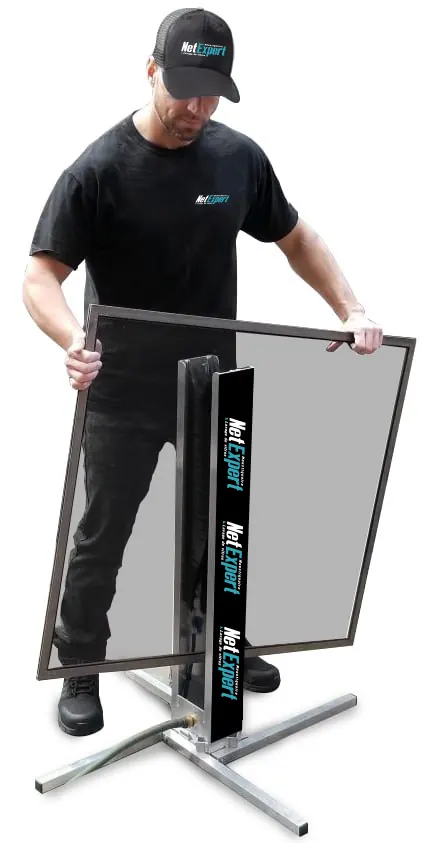
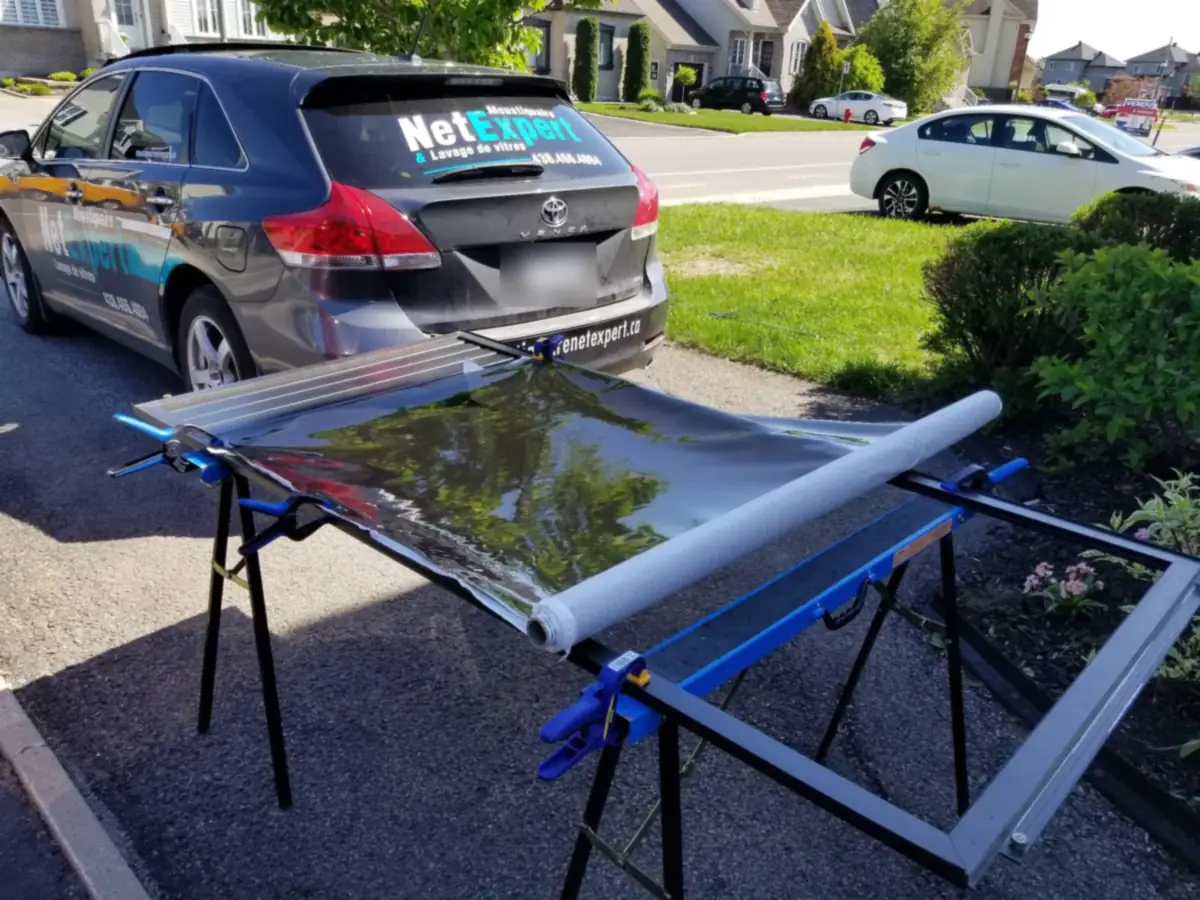
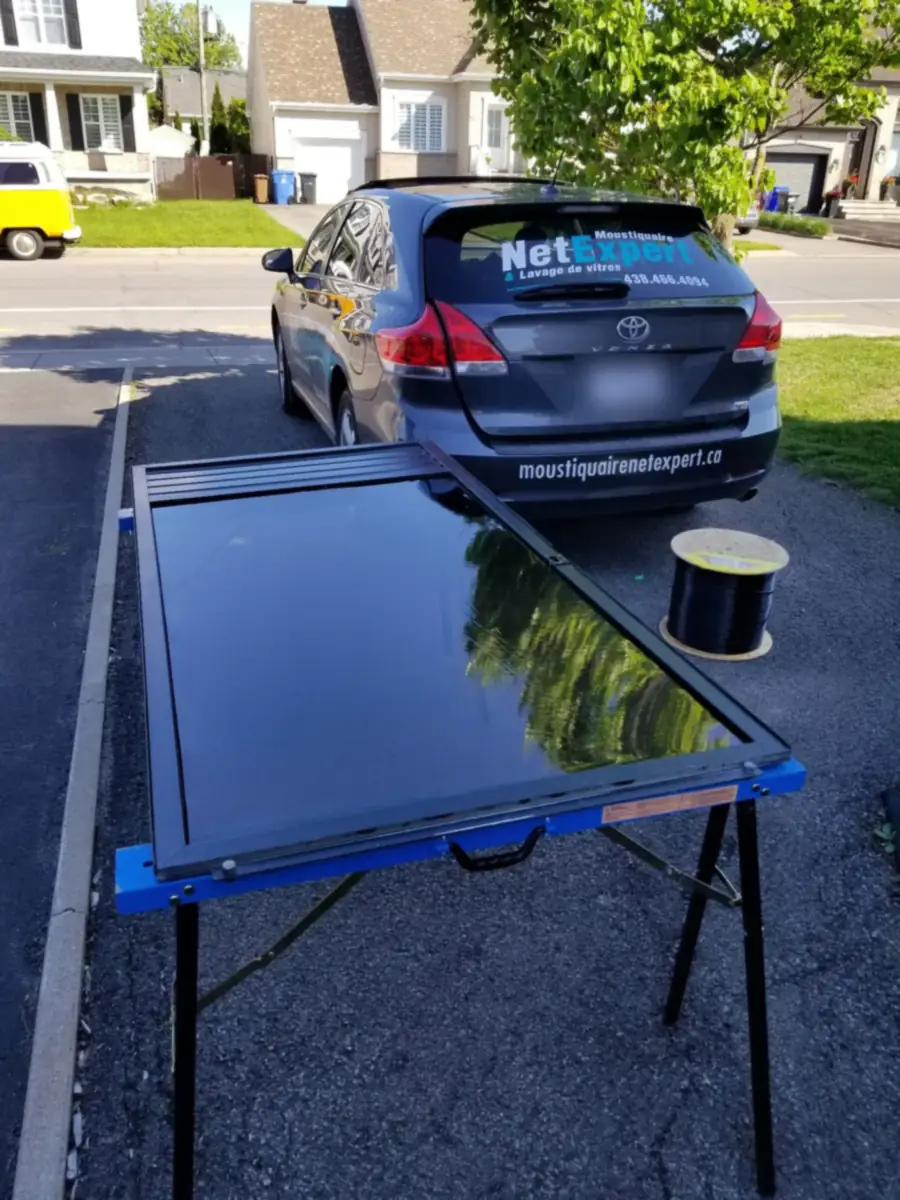
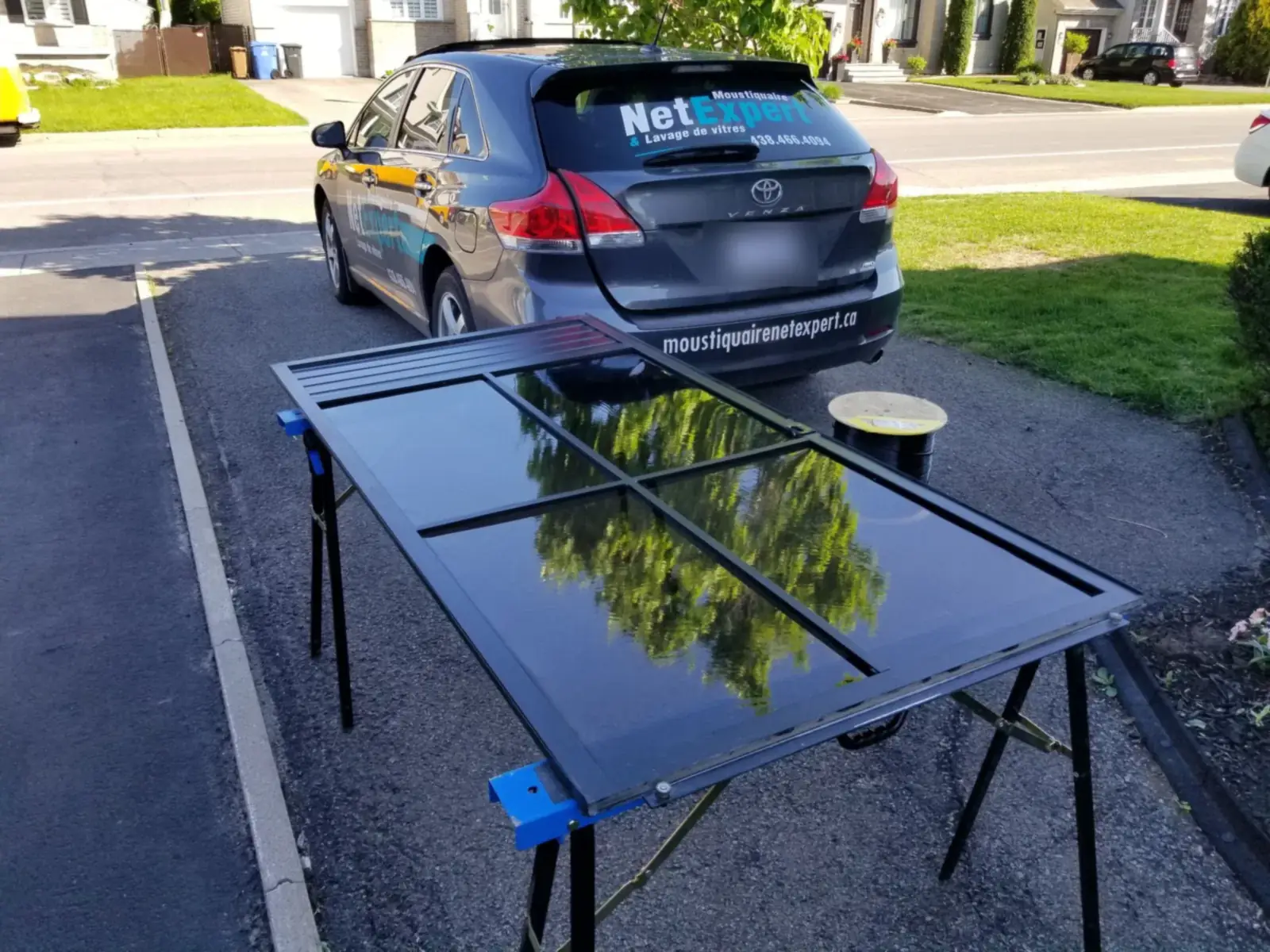
This job was not in L'Île-Bizard–Sainte-Geneviève — it shows our method, the same everywhere: panels down, new vinyl pane by pane, panels back up.
« Great service! He was at my neighbour’s and agreed to fix my back screen even though we had no appointment. Very successful repair, and inexpensive! »
« Ludovic replaced my screen in record time. Professional, and with a great sense of humour. I recommend his services — don’t hesitate to contact him, he’ll come to your home and do beautiful work. »
« Excellent service. Clear explanations of the work to be done. I really appreciated his dedication: despite the rain he insisted on finishing the job, soaked through and still smiling. The work was very well done. »
Straight answers
Change the mesh, not repair it. It is not a fault in the panel: the weave a retail gazebo comes with is not meant to stop the finest insects. We take the existing mesh out and stretch a tighter weave in the same frame, panel by panel, starting with the faces toward the water and the ones people eat in front of. The structure and the frames stay as they are.
It lengthens it, nothing more. Panels come off one at a time and travel flat to the mobile workshop; on a wooden structure the material can often be redone with the panel left hanging on its battens, so nothing has to come back up the lot at all. We look at the slope, the passage and the panel size on arrival, and pick the method that avoids dragging a long panel up a gravel drive.
Yes. On old framing that has moved, we assume nothing: each opening is measured separately, at all four corners, and the mesh or film is cut for that opening alone. The wooden battens are lifted, replaced if split, and refastened over the new mesh. The frame keeps its shape, imperfect as it is; the material is what adapts.
Yes, at your home. We travel to L'Île-Bizard–Sainte-Geneviève, remove the panels, replace the MICA vinyl in the original frames and put everything back — the gazebo structure is never touched. It is one of our specialties.
Yes. Depending on the retailer it is called MICA film, clear vinyl, clear plastic or transparent fabric — the same flexible material that cuts wind and holds warmth. We replace it on gazebos and sun shelters alike.
Yes. The vinyl is replaced pane by pane, in the existing frame — no need to redo the whole panel for one tear. If several panes have yellowed, doing them together gives a uniform result.
On assessment: the price depends on the number of panels and their dimensions. The quote is free, and a photo is often enough to price without a visit. Fabrication and installation guaranteed one year.
Do you manage a building or a business in L'Île-Bizard–Sainte-Geneviève?