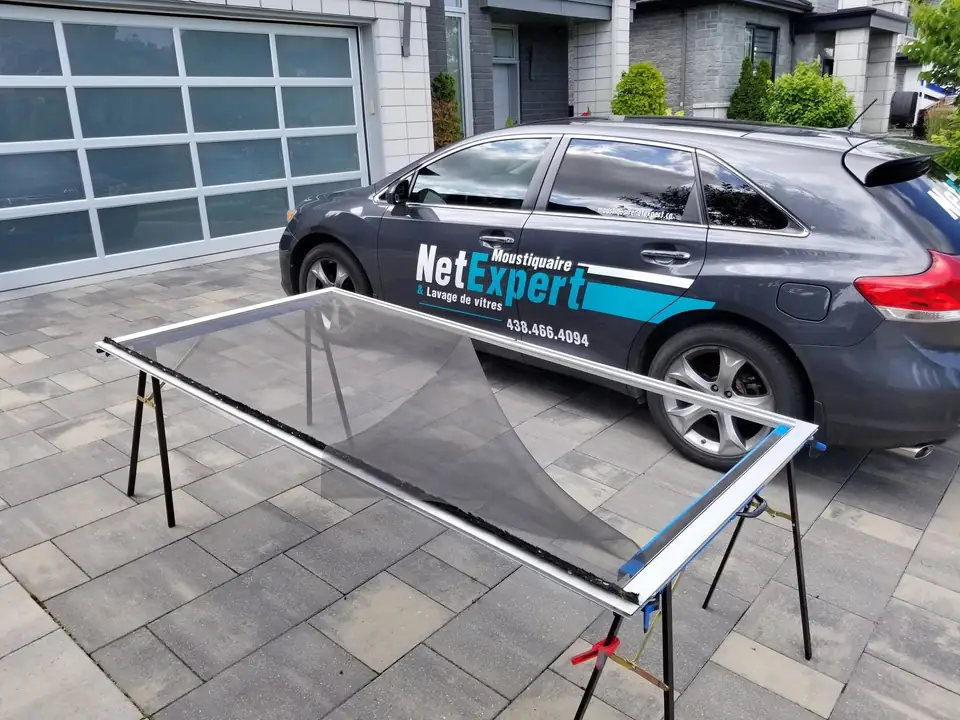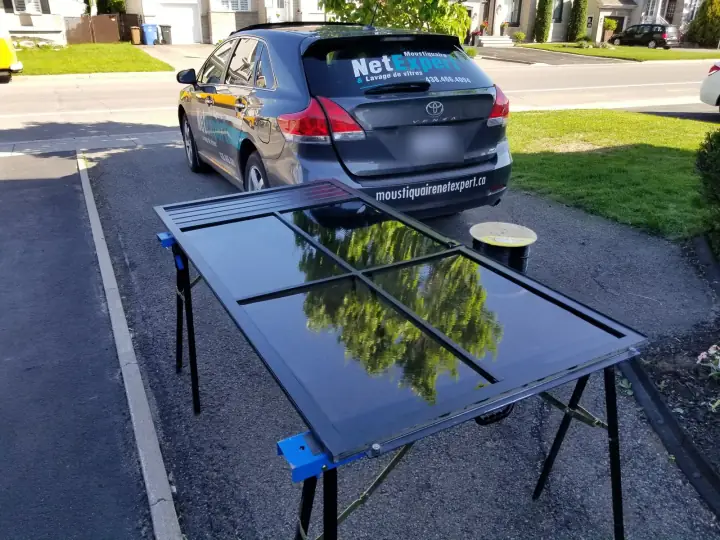
Screen rescreening (window)
From$30per screen
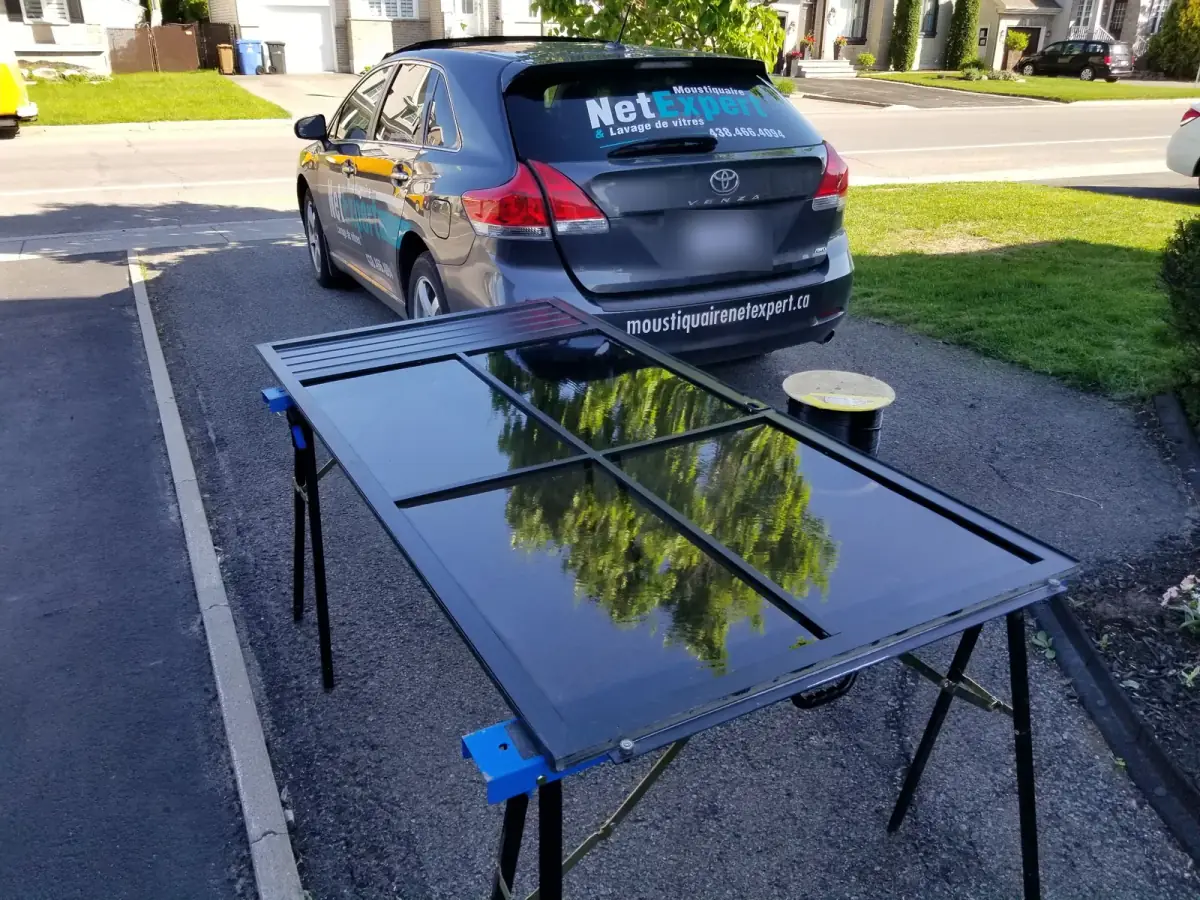
From Brossard, across Greater Montréal
Mobile on-site service in Montréal-Nord and nearby. Mesh, rollers, frames, patio doors.
Three questions are enough to start. The official measurement is taken on site.
Six services, one trade
One trade, done properly. We don’t sell windows — we repair window screens, and that is all we do.
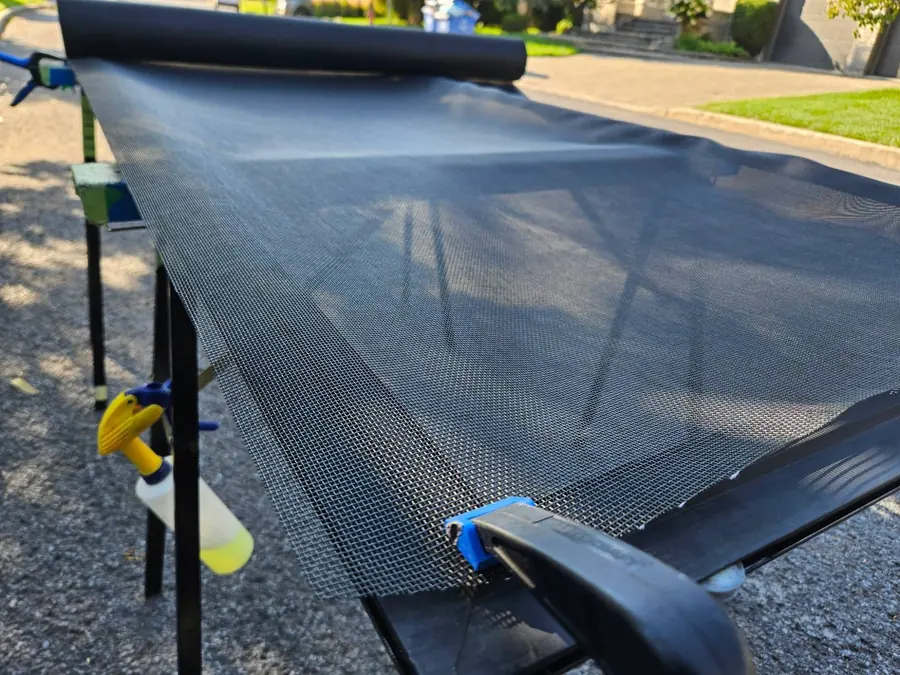 Repair
Torn, punctured or sagging mesh, replaced in your existing frame.
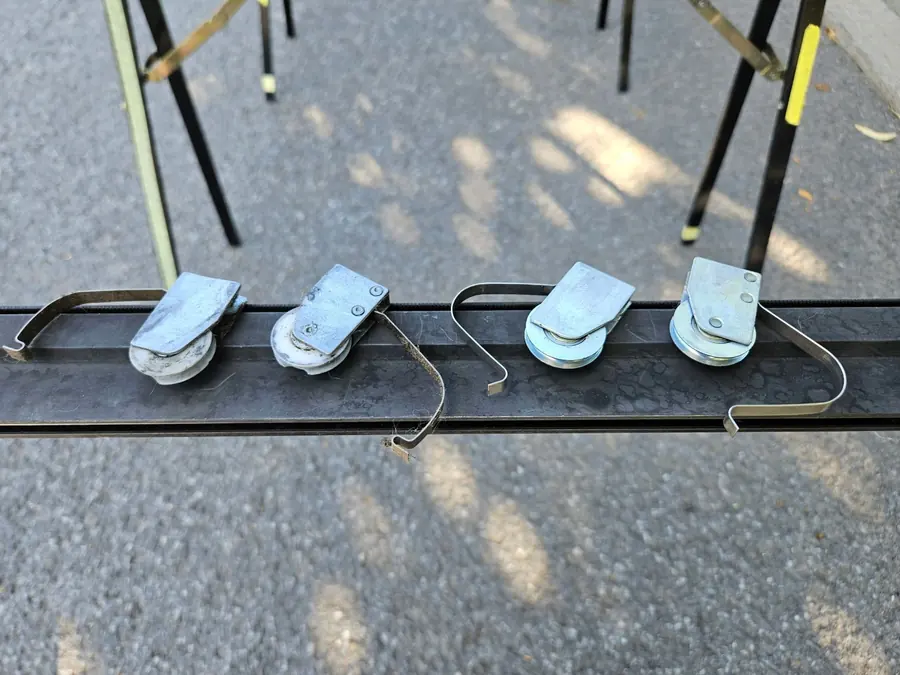 Repair
A screen that sticks, jumps the track or no longer closes.
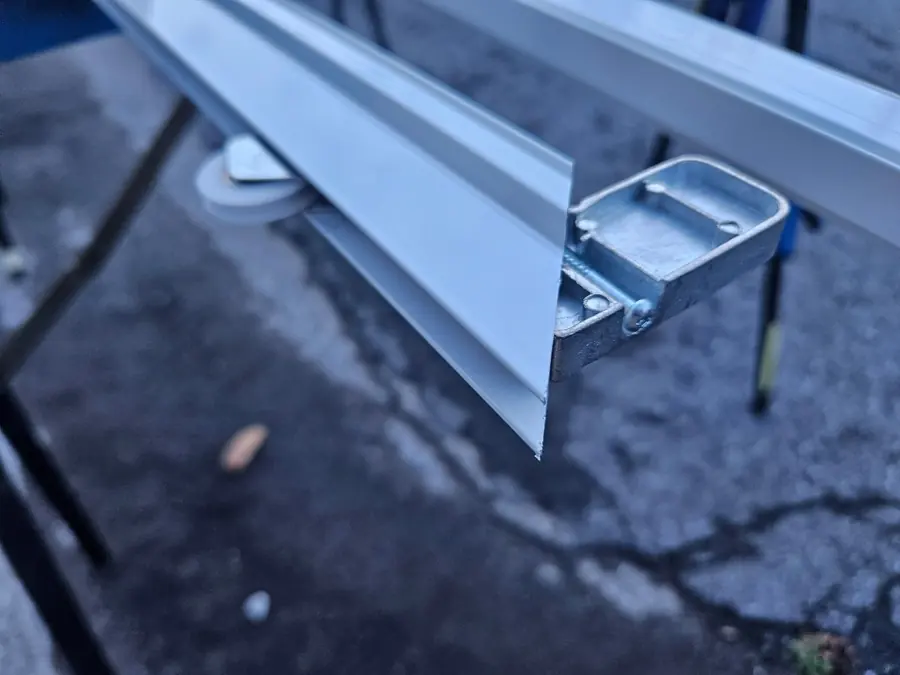 Repair
Bent frame, separated corner, split moulding.
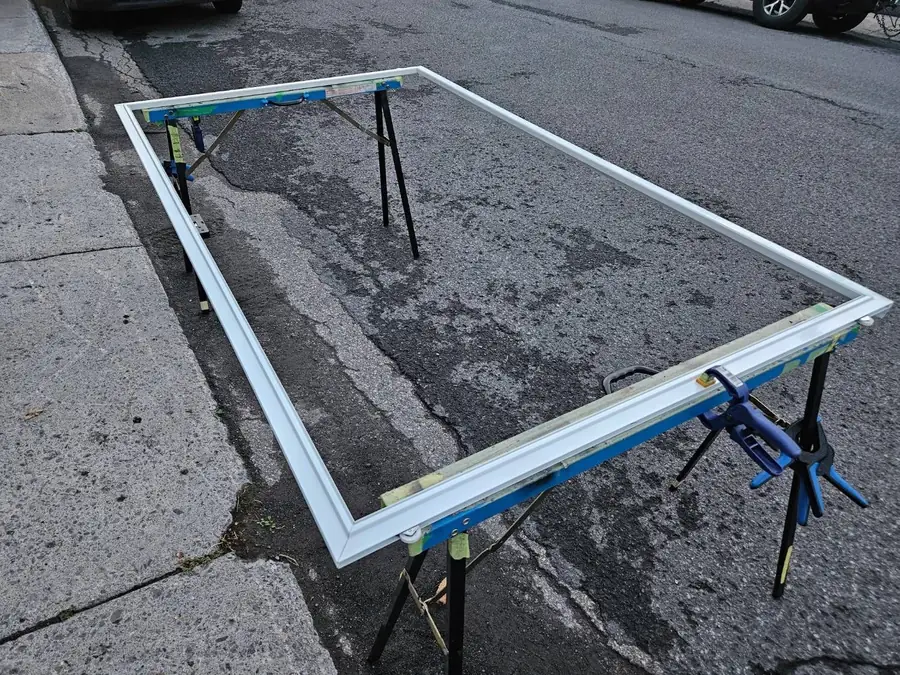 Repair
A missing screen, or an opening with no original to copy.
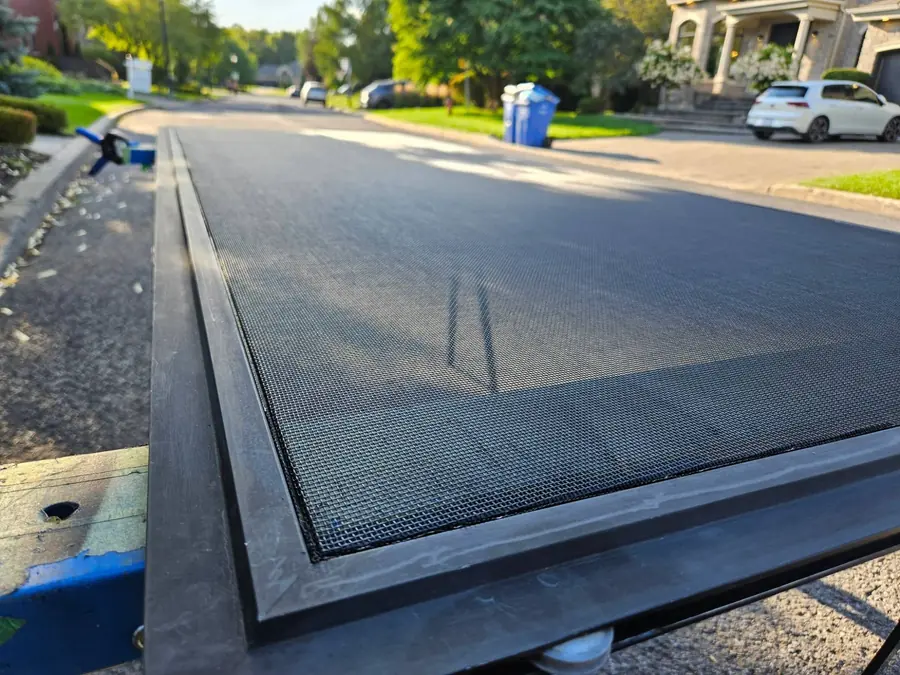 Patio door
The part that breaks most often, and gets used most.
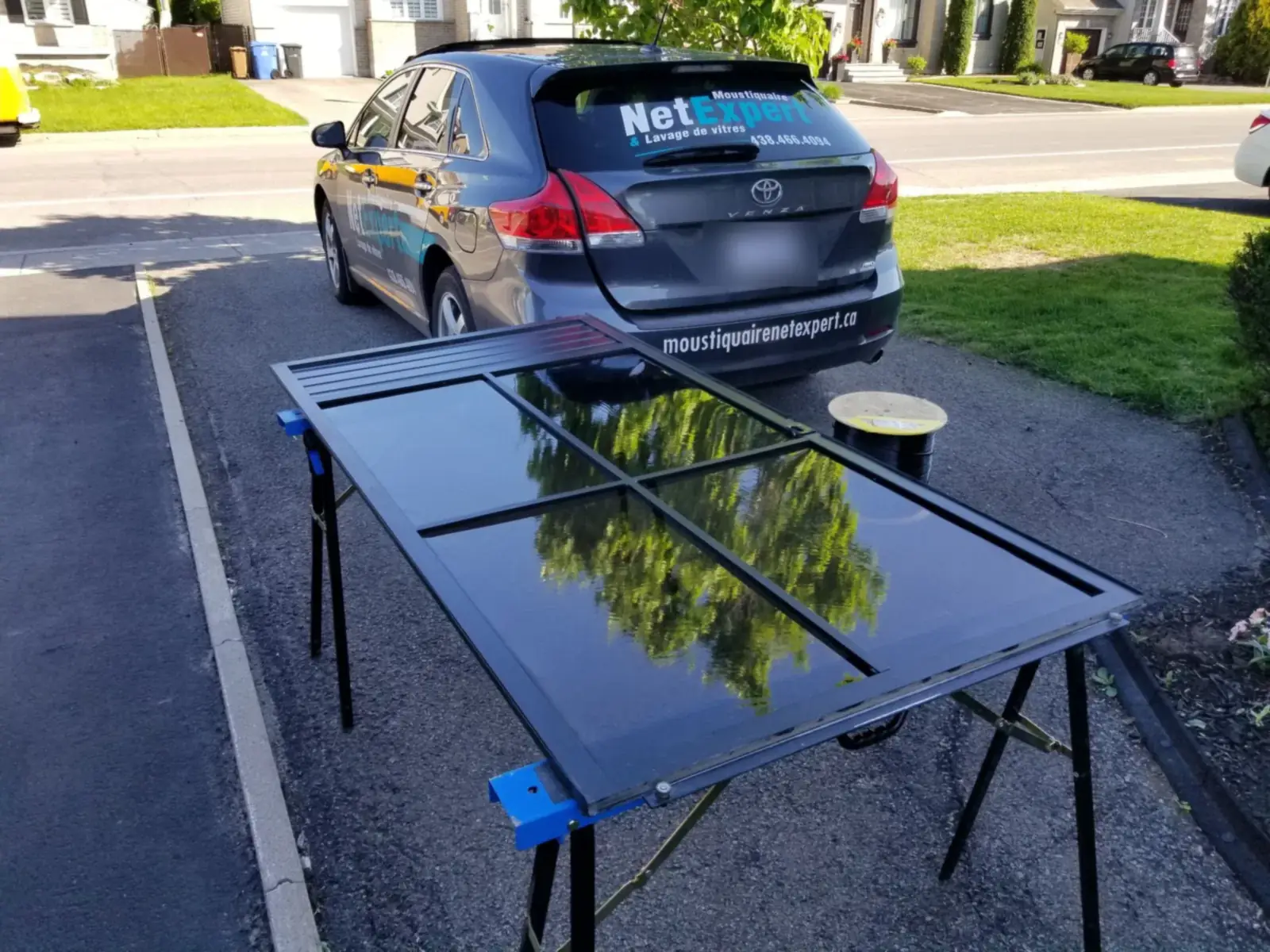 Gazebo · MICA
Screen panels and clear MICA vinyl, replaced on site.
Clear prices
Most companies in this trade publish no prices at all. Here are ours, as starting prices — the exact amount depends on size, mesh type and how many units per visit; the free quote sets it.
From$30per screen
From$30per screen
From$40per screen
From$120per screen
From$500per door
The price depends on the panel count and the vinyl: set on site.
A $125 travel fee applies to every visit, whatever the number of screens — it is shared across all your items, which is why grouping them pays.
$125
Grouping several screens in one visit brings the price of each one down: the travel fee is shared. An exact quote is free and reaches you promptly.
1-year warranty on fabrication and installation. Damage caused by the client is not covered. Payment: Visa, MasterCard, Interac, Bank transfer.
Any price provided is strictly a summary estimate. If work must be added once on site, prices will be adjusted — and always explained before we start.
Not all mesh is equal, and the right one depends on your window, your pets and your surroundings. We carry all four types in the vehicle — the choice happens at your home, not in a store.
Ten kinds of damage, one answer
If your screen looks like any of these, it can be repaired. Tap one to request a quote for that exact damage. We rarely replace a whole frame — in most cases only the mesh needs redoing.
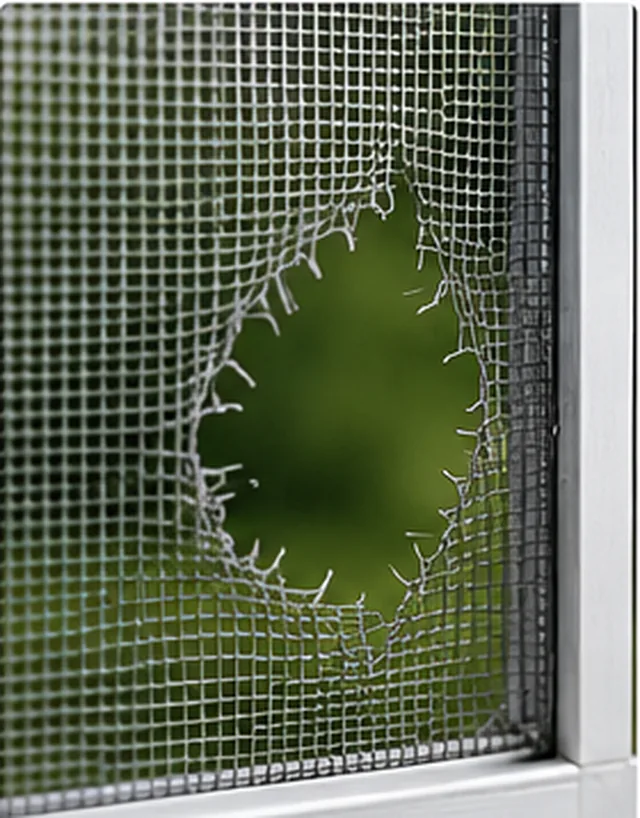 Mesh
Mesh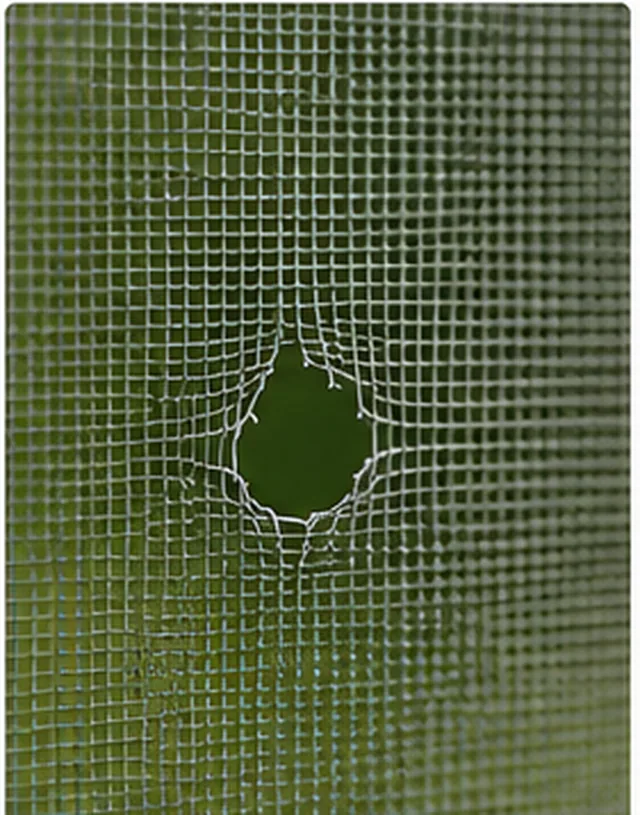 Mesh
Mesh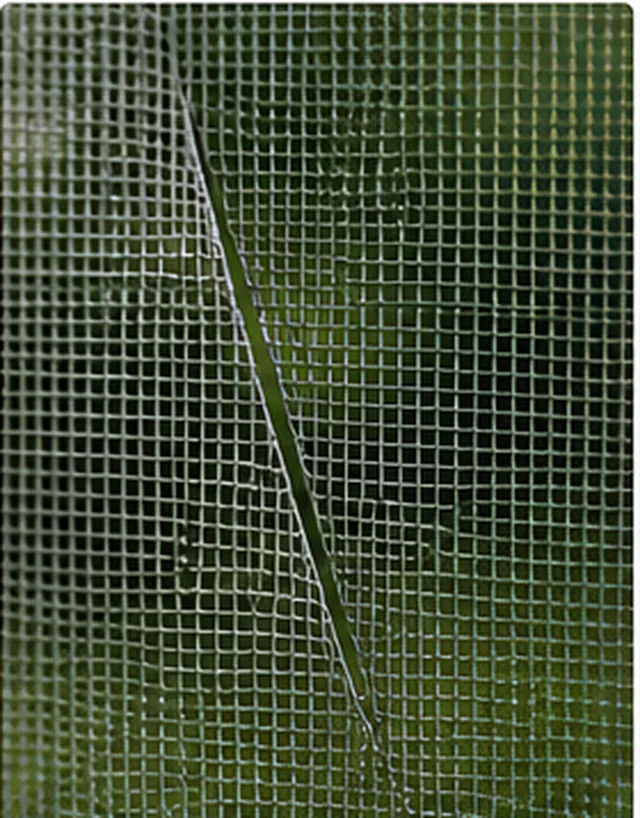 Mesh
Mesh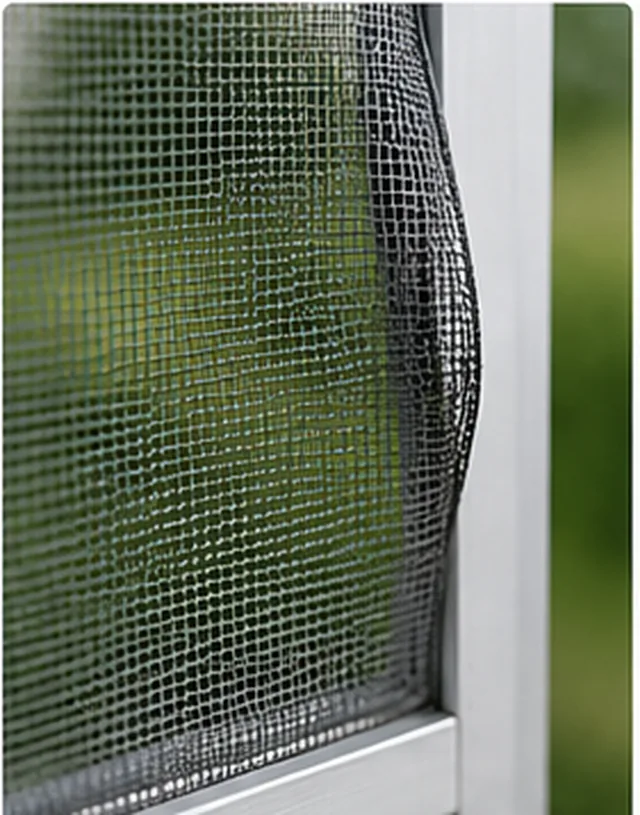 Mesh
Mesh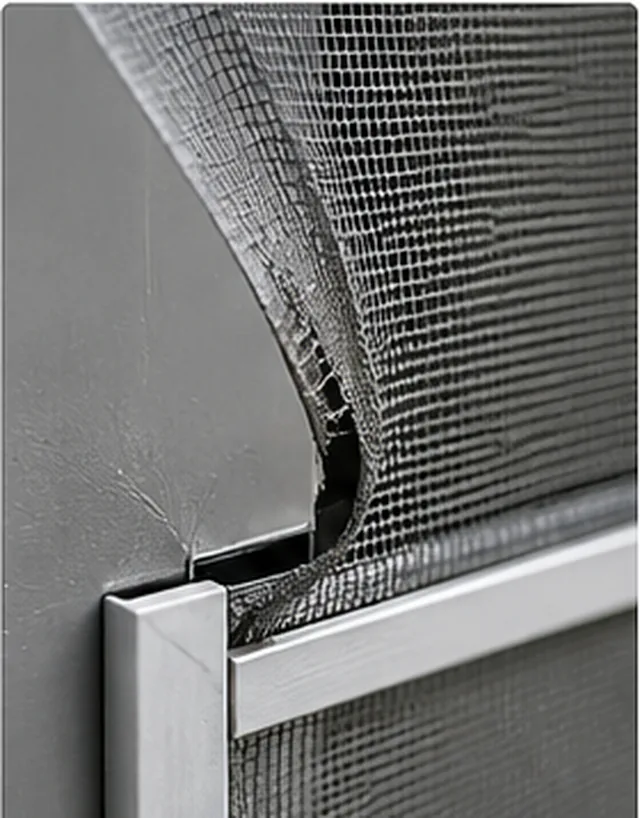 Mesh
Mesh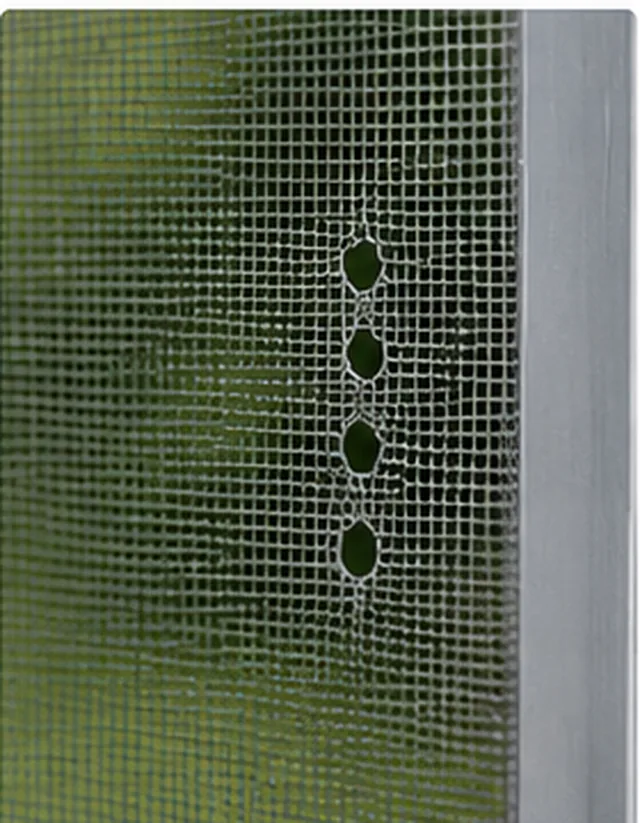 Mesh
Mesh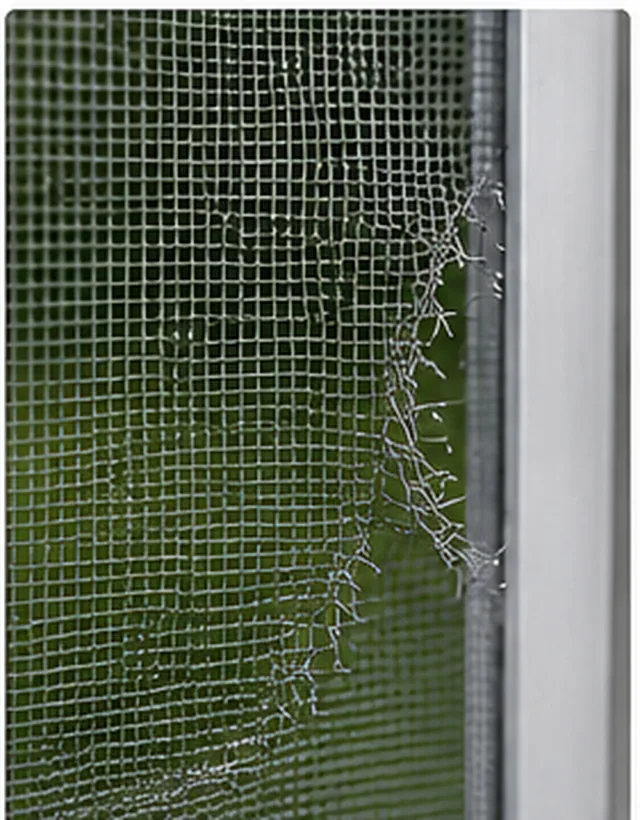 Mesh
Mesh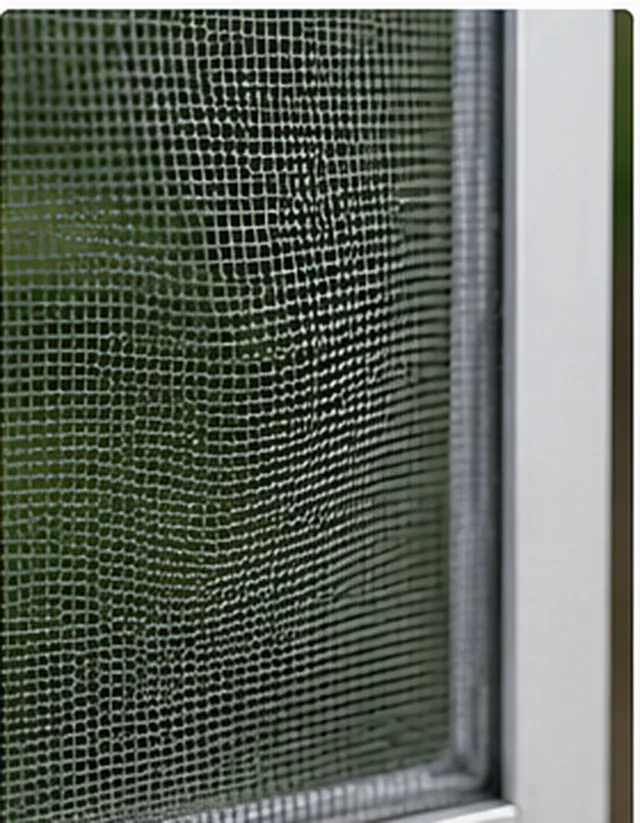 Mesh
Mesh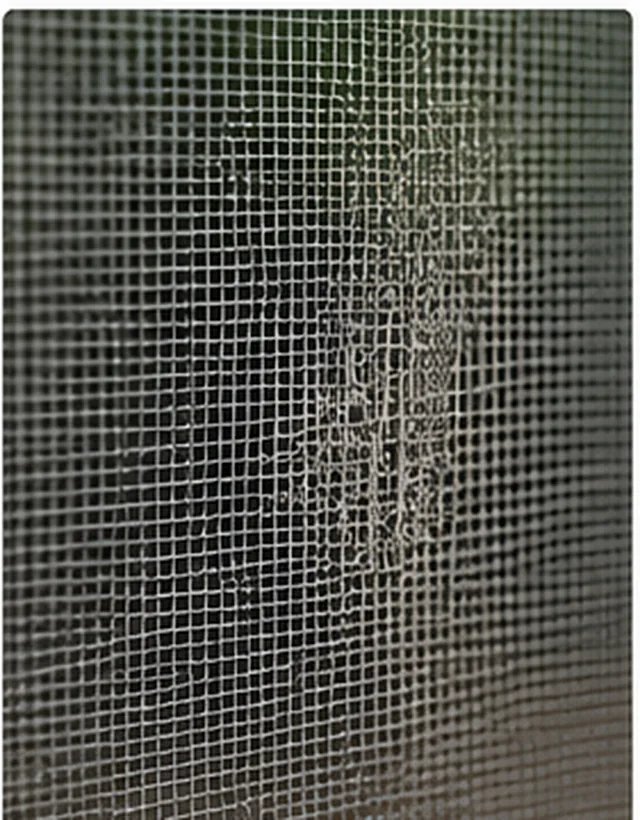 Mesh
Mesh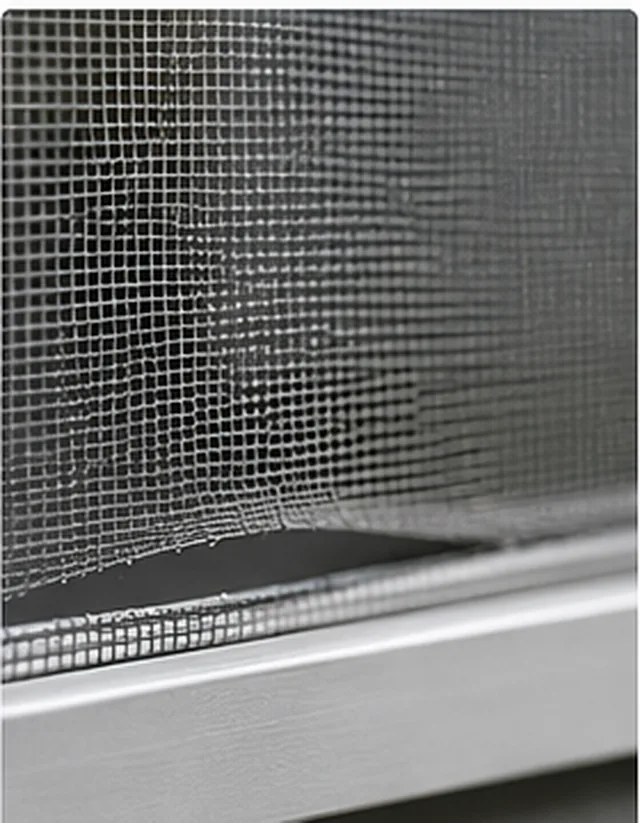 Frame
FrameThree steps
By phone or through the form. A photo helps but is not required.
We give you a time window for Montréal-Nord, not a whole day.
We remove, repair and reinstall. You pay once you have seen and approved the work.
Do you manage a building or a business in Montréal-Nord?
Why us
The workshop is in the vehicle: no trips to a store.
5.0from 143 Google reviews
Public and verifiable, on our Google listing.
No windows or doors to sell: we repair what you own.
6 a.m. to 8 p.m., April to October, in French and English.
7+years in the trade
Mesh taut without a ripple, frame square, rollers set.
1 yrwritten warranty
Workmanship and installation. If our work fails, we come back.
« Excellent service. Clear explanations of the work to be done. I really appreciated his dedication: despite the rain he insisted on finishing the job, soaked through and still smiling. The work was very well done. »
« Great service! He was at my neighbour’s and agreed to fix my back screen even though we had no appointment. Very successful repair, and inexpensive! »
« Ludovic replaced my screen in record time. Professional, and with a great sense of humour. I recommend his services — don’t hesitate to contact him, he’ll come to your home and do beautiful work. »
Straight answers
Usually not. On a slider the rollers wear first: once they flatten, the frame drops into the track and catches every time it is moved. Replacing the rollers and cleaning the track settles most of these, and an aluminum frame pushed out of true by years of forcing can often be straightened on site. The mesh isn't necessarily part of the problem at all.
That is the most efficient way to work in a 1950-1970 building, where the screens are all the same age. An inventory helps a great deal: unit number, floor, how many screens, and what is wrong with each. Since most of them come off from the inside, access to rented apartments has to be arranged with tenants ahead of the visit.
Yes, and that is exactly the best case for rescreening. Narrow aluminum profiles installed between 1950 and 1975 are no longer sold, and units in a building of that era aren't catalogue sizes. As long as the frame is straight or can be straightened, new mesh in it keeps the exact size of the opening. Each unit still gets measured individually — identical looks are deceiving.
Yes. We are a mobile business: we come to your home in Montréal-Nord, remove the screens, repair them on site and reinstall them before we leave.
Replacing the mesh of a window screen, in its existing frame, starts from $30. The exact amount depends on size, mesh type and how many units you have, and the quote sets it. The more screens in the same visit, the lower the price of each. A $125 travel fee applies to every visit, whatever the number of screens — it is shared across all your items, which is why grouping them pays.
Yes: one year on fabrication and installation. If our work fails, we come back at no charge. Damage caused afterwards is not covered.
Written for Montréal-Nord
Montréal-Nord is a Montréal borough built almost all at once: brick duplexes, triplexes and small apartment buildings put up between 1950 and 1970, tightly packed, with balconies and outside staircases. That construction date is the single most useful fact for anyone repairing screens here, because it decides the window type. The early-century plex closer to the centre of the island is a double-hung story; the postwar north end was glazed with sliders. And a slider does not wear the same way at all. Its screen doesn't rest in a vertical track — it rolls sideways on rollers that take all the load. The result, in this stock, is that a screen that no longer works has a hardware problem far more often than a mesh problem.
The other trait is density: a borough of small apartment buildings, so plenty of owners who don't have one window to fix but six, eight or twelve identical units in the same building. Screens in a 1950-1970 building went in on the same day, faced the same sun and were worked through the same number of summers: when the first gives out, the others follow within a season or two. That changes how the work should be approached. Rather than repairing one at a time, it is better to inventory the building — floor by floor, unit by unit — and handle everything that is ripe at once. One detail worth knowing: despite looking identical, screens in the same building don't always share exactly the same dimensions, and each one gets measured.
On a sliding window, the screen rolls on a track, outside or inside depending on the model, and comes off by lifting it and clearing the bottom. The rollers fail first: once flattened, they drop the frame into the track, the screen catches, you push harder, and the aluminum frame ends up out of true. At that point most people assume the screen is finished. It almost never is. The rollers get replaced, the track gets cleaned — on a busy street it fills with sand, dust and winter grit — and the frame gets straightened. The mesh is redone in that same frame when it is torn or slack. On original units from 1950 to 1975 the profiles are narrow and no longer sold: keeping the frame isn't only cheaper, it is often the only way to keep the right size.
Balconies, everywhere in this kind of building, add a second family: the sliding and patio doors that open onto the rear balcony. It is the most frequent repair in the trade, here as elsewhere, but use makes it worse — a balcony door worked by a whole household several times a day, six months a year, flattens its rollers quickly and goes slack at hand height, exactly where people push. All of it is handled on site. Finally there are the basement and stairwell screens, usually left off a building's inventory and yet the first to get punctured, because they sit within reach of the street and the lane.
The constraint specific to Montréal-Nord is neither height nor size: it is coordination. Most slider screens come off from inside the apartment, so a building owner cannot have tenants' units done without notice and arranged access. A visit that finds half the doors closed turns into a second visit. An inventory taken beforehand solves much of it: unit number, floor, how many screens per apartment, and what is actually wrong with each — broken, or merely dirty and off its track. Street parking and outside staircases account for the rest: in a dense borough, time is lost between apartments, not at the window.
Montréal-Nord is bordered to the north by the Rivière des Prairies, and a body of water changes insect pressure in the evening — precisely when balconies get used. That is the main argument for mesh in genuinely good shape rather than mesh that is still passable: a two-centimetre tear in one corner cancels out the rest. For a sliding window left open all summer, standard fibreglass is enough in most cases; if a cat regularly climbs the balcony screen, pet-resistant mesh is the only format that lasts a full season. On a building facing a busy street, a track cleaned every spring extends the life of the rollers as much as the mesh.