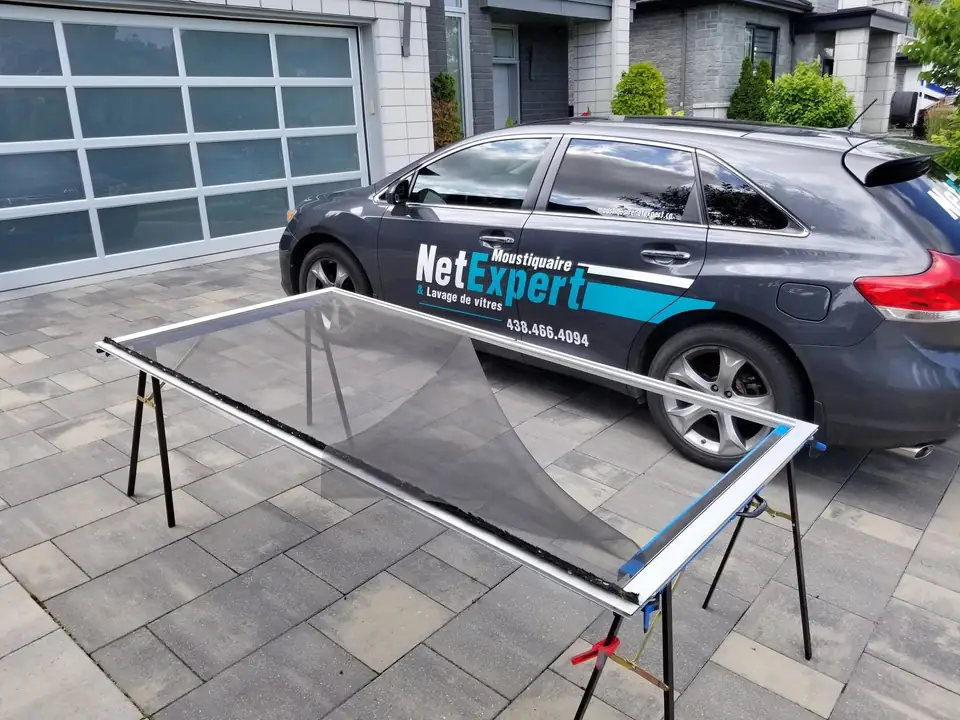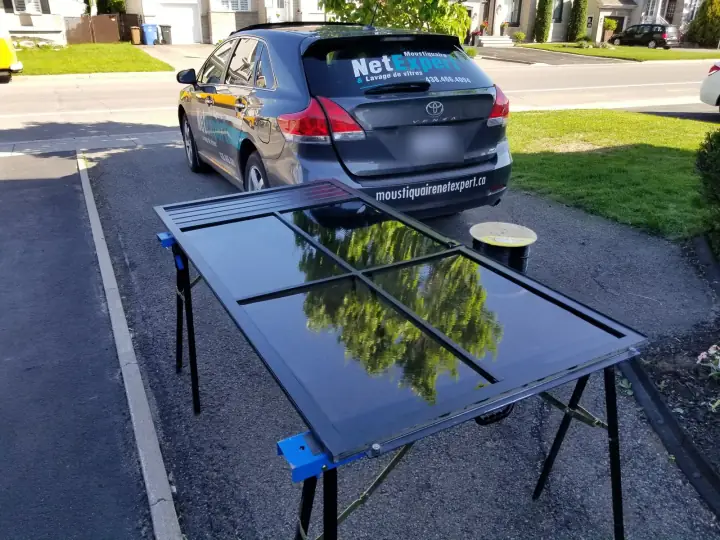
Screen rescreening (window)
From$30per screen
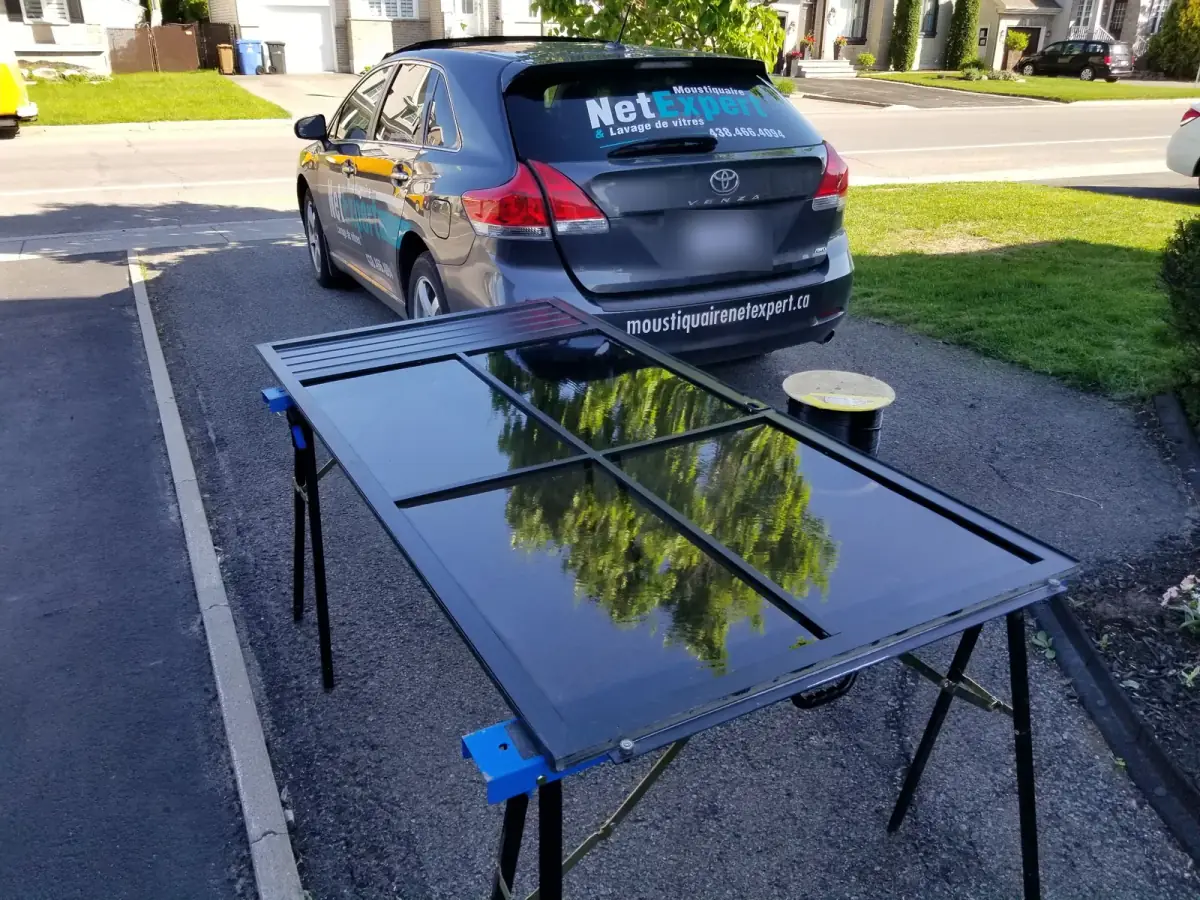
From Brossard, across Greater Montréal
Mobile on-site service in Rosemont–La Petite-Patrie and nearby. Mesh, rollers, frames, patio doors.
Three questions are enough to start. The official measurement is taken on site.
Six services, one trade
One trade, done properly. We don’t sell windows — we repair window screens, and that is all we do.
 Repair
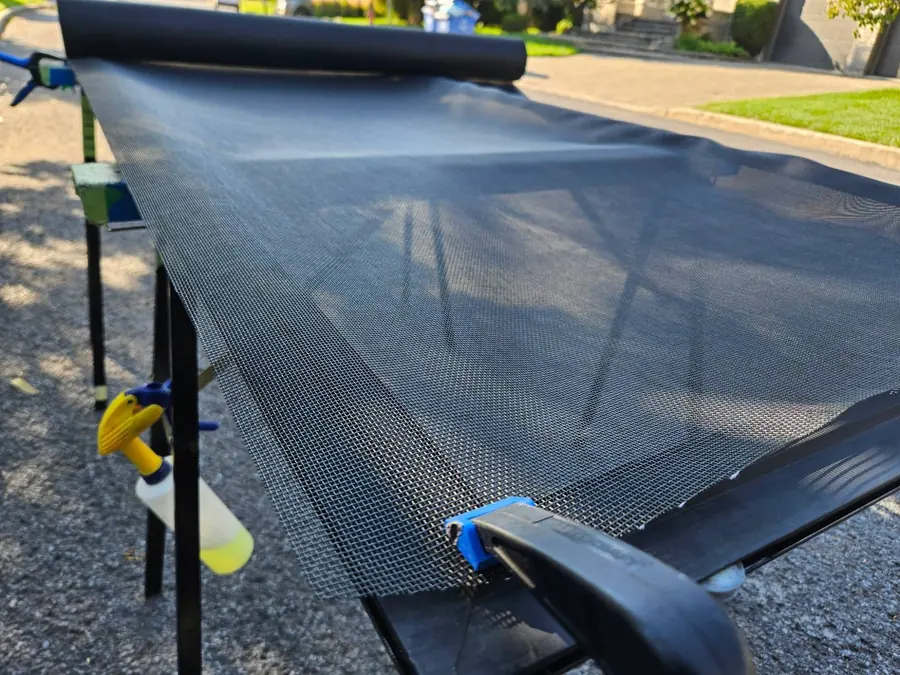
Torn, punctured or sagging mesh, replaced in your existing frame.
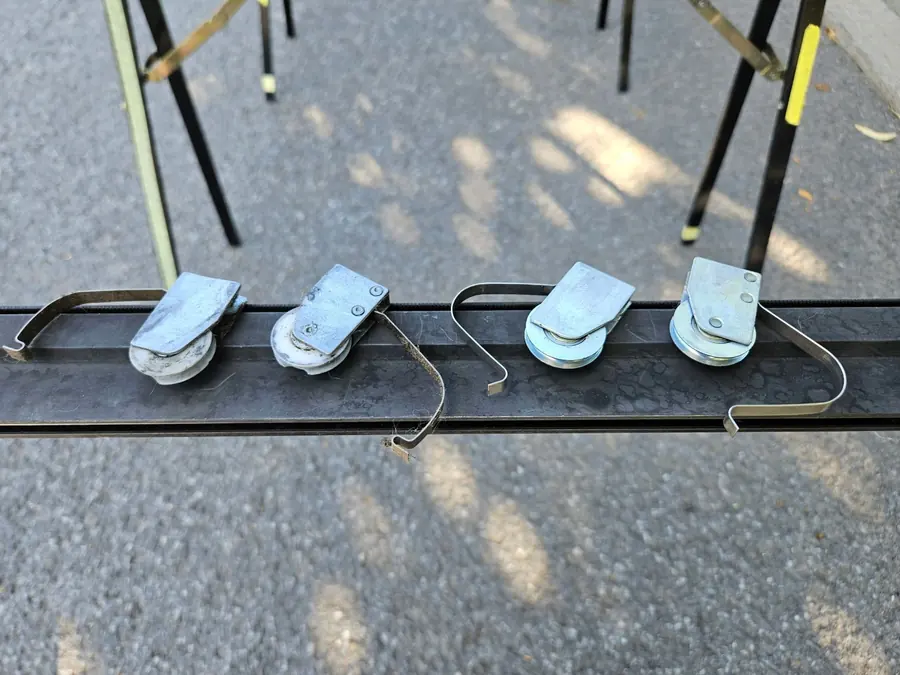 Repair
A screen that sticks, jumps the track or no longer closes.
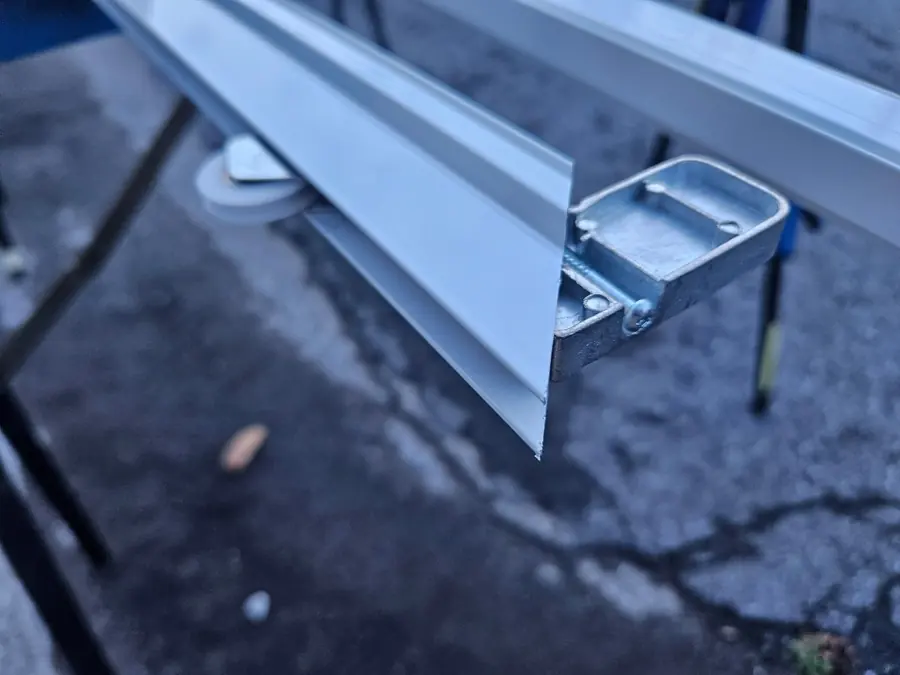 Repair
Bent frame, separated corner, split moulding.
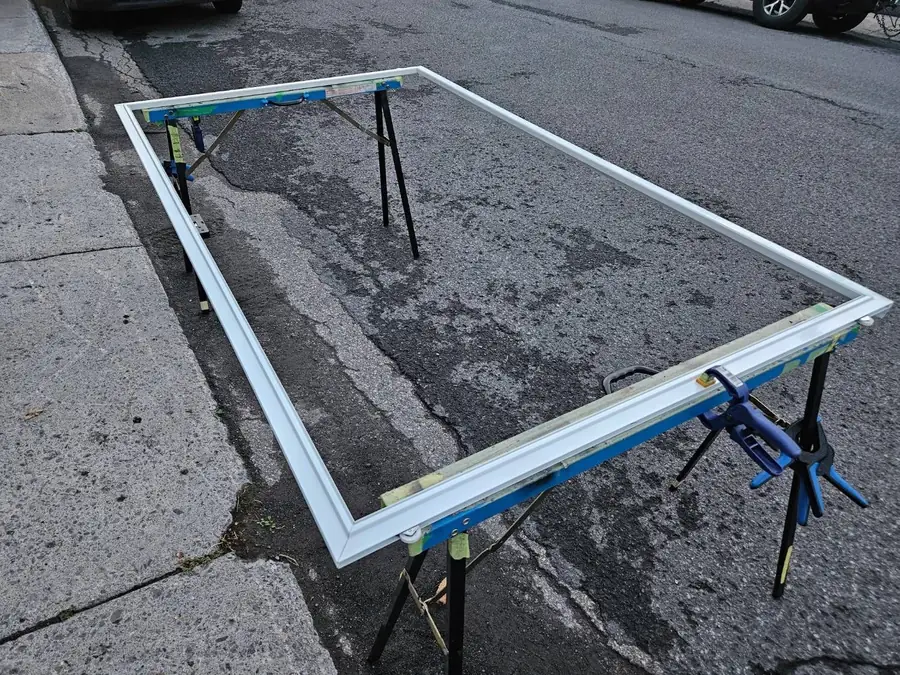 Repair
A missing screen, or an opening with no original to copy.
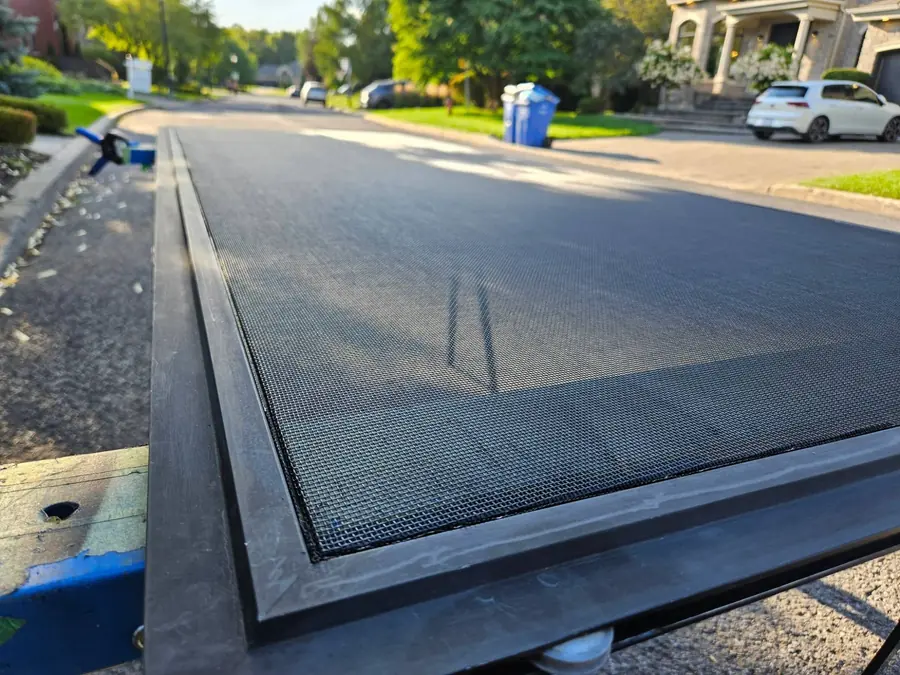 Patio door
The part that breaks most often, and gets used most.
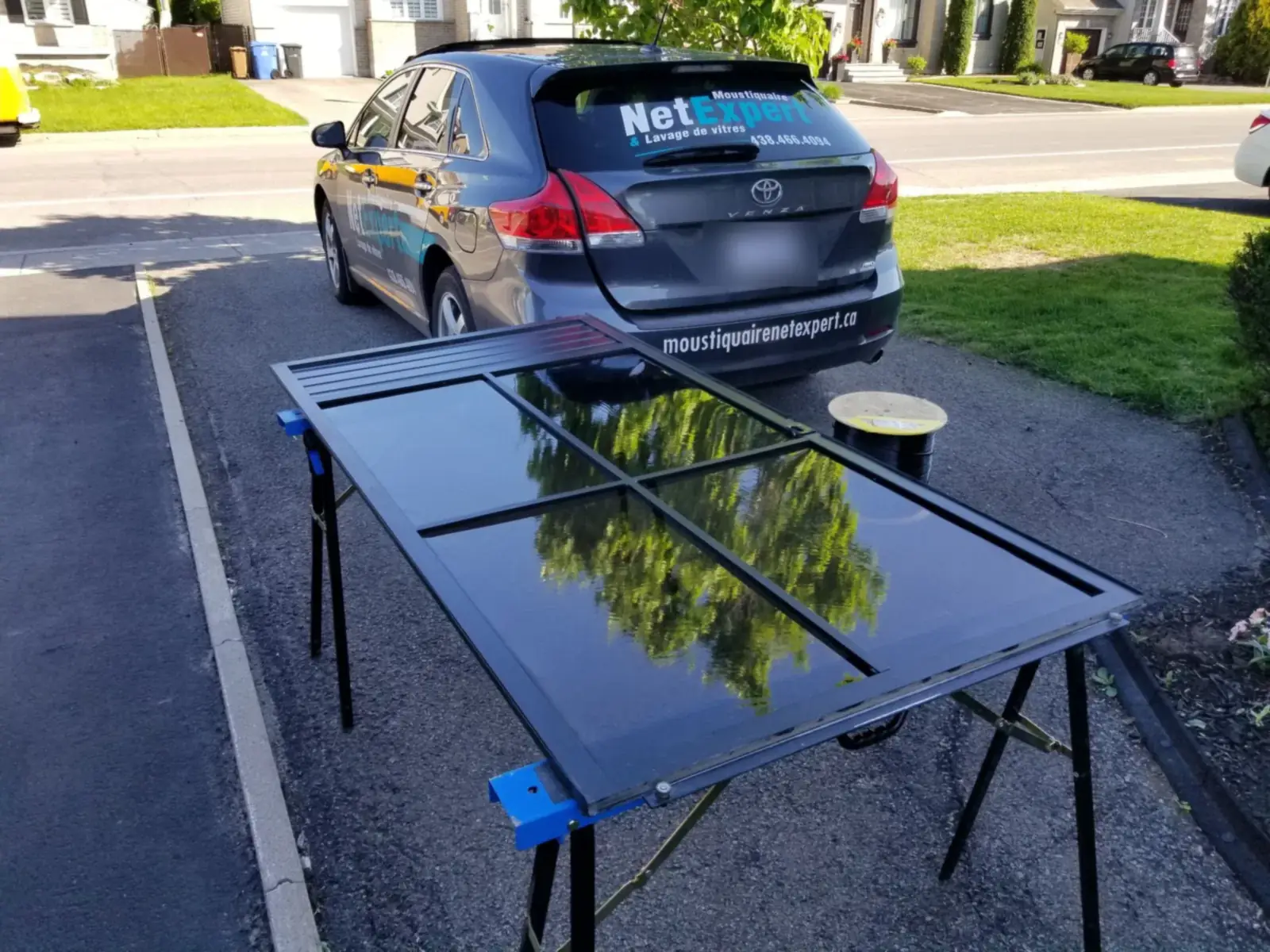 Gazebo · MICA
Screen panels and clear MICA vinyl, replaced on site.
Clear prices
Most companies in this trade publish no prices at all. Here are ours, as starting prices — the exact amount depends on size, mesh type and how many units per visit; the free quote sets it.
From$30per screen
From$30per screen
From$40per screen
From$120per screen
From$500per door
The price depends on the panel count and the vinyl: set on site.
A $125 travel fee applies to every visit, whatever the number of screens — it is shared across all your items, which is why grouping them pays.
$125
Grouping several screens in one visit brings the price of each one down: the travel fee is shared. An exact quote is free and reaches you promptly.
1-year warranty on fabrication and installation. Damage caused by the client is not covered. Payment: Visa, MasterCard, Interac, Bank transfer.
Any price provided is strictly a summary estimate. If work must be added once on site, prices will be adjusted — and always explained before we start.
Not all mesh is equal, and the right one depends on your window, your pets and your surroundings. We carry all four types in the vehicle — the choice happens at your home, not in a store.
Ten kinds of damage, one answer
If your screen looks like any of these, it can be repaired. Tap one to request a quote for that exact damage. We rarely replace a whole frame — in most cases only the mesh needs redoing.
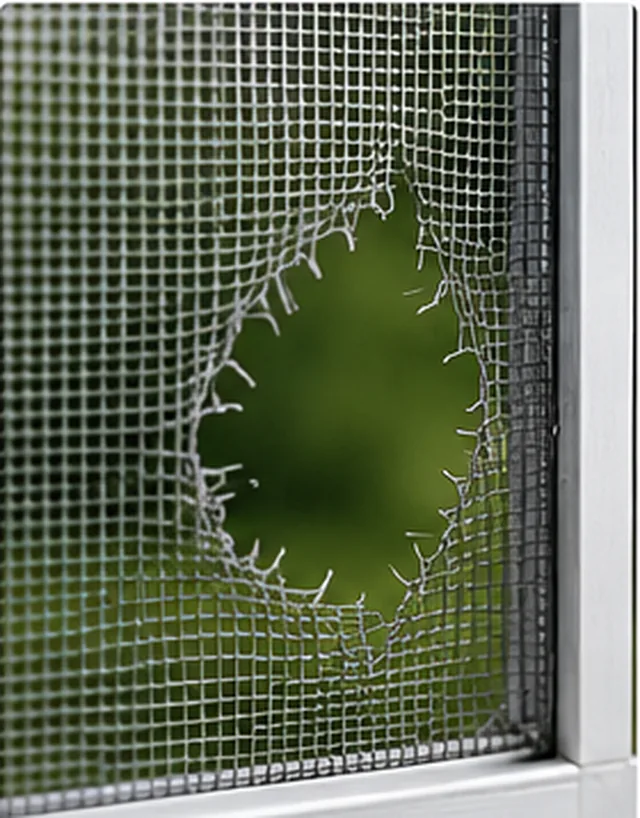 Mesh
Mesh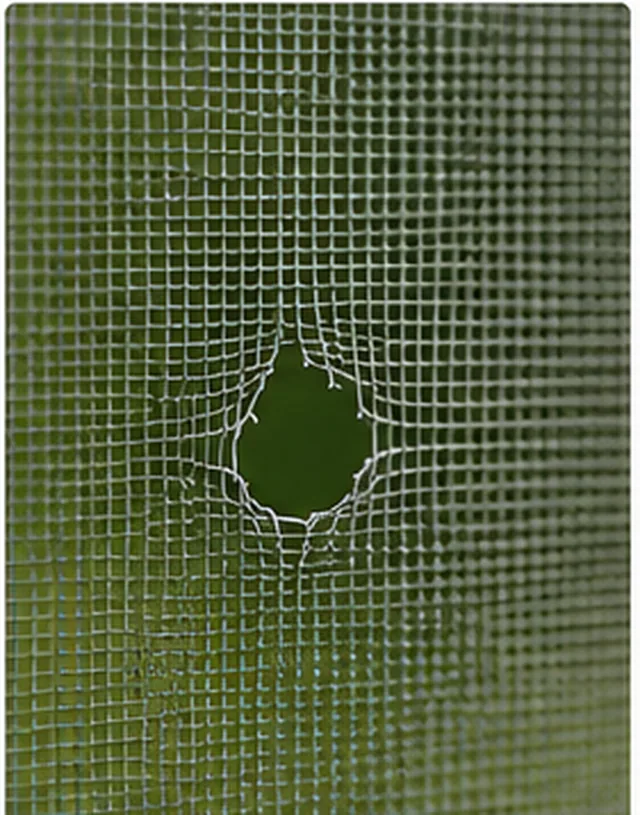 Mesh
Mesh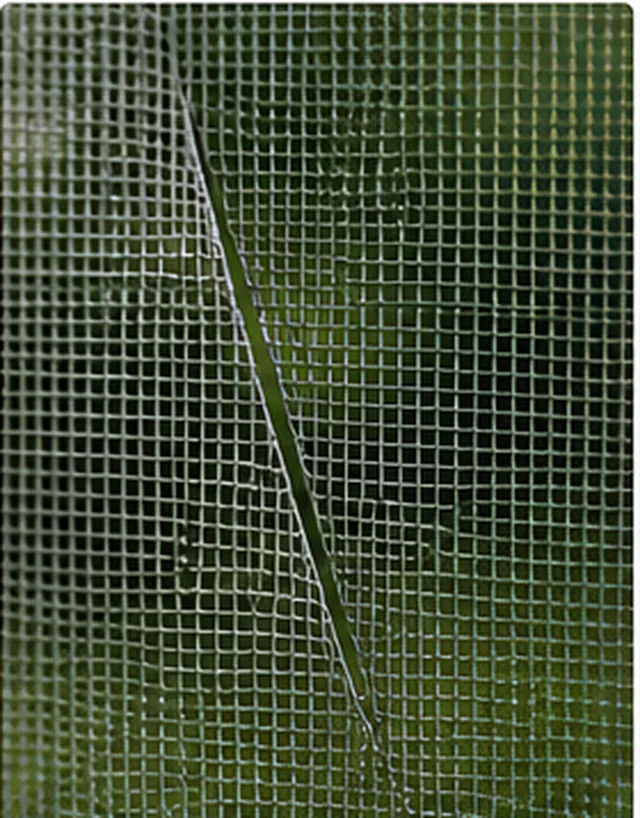 Mesh
Mesh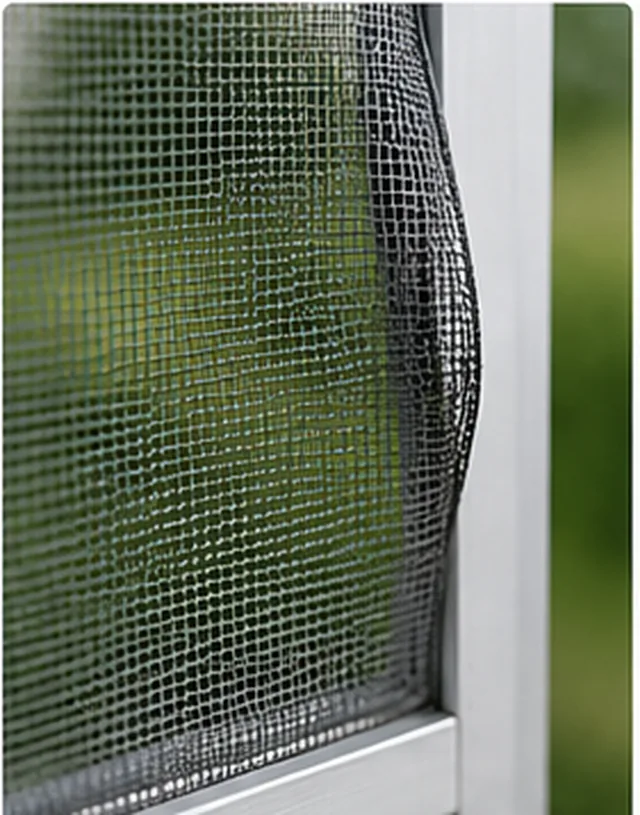 Mesh
Mesh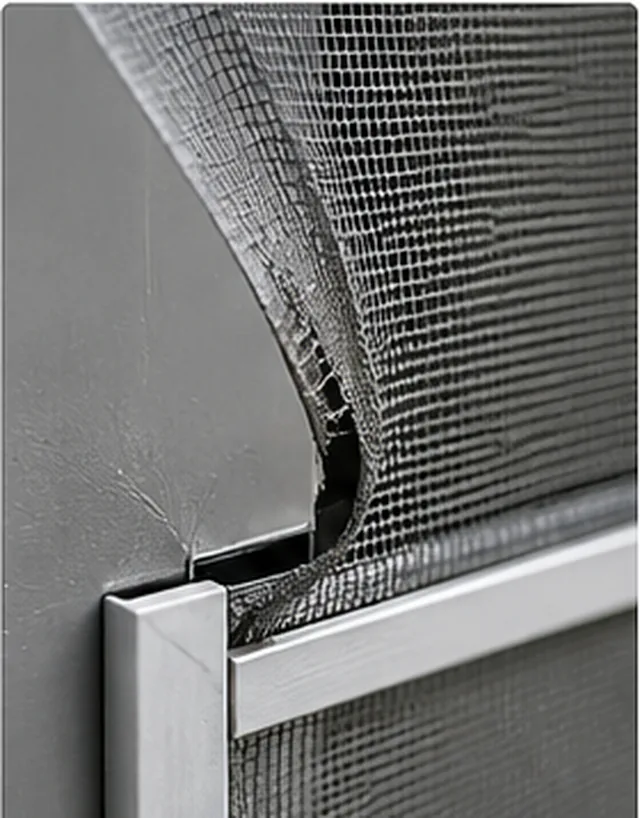 Mesh
Mesh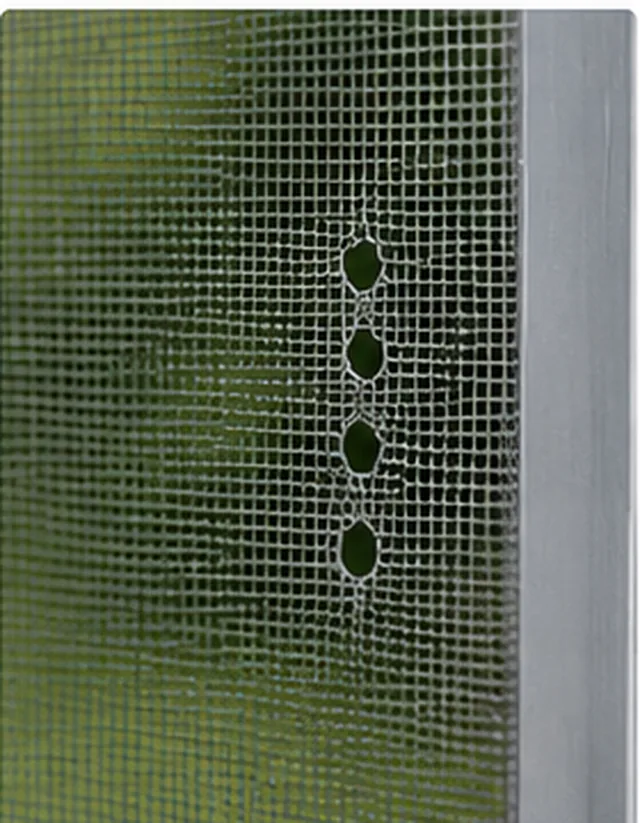 Mesh
Mesh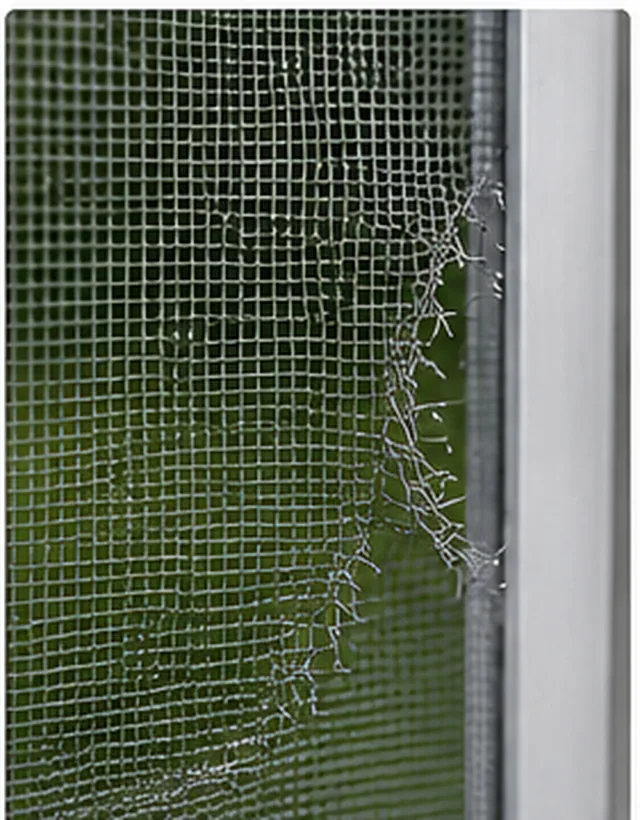 Mesh
Mesh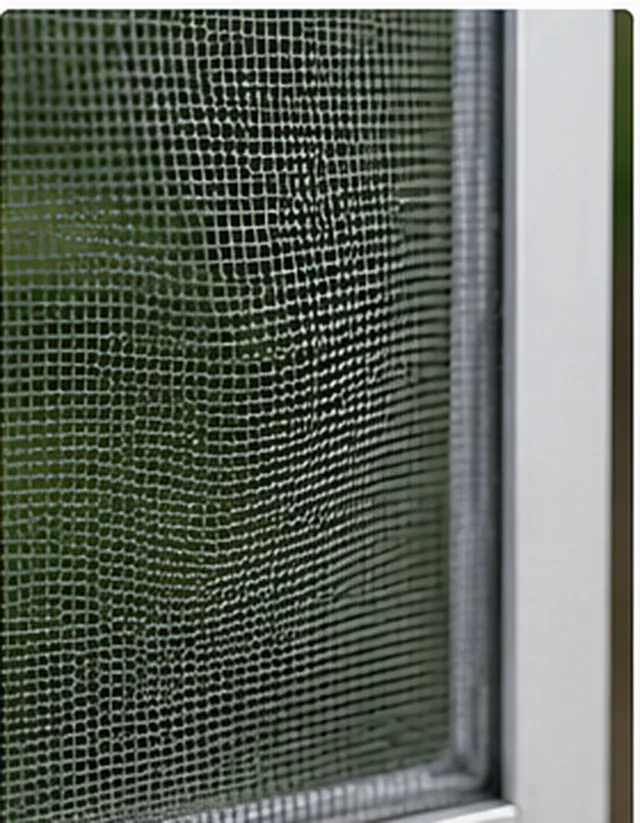 Mesh
Mesh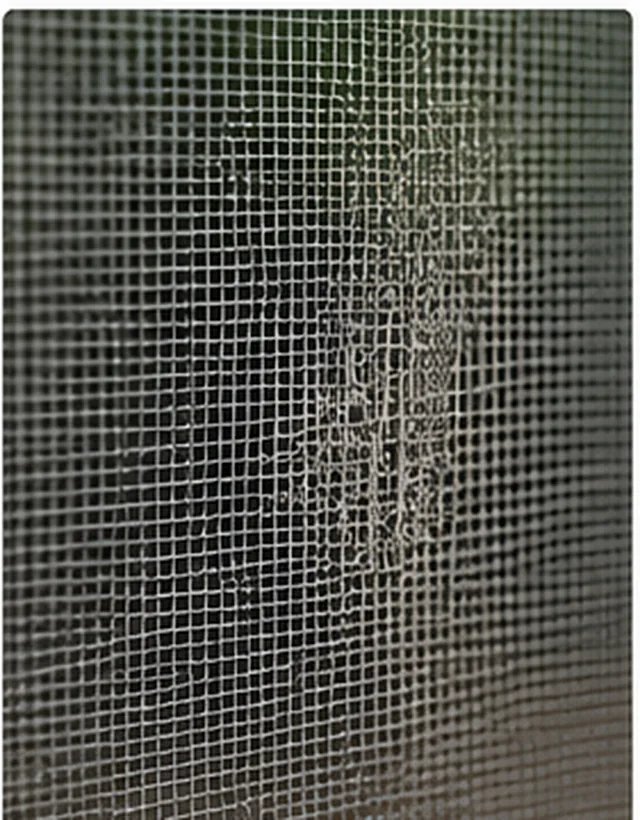 Mesh
Mesh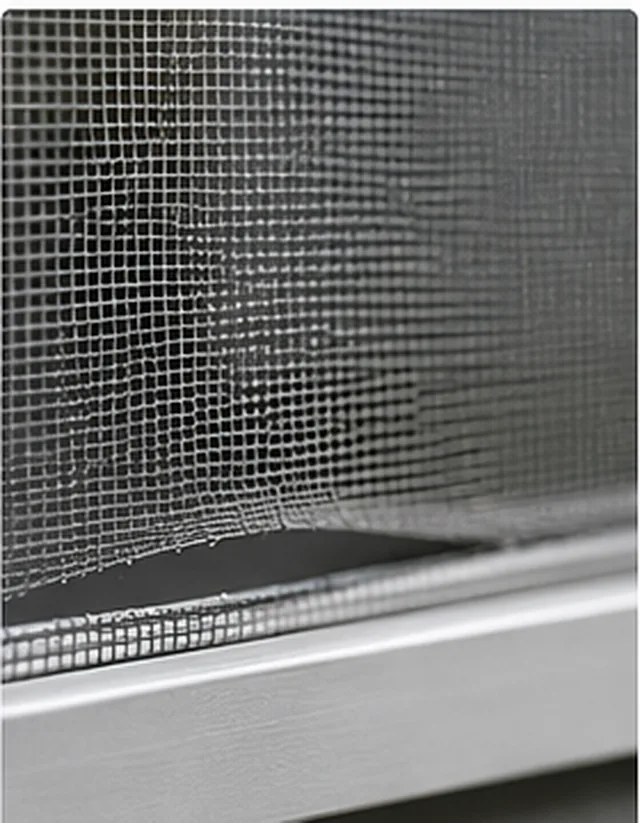 Frame
FrameThree steps
By phone or through the form. A photo helps but is not required.
We give you a time window for Rosemont–La Petite-Patrie, not a whole day.
We remove, repair and reinstall. You pay once you have seen and approved the work.
Patio doorGazebo · MICADo you manage a building or a business in Rosemont–La Petite-Patrie?
Why us
The workshop is in the vehicle: no trips to a store.
5.0from 143 Google reviews
Public and verifiable, on our Google listing.
No windows or doors to sell: we repair what you own.
6 a.m. to 8 p.m., April to October, in French and English.
7+years in the trade
Mesh taut without a ripple, frame square, rollers set.
1 yrwritten warranty
Workmanship and installation. If our work fails, we come back.
« Excellent service. Clear explanations of the work to be done. I really appreciated his dedication: despite the rain he insisted on finishing the job, soaked through and still smiling. The work was very well done. »
« Great service! He was at my neighbour’s and agreed to fix my back screen even though we had no appointment. Very successful repair, and inexpensive! »
« Ludovic replaced my screen in record time. Professional, and with a great sense of humour. I recommend his services — don’t hesitate to contact him, he’ll come to your home and do beautiful work. »
Straight answers
Yes, and it is the normal situation in this neighbourhood. Original double-hungs, PVC casements fitted later, units in assorted sizes: each needs a different handling, but nothing prevents doing them all in one pass. We note what can be rescreened, what needs hardware and what has to be rebuilt to measure, then organize the work flat by flat.
We work from inside. The screens on a duplex or triplex come out from within the flat, which avoids ladder work above a spiral staircase. That means an occupant has to be present for each flat concerned. In a rental building, this is arranged by warning the tenants ahead of the visit rather than discovering it on the sidewalk.
Yes: pet-resistant mesh. Its strand is thicker and stands up to claws, which changes the lifespan of a balcony door used every day. Redoing a mesh a cat has already been through, exactly as it was, means redoing it again next year. On a slider, it is also the moment to check the rollers and clean the track.
Yes. We are a mobile business: we come to your home in Rosemont–La Petite-Patrie, remove the screens, repair them on site and reinstall them before we leave.
Replacing the mesh of a window screen, in its existing frame, starts from $30. The exact amount depends on size, mesh type and how many units you have, and the quote sets it. The more screens in the same visit, the lower the price of each. A $125 travel fee applies to every visit, whatever the number of screens — it is shared across all your items, which is why grouping them pays.
Yes: one year on fabrication and installation. If our work fails, we come back at no charge. Damage caused afterwards is not covered.
Written for Rosemont–La Petite-Patrie
In Rosemont–La Petite-Patrie, it is rare for a building to still have the same window model throughout. The brick duplexes and triplexes built between 1910 and 1950 have had their windows replaced piecemeal over successive renovations, as needs and budgets allowed: an original double-hung can sit beside a newer casement, and one flat may have been redone before the others. The consequence for screens is immediate: within one building there can be several screen types rather than a single one. So you cannot count windows and multiply — each opening has to be looked at and decided on its own, rescreen or rebuild. It also means a plex has to be walked through before an estimate means anything: a count of windows says nothing about how many are original double-hungs and how many were changed later.
The other legacy of this architecture is the façade itself: exterior staircases, balconies on every floor, brick and stacked flats. Front screens therefore work at height, but nearly all of them come out from inside — that is the normal way to handle a triplex, and it avoids ladder acrobatics over a spiral staircase. The original openings, for their part, were never standardized: the period screens still in place have narrow aluminum frames, or wood frames, in sizes no store carries. On those units rescreening is almost always the right call: the frame is still straight, only the mesh has failed, and rescreening it costs a fraction of new fabrication to the same peculiar measurements. It is also why two neighbouring windows in one building can need two completely different repairs on the same day, one a quick rescreening and the other a full rebuild.
The two dominant front-façade types call for different handling. On a double-hung, the screen sits between the two sashes and covers only the operating half — that is intentional, otherwise the sash could not slide. On century-old wood the rabbet is no longer parallel: mesh pulled too tight bows the frame and makes it bind, slack mesh leaves a gap along one side. On a casement, the screen is interior, held by clips, and lifts out from inside the flat: out it comes, rescreened in its own frame, back it goes, without ever touching the window. When a frame does have to be rebuilt, aluminum is the better choice in an older opening — it stays straight where fresh wood would swell in humid weather and begin to bind, which is exactly when the screen is wanted most.
Then there are the balcony doors, one per flat in many triplexes. Where they have been replaced with a slider, they behave exactly like a patio door: the mesh goes slack, the rollers pack with street dust and the track fills up. We change the rollers and clean the track at the same time as the mesh; doing one of the three just books a return visit. Finally there is the case of units bought at a store by a previous occupant, taken in the nearest available size rather than the real dimensions of the opening. They hold by friction and by luck, leave a gap on one side, and eventually end up in the yard. On those openings the only durable answer is a screen built to measurements taken on site.
The real constraint here is access, and it comes in two parts. First height: in a triplex, two flats out of three are upstairs, and their screens come out from inside — so someone has to open the door. Second occupancy: many of these buildings are rentals, and the owner ordering the work is not the person living behind the window. A visit is prepared by warning the tenants: without access to the flats, only the ground-floor screens can be handled. The third point is more mundane: an exterior spiral staircase makes ladder work needlessly risky, which confirms the same method — go in, take the screen out, repair it, put it back. A whole building goes very well in a single pass, provided the doors open.
The neighbourhood is dense and hard-surfaced: brick, asphalt, back yards hemmed in between buildings. Screens here take two things above all. Sun first: a south wall with no tree cooks the mesh, and standard fibreglass turns brittle within a few seasons where aluminum holds up considerably better. Street dust second, which builds up in slider tracks and seizes the rollers long before the mesh gives out. On the balconies, where people eat in summer, a tight weave is worth it if evening mosquitoes are ruining the meal; and if a cat goes out on the balcony, pet-resistant mesh saves redoing the same door every year.