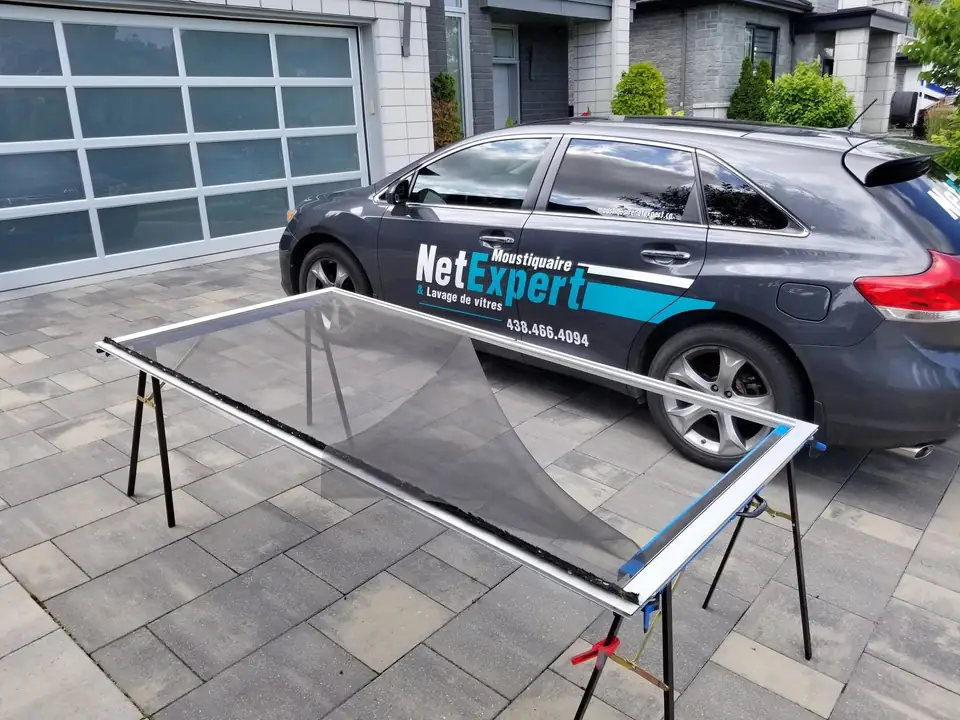
Screen rescreening (window)
From$30per screen
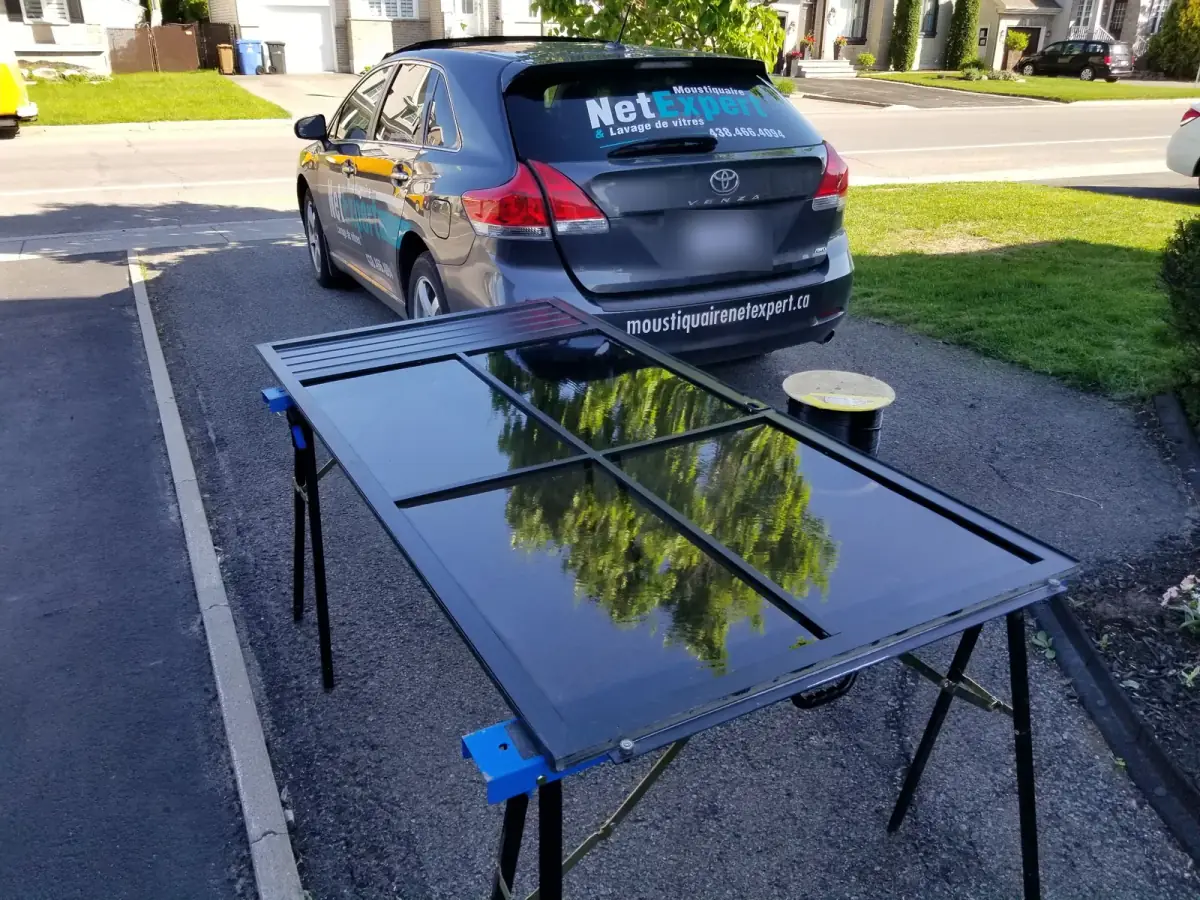
From Brossard, across Greater Montréal
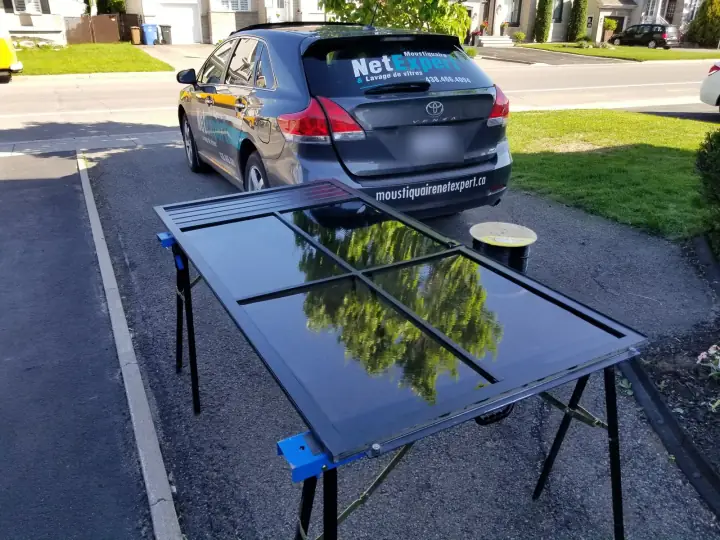
Mobile on-site service in Mont-Royal and nearby. Mesh, rollers, frames, patio doors.
Three questions are enough to start. The official measurement is taken on site.
Six services, one trade
One trade, done properly. We don’t sell windows — we repair window screens, and that is all we do.
 Repair
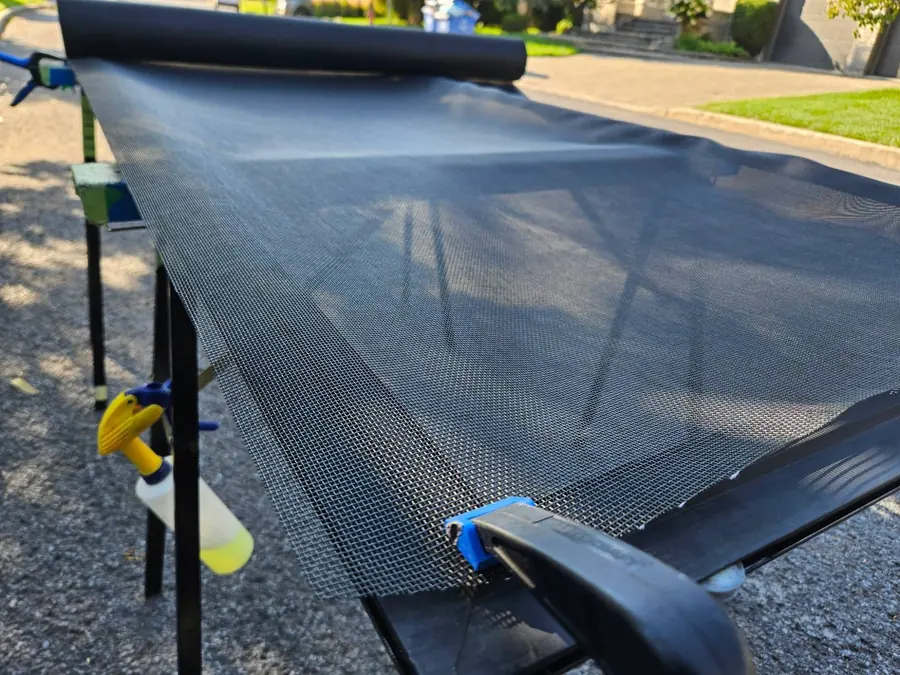
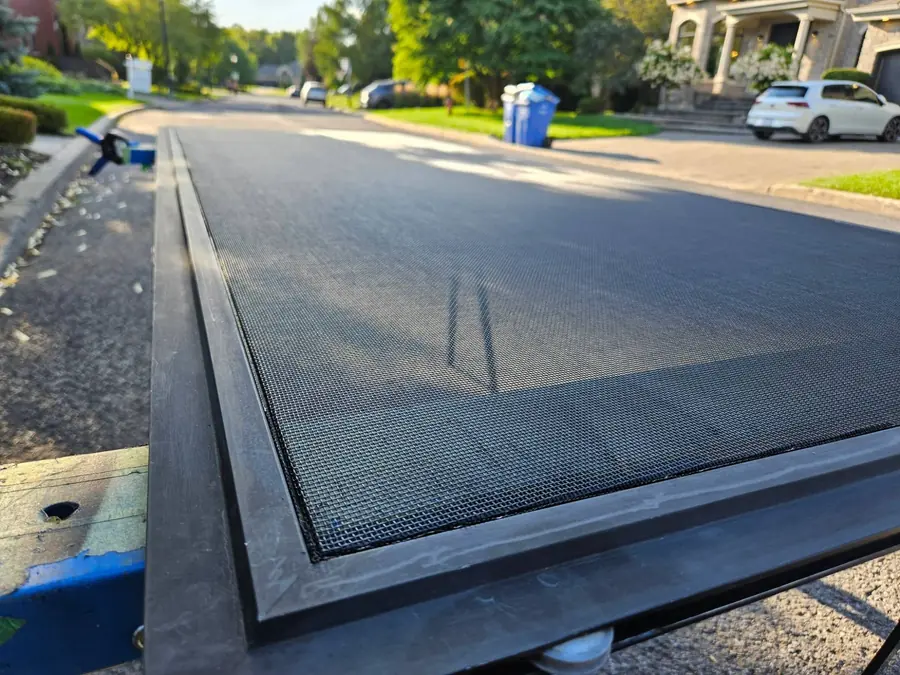
Torn, punctured or sagging mesh, replaced in your existing frame.
 Repair
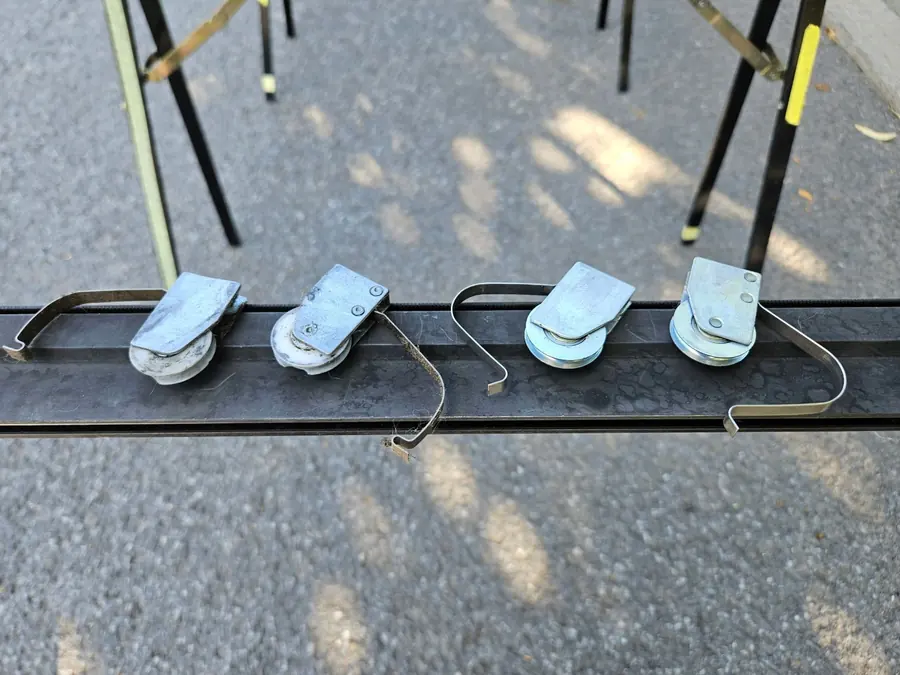
A screen that sticks, jumps the track or no longer closes.
 Repair
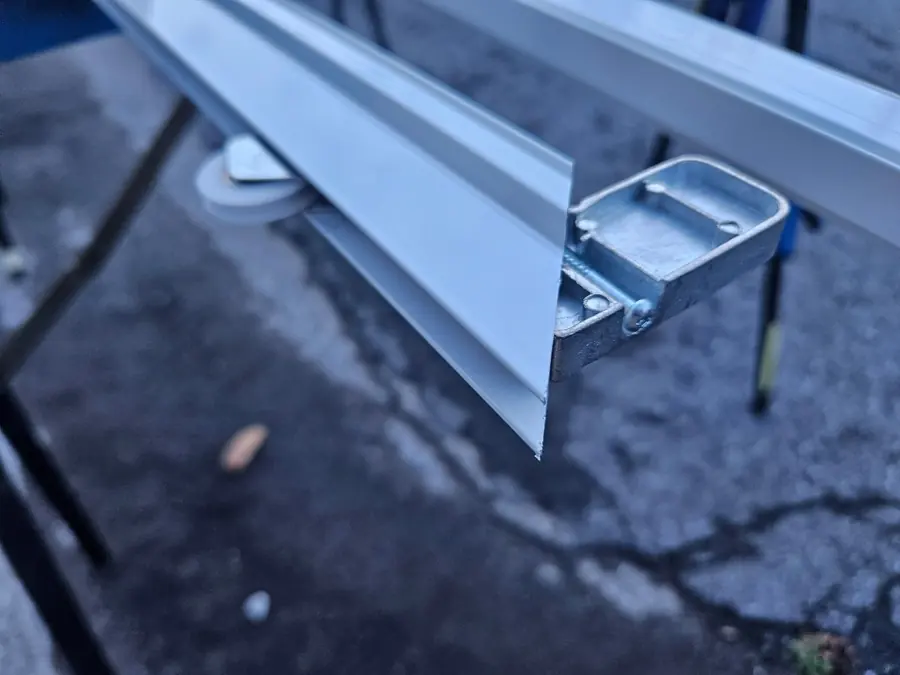
Bent frame, separated corner, split moulding.
 Repair
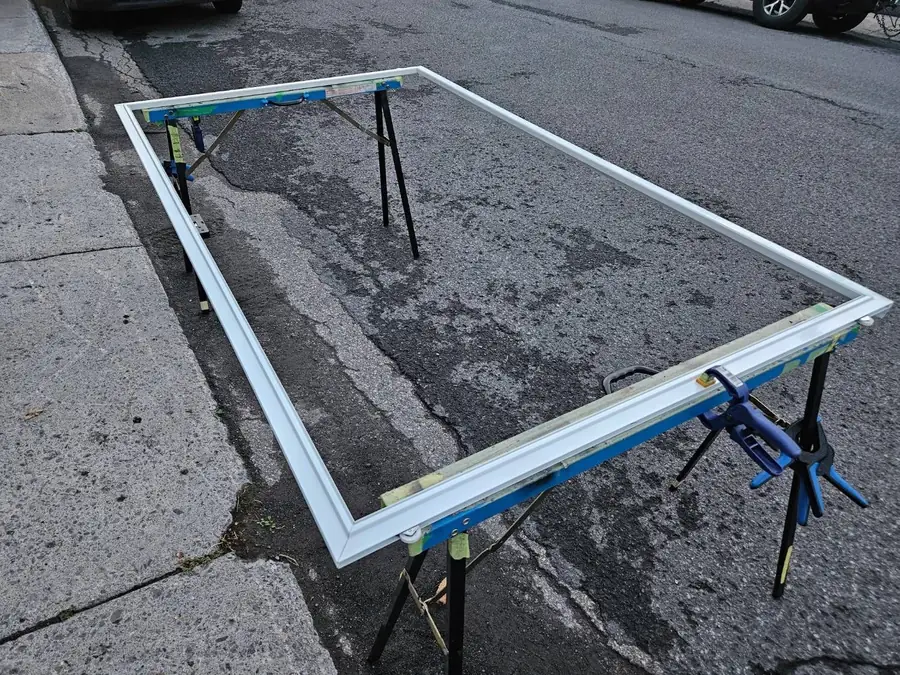
A missing screen, or an opening with no original to copy.
 Patio door
The part that breaks most often, and gets used most.
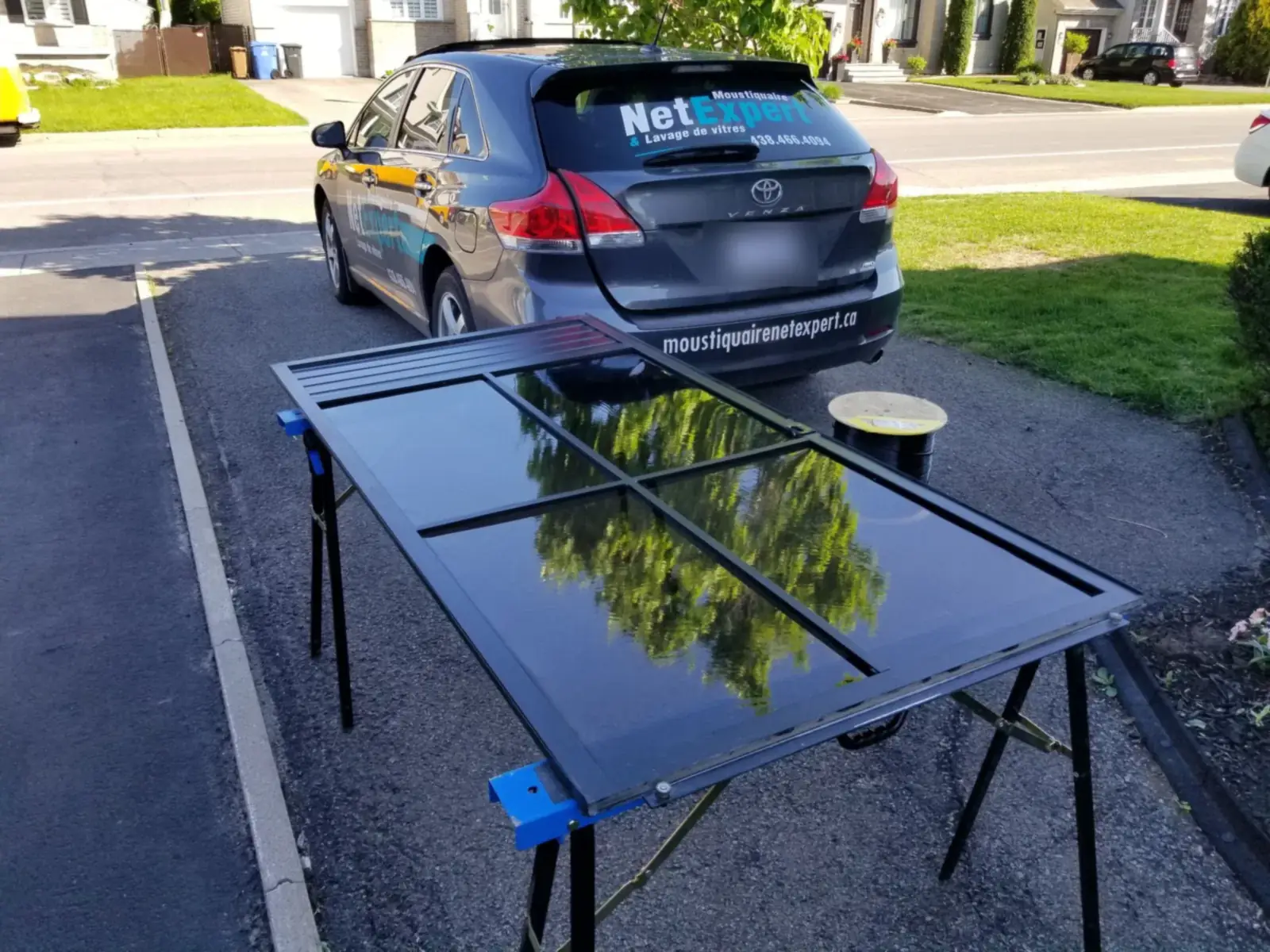 Gazebo · MICA
Screen panels and clear MICA vinyl, replaced on site.
Clear prices
Most companies in this trade publish no prices at all. Here are ours, as starting prices — the exact amount depends on size, mesh type and how many units per visit; the free quote sets it.
From$30per screen
From$30per screen
From$40per screen
From$120per screen
From$500per door
The price depends on the panel count and the vinyl: set on site.
A $125 travel fee applies to every visit, whatever the number of screens — it is shared across all your items, which is why grouping them pays.
$125
Grouping several screens in one visit brings the price of each one down: the travel fee is shared. An exact quote is free and reaches you promptly.
1-year warranty on fabrication and installation. Damage caused by the client is not covered. Payment: Visa, MasterCard, Interac, Bank transfer.
Any price provided is strictly a summary estimate. If work must be added once on site, prices will be adjusted — and always explained before we start.
Not all mesh is equal, and the right one depends on your window, your pets and your surroundings. We carry all four types in the vehicle — the choice happens at your home, not in a store.
Ten kinds of damage, one answer
If your screen looks like any of these, it can be repaired. Tap one to request a quote for that exact damage. We rarely replace a whole frame — in most cases only the mesh needs redoing.
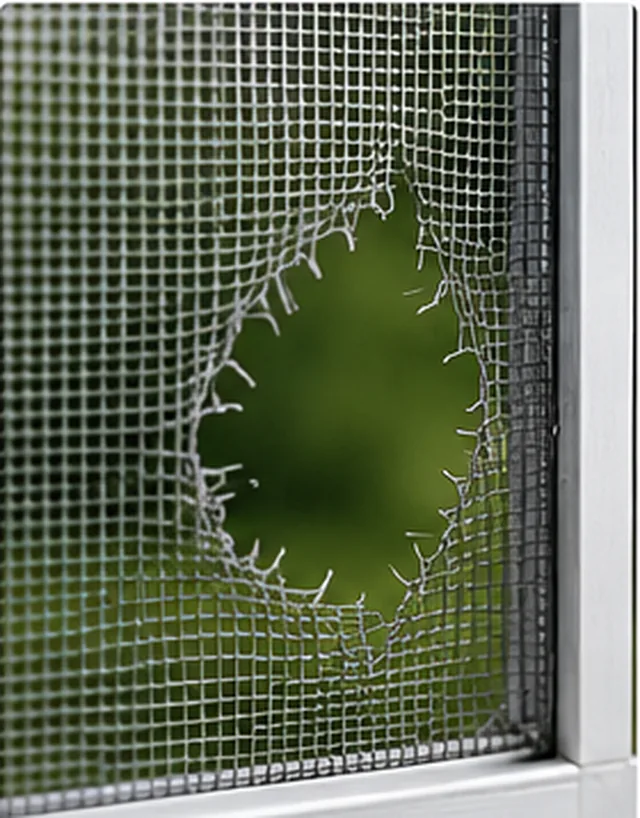 Mesh
Mesh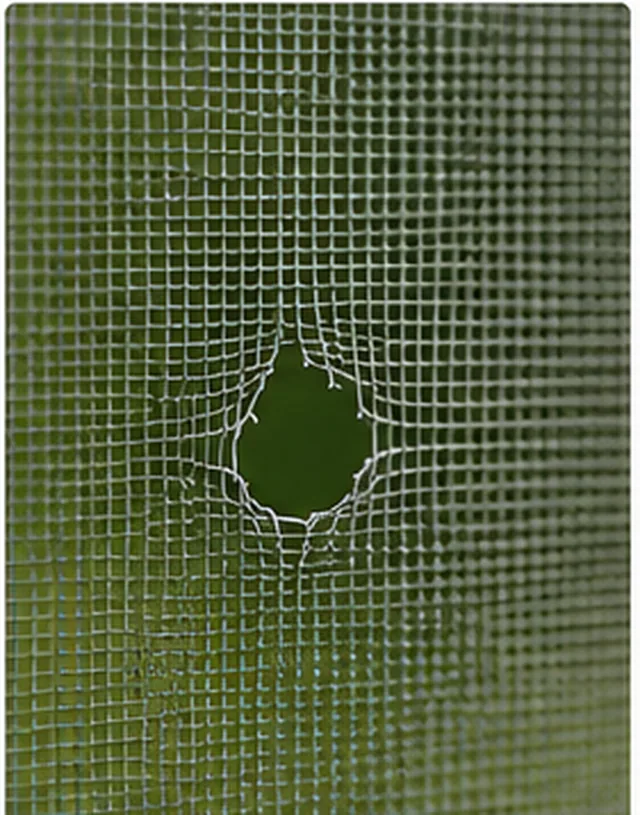 Mesh
Mesh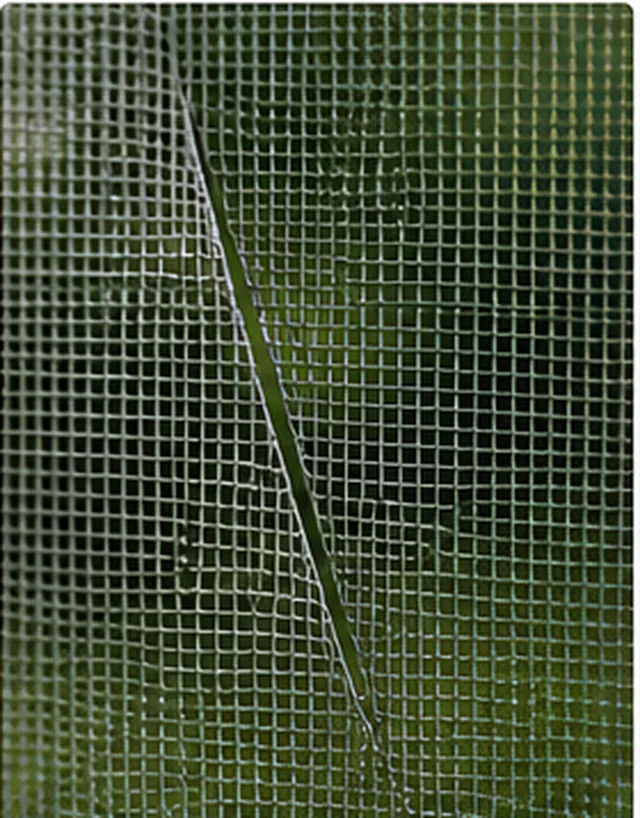 Mesh
Mesh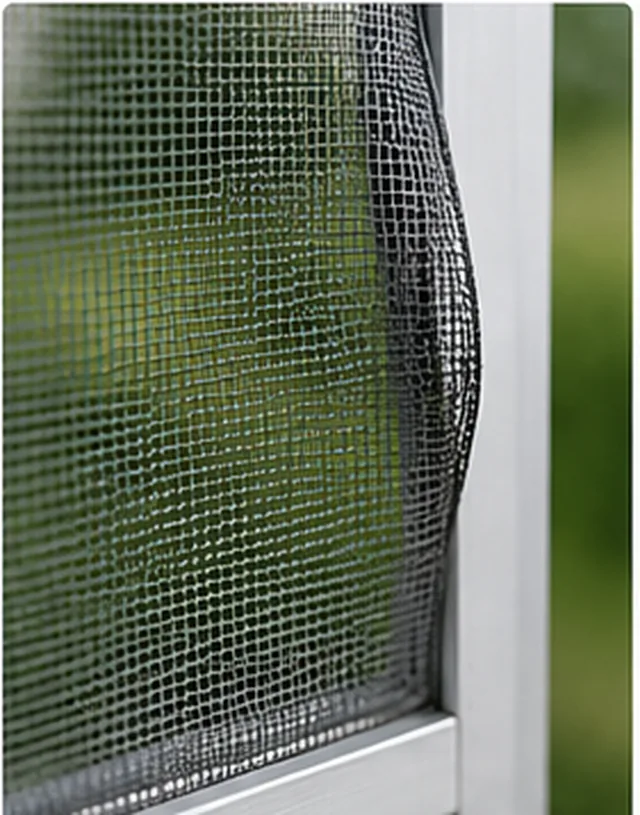 Mesh
Mesh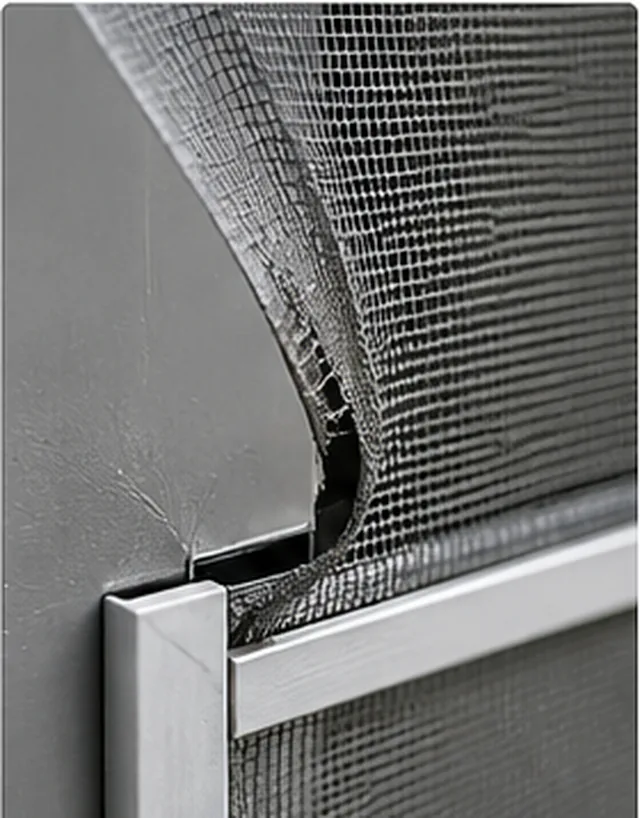 Mesh
Mesh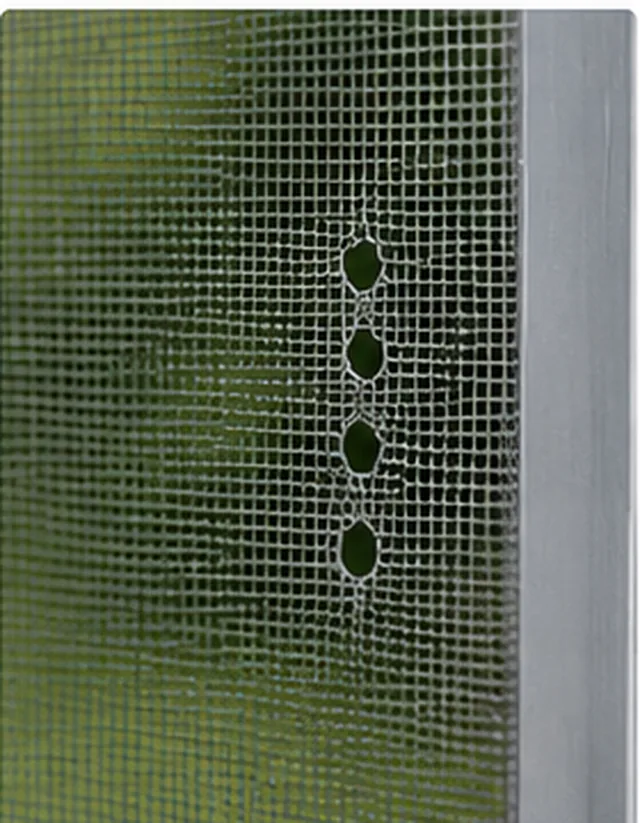 Mesh
Mesh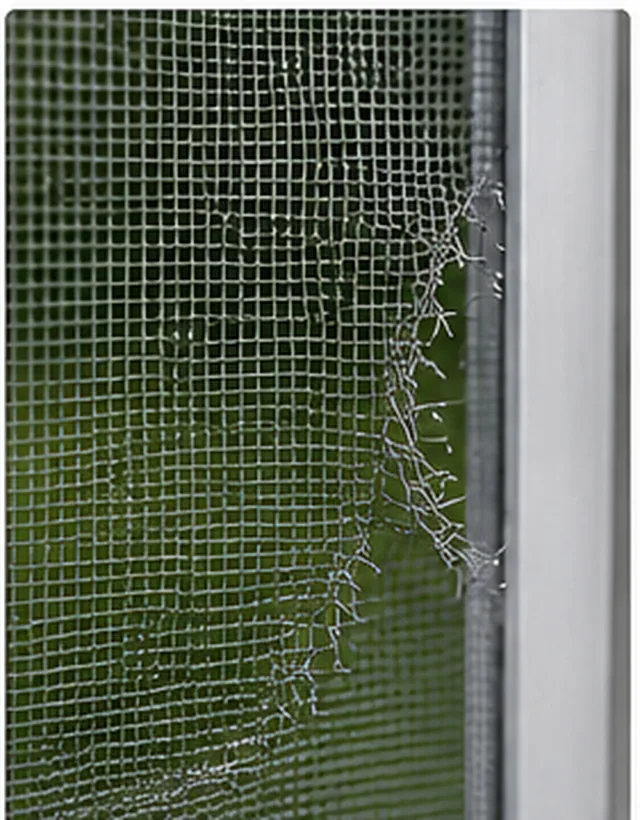 Mesh
Mesh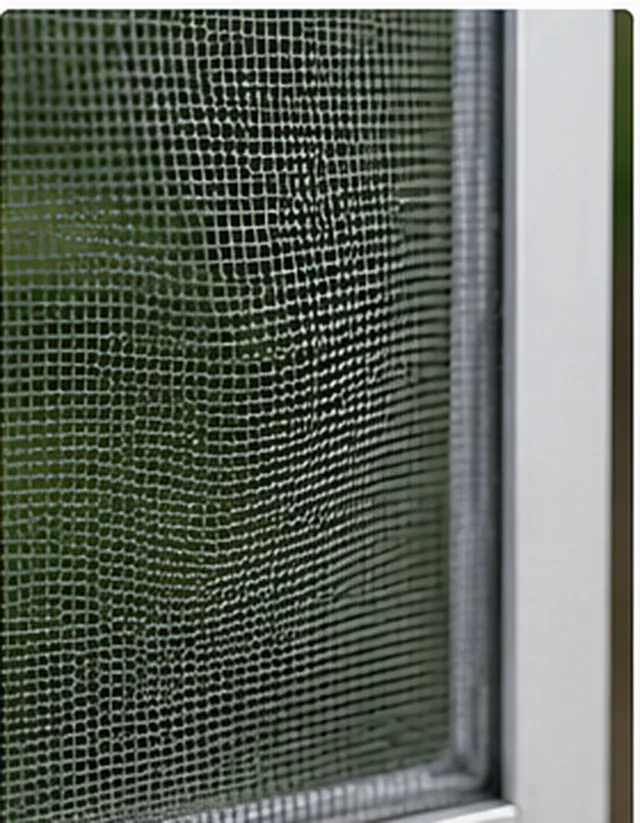 Mesh
Mesh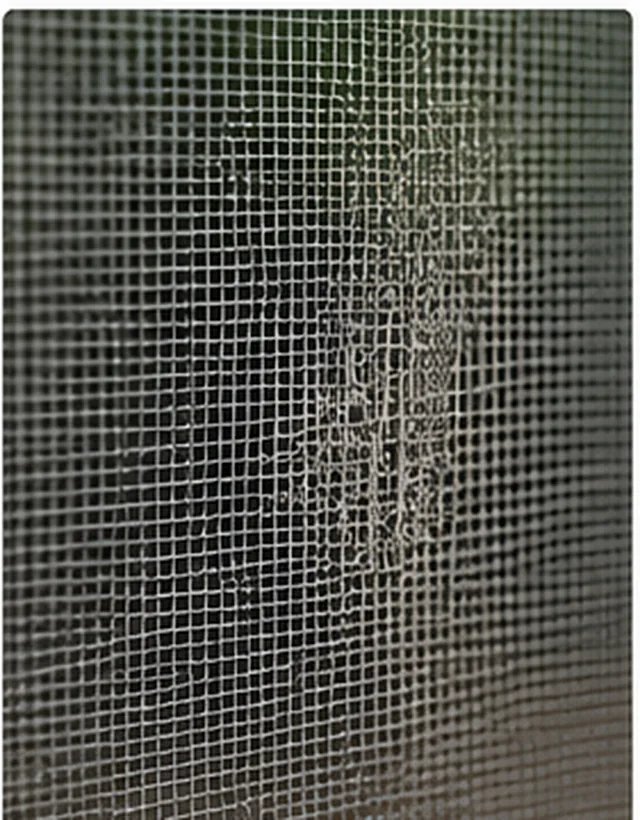 Mesh
Mesh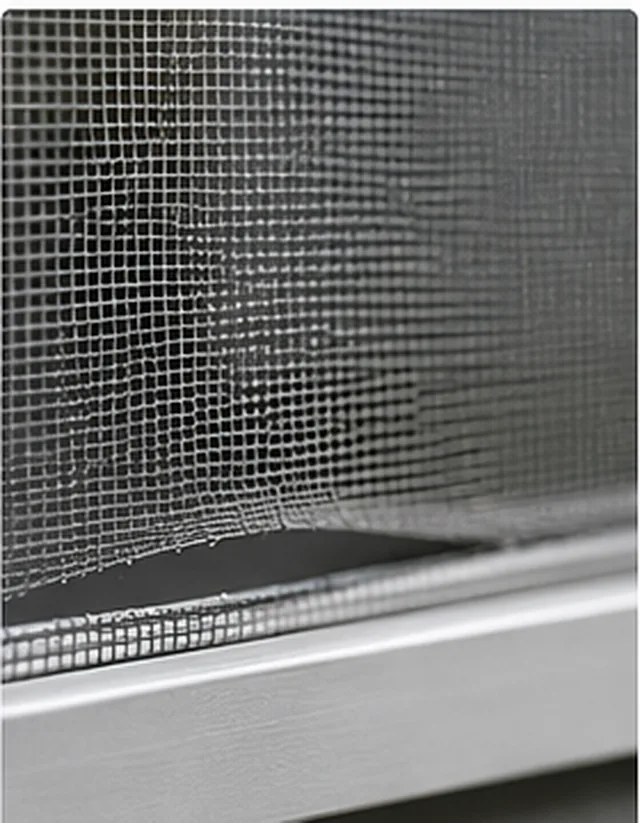 Frame
FrameThree steps
By phone or through the form. A photo helps but is not required.
We give you a time window for Mont-Royal, not a whole day.
We remove, repair and reinstall. You pay once you have seen and approved the work.
Do you manage a building or a business in Mont-Royal?
Why us
The workshop is in the vehicle: no trips to a store.
5.0from 143 Google reviews
Public and verifiable, on our Google listing.
No windows or doors to sell: we repair what you own.
6 a.m. to 8 p.m., April to October, in French and English.
7+years in the trade
Mesh taut without a ripple, frame square, rollers set.
1 yrwritten warranty
Workmanship and installation. If our work fails, we come back.
« Ludovic replaced my screen in record time. Professional, and with a great sense of humour. I recommend his services — don’t hesitate to contact him, he’ll come to your home and do beautiful work. »
« Excellent service. Clear explanations of the work to be done. I really appreciated his dedication: despite the rain he insisted on finishing the job, soaked through and still smiling. The work was very well done. »
« Great service! He was at my neighbour’s and agreed to fix my back screen even though we had no appointment. Very successful repair, and inexpensive! »
Straight answers
On a double-hung, yes. Only the part that opens — usually the lower half — needs to be screened, and the screen sits between the two sashes. That is the original arrangement on many Mont-Royal houses from the 1920s to the 1950s. A full-height screen on that type of window would block the sash and hide the upper panes.
Rarely. The narrow profiles used before 1975 aren't sold any more, but the frame itself is often still straight — it's the mesh that failed. Rescreening in the existing frame keeps the exact size of the opening and the look of the façade. Replacement only becomes necessary when the aluminum is broken at the mitre, or the wood is split too badly to hold the spline.
Yes, and it's the most common job in this trade. On a wide patio door the wear almost always starts in the rollers and the track rather than the mesh. The track gets cleaned, the rollers replaced, and the mesh re-tensioned or redone in the frame. If the frame has been pushed out of true over the years, it can often be straightened on the spot.
Yes. We are a mobile business: we come to your home in Mont-Royal, remove the screens, repair them on site and reinstall them before we leave.
Replacing the mesh of a window screen, in its existing frame, starts from $30. The exact amount depends on size, mesh type and how many units you have, and the quote sets it. The more screens in the same visit, the lower the price of each. A $125 travel fee applies to every visit, whatever the number of screens — it is shared across all your items, which is why grouping them pays.
Yes: one year on fabrication and installation. If our work fails, we come back at no charge. Damage caused afterwards is not covered.
Written for Mont-Royal
Mont-Royal was drawn before it was built. The garden city planned from 1912 produced a town of rare consistency: single-family brick houses from the 1920s through the 1950s, English cottage or Tudor in style, set along curved, planted streets. For screen repair that consistency has one direct consequence — the windows resemble each other from house to house, but nearly all of them belong to a generation that no longer exists in stores. You find casements and divided-light double-hungs, with original screens mounted in narrow frames of wood or thin aluminum, in sizes that were never standardized. On these houses the question is not which model to buy, because there isn't one. It is whether the existing frame is still straight. If it is, putting new mesh in it is both the simplest fix and the one that leaves the façade alone.
Alongside that original stock, the town has recent high-end rebuilds, sometimes right next door to a 1930 cottage. Those houses play a different game: large openings, generously sized casements, patio doors and occasionally window walls whose screens, where they exist, are bigger and heavier than anything on a period house. The work changes character. On a large casement or patio screen, mesh tension and frame rigidity are what matter: mesh left too slack on a big span ripples in the wind and works its way out of the spline groove. A partial renovation often leaves both situations in the same house — period screens to save upstairs, oversized recent ones to re-tension on the main floor.
The casement is the window that surprises new owners most: its screen is on the inside, not outside. It comes off with two or four latches, from within the room, and that is exactly what makes the job straightforward — unclip it, pull the spline, stretch new mesh, put it back, no ladder and nothing touched on the window itself. The divided-light double-hung of the 1920s to 1950s works differently: the screen sits between the two sashes and covers only the operating portion, usually the lower half. Many owners think theirs is incomplete or badly fitted; it is normal. On that format an aluminum frame beats a wooden one — it stays straight in its track year after year, and the upper panes stay visible from the street because the screen only covers the bottom.
On recent rebuilds and rear additions, the patio door takes over and concentrates the wear. Its screen slides every day on rollers that flatten long before the mesh fails: the door catches, you push, the frame goes out of true and eventually jumps the track. Cleaning the track, replacing the rollers and re-tensioning the mesh settles the large majority of these, on site. Big casement screens fail differently: the mesh goes slack in the middle, forms a pocket and lets go at one corner. There, re-tensioning properly in the existing frame beats replacing it, provided the aluminum hasn't been bent. A frame that is merely out of true can often be straightened; one broken at the mitre cannot.
Mont-Royal's difficulty is as much visual as technical. In a town laid out from a single plan the façades answer each other, and one new screen in a slightly different white, or in a wider frame than its neighbours, is noticeable from the street. That is the strongest argument for rescreening on period houses: keeping the original frame keeps the line of the window. The other difficulty is supply. The narrow frame profiles used on screens from the 1920s to the 1950s are no longer carried by retailers, and a house of that era rarely has two identical openings. When a frame really is beyond saving, the replacement is built to measurements taken at the window, opening by opening — never to a catalogue size.
A garden city planted more than a century ago has big trees, and that changes the mesh you want. Mont-Royal's shaded streets hold humidity: mesh dries more slowly there, soils faster and goes slack sooner. For a casement left open all summer under trees, a good-quality fibreglass mesh is enough in most cases. If a cat goes out through the patio door, or climbs the living-room screen, pet-resistant mesh is the only choice that lasts more than one season — claws go through ordinary mesh in the first year.
Many Mont-Royal homeowners prefer English: we serve you in whichever language you choose.