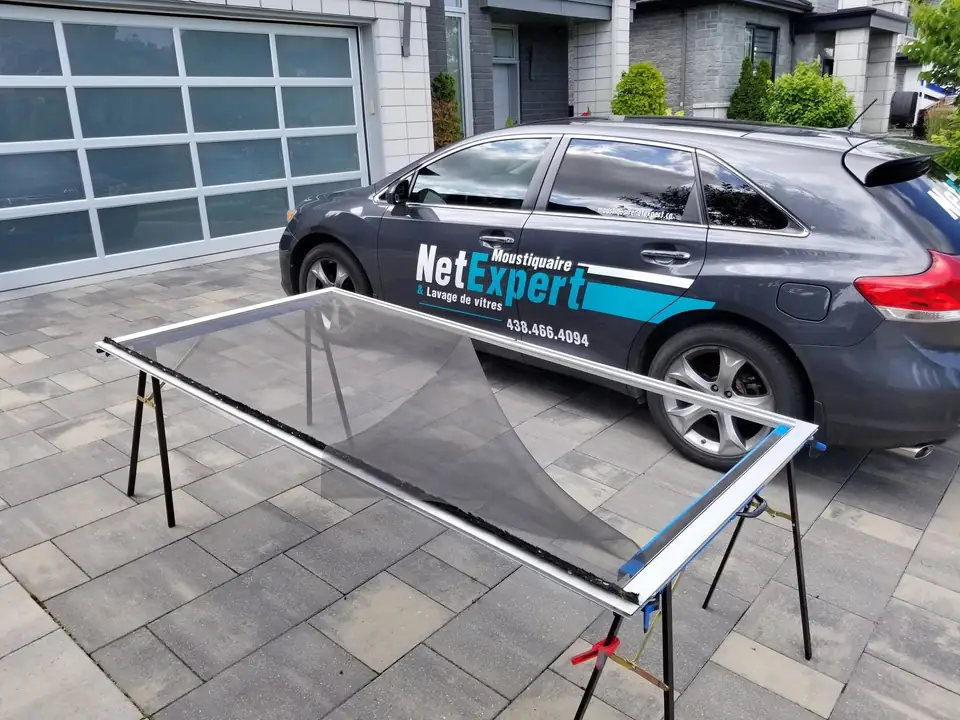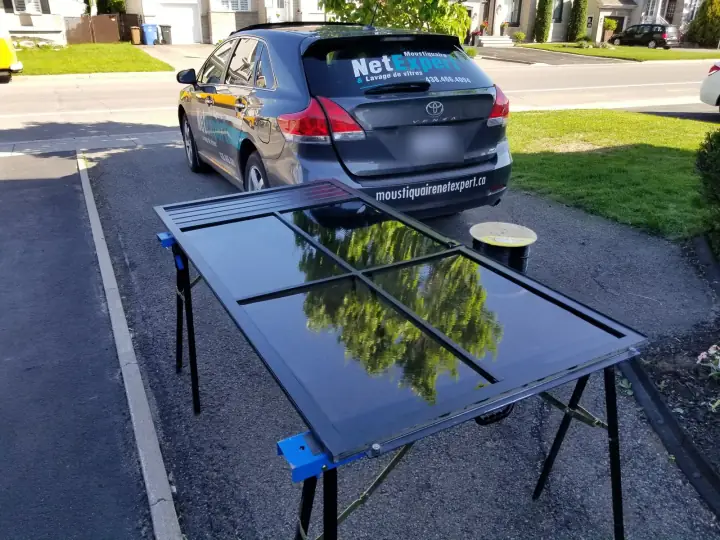
Screen rescreening (window)
From$30per screen
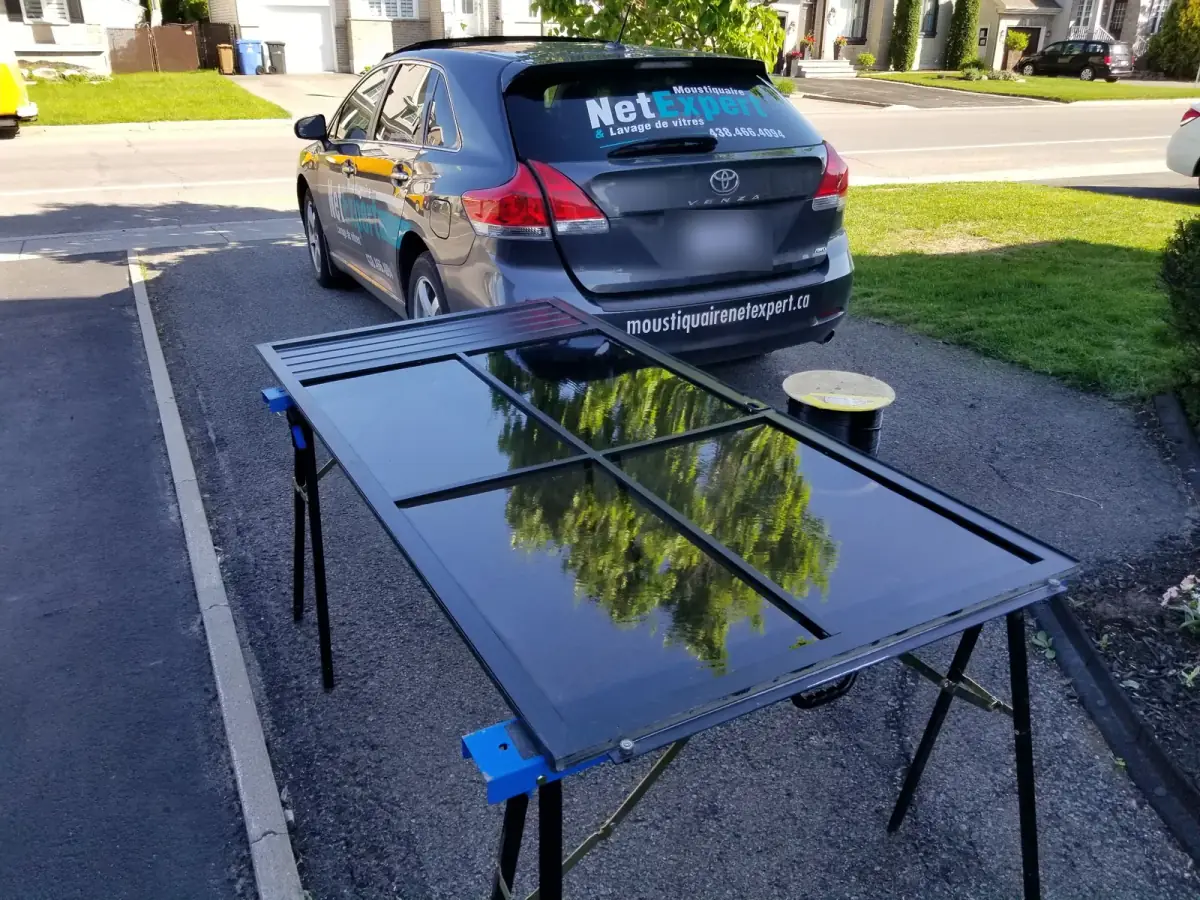
From Brossard, across Greater Montréal
Mobile on-site service in Outremont and nearby. Mesh, rollers, frames, patio doors.
Three questions are enough to start. The official measurement is taken on site.
Six services, one trade
One trade, done properly. We don’t sell windows — we repair window screens, and that is all we do.
 Repair
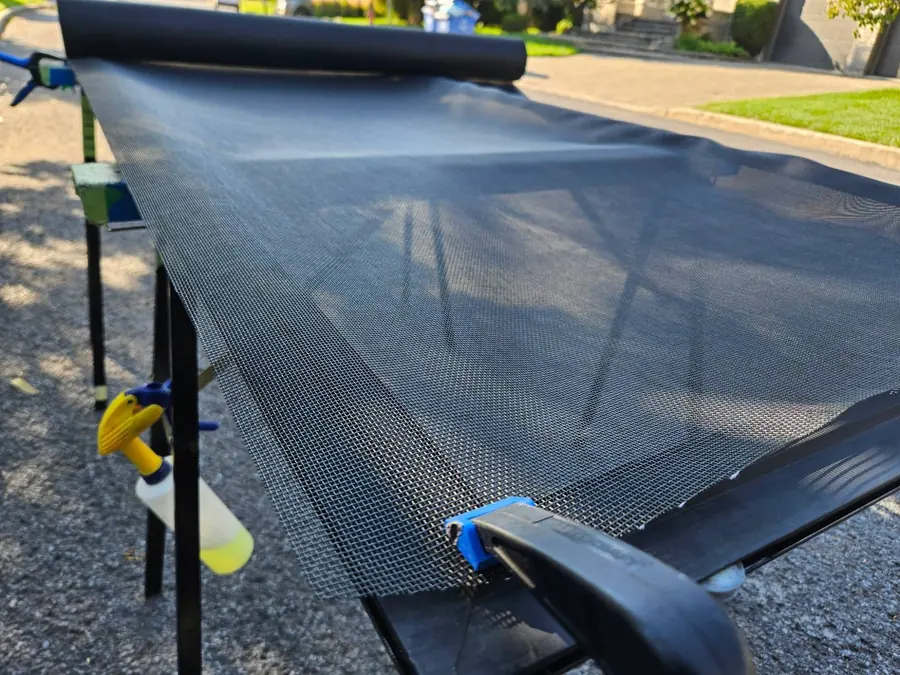
Torn, punctured or sagging mesh, replaced in your existing frame.
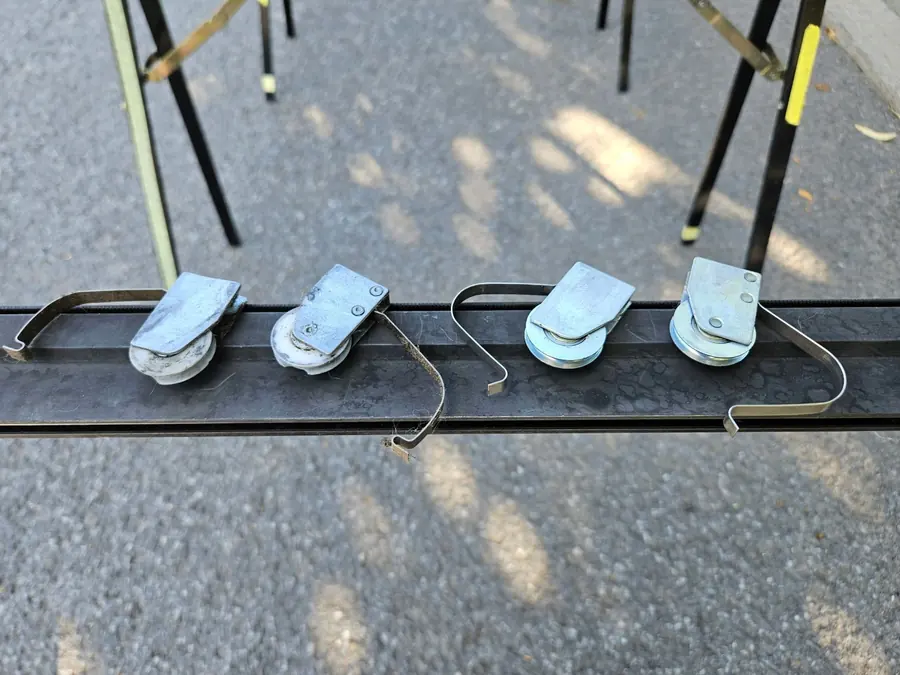 Repair
A screen that sticks, jumps the track or no longer closes.
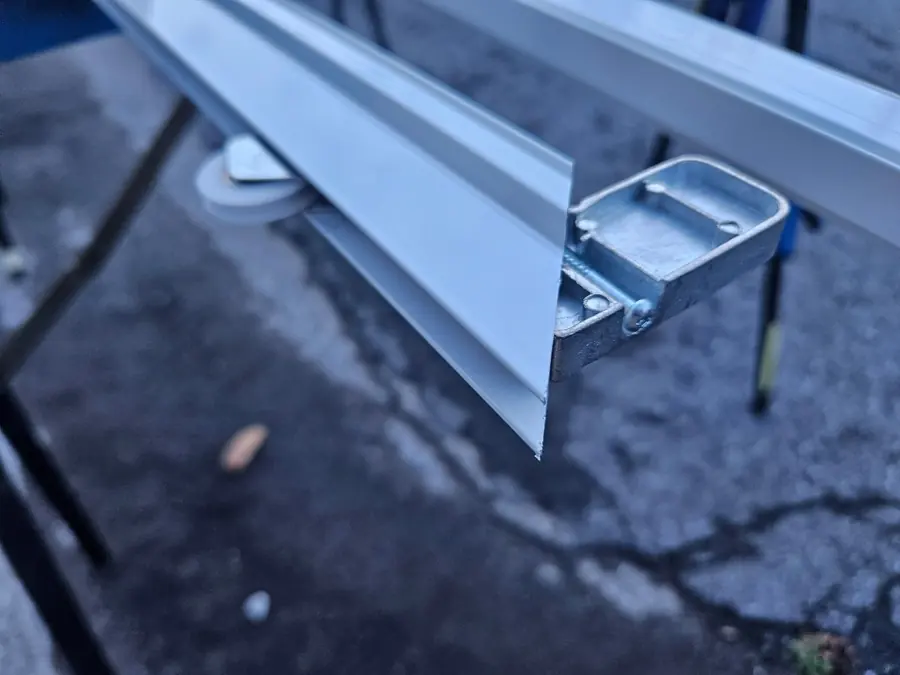 Repair
Bent frame, separated corner, split moulding.
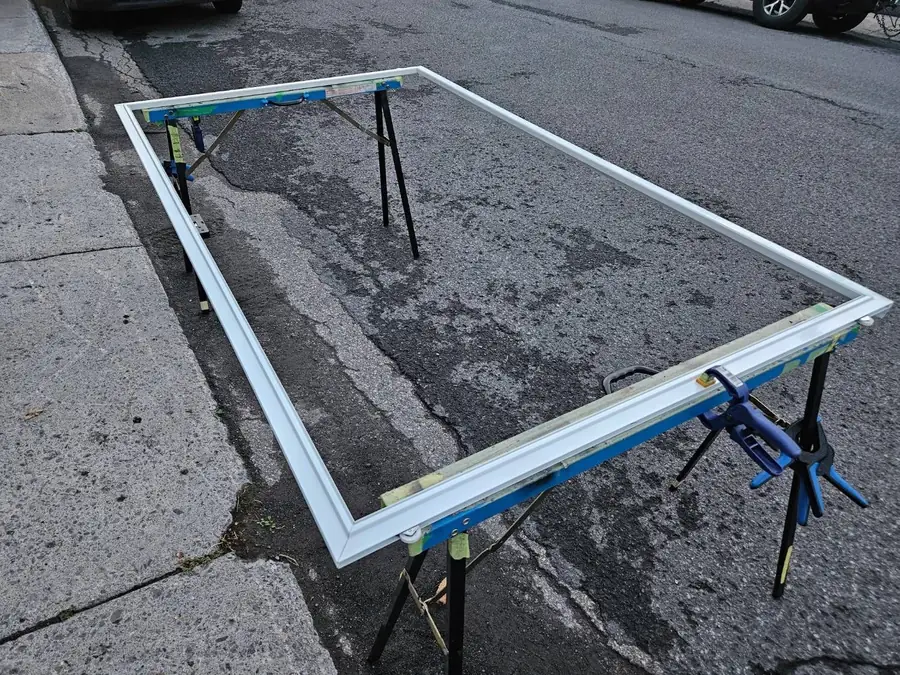 Repair
A missing screen, or an opening with no original to copy.
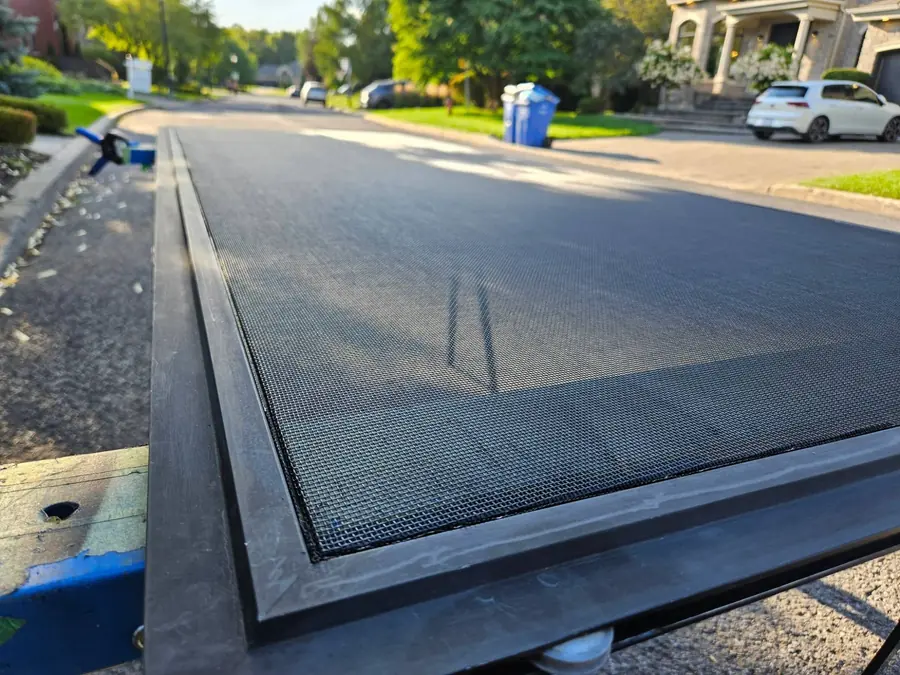 Patio door
The part that breaks most often, and gets used most.
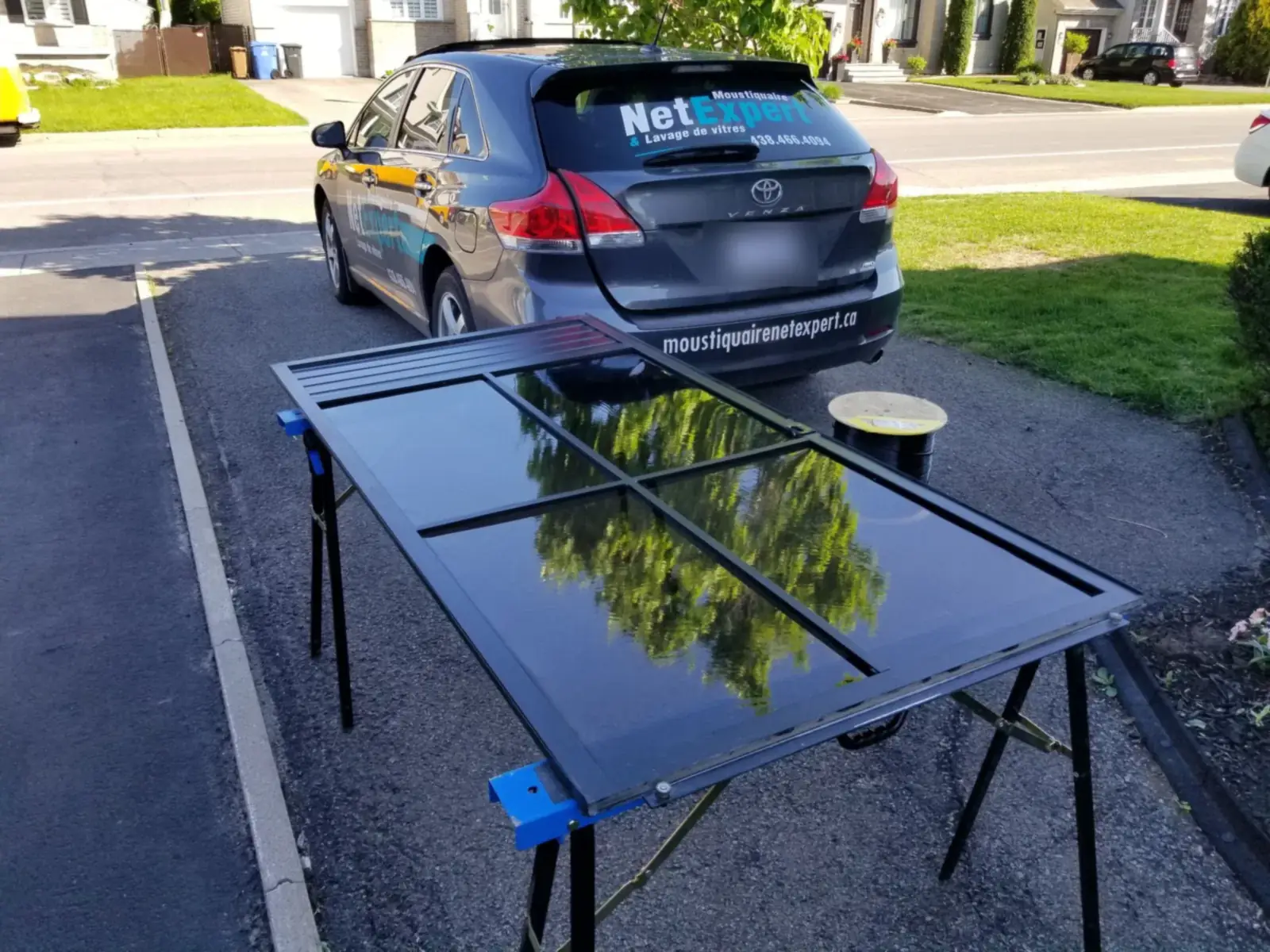 Gazebo · MICA
Screen panels and clear MICA vinyl, replaced on site.
Clear prices
Most companies in this trade publish no prices at all. Here are ours, as starting prices — the exact amount depends on size, mesh type and how many units per visit; the free quote sets it.
From$30per screen
From$30per screen
From$40per screen
From$120per screen
From$500per door
The price depends on the panel count and the vinyl: set on site.
A $125 travel fee applies to every visit, whatever the number of screens — it is shared across all your items, which is why grouping them pays.
$125
Grouping several screens in one visit brings the price of each one down: the travel fee is shared. An exact quote is free and reaches you promptly.
1-year warranty on fabrication and installation. Damage caused by the client is not covered. Payment: Visa, MasterCard, Interac, Bank transfer.
Any price provided is strictly a summary estimate. If work must be added once on site, prices will be adjusted — and always explained before we start.
Not all mesh is equal, and the right one depends on your window, your pets and your surroundings. We carry all four types in the vehicle — the choice happens at your home, not in a store.
Ten kinds of damage, one answer
If your screen looks like any of these, it can be repaired. Tap one to request a quote for that exact damage. We rarely replace a whole frame — in most cases only the mesh needs redoing.
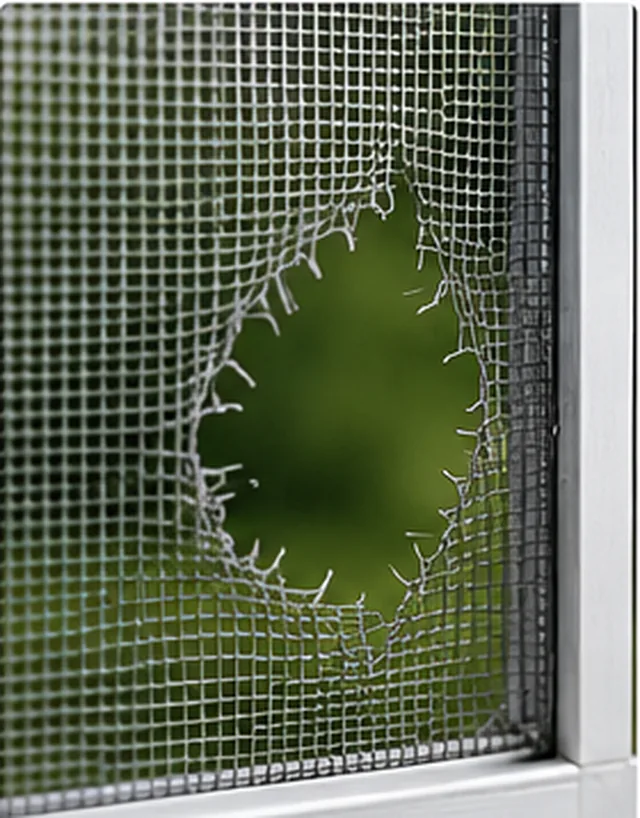 Mesh
Mesh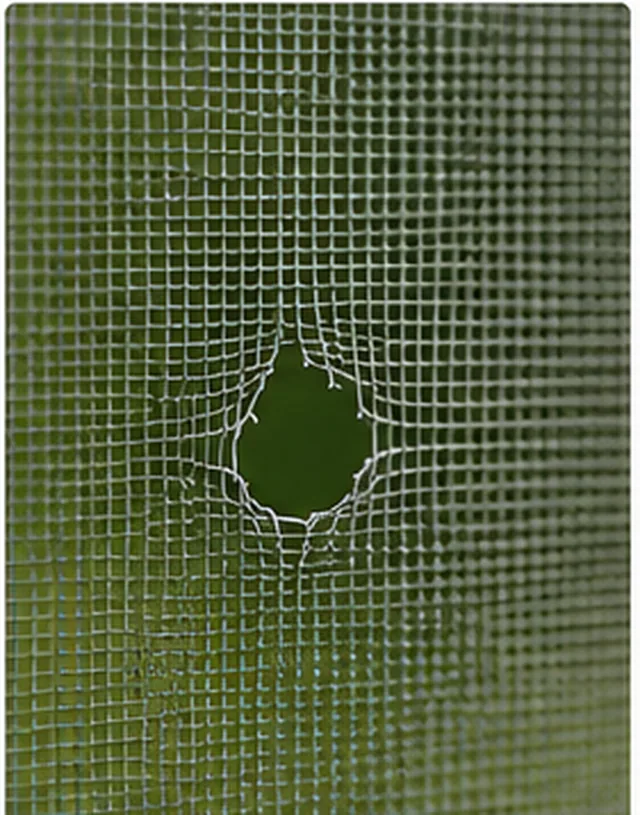 Mesh
Mesh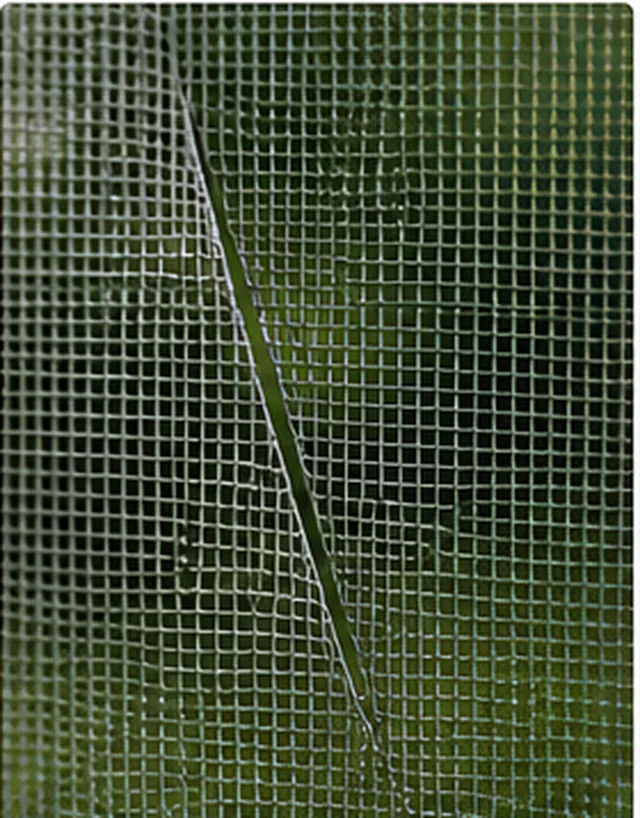 Mesh
Mesh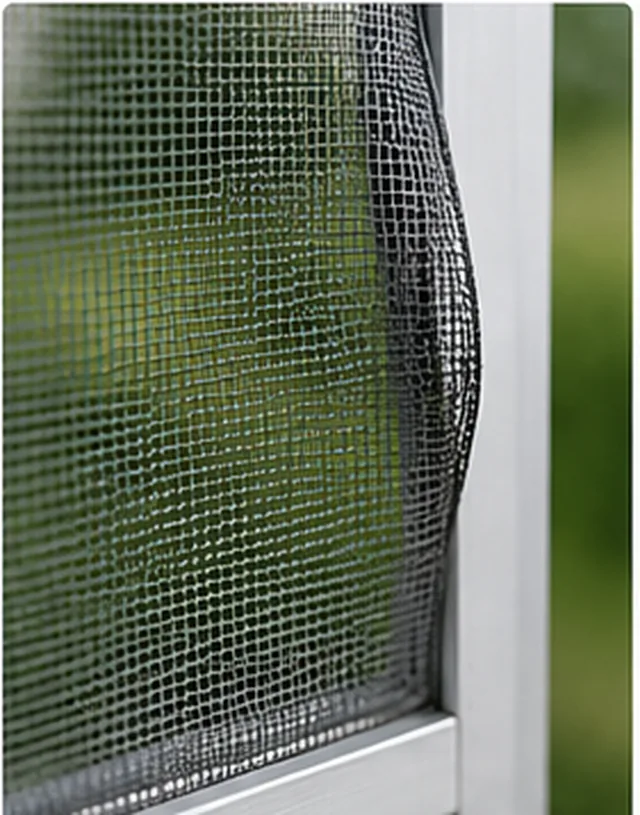 Mesh
Mesh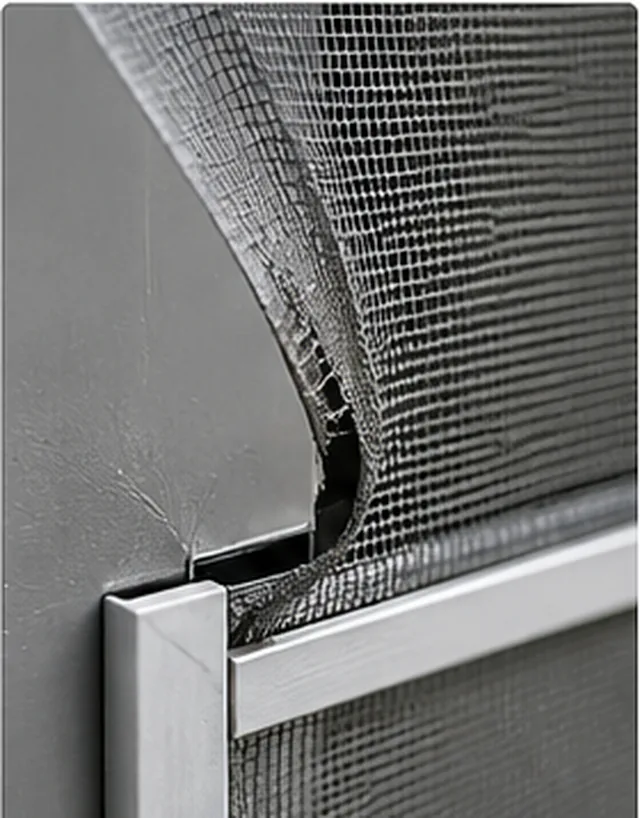 Mesh
Mesh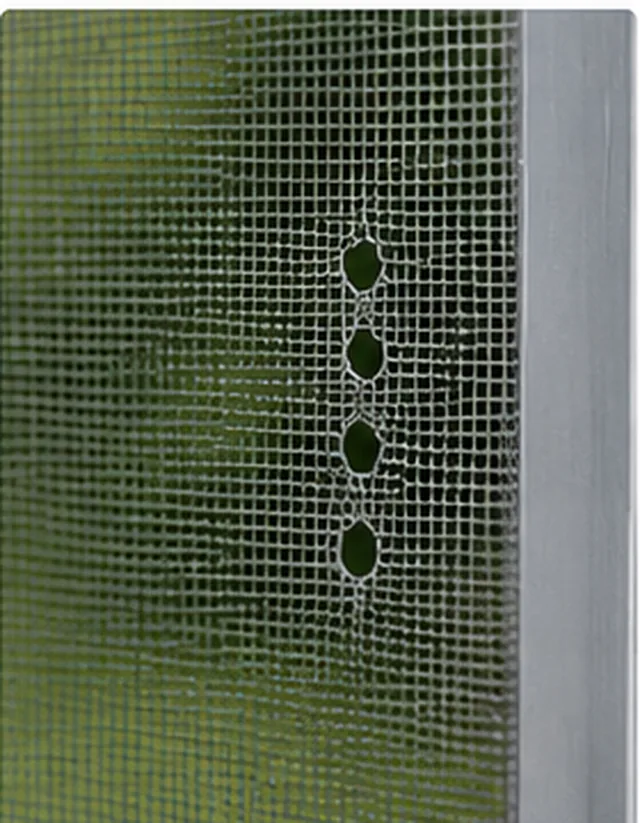 Mesh
Mesh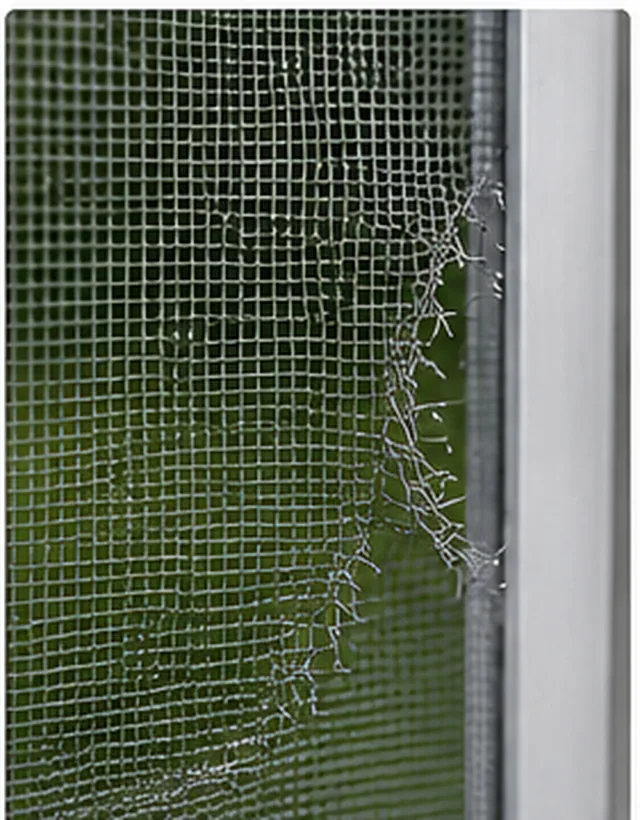 Mesh
Mesh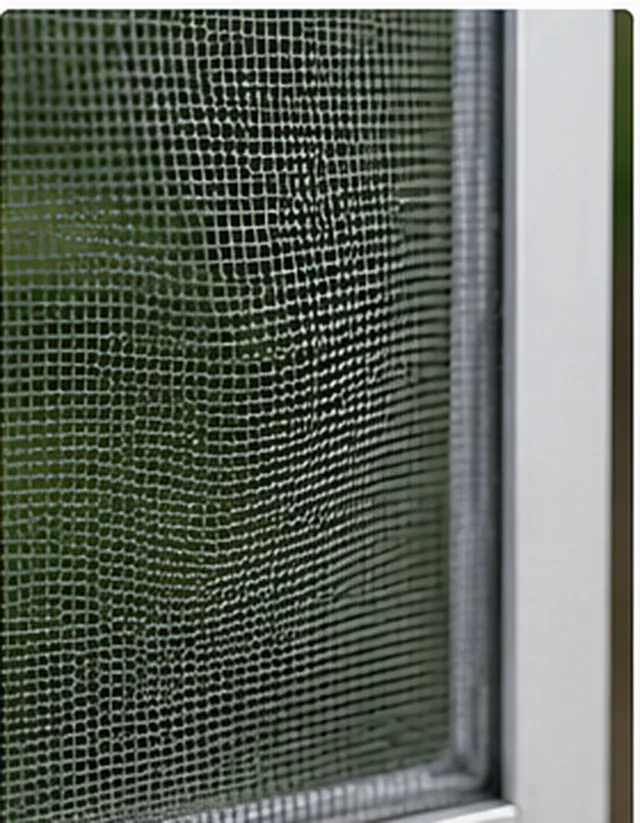 Mesh
Mesh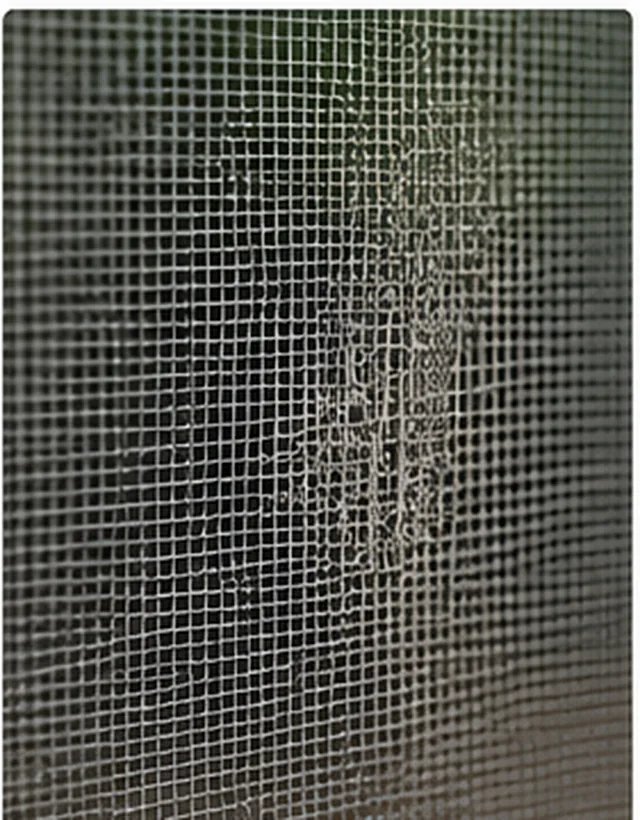 Mesh
Mesh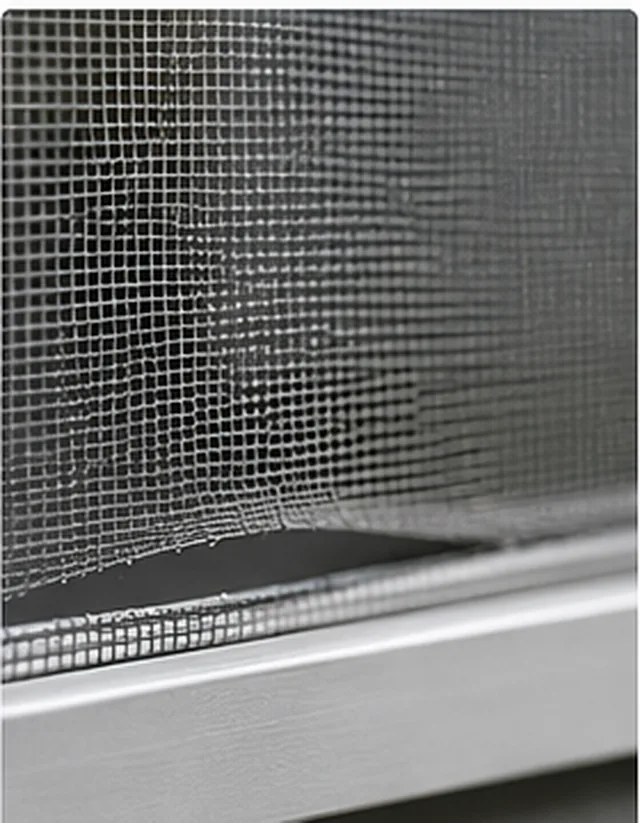 Frame
FrameThree steps
By phone or through the form. A photo helps but is not required.
We give you a time window for Outremont, not a whole day.
We remove, repair and reinstall. You pay once you have seen and approved the work.
Do you manage a building or a business in Outremont?
Why us
The workshop is in the vehicle: no trips to a store.
5.0from 143 Google reviews
Public and verifiable, on our Google listing.
No windows or doors to sell: we repair what you own.
6 a.m. to 8 p.m., April to October, in French and English.
7+years in the trade
Mesh taut without a ripple, frame square, rollers set.
1 yrwritten warranty
Workmanship and installation. If our work fails, we come back.
« Great service! He was at my neighbour’s and agreed to fix my back screen even though we had no appointment. Very successful repair, and inexpensive! »
« Ludovic replaced my screen in record time. Professional, and with a great sense of humour. I recommend his services — don’t hesitate to contact him, he’ll come to your home and do beautiful work. »
« Excellent service. Clear explanations of the work to be done. I really appreciated his dedication: despite the rain he insisted on finishing the job, soaked through and still smiling. The work was very well done. »
Straight answers
We measure each opening on site, one by one — on 1900-1940 stock, two neighbouring windows are rarely the same size. If the original frame is still there and still straight, we rescreen it, which solves the problem without building anything. If there is no frame left at all, we build one to the measurements taken, in aluminum, fitted to that opening alone.
It depends on what is left. A frame with one bad corner but sound rails can often take new mesh and go back into service. A frame that is warped, split along its length or spongy will not hold mesh tension: in that case we build an aluminum frame to the same dimensions, which is more stable in an older opening anyway.
That is the risk, and it is why we look first at what can be kept. A rescreening changes nothing visible: same frame, same colour, same profile thickness. When fabrication is unavoidable, we pick a profile and a mesh that stay quiet from the street rather than the stock white. A well-chosen screen disappears — that is the whole point.
Yes. We are a mobile business: we come to your home in Outremont, remove the screens, repair them on site and reinstall them before we leave.
Replacing the mesh of a window screen, in its existing frame, starts from $30. The exact amount depends on size, mesh type and how many units you have, and the quote sets it. The more screens in the same visit, the lower the price of each. A $125 travel fee applies to every visit, whatever the number of screens — it is shared across all your items, which is why grouping them pays.
Yes: one year on fabrication and installation. If our work fails, we come back at no charge. Damage caused afterwards is not covered.
Written for Outremont
Outremont went up almost entirely between 1900 and 1940, and that era makes more trouble for a screen shop than any other on the island. The stone houses, upscale duplexes and triplexes here were built one at a time, opening by opening: two windows side by side in the same façade can differ by half an inch without anyone ever noticing. No hardware-store screen fits that, and it is not a flaw in the building — it is simply how people built before sizes were standardized. The practical consequence is direct: measurements are taken on site, window by window, and a screen made for the living room will not travel to the bedroom next door. It is also why a price quoted over the phone on this kind of housing stock means very little until someone has put a tape on the opening.
The other Outremont particularity is wood. Many owners kept their original double-hung windows instead of switching to PVC, and those windows take screens that sit between the two sashes, in a narrow rabbet. The screen frame itself is often wood as well, or thin aluminum painted to match the trim. When the mesh gives out, the first instinct is to throw the whole thing away and order a new unit — and that is almost always the wrong call. Rescreening the existing frame keeps a profile you cannot buy anywhere, keeps the window consistent with the rest of the façade, and costs a fraction of custom fabrication. On this stock, we build new only when the frame is split, warped or rotted at a corner — and in that case aluminum holds up better than fresh wood in a hundred-year-old opening, because it will not move with the seasons the way the wall around it already has.
The double-hung window dominates, and it is the type that takes the most judgement. The screen sits between the two sashes, in a rabbet that on century-old wood is no longer perfectly parallel. Mesh pulled too tight will bow the frame and make it bind; mesh left too slack leaves a gap along one side that everything walks through. It is as much a tensioning job as a measuring job. It also helps to know that on a double-hung, the screen normally covers only the operating half of the window: that is not unfinished work, it is the only way to let the sash slide up and down. When a frame has to be rebuilt, aluminum beats wood here — it stays straight in an opening that no longer quite is, and it does not swell in July humidity.
Duplexes and triplexes add a second reality: the same building has rarely been renovated all at once. It is common for a façade to still carry its original windows while the back received PVC fifteen or twenty years ago, where the view from the street did not matter. The two are not repaired the same way. Recent PVC is a common format and parts exist, which keeps the repair simple; an original opening needs measuring and sometimes fabrication. And where a balcony door has been swapped for a slider, that door is almost always the first thing to wear out its screen: slack mesh, gritty rollers, a track full of dust. We change the rollers and clean the track in the same visit as the mesh — doing one without the other just books a return trip.
The constraint in Outremont is as much aesthetic as technical. Against a period stone façade, a white aluminum frame beside dark trim reads from the street, and a badly chosen new screen spoils the look of a building that has been maintained for a century. That is one more argument for rescreening: the frame stays, the colour stays, only the mesh changes. Then there is the matter of upper floors. In a duplex or triplex, the screens of the upper units come out from inside, which means someone has to open the door — owner or tenant. That is handled by warning the occupants before the visit rather than discovering it on the sidewalk. Finally, in a divided co-ownership, a full frame or colour change is worth a look at the declaration; a straight rescreening changes nothing visible from the street.
On this stock the mesh choice is decided wall by wall rather than by neighbourhood: a shaded yard holds the evening damp, an open façade cooks the mesh. The shade and the damp that come with them favour mosquitoes at dusk, and that is where the mesh choice matters. For an upstairs bedroom, standard fibreglass is enough and lets through the most air. For a heavily planted yard or a wall that gets little sun, a tight weave also stops no-see-ums, at the cost of a little ventilation. And on a south-facing double-hung, sun is what kills the mesh before anything else: fibreglass turns brittle there within a few seasons.