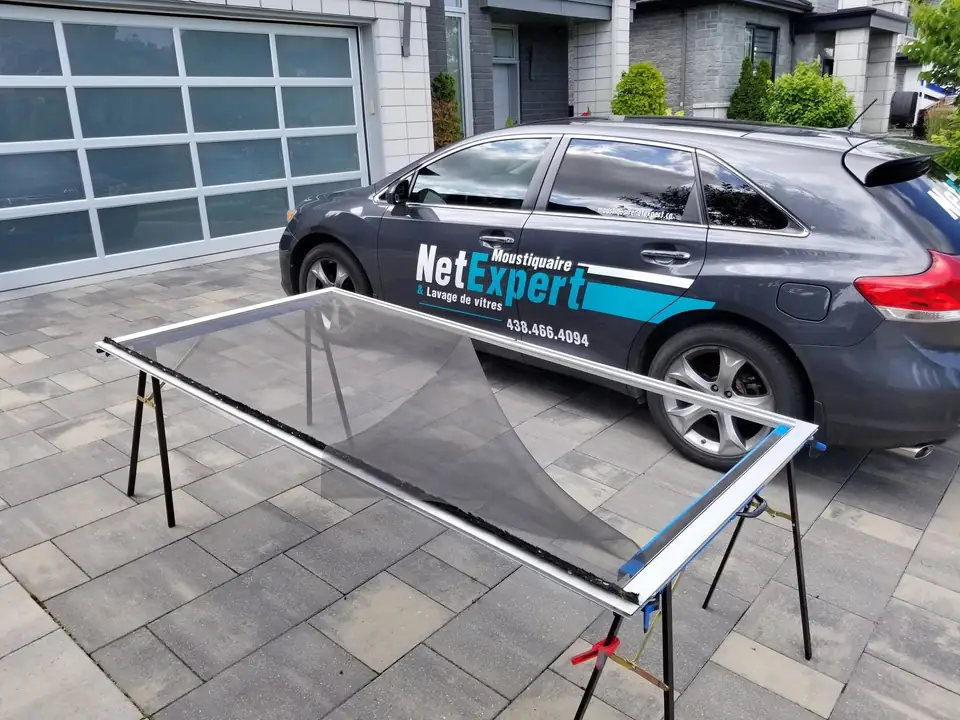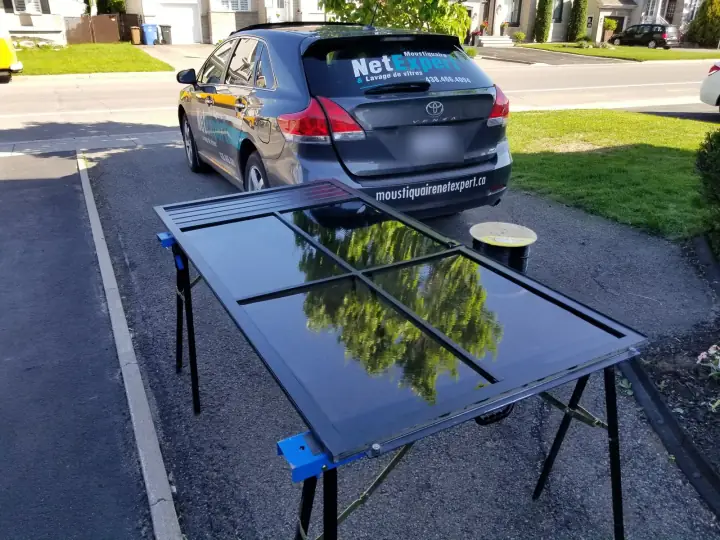
Screen rescreening (window)
From$30per screen
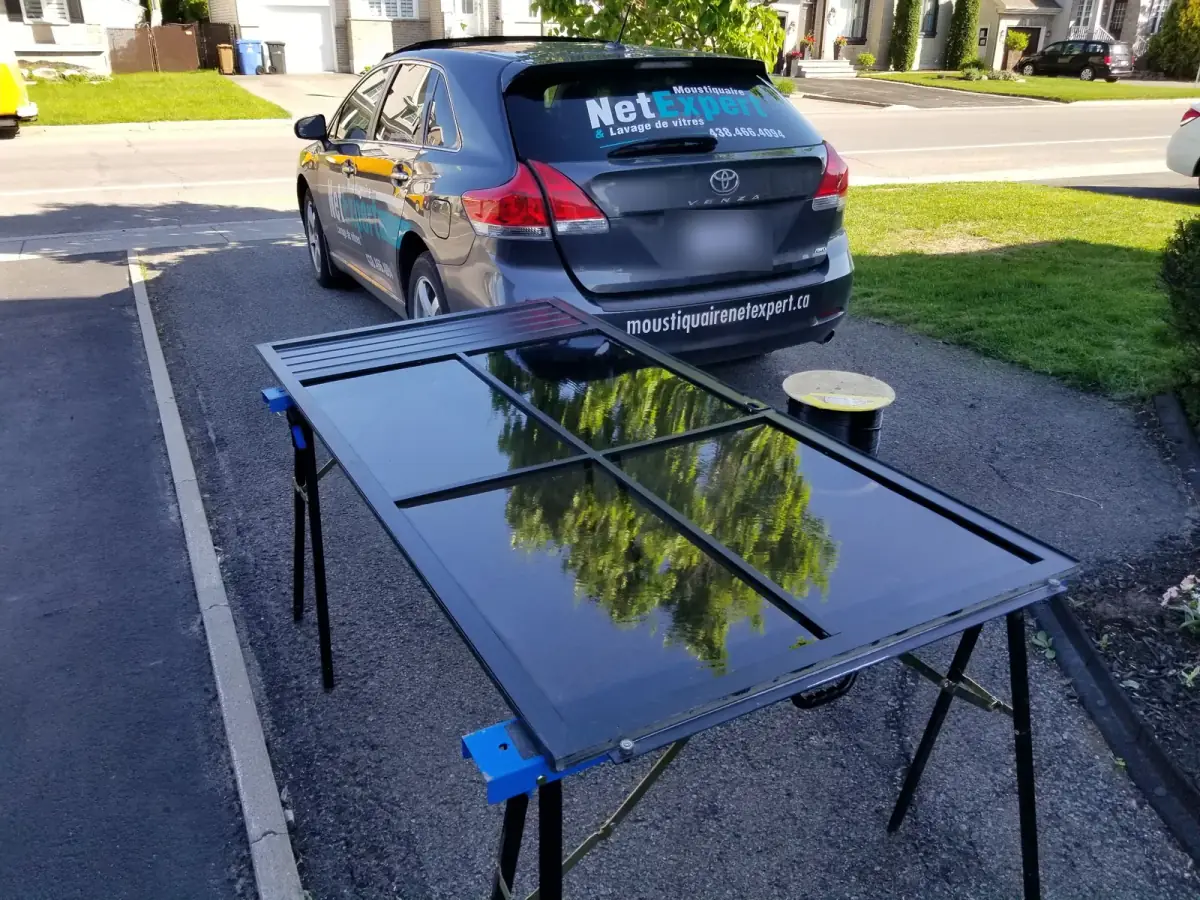
From Brossard, across Greater Montréal
Mobile on-site service in Verdun and nearby. Mesh, rollers, frames, patio doors.
Three questions are enough to start. The official measurement is taken on site.
Six services, one trade
One trade, done properly. We don’t sell windows — we repair window screens, and that is all we do.
 Repair
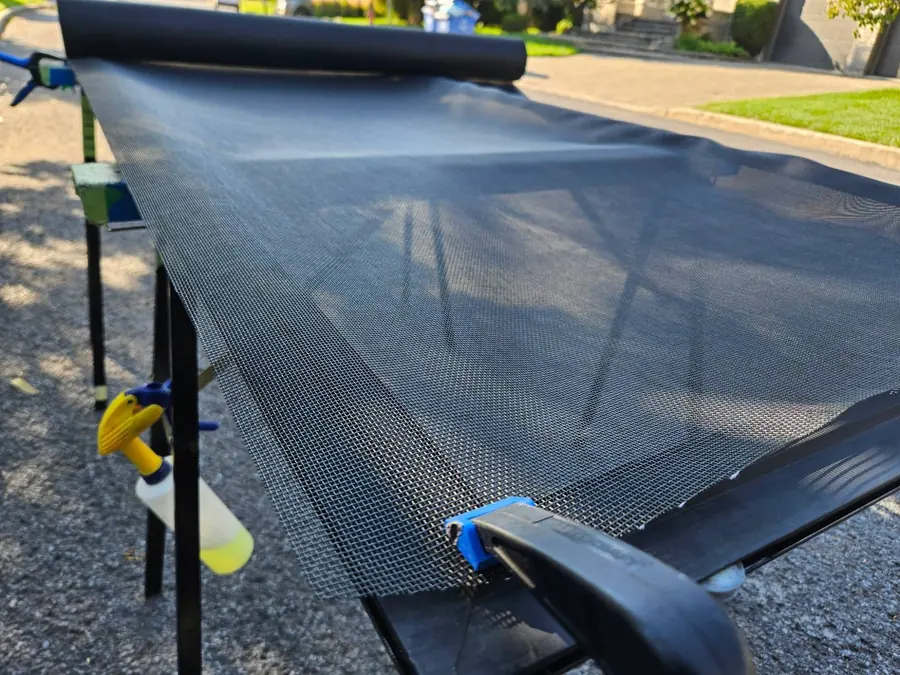
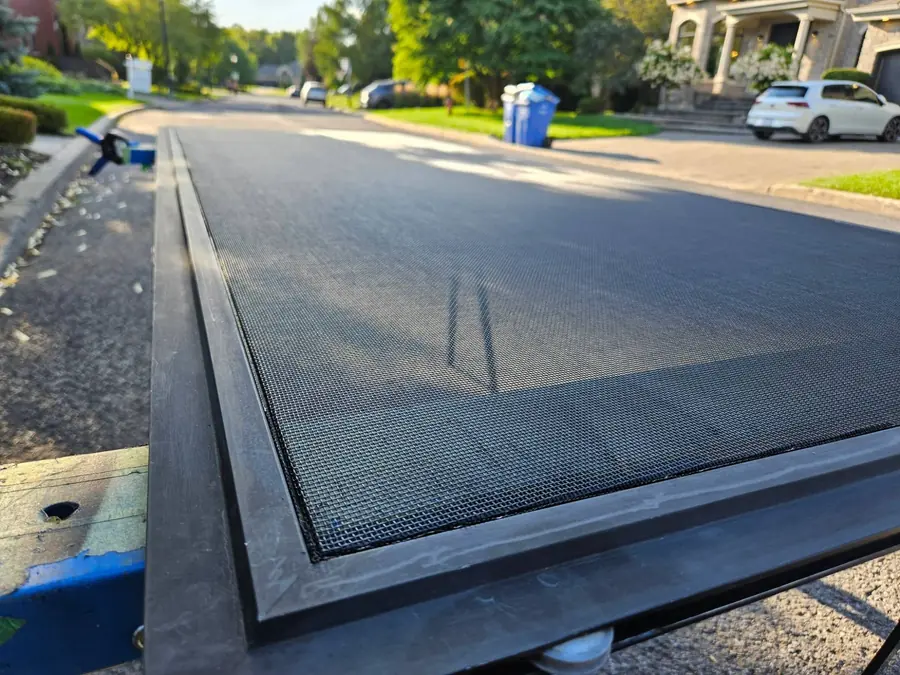
Torn, punctured or sagging mesh, replaced in your existing frame.
 Repair
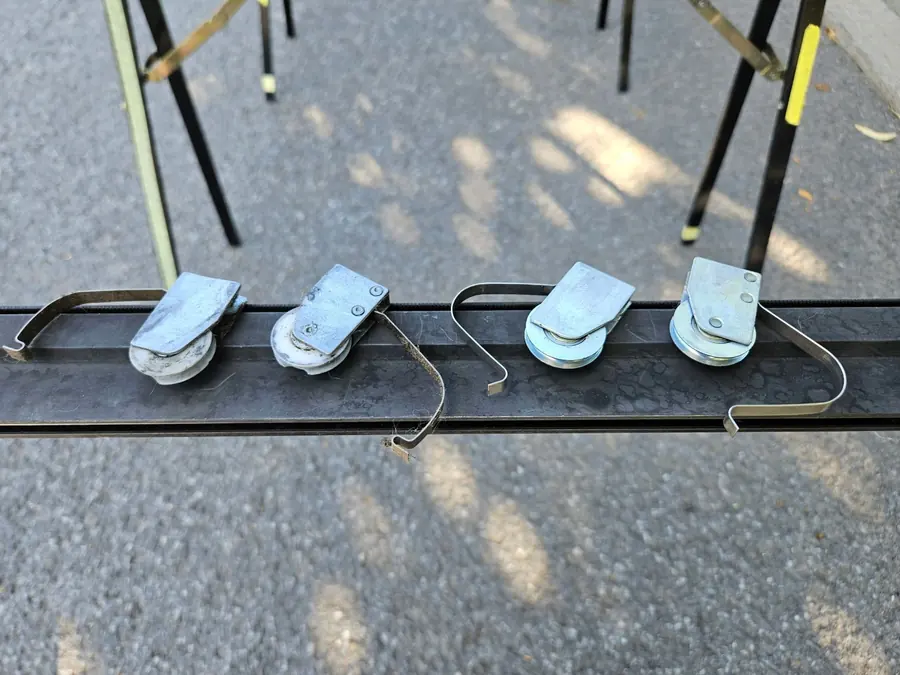
A screen that sticks, jumps the track or no longer closes.
 Repair
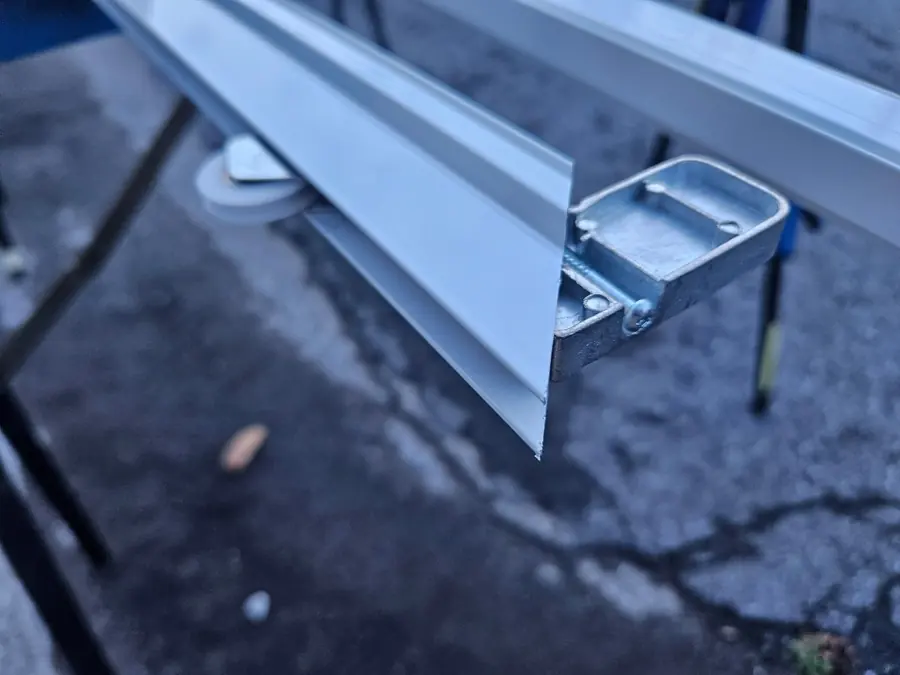
Bent frame, separated corner, split moulding.
 Repair
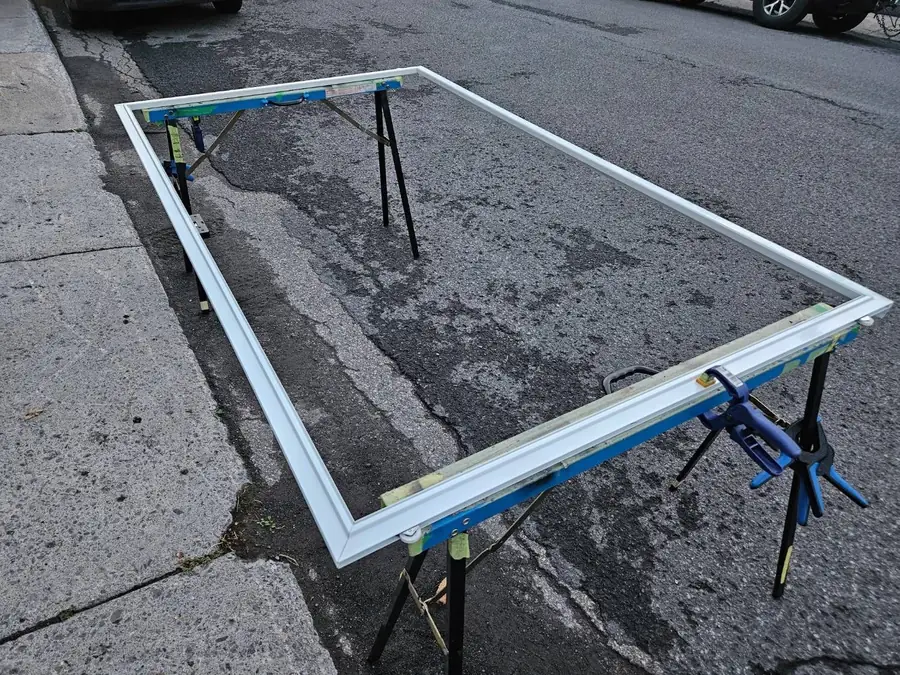
A missing screen, or an opening with no original to copy.
 Patio door
The part that breaks most often, and gets used most.
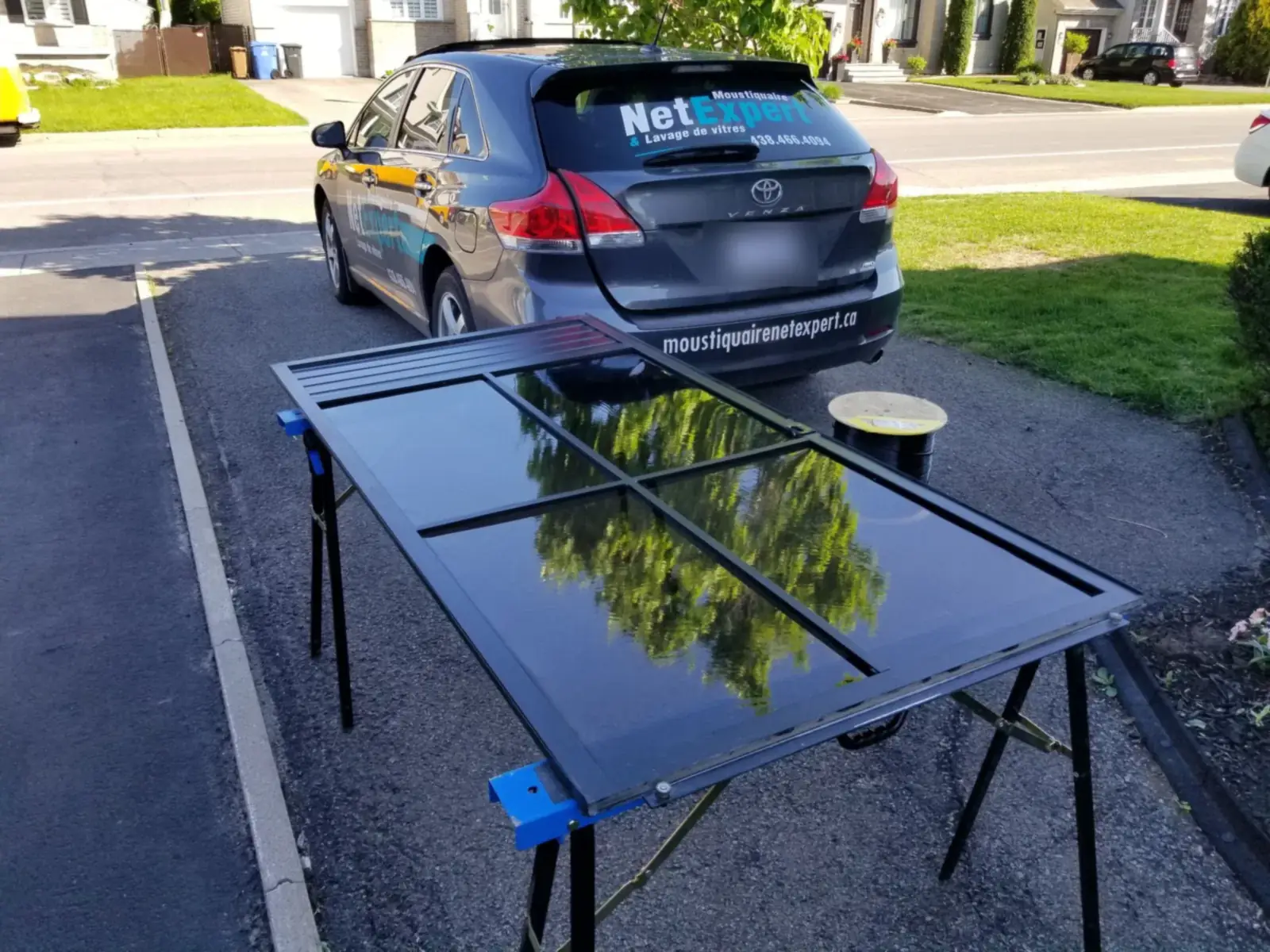 Gazebo · MICA
Screen panels and clear MICA vinyl, replaced on site.
Clear prices
Most companies in this trade publish no prices at all. Here are ours, as starting prices — the exact amount depends on size, mesh type and how many units per visit; the free quote sets it.
From$30per screen
From$30per screen
From$40per screen
From$120per screen
From$500per door
The price depends on the panel count and the vinyl: set on site.
A $125 travel fee applies to every visit, whatever the number of screens — it is shared across all your items, which is why grouping them pays.
$125
Grouping several screens in one visit brings the price of each one down: the travel fee is shared. An exact quote is free and reaches you promptly.
1-year warranty on fabrication and installation. Damage caused by the client is not covered. Payment: Visa, MasterCard, Interac, Bank transfer.
Any price provided is strictly a summary estimate. If work must be added once on site, prices will be adjusted — and always explained before we start.
Not all mesh is equal, and the right one depends on your window, your pets and your surroundings. We carry all four types in the vehicle — the choice happens at your home, not in a store.
Ten kinds of damage, one answer
If your screen looks like any of these, it can be repaired. Tap one to request a quote for that exact damage. We rarely replace a whole frame — in most cases only the mesh needs redoing.
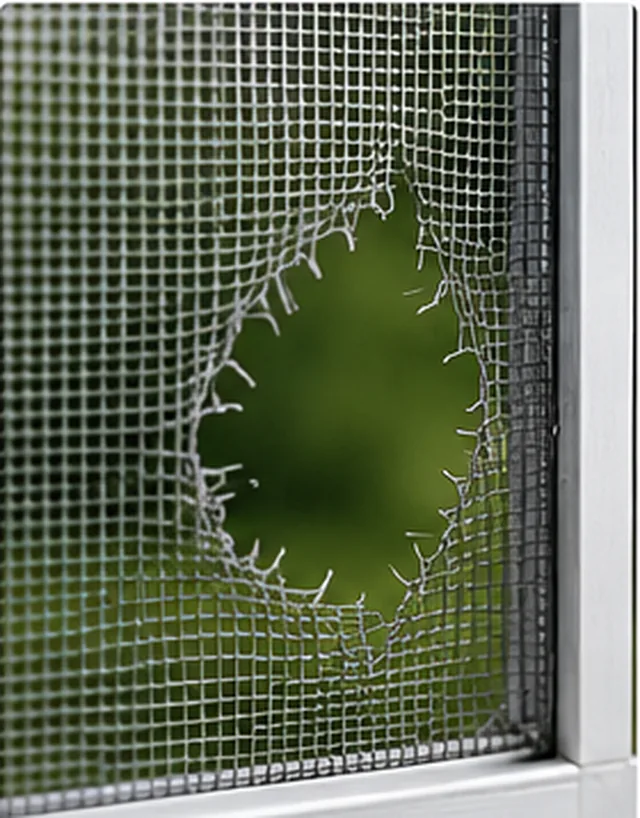 Mesh
Mesh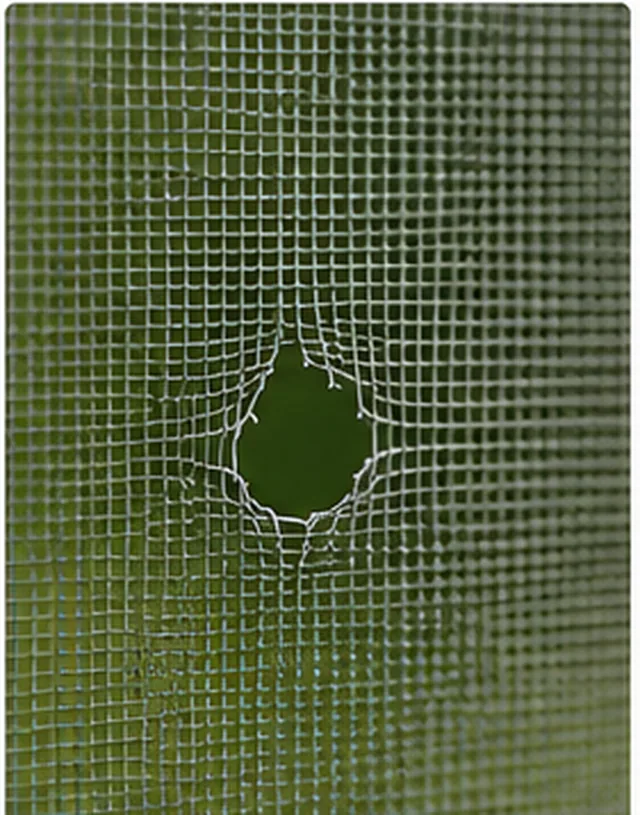 Mesh
Mesh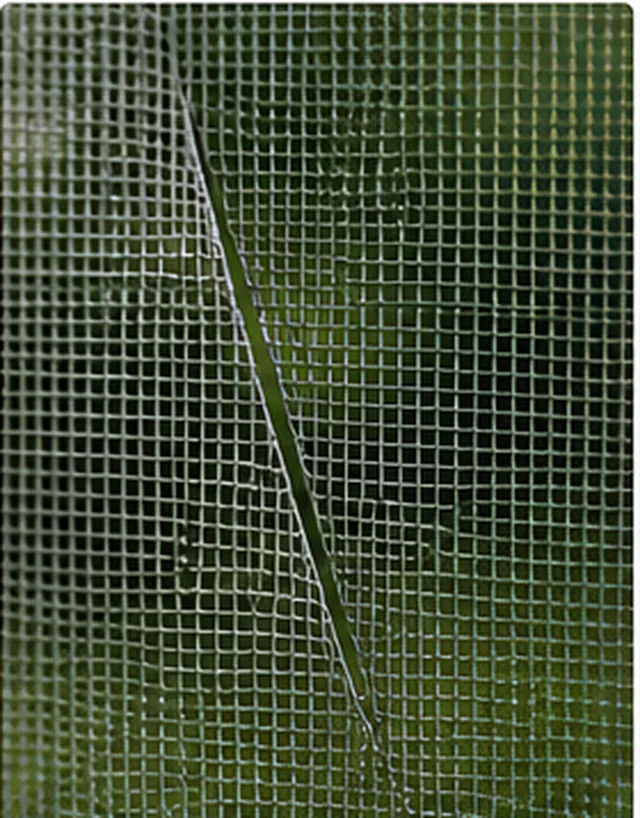 Mesh
Mesh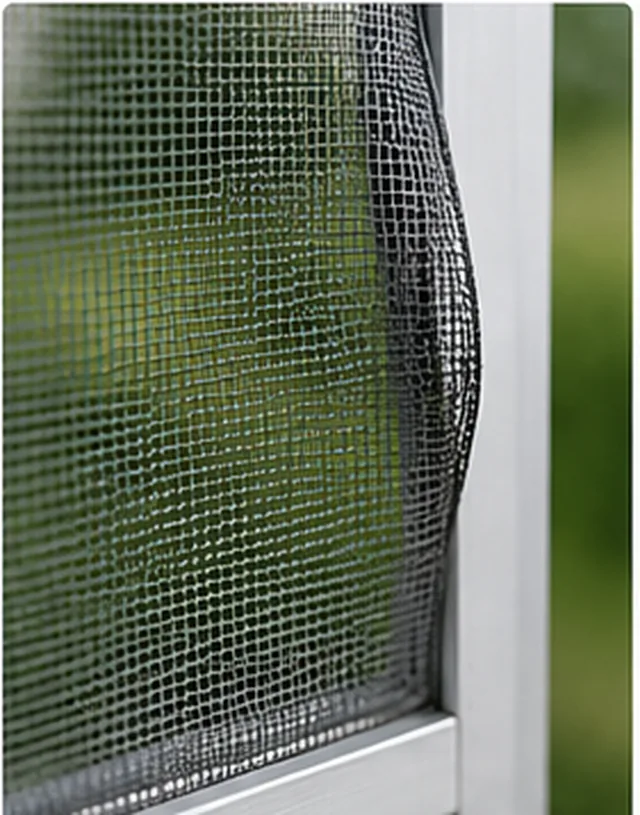 Mesh
Mesh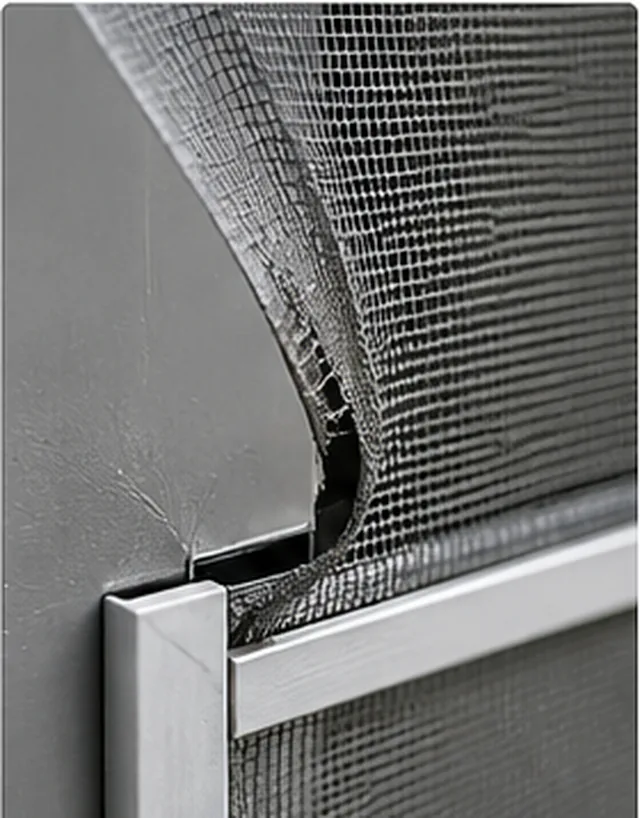 Mesh
Mesh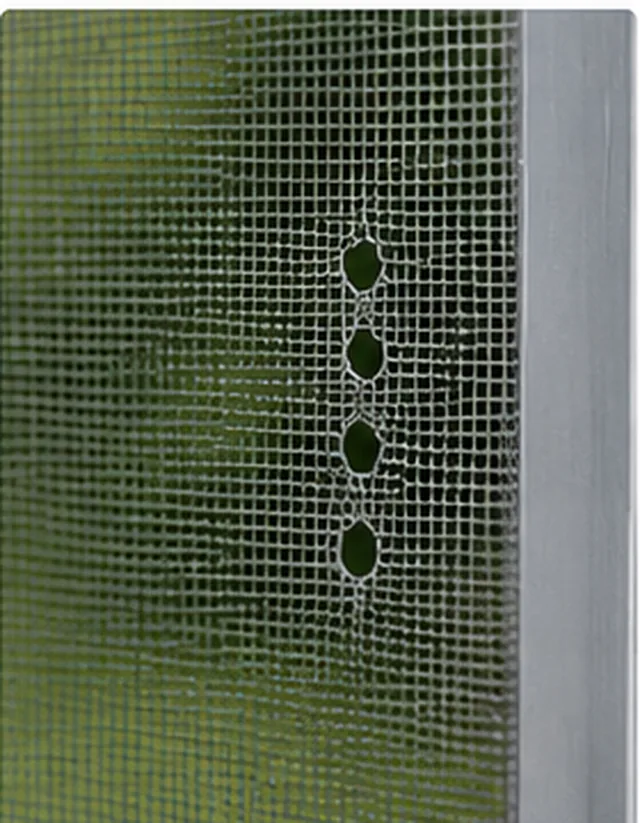 Mesh
Mesh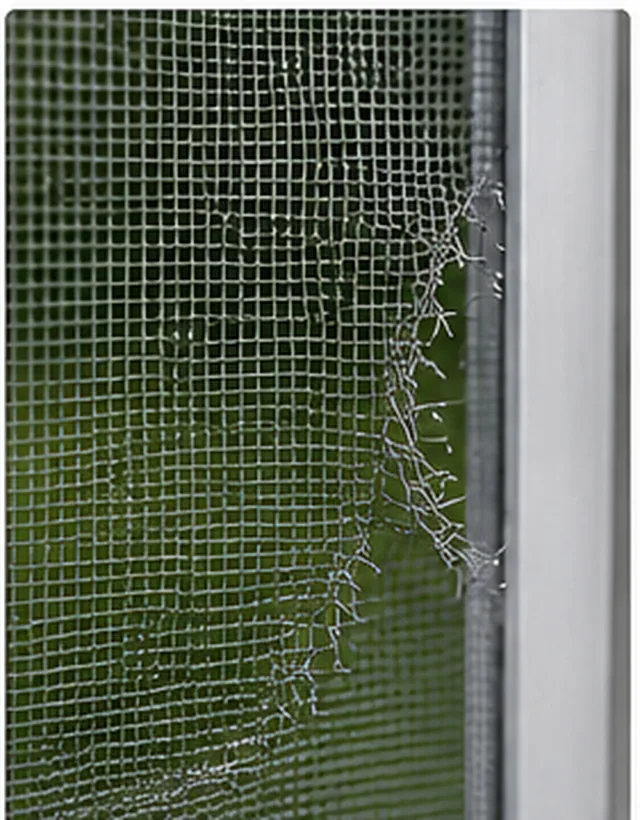 Mesh
Mesh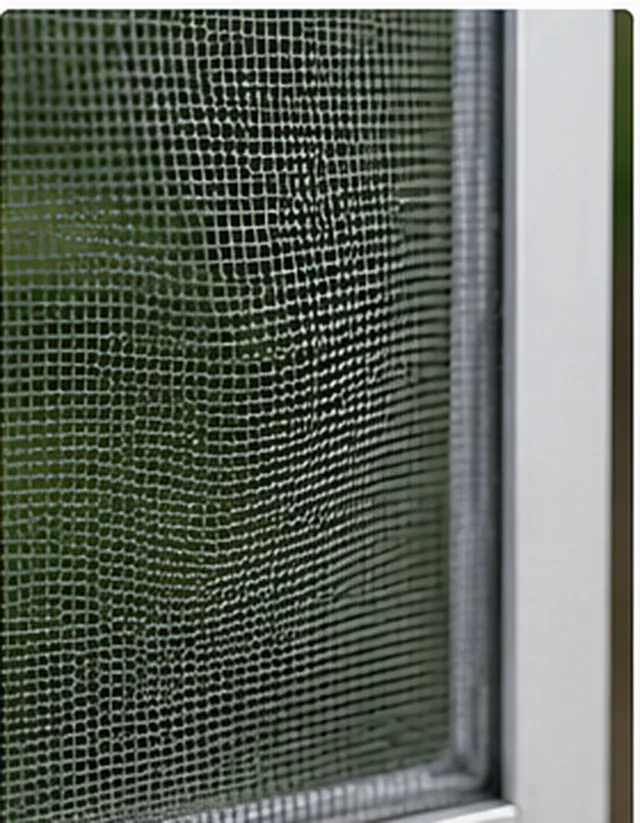 Mesh
Mesh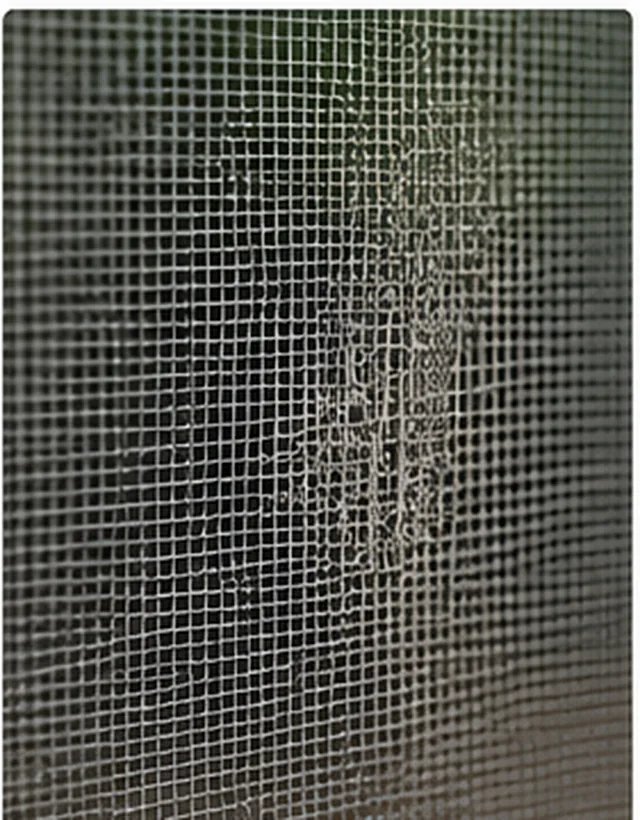 Mesh
Mesh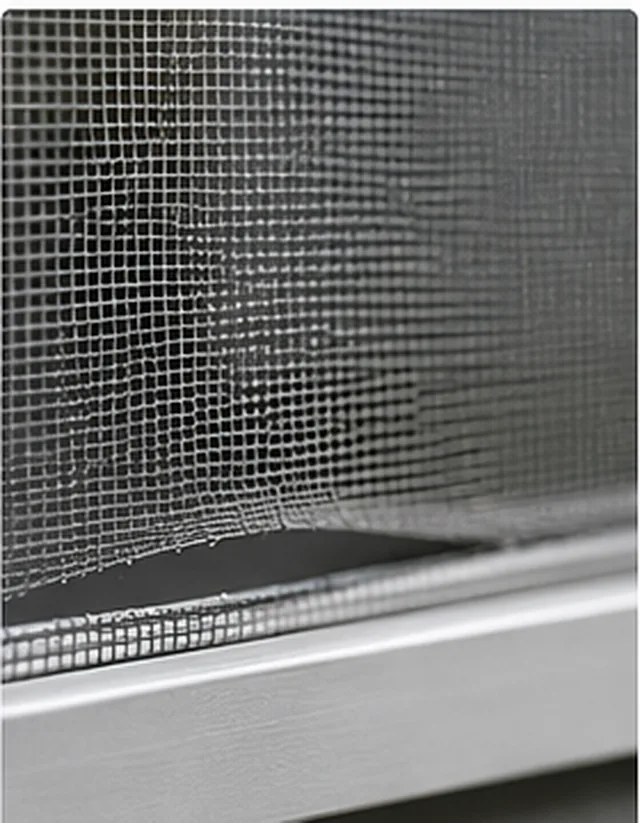 Frame
FrameThree steps
By phone or through the form. A photo helps but is not required.
We give you a time window for Verdun, not a whole day.
We remove, repair and reinstall. You pay once you have seen and approved the work.
Do you manage a building or a business in Verdun?
Why us
The workshop is in the vehicle: no trips to a store.
5.0from 143 Google reviews
Public and verifiable, on our Google listing.
No windows or doors to sell: we repair what you own.
6 a.m. to 8 p.m., April to October, in French and English.
7+years in the trade
Mesh taut without a ripple, frame square, rollers set.
1 yrwritten warranty
Workmanship and installation. If our work fails, we come back.
« Ludovic replaced my screen in record time. Professional, and with a great sense of humour. I recommend his services — don’t hesitate to contact him, he’ll come to your home and do beautiful work. »
« Excellent service. Clear explanations of the work to be done. I really appreciated his dedication: despite the rain he insisted on finishing the job, soaked through and still smiling. The work was very well done. »
« Great service! He was at my neighbour’s and agreed to fix my back screen even though we had no appointment. Very successful repair, and inexpensive! »
Straight answers
Almost never. On a slider the rollers wear out well before the mesh: they flatten, the panel drops, comes off the track and goes crooked. People force it, and the frame twists. The usual repair happens on site — new rollers, a cleaned track, the frame straightened and the mesh re-tensioned if needed. It is the configuration to expect in Verdun plexes whose original double-hungs were swapped for sliders during past renovations.
No. The interior staircase is exactly what makes this straightforward: we go up to the unit, remove the screens from inside, bring them down together and carry them back once rescreened. No ladder, no work from the façade. The one useful step is to inventory every window in the unit before the visit so everything comes down in a single trip.
Yes. A tower screen always comes off from the inside, gets rescreened at ground level in the unit or at the truck, and goes back in — we never work from the outside of an upper-floor balcony. Access simply has to be arranged in advance: service elevator, a booking with building management, and notice to the board if anything visible on the façade would change.
Yes. We are a mobile business: we come to your home in Verdun, remove the screens, repair them on site and reinstall them before we leave.
Replacing the mesh of a window screen, in its existing frame, starts from $30. The exact amount depends on size, mesh type and how many units you have, and the quote sets it. The more screens in the same visit, the lower the price of each. A $125 travel fee applies to every visit, whatever the number of screens — it is shared across all your items, which is why grouping them pays.
Yes: one year on fabrication and installation. If our work fails, we come back at no charge. Damage caused afterwards is not covered.
Written for Verdun
Verdun is recognizable by its long straight streets of brick duplexes and triplexes built between 1910 and 1940. One feature sets them apart from most Montreal neighbourhoods of the same era: the staircases are inside, not spiralling up the front. The façade is plainer and flatter as a result, and windows take up nearly all of it. That detail has a direct effect on a repair visit: you come in through the door, go up inside, and work in the unit rather than on a cramped balcony — which matters when six or eight screens have to come out at once and go back rescreened. The borough is densely populated, and much of the stock is multiplex housing, so the call comes as often from an owner handling a whole building as from a single household.
At the other end of the same borough, Nuns' Island is the exact opposite: apartment towers and recent condos, glass, aluminum, balconies well above ground and windows installed in series across dozens of floors. A whole building there carries far fewer distinct screen sizes than a street of plexes, where every building has its own age and its own dimensions. In between, Verdun runs along the river for nearly its full length, with open shoreline: units facing that way take more wind and more insects than those on the inner streets. LaSalle and Ville-Marie are next door, Côte-des-Neiges–Notre-Dame-de-Grâce is up the hill, and Brossard sits across the river.
The technical point about Verdun fits in one sentence: the original double-hung windows in these plexes have very often been replaced with sliders. A double-hung takes its screen between the two sashes, a spot where rigid aluminum mesh outlasts fibreglass. A slider takes a side screen that rolls on a track — and on that type, the rollers fail long before the mesh does. The customer calls saying the screen is broken when the mesh is perfectly intact: the panel has come off its track, gone crooked, jammed, and been forced until the frame twisted. New rollers, a cleaned track and a straightened frame put the window back in service without replacing anything.
Where the original double-hung is still in place, the screen is usually original too, sitting in a narrow aluminum frame whose extrusion is no longer sold anywhere. It is almost always still straight — the mesh gave out, not the frame — and rescreening it at its original dimensions costs far less than having a new one built to the same non-standard size. On Nuns' Island the work is of another kind: slider screens and balcony patio doors, mesh slackened by the wind that rises along the towers, rollers worn by daily use. Where the condo board wants a uniform look from the street, we rebuild identically — same mesh type, same frame colour — rather than propose something that would stand out.
Two constraints meet in Verdun. On the plex streets, parking is scarce and second- and third-floor units are reached by a narrow interior staircase: screens come down to the truck one at a time, which is far better planned as one complete pass than as repeated trips. On Nuns' Island, height and building management set the terms: access through the service elevator, notice to the condo board when the work touches the façade, and no possibility of working from the outside of an upper-floor balcony. A tower screen therefore always comes off from the inside, gets rescreened at ground level and goes back up — which is also the only safe way to do it. Settling access before the date is what prevents a wasted trip.
The river sets the weather in Verdun. Units facing the water take a steady wind that tires mesh out: standard fibreglass slackens faster there, while aluminum, being more rigid, holds up better on large exposed openings. The water also brings mosquitoes from late spring on, especially in the evening on back balconies and upper-floor terraces. In a unit with a cat, pet-resistant mesh prevents claw punctures on slider screens, which sit exactly at animal height. Up in the towers on Nuns' Island, it is wind rather than insects that decides which mesh makes sense.