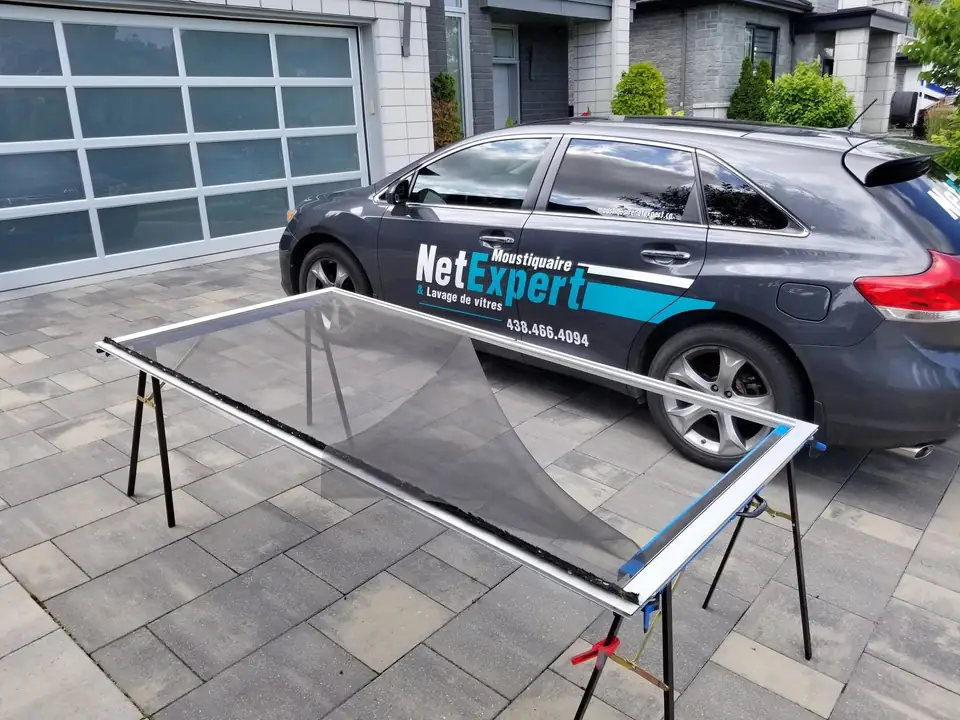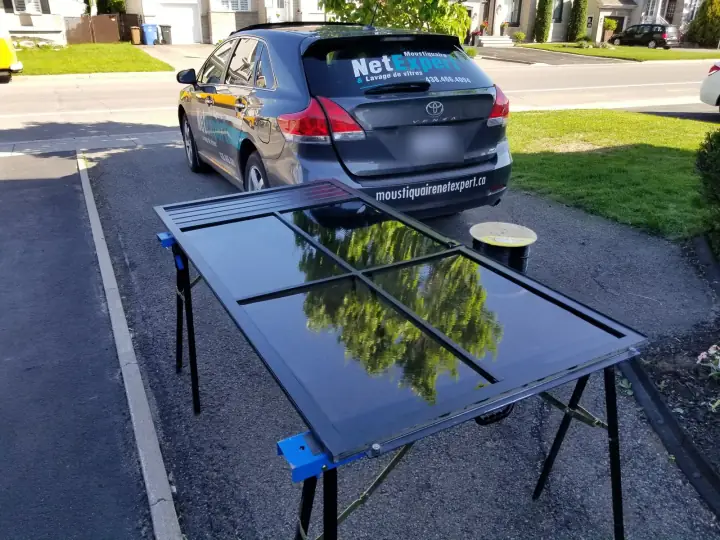
Screen rescreening (window)
From$30per screen
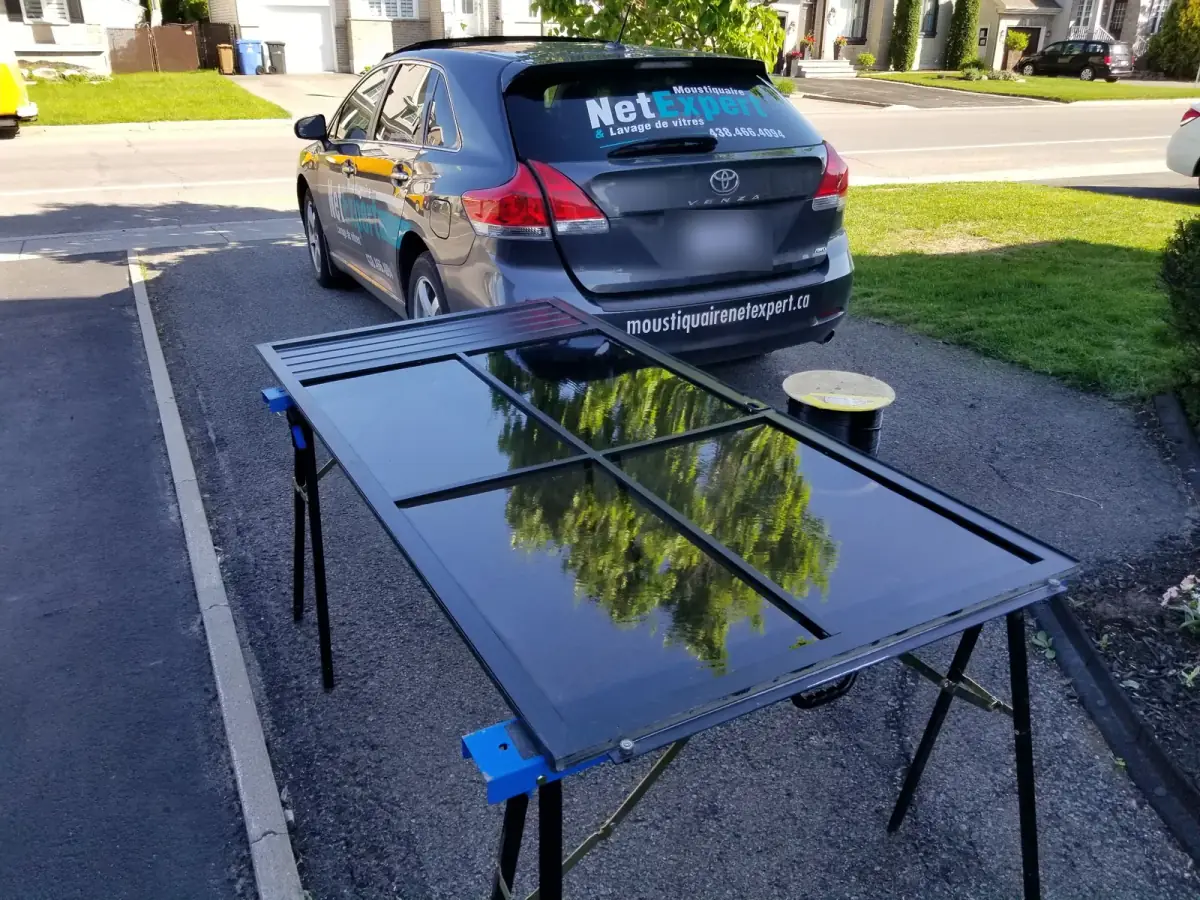
From Brossard, across Greater Montréal
Mobile on-site service in LaSalle and nearby. Mesh, rollers, frames, patio doors.
Three questions are enough to start. The official measurement is taken on site.
Six services, one trade
One trade, done properly. We don’t sell windows — we repair window screens, and that is all we do.
 Repair
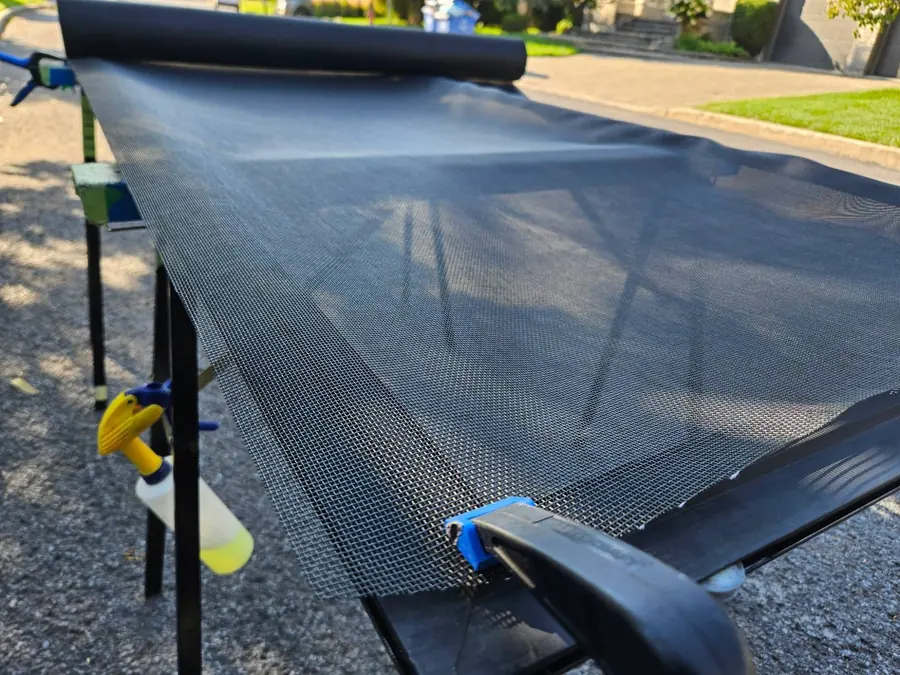
Torn, punctured or sagging mesh, replaced in your existing frame.
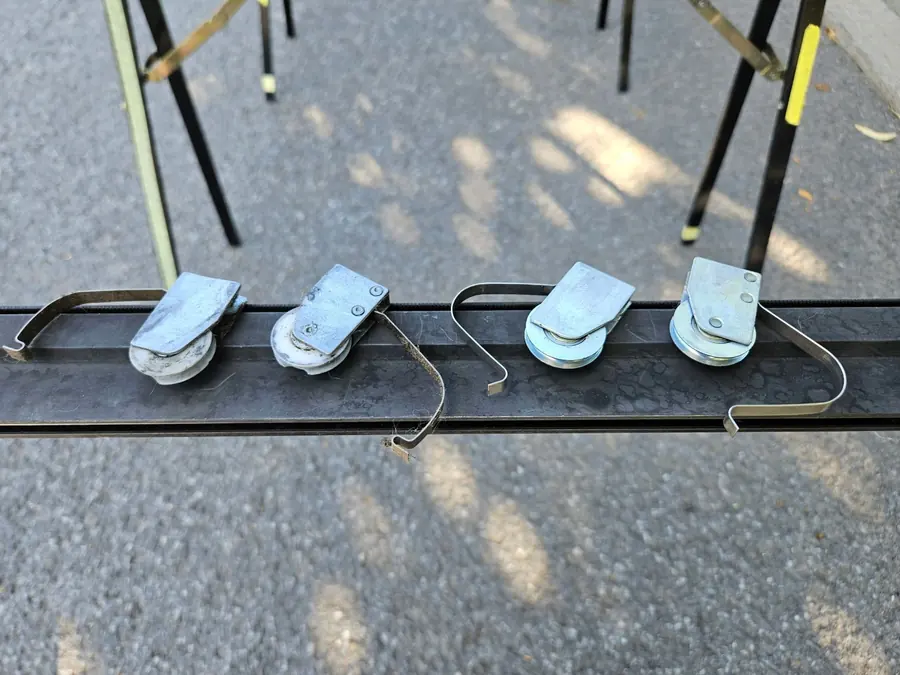 Repair
A screen that sticks, jumps the track or no longer closes.
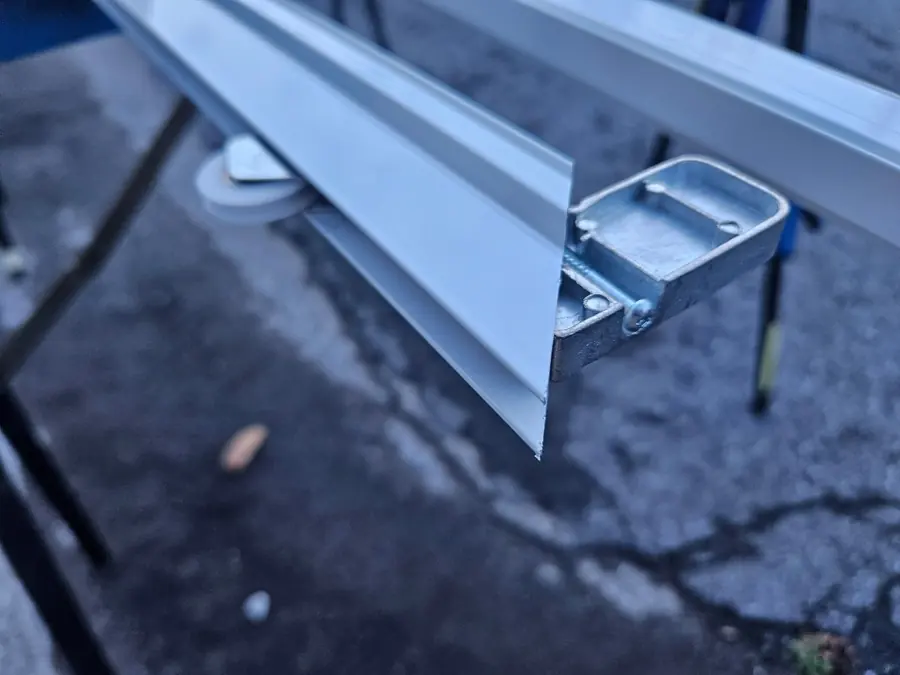 Repair
Bent frame, separated corner, split moulding.
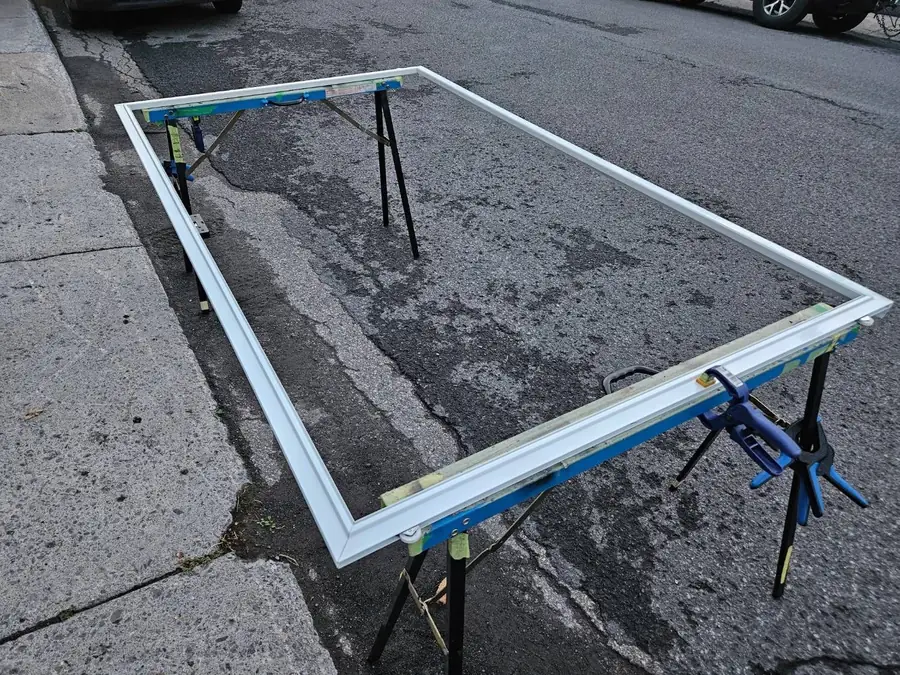 Repair
A missing screen, or an opening with no original to copy.
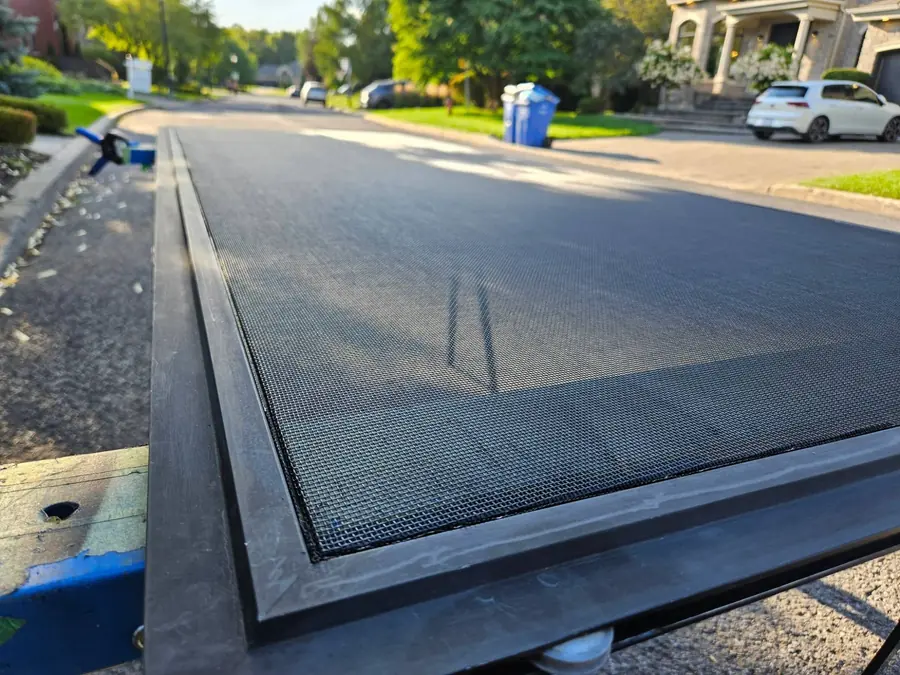 Patio door
The part that breaks most often, and gets used most.
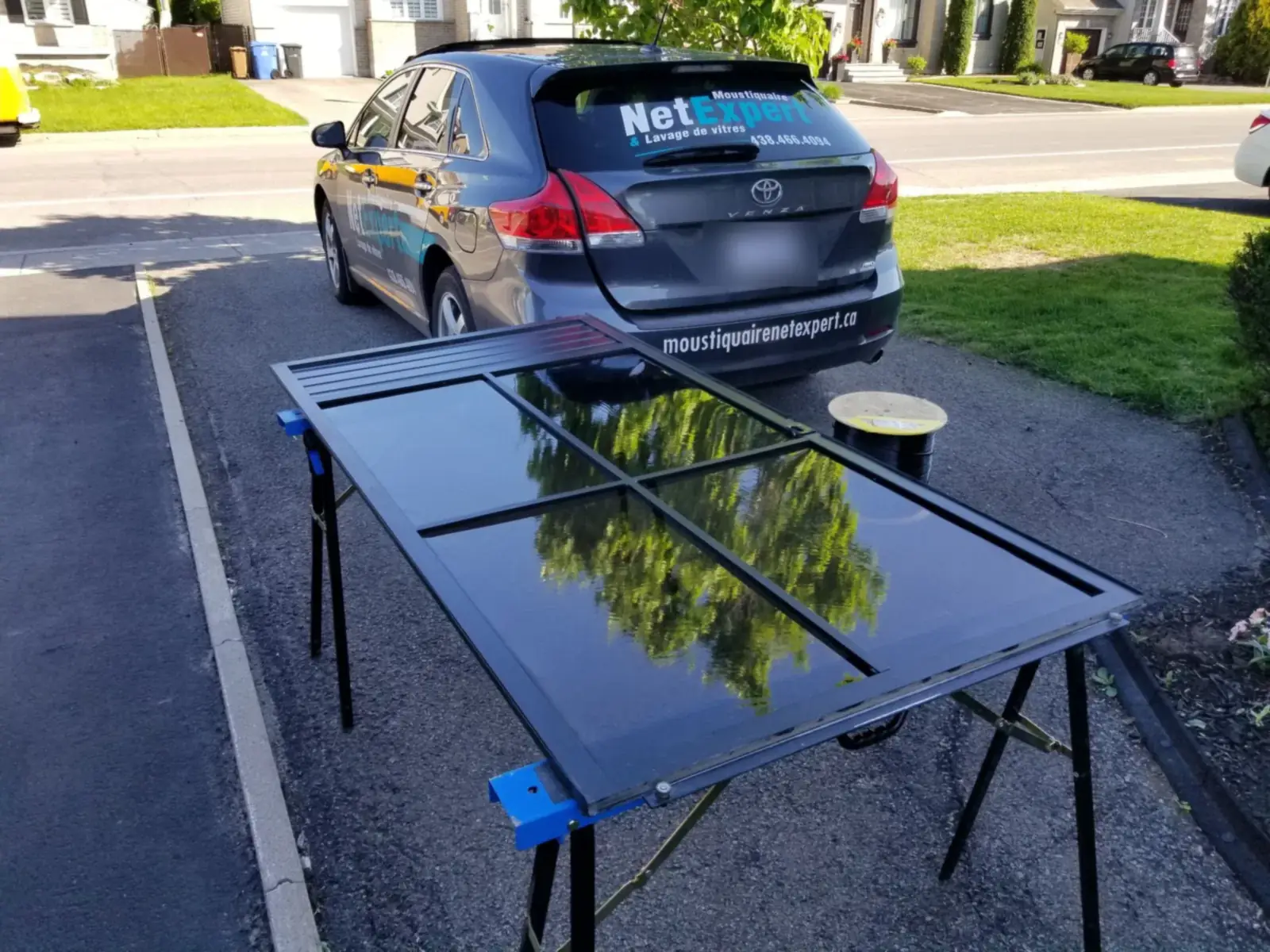 Gazebo · MICA
Screen panels and clear MICA vinyl, replaced on site.
Clear prices
Most companies in this trade publish no prices at all. Here are ours, as starting prices — the exact amount depends on size, mesh type and how many units per visit; the free quote sets it.
From$30per screen
From$30per screen
From$40per screen
From$120per screen
From$500per door
The price depends on the panel count and the vinyl: set on site.
A $125 travel fee applies to every visit, whatever the number of screens — it is shared across all your items, which is why grouping them pays.
$125
Grouping several screens in one visit brings the price of each one down: the travel fee is shared. An exact quote is free and reaches you promptly.
1-year warranty on fabrication and installation. Damage caused by the client is not covered. Payment: Visa, MasterCard, Interac, Bank transfer.
Any price provided is strictly a summary estimate. If work must be added once on site, prices will be adjusted — and always explained before we start.
Not all mesh is equal, and the right one depends on your window, your pets and your surroundings. We carry all four types in the vehicle — the choice happens at your home, not in a store.
Ten kinds of damage, one answer
If your screen looks like any of these, it can be repaired. Tap one to request a quote for that exact damage. We rarely replace a whole frame — in most cases only the mesh needs redoing.
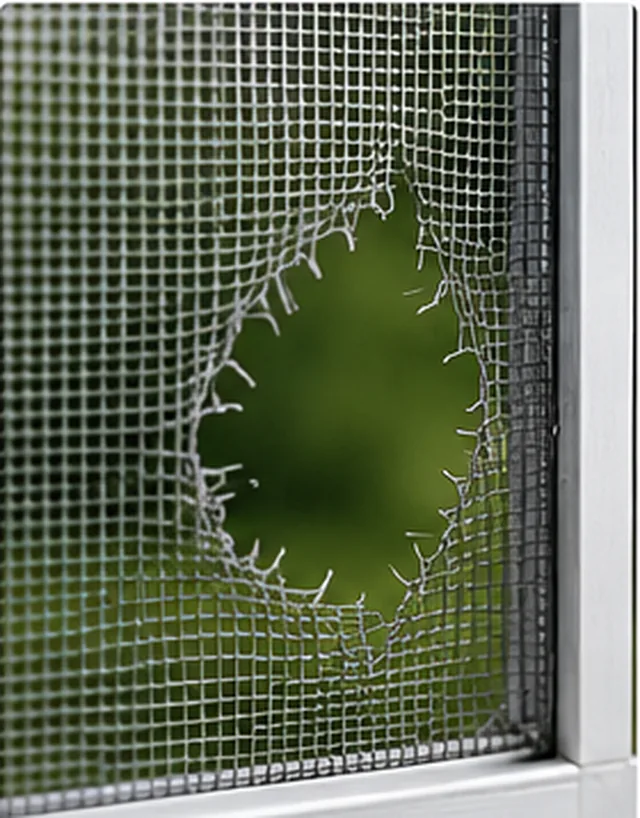 Mesh
Mesh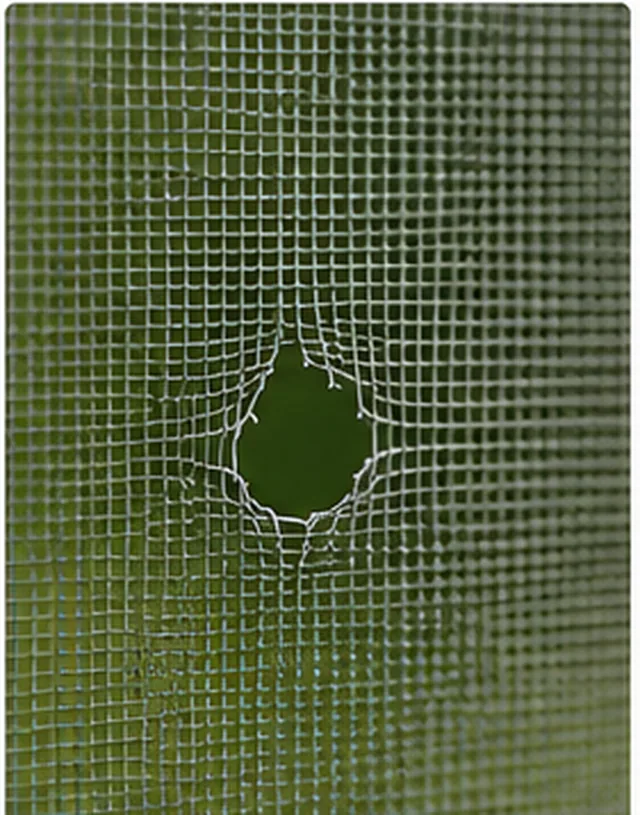 Mesh
Mesh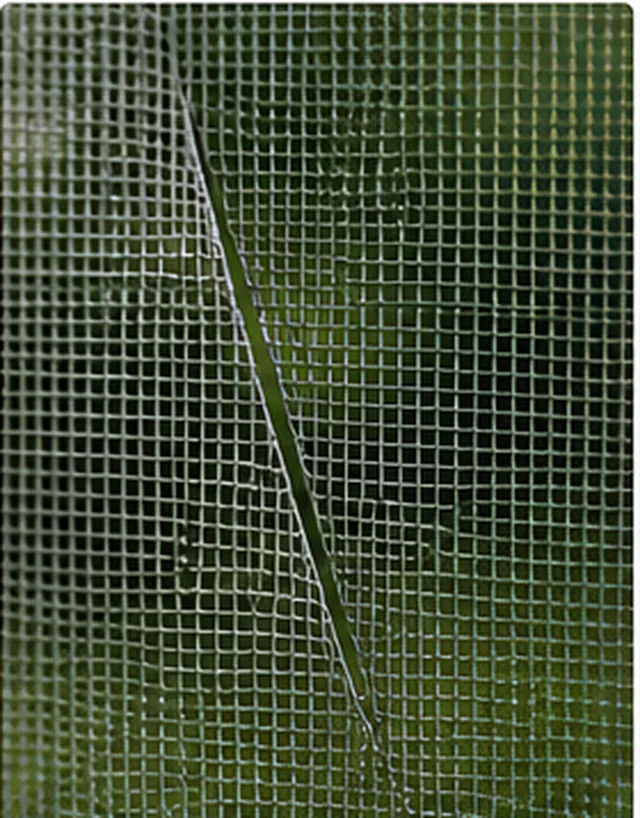 Mesh
Mesh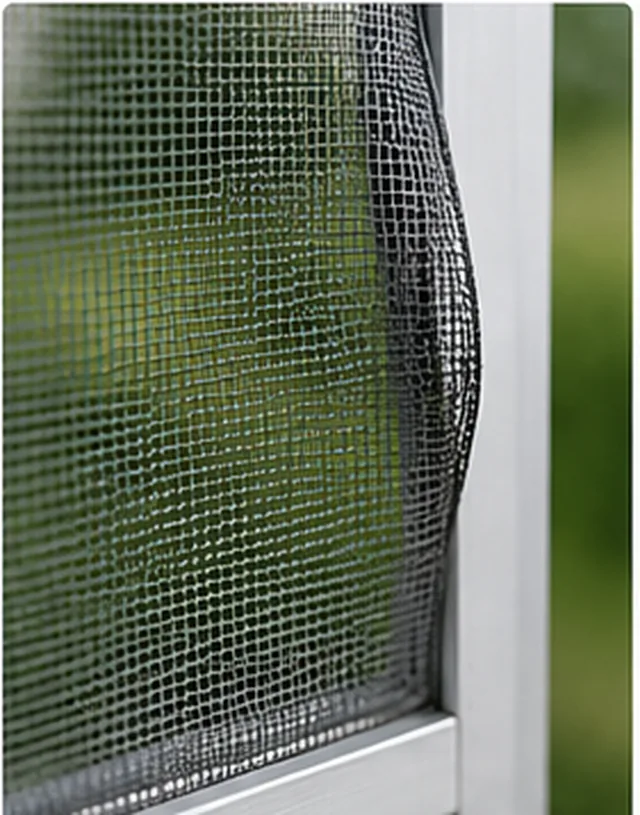 Mesh
Mesh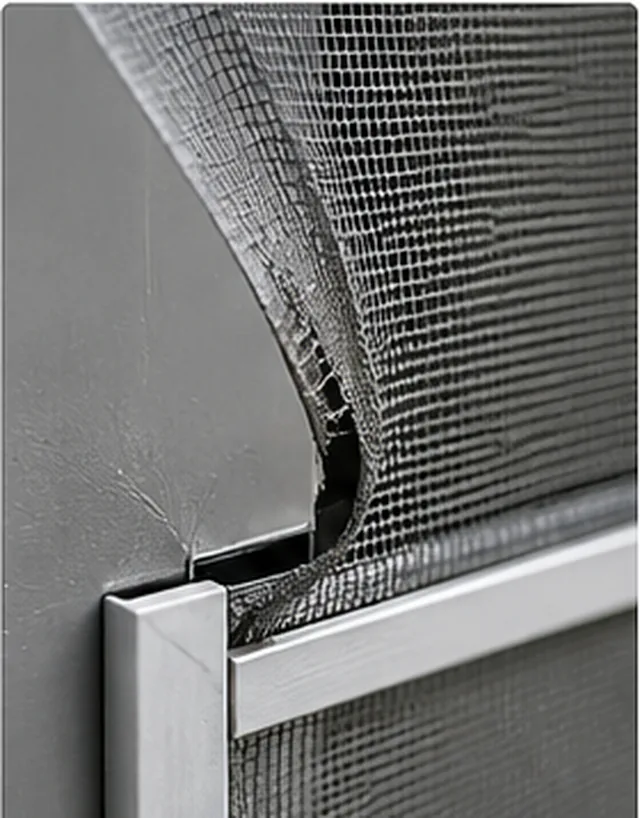 Mesh
Mesh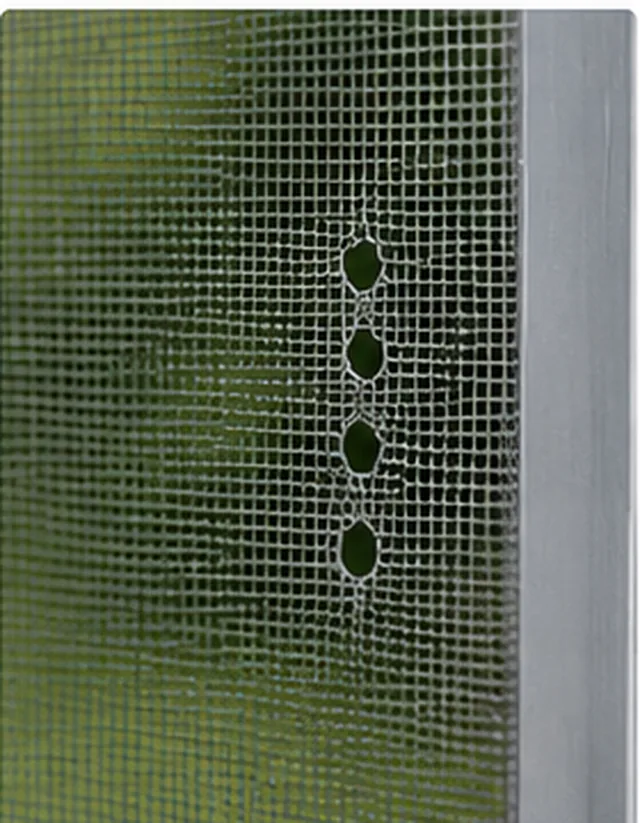 Mesh
Mesh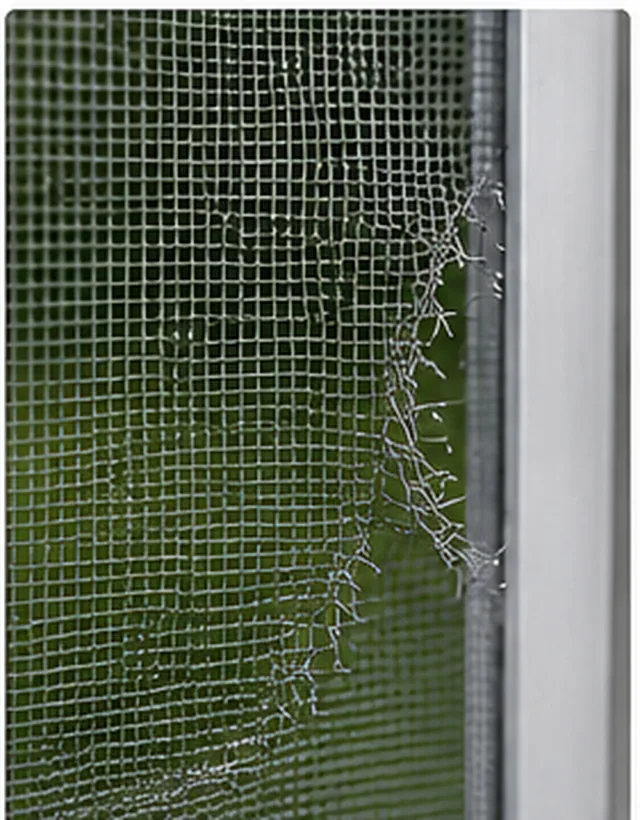 Mesh
Mesh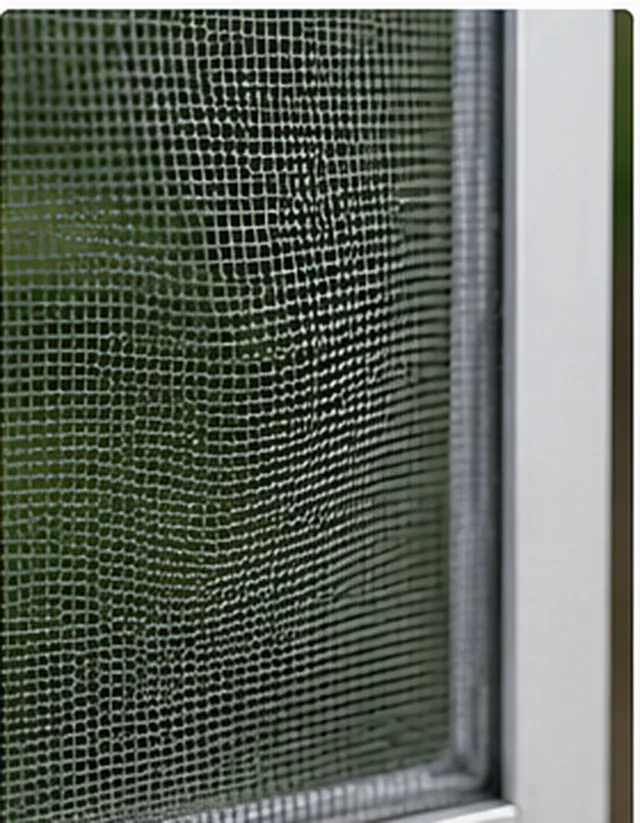 Mesh
Mesh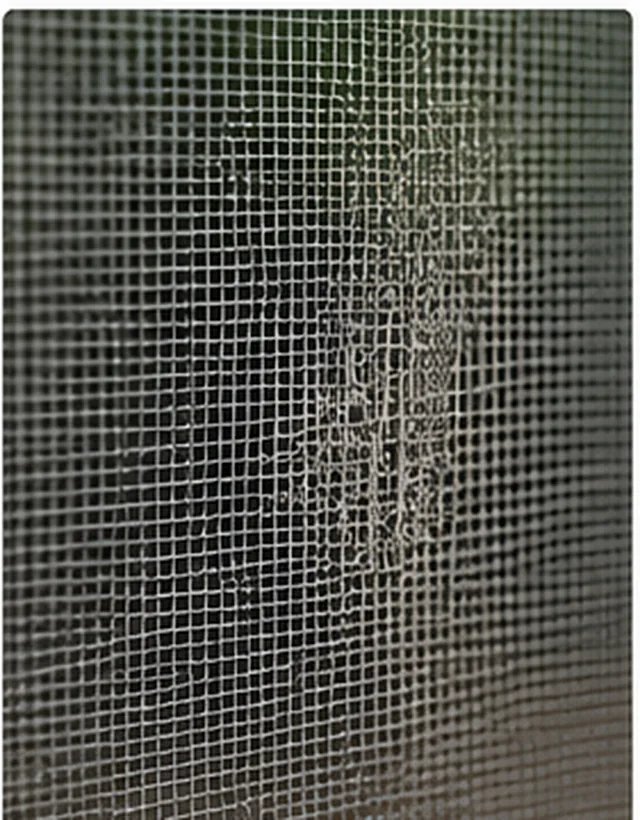 Mesh
Mesh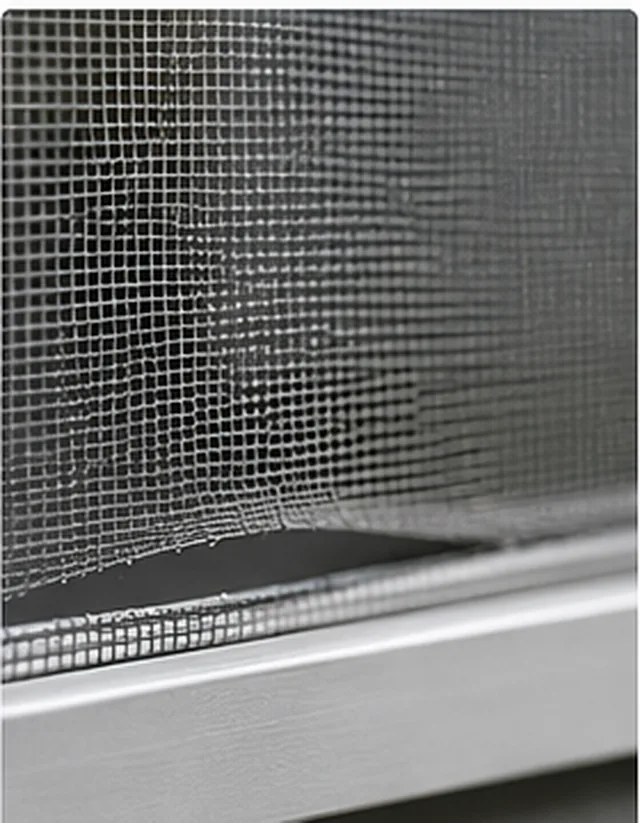 Frame
FrameThree steps
By phone or through the form. A photo helps but is not required.
We give you a time window for LaSalle, not a whole day.
We remove, repair and reinstall. You pay once you have seen and approved the work.
Do you manage a building or a business in LaSalle?
Why us
The workshop is in the vehicle: no trips to a store.
5.0from 143 Google reviews
Public and verifiable, on our Google listing.
No windows or doors to sell: we repair what you own.
6 a.m. to 8 p.m., April to October, in French and English.
7+years in the trade
Mesh taut without a ripple, frame square, rollers set.
1 yrwritten warranty
Workmanship and installation. If our work fails, we come back.
« Great service! He was at my neighbour’s and agreed to fix my back screen even though we had no appointment. Very successful repair, and inexpensive! »
« Ludovic replaced my screen in record time. Professional, and with a great sense of humour. I recommend his services — don’t hesitate to contact him, he’ll come to your home and do beautiful work. »
« Excellent service. Clear explanations of the work to be done. I really appreciated his dedication: despite the rain he insisted on finishing the job, soaked through and still smiling. The work was very well done. »
Straight answers
No. The screen panel of a patio door comes out from inside the unit: it is lifted off its track, laid flat, rescreened and put back. Nothing is done from the face of the building, whatever the floor. All that is needed is someone able to let us into the unit during the visit.
Keep them. Those frames are no longer sold, but they are rarely the problem: aluminum does not rot, and a frame that is still straight takes new mesh without difficulty. Rescreening preserves the original unit and avoids having a new frame built to a size nobody produces any more. Only what is genuinely twisted or split gets replaced.
Yes, and it is the most sensible way to proceed, provided both dwellings are accessible at the same time. Just do not assume the upstairs windows match the ones downstairs: in post-war plexes, replacements were done in batches, years apart. Each dwelling is measured separately.
Yes. We are a mobile business: we come to your home in LaSalle, remove the screens, repair them on site and reinstall them before we leave.
Replacing the mesh of a window screen, in its existing frame, starts from $30. The exact amount depends on size, mesh type and how many units you have, and the quote sets it. The more screens in the same visit, the lower the price of each. A $125 travel fee applies to every visit, whatever the number of screens — it is shared across all your items, which is why grouping them pays.
Yes: one year on fabrication and installation. If our work fails, we come back at no charge. Damage caused afterwards is not covered.
Written for LaSalle
LaSalle is a mid-sized borough on the island, and its housing stock is an unusually varied one. Three kinds of building meet here: post-war duplexes and small apartment blocks, 1950s and 1960s bungalows in the residential pockets, and apartment towers lined up along the river. Lachine, Verdun, Montréal-Ouest and Côte-Saint-Luc sit around it. That mix has a practical consequence: in LaSalle, whoever orders a screen repair is not always the person living behind it. It may be a duplex owner, an occupant on an upper floor or a bungalow owner. The work is the same, but the visit is organized differently: access to each dwelling, someone on site to open the door, the number of units to handle in the same building.
The other feature of the area is the sheer number of balconies and sliding patio doors. In a bungalow, a patio door is one opening among a dozen; in an apartment building or a tower it is often THE way outside, the one opened every day from May to September. So it wears out faster and differently: the mesh stretches in the middle from being pushed by hand, the flat rollers crush, the track fills with dust and grit. It is by far the most heavily used screen in this kind of housing, and the least well understood: when the door catches, people assume the door is finished when it is two rollers and a track. Redoing the hardware, then re-tensioning or replacing the mesh, gives back a door that rolls without touching the frame.
On a balcony patio door, everything happens from inside the unit. The screen panel lifts out of its track from the interior, is laid flat, rescreened, and put back: no outside access, no ladder, even on the tenth floor. That is worth knowing in an apartment building, because it is exactly what makes the repair possible without scaffolding or a lift. The faults are always the same three: mesh that has bellied out in the centre, worn rollers that let the panel jump the track, and the track itself, which has to be emptied and cleaned before anything goes back in. Taking the panel down is also the moment to change mesh type — a tighter weave on the river side, pet-resistant mesh where a cat climbs the panel.
In the 1950s and 1960s bungalow pockets you run into the classic narrow aluminum frame: a thin profile, a model no retailer carries any more, fitted to openings that match no size sold today. The frame is almost always salvageable — aluminum does not rot and can be straightened — and it is the mesh alone that has failed. Rescreening therefore keeps the original frame and avoids having a new one built to a dimension that cannot be found. In the post-war duplexes and small blocks the picture is less uniform: windows have been replaced in batches over the decades, so one building can carry sliders on rails on one floor and casements on another. Each dwelling is measured; nothing is inferred from the floor below.
LaSalle's constraint is multi-unit housing. In a building, the first thing to establish is who orders the work and who opens the door: the owner has the work done, but the occupants have to be there, dwelling by dwelling, since every screen comes off from the inside. A visit to a duplex or a small block is planned like a round of units, not like a house call. The second point is often misjudged: in a tower, height is not the obstacle, because nothing is done from the outside — but wind is, for the mesh. Standard mesh on a large panel high up works far harder than at ground level, and a stiffer mesh lasts longer there.
The river runs along the whole sector and supplies its share of insects: mosquitoes at dusk and finer ones — midges, no-see-ums — that cross a standard weave without slowing down. On a balcony where people sit in the evening, the tight weave is what actually changes the experience. Up high, add wind: mesh that is too soft flutters, stretches and eventually comes out of its spline groove; aluminum or a stiffer weave holds better. And in an apartment, the balcony screen is also the one the cat climbs — pet-resistant mesh prevents the claw hole that otherwise returns every spring. The working season runs April to October.