Screen rescreening (window)
From$30per screen
From Brossard, across Greater Montréal
Mobile on-site service in Dunham and nearby. Mesh, rollers, frames, patio doors.
Three questions are enough to start. The official measurement is taken on site.
Six services, one trade
One trade, done properly. We don’t sell windows — we repair window screens, and that is all we do.
 Repair
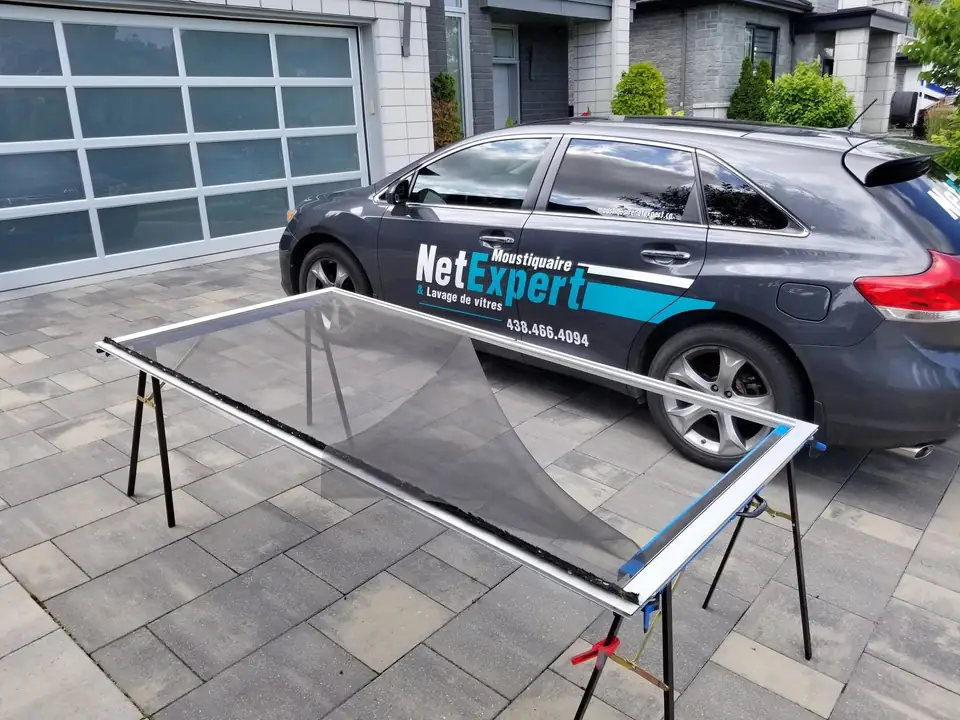
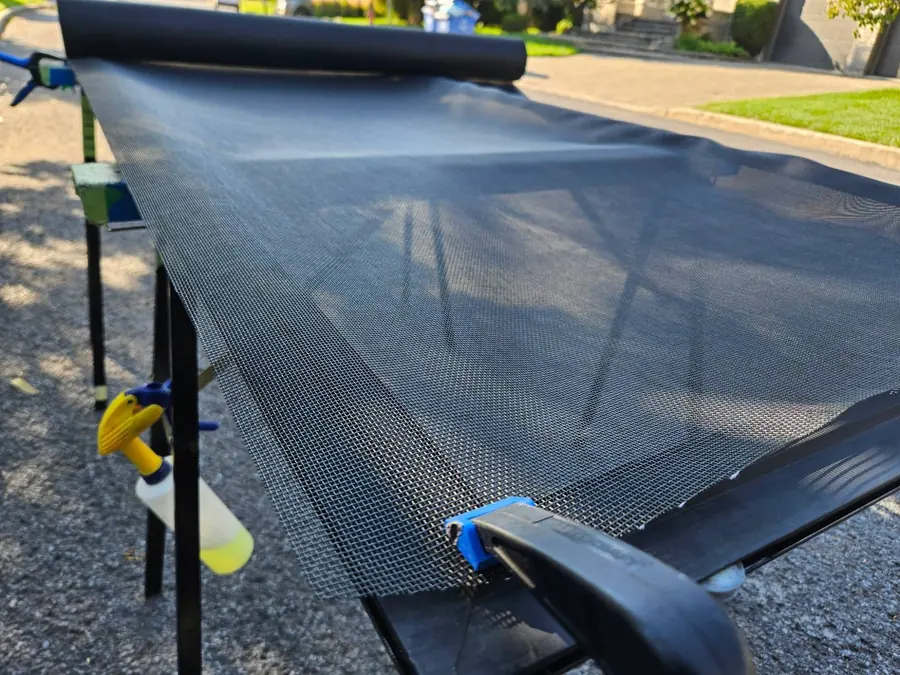
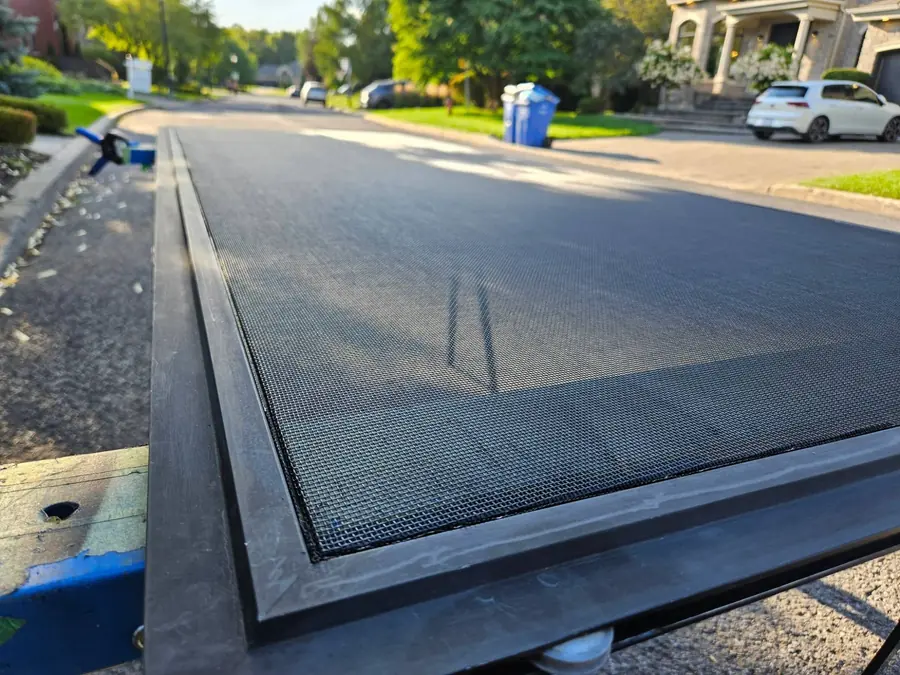
Torn, punctured or sagging mesh, replaced in your existing frame.
 Repair
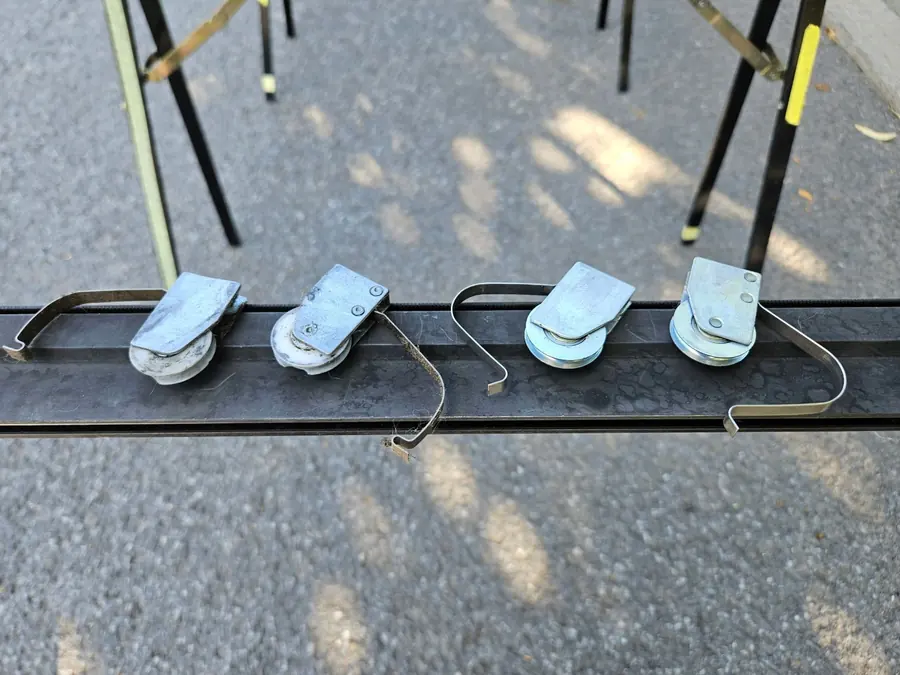
A screen that sticks, jumps the track or no longer closes.
 Repair
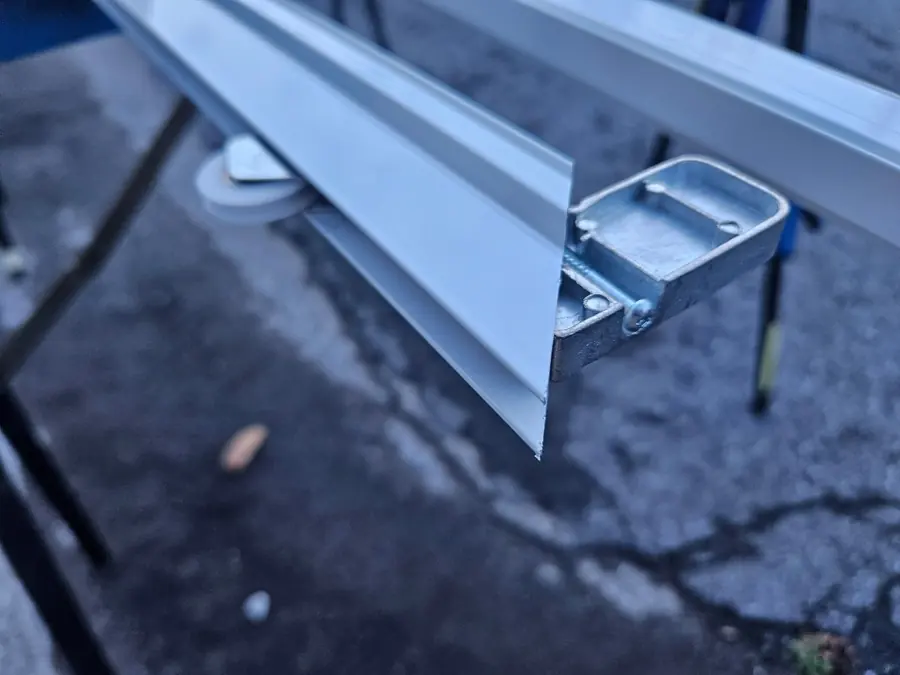
Bent frame, separated corner, split moulding.
 Repair
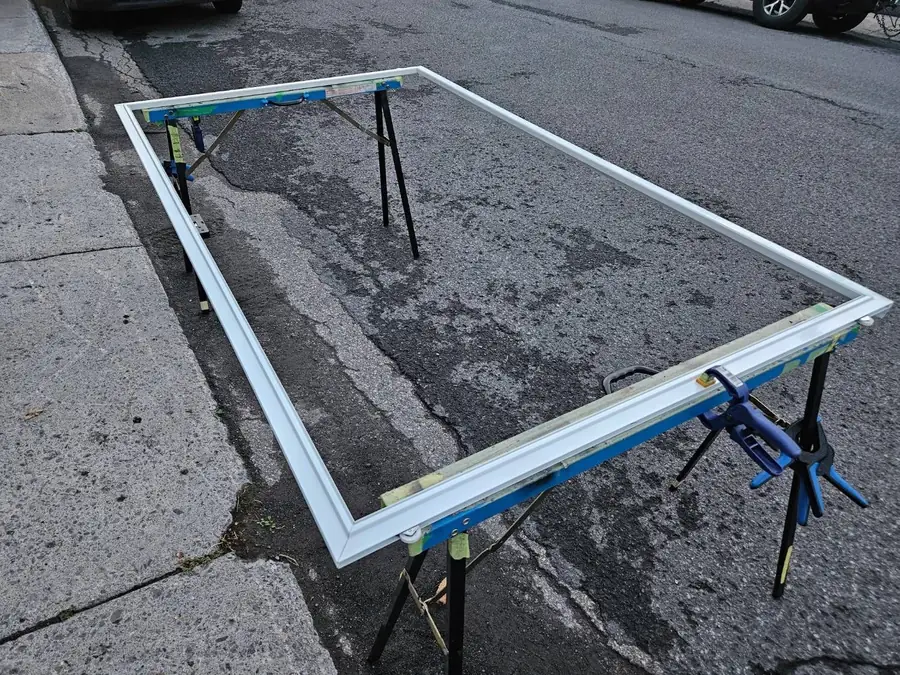
A missing screen, or an opening with no original to copy.
 Patio door
The part that breaks most often, and gets used most.
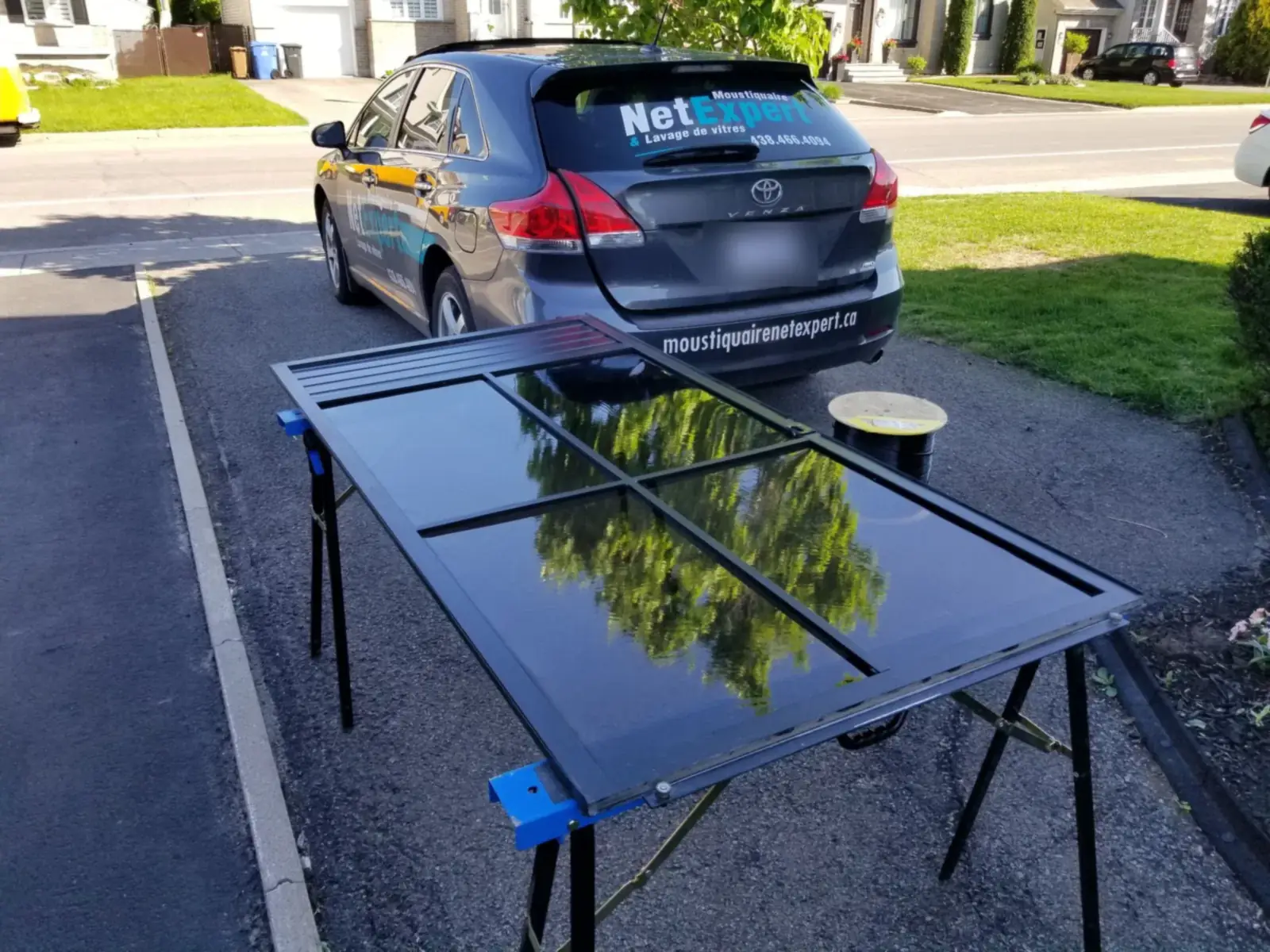 Gazebo · MICA
Screen panels and clear MICA vinyl, replaced on site.
Clear prices
Most companies in this trade publish no prices at all. Here are ours, as starting prices — the exact amount depends on size, mesh type and how many units per visit; the free quote sets it.
From$30per screen
From$30per screen
From$40per screen
From$120per screen
From$500per door
The price depends on the panel count and the vinyl: set on site.
A $125 travel fee applies to every visit, whatever the number of screens — it is shared across all your items, which is why grouping them pays.
$125
Grouping several screens in one visit brings the price of each one down: the travel fee is shared. An exact quote is free and reaches you promptly.
1-year warranty on fabrication and installation. Damage caused by the client is not covered. Payment: Visa, MasterCard, Interac, Bank transfer.
Any price provided is strictly a summary estimate. If work must be added once on site, prices will be adjusted — and always explained before we start.
Not all mesh is equal, and the right one depends on your window, your pets and your surroundings. We carry all four types in the vehicle — the choice happens at your home, not in a store.
Ten kinds of damage, one answer
If your screen looks like any of these, it can be repaired. Tap one to request a quote for that exact damage. We rarely replace a whole frame — in most cases only the mesh needs redoing.
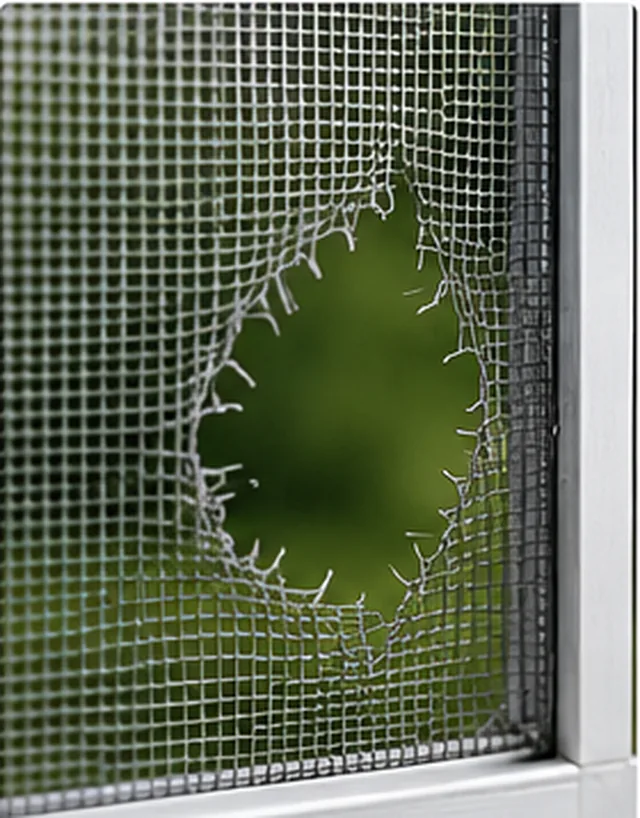 Mesh
Mesh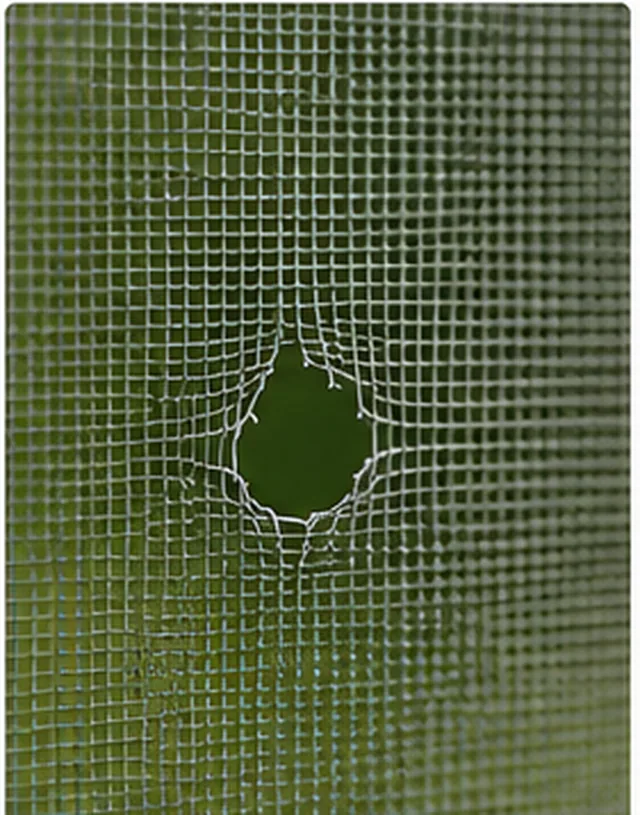 Mesh
Mesh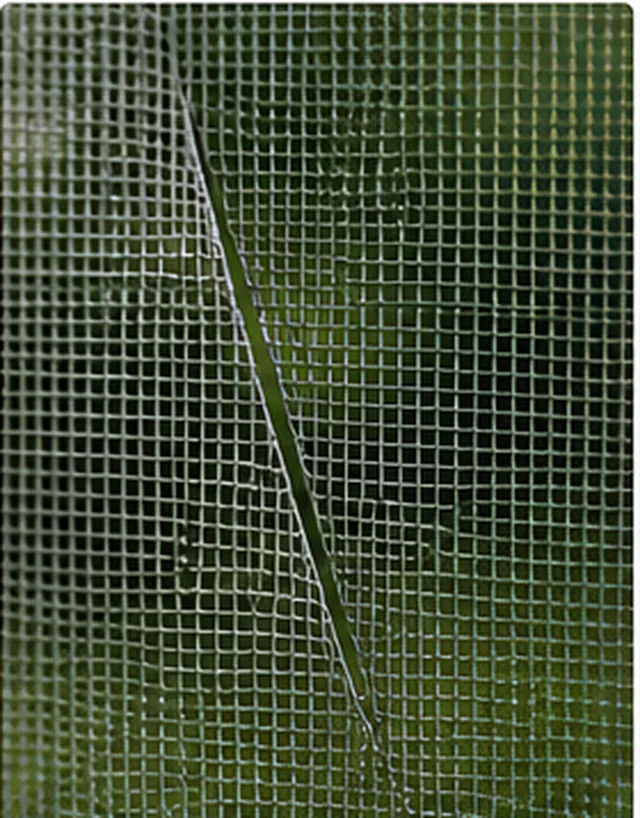 Mesh
Mesh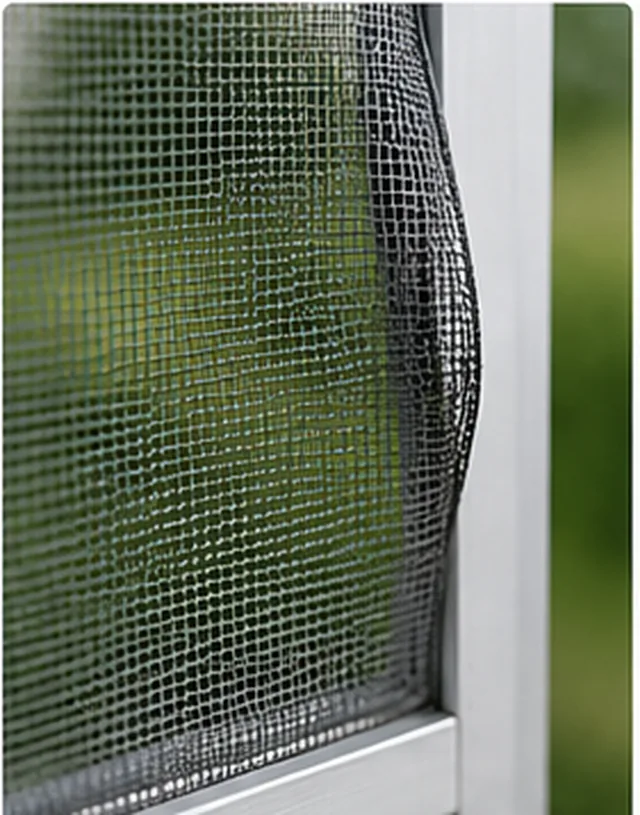 Mesh
Mesh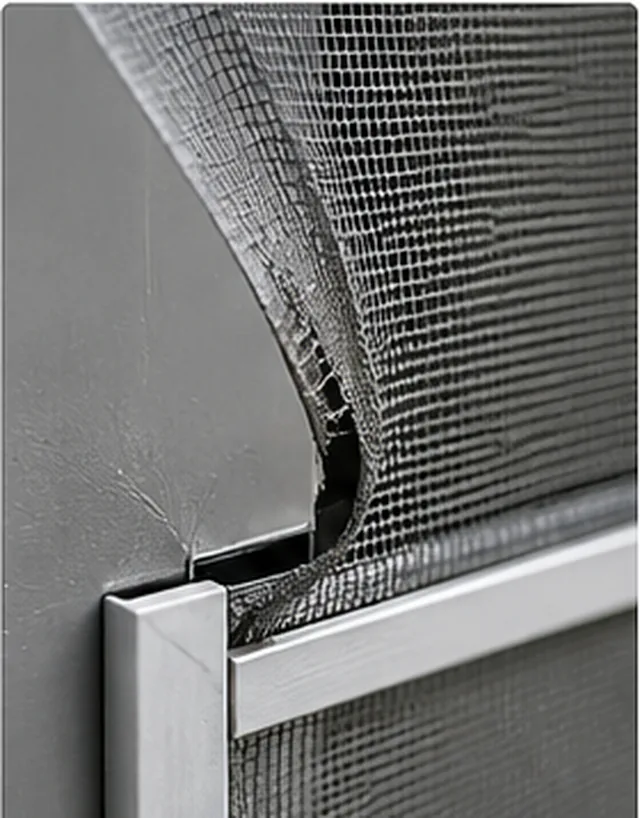 Mesh
Mesh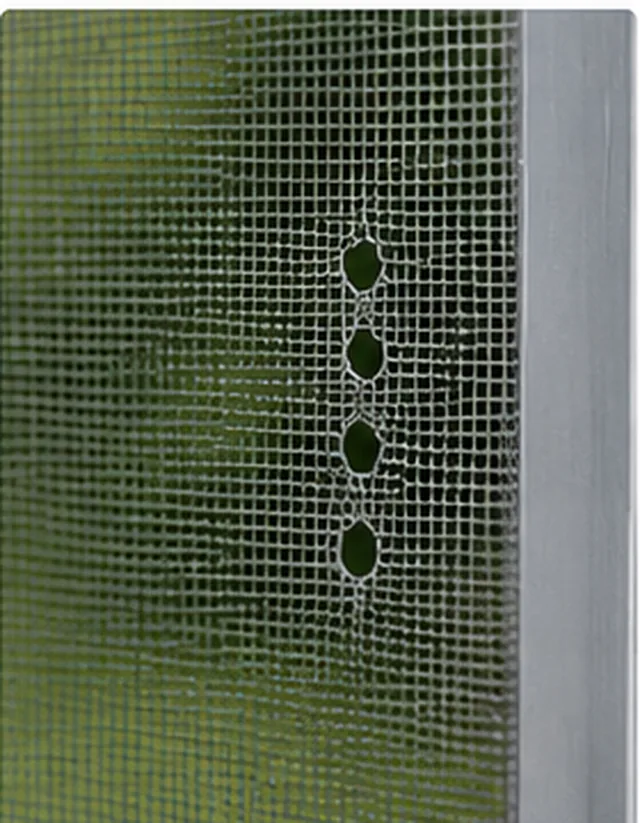 Mesh
Mesh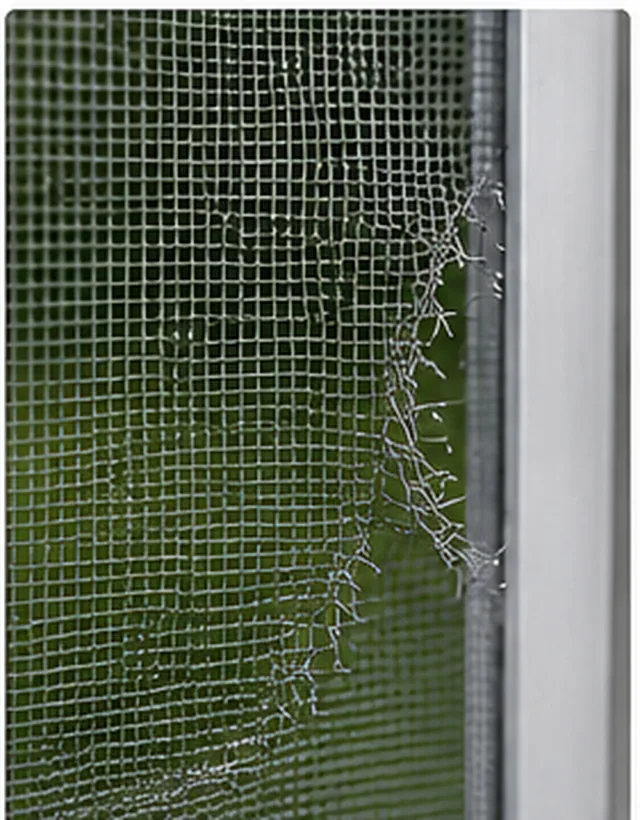 Mesh
Mesh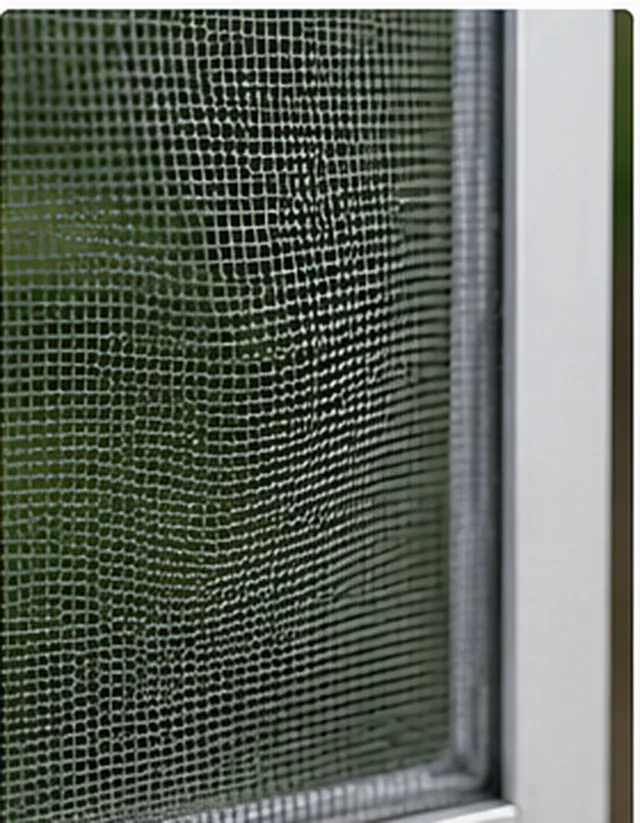 Mesh
Mesh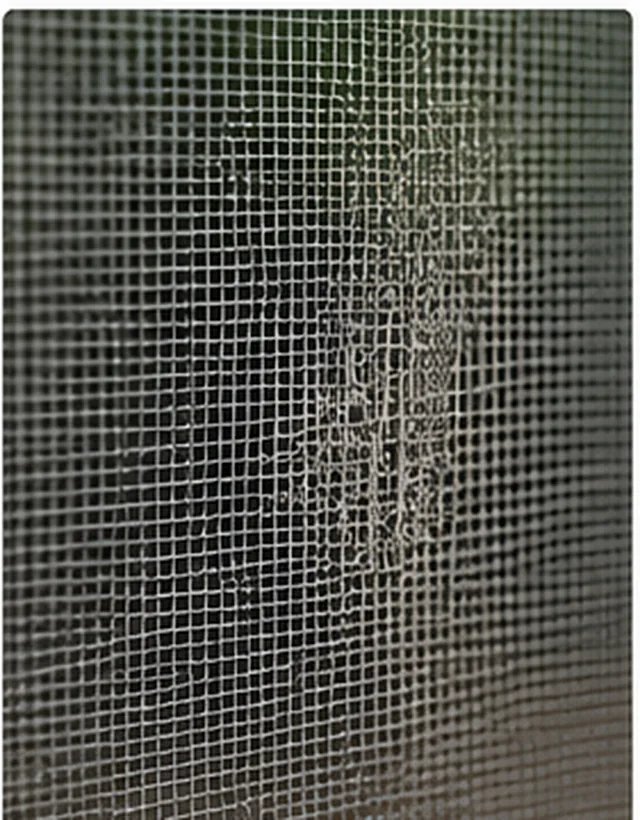 Mesh
Mesh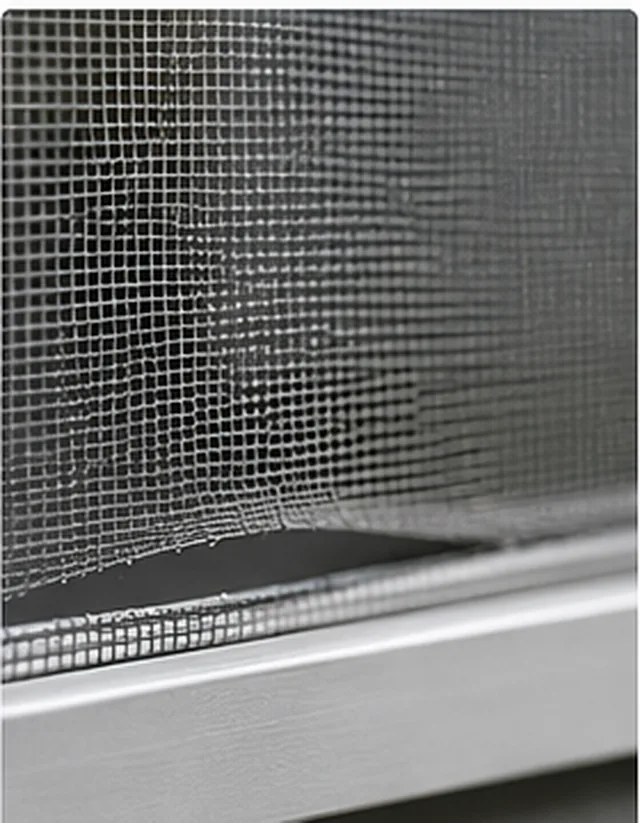 Frame
FrameThree steps
By phone or through the form. A photo helps but is not required.
We give you a time window for Dunham, not a whole day.
We remove, repair and reinstall. You pay once you have seen and approved the work.
Do you manage a building or a business in Dunham?
Why us
The workshop is in the vehicle: no trips to a store.
5.0from 143 Google reviews
Public and verifiable, on our Google listing.
No windows or doors to sell: we repair what you own.
6 a.m. to 8 p.m., April to October, in French and English.
7+years in the trade
Mesh taut without a ripple, frame square, rollers set.
1 yrwritten warranty
Workmanship and installation. If our work fails, we come back.
« Excellent service. Clear explanations of the work to be done. I really appreciated his dedication: despite the rain he insisted on finishing the job, soaked through and still smiling. The work was very well done. »
« Great service! He was at my neighbour’s and agreed to fix my back screen even though we had no appointment. Very successful repair, and inexpensive! »
« Ludovic replaced my screen in record time. Professional, and with a great sense of humour. I recommend his services — don’t hesitate to contact him, he’ll come to your home and do beautiful work. »
Straight answers
Yes. On a double-hung, the screen sits between the two sashes or in the rebate and covers only the operating half — nothing is screwed into the glazing or the muntins. The actual rebate is measured, a thin frame is built to the original proportion, and the façade looks the same from the road as it did before the work.
Everything happens on site in one visit: each opening measured, salvageable frames rescreened, the rest custom-built. Because properties in Dunham are spread out, it is worth having the full inventory ready beforehand — windows on both floors, porch doors, gazebo — rather than discovering a forgotten unit after the work is already finished.
Not if the joints are still tight. A wooden frame repainted several times but square at the corners can be rescreened, and it will keep the original proportion that no store-bought unit will have on a 19th-century house. It only gets replaced when it is split, twisted or open at the corners — and the new piece then repeats the same dimensions.
Yes. We are a mobile business: we come to your home in Dunham, remove the screens, repair them on site and reinstall them before we leave.
Replacing the mesh of a window screen, in its existing frame, starts from $30. The exact amount depends on size, mesh type and how many units you have, and the quote sets it. The more screens in the same visit, the lower the price of each. A $125 travel fee applies to every visit, whatever the number of screens — it is shared across all your items, which is why grouping them pays.
Yes: one year on fabrication and installation. If our work fails, we come back at no charge. Damage caused afterwards is not covered.
Written for Dunham
In Dunham, everything starts with the double-hung window. The loyalist village left behind 19th-century brick and stone houses whose openings are tall, narrow and divided into small panes — a window type that dictates its own kind of screen. On a double-hung, the screen sits between the two sashes and covers the operating half, not the whole opening: it is a short, wide piece, mounted outside or set into the rebate depending on how the window was restored. Around the built-up village, the Brome-Missisquoi countryside adds farms, vineyards and renovated country houses, where the same old openings turn up, sometimes doubled with modern windows fitted on the inside. Either way the constraint is identical: these screens are not replaced with a hardware-store model, they are rebuilt to the measurements of the house. That single fact shapes the work here, in the village core and on the surrounding farms and vineyards alike.
The other thing about a building stock this old is that the screen is part of the way the façade looks. On a 19th-century brick house, a frame that is too thick or a colour that jumps out is visible from the road, while a thin dark frame disappears behind the small panes. That is an argument for keeping existing frames whenever they can be saved: a wooden frame painted ten times over but still tight at the joints can be rescreened, and it will keep the original proportion that a store-bought unit never has. When the frame is split or the corners have opened up, the custom-built replacement repeats the same dimensions — which means measuring each opening separately, because on an old house two windows that look identical can differ by half an inch. It is a small difference on paper, and the reason a catalogue order arrives useless.
On an old double-hung, the screen works vertically and takes the sash against it every time the window is opened. That is why fibreglass mesh waves over time there: nothing holds its shape. Aluminum is the better fit, since it stays flat and does not deform where it meets the wood. On these same houses, it is common for the original screen to have vanished and for an approximate panel to have been screwed on in its place. Rebuilding the piece at the right size settles two things at once: the insect seal, which depends entirely on the gap around the perimeter, and the look of the window from outside. The measurement is taken from the actual rebate, never from the apparent width of the wooden casing.
Renovated country houses and farm buildings bring the rest of the work. A renovation from recent decades will often have introduced casements — inside screen, lifted out on its latches, rescreened in its frame with no ladder — or a patio door at the back, with stretched mesh and worn rollers. On Dunham properties you also have to count the screens that are not windows: the porch door, the summer kitchen door, a gazebo set up near the garden or the vines. A gazebo is redone panel by panel, in mesh for summer and in clear film when the structure needs to stay usable later in the season. That inventory is worth doing before calling, because it changes the time to plan for on site entirely.
Dunham is a large, thinly built municipality: the village accounts for a handful of streets and the rest is strung along country roads between farms and vineyards. One property can sit several kilometres from the next. The practical consequence is simple — coming back for a forgotten unit is not as easy as it is in a suburb, so it pays to do the full round beforehand: upstairs windows, porch door, gazebo. The second constraint is height. Houses from the 19th century have upper floors and windows that cannot be reached from the ground. A double-hung screen is then worked from inside, lifted out through the open sash, which avoids the ladder but does mean having access to the rooms.
Around Dunham you are in open country: fields, woodlots, vines, and often a stream or a damp ditch nearby. The insect pressure has nothing in common with a suburban street, and spring brings black flies before mosquitoes. This is the textbook case for no-see-um mesh: its tight weave stops what ordinary screening lets through, on a veranda or a porch door where you actually want to sit in the evening. On double-hung windows, aluminum remains the best compromise because it keeps its shape. And near a barn or an outbuilding, pet-resistant mesh keeps a cat from settling the question its own way.