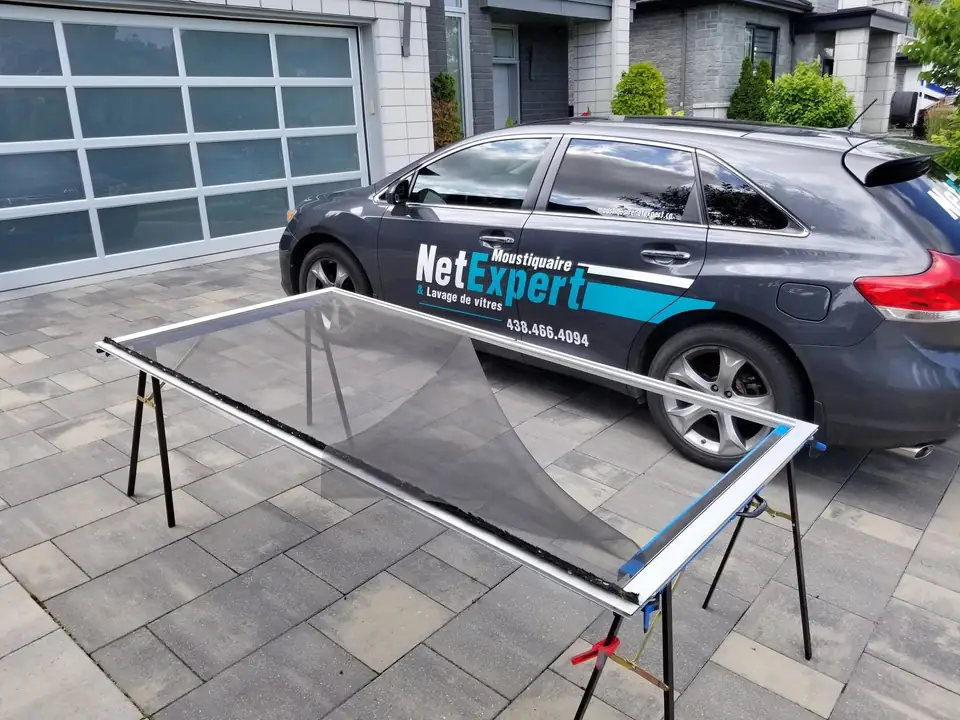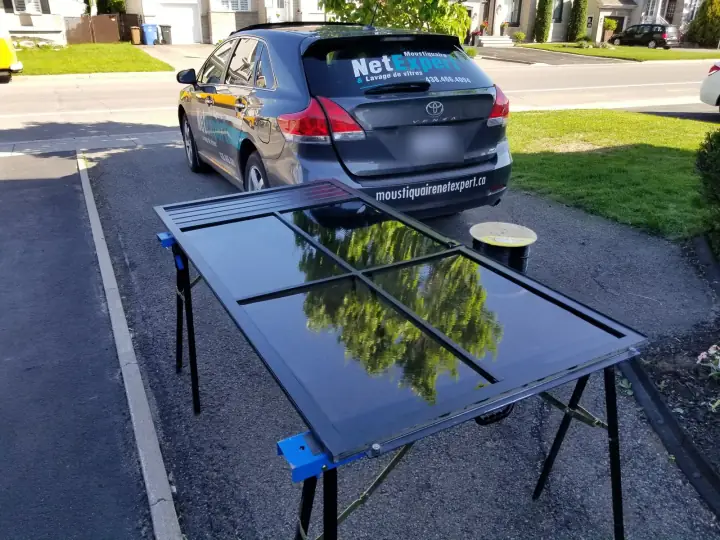
Screen rescreening (window)
From$30per screen
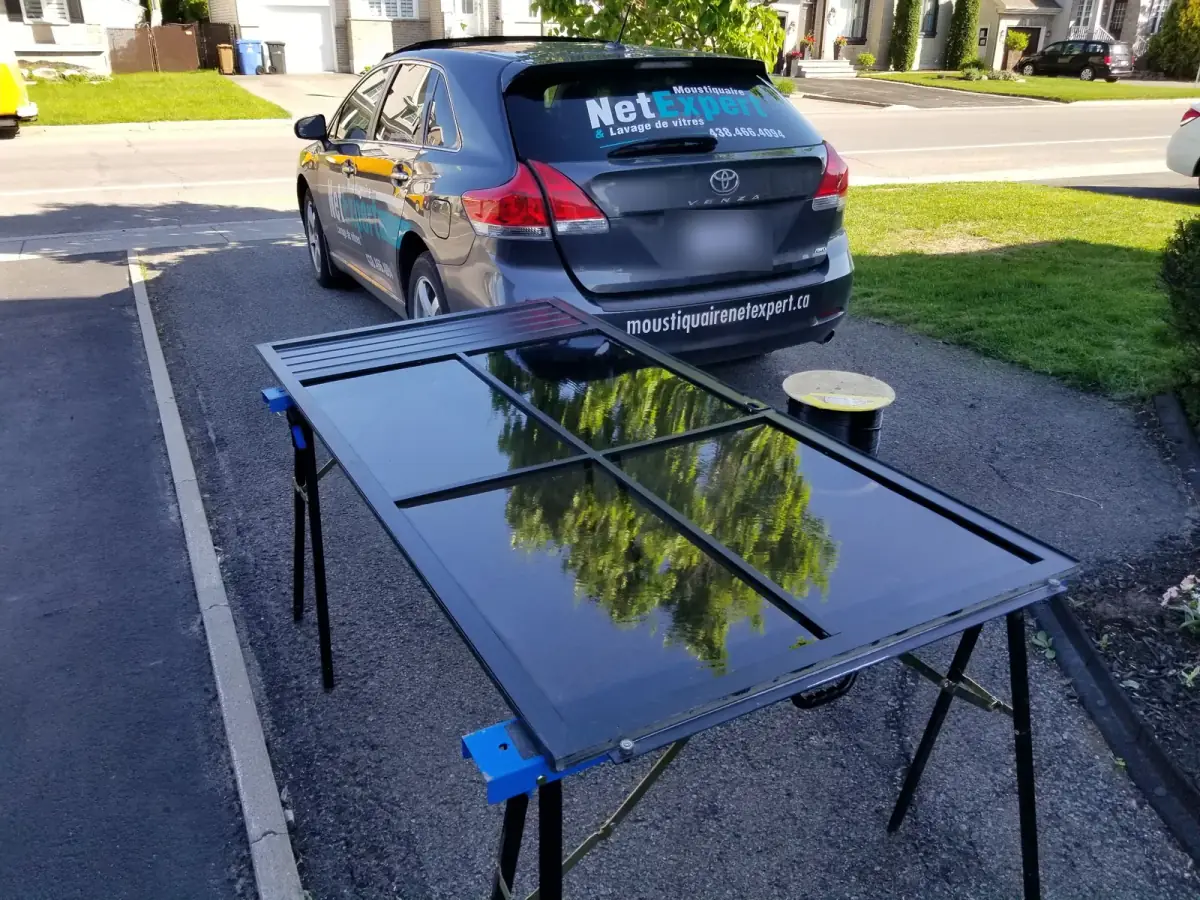
From Brossard, across Greater Montréal
Mobile on-site service in Farnham and nearby. Mesh, rollers, frames, patio doors.
Three questions are enough to start. The official measurement is taken on site.
Six services, one trade
One trade, done properly. We don’t sell windows — we repair window screens, and that is all we do.
 Repair
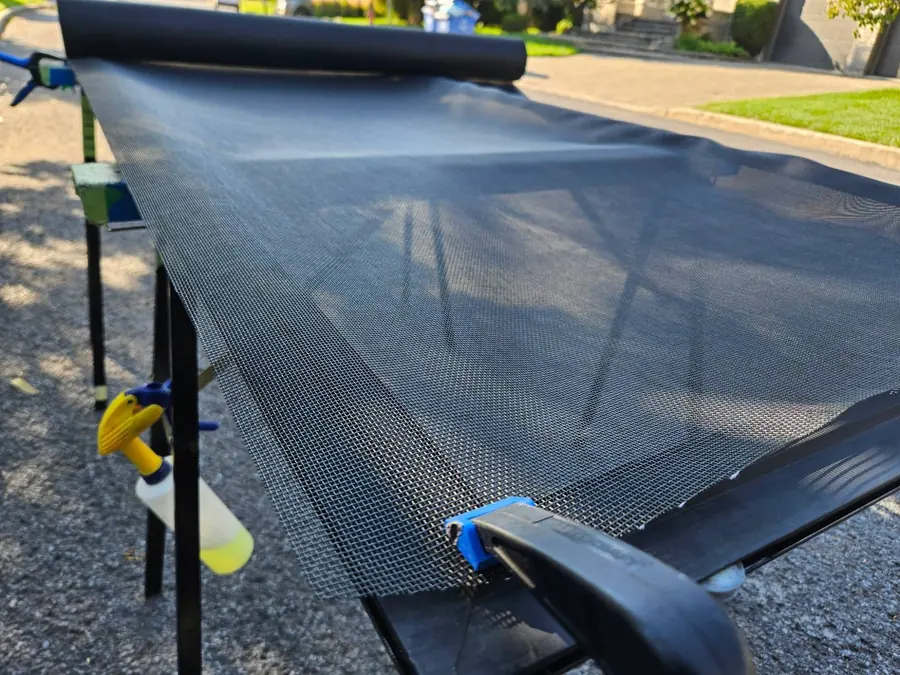
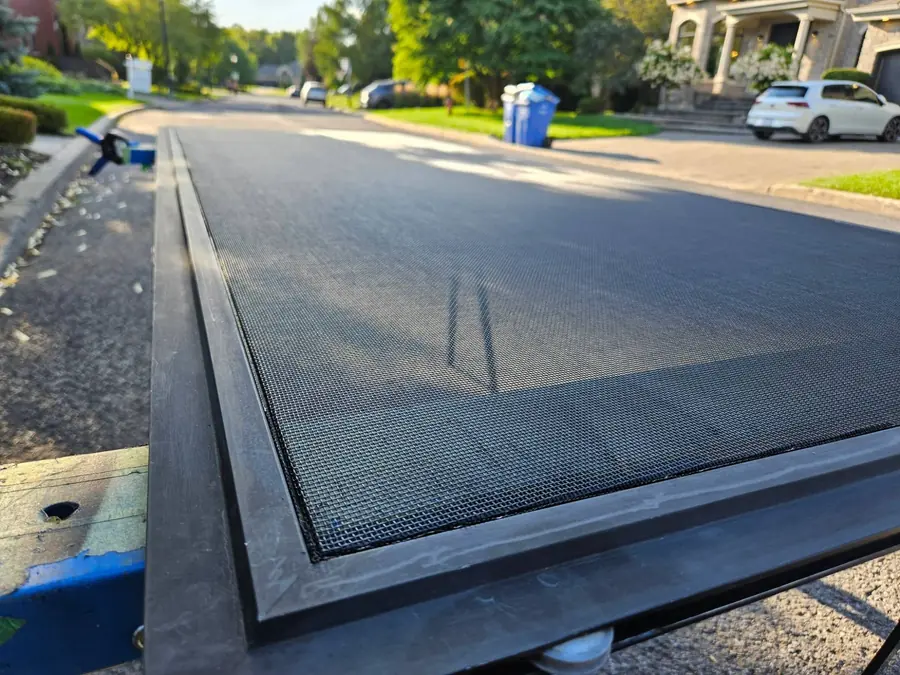
Torn, punctured or sagging mesh, replaced in your existing frame.
 Repair
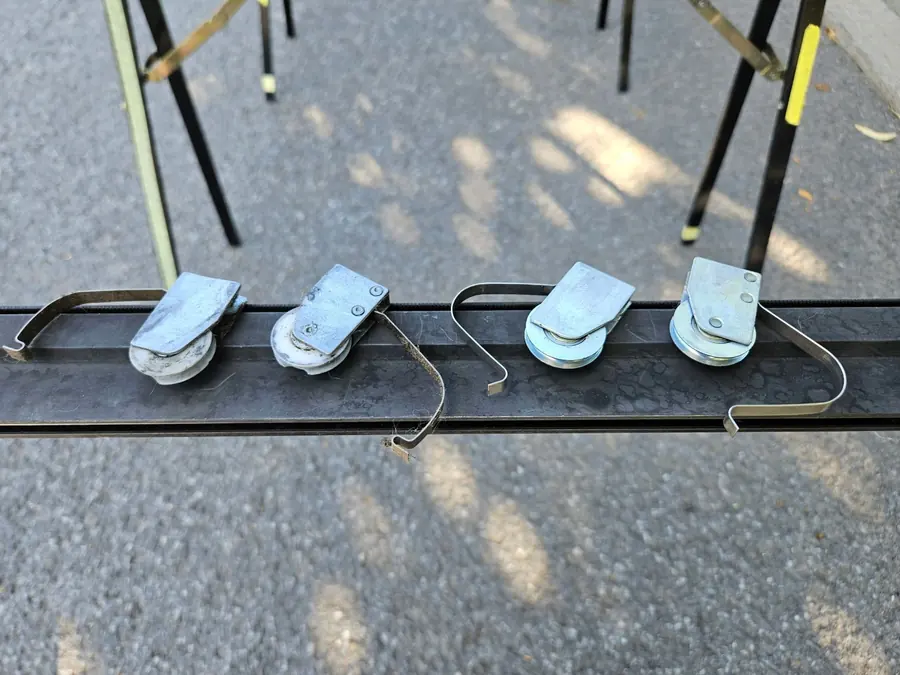
A screen that sticks, jumps the track or no longer closes.
 Repair
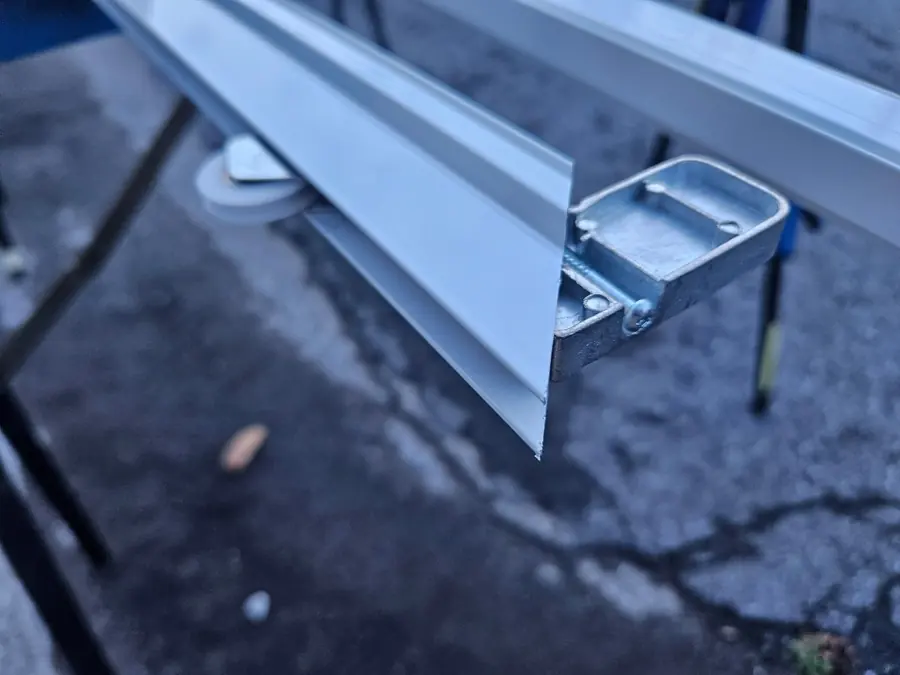
Bent frame, separated corner, split moulding.
 Repair
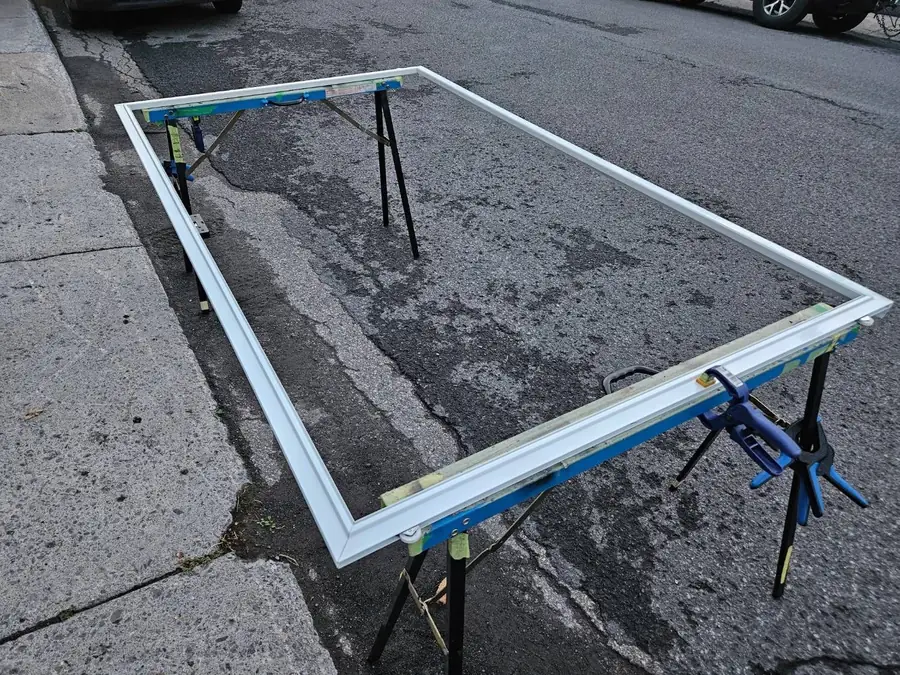
A missing screen, or an opening with no original to copy.
 Patio door
The part that breaks most often, and gets used most.
 Gazebo · MICA
Screen panels and clear MICA vinyl, replaced on site.
Clear prices
Most companies in this trade publish no prices at all. Here are ours, as starting prices — the exact amount depends on size, mesh type and how many units per visit; the free quote sets it.
From$30per screen
From$30per screen
From$40per screen
From$120per screen
From$500per door
The price depends on the panel count and the vinyl: set on site.
A $125 travel fee applies to every visit, whatever the number of screens — it is shared across all your items, which is why grouping them pays.
$125
Grouping several screens in one visit brings the price of each one down: the travel fee is shared. An exact quote is free and reaches you promptly.
1-year warranty on fabrication and installation. Damage caused by the client is not covered. Payment: Visa, MasterCard, Interac, Bank transfer.
Any price provided is strictly a summary estimate. If work must be added once on site, prices will be adjusted — and always explained before we start.
Not all mesh is equal, and the right one depends on your window, your pets and your surroundings. We carry all four types in the vehicle — the choice happens at your home, not in a store.
Ten kinds of damage, one answer
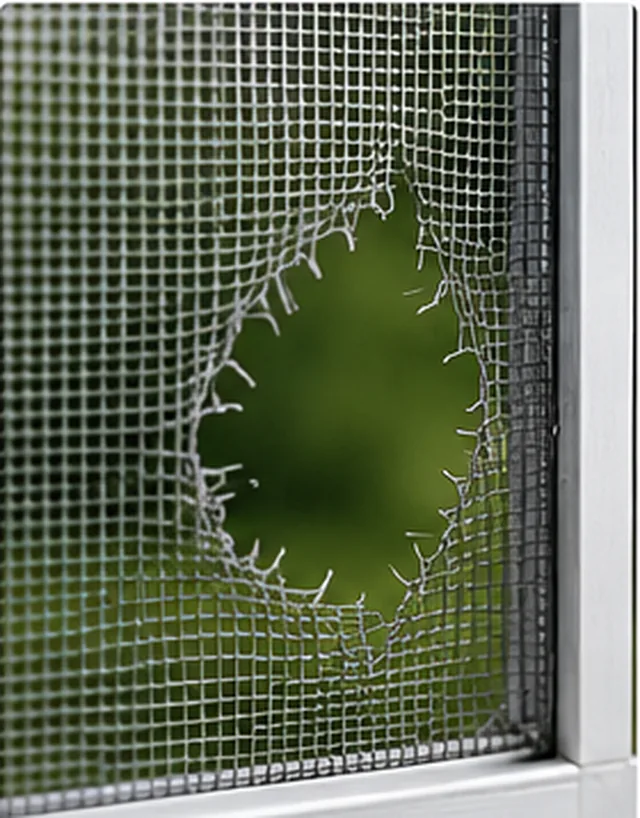
If your screen looks like any of these, it can be repaired. Tap one to request a quote for that exact damage. We rarely replace a whole frame — in most cases only the mesh needs redoing.
 Mesh
Mesh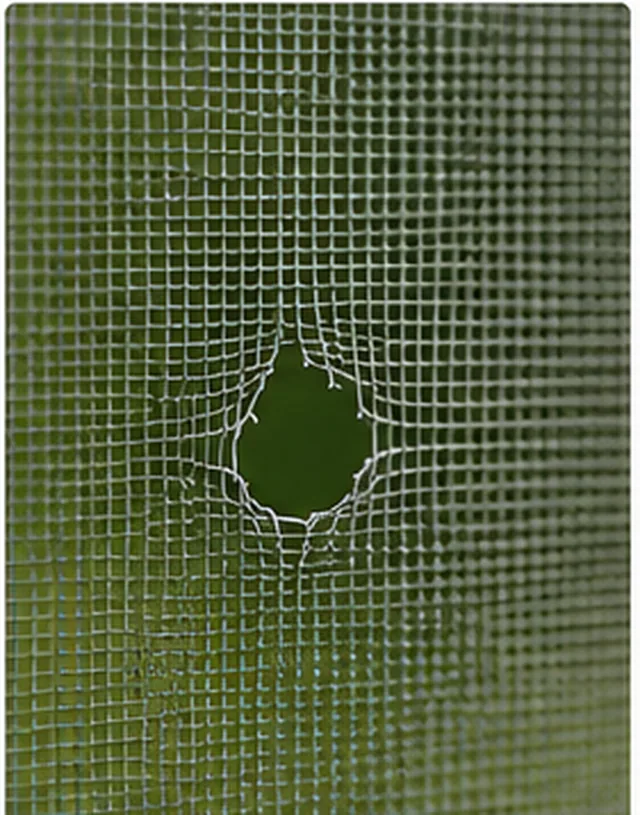 Mesh
Mesh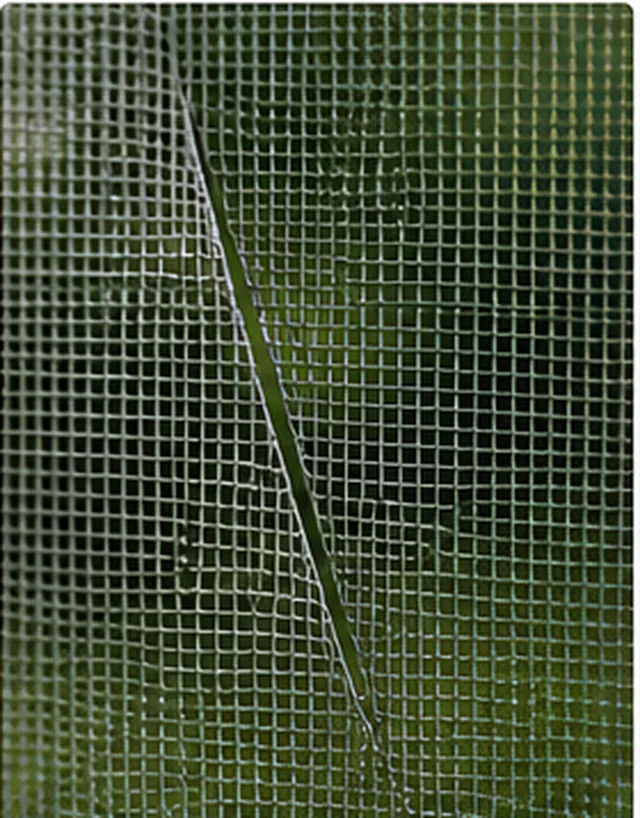 Mesh
Mesh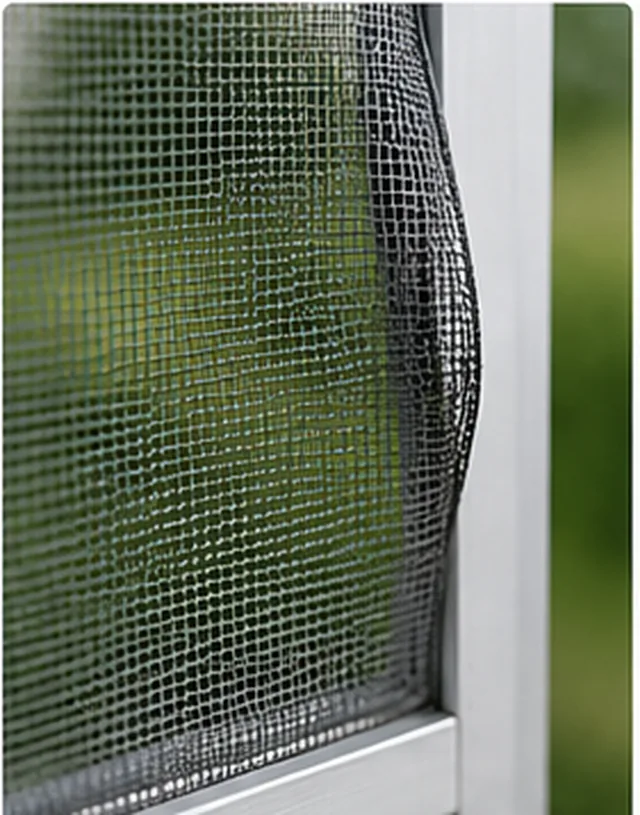 Mesh
Mesh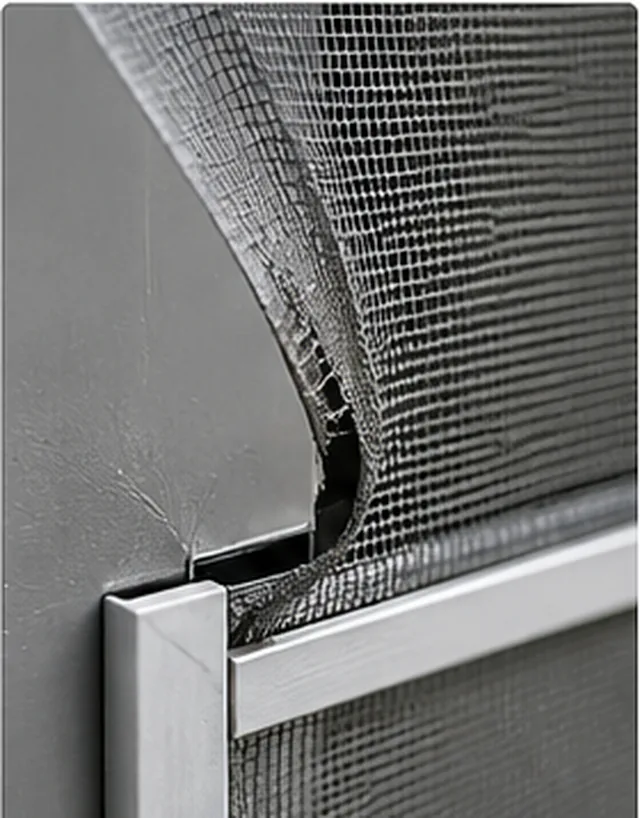 Mesh
Mesh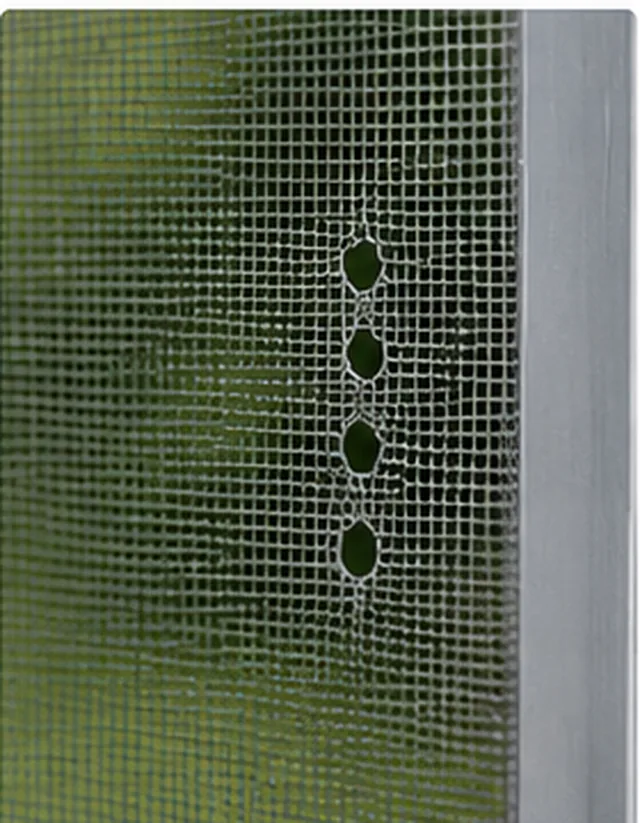 Mesh
Mesh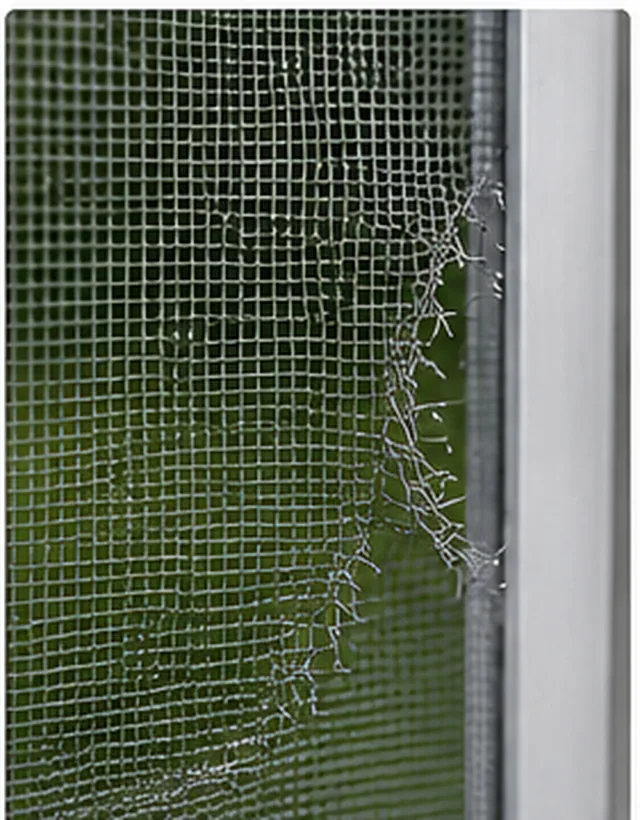 Mesh
Mesh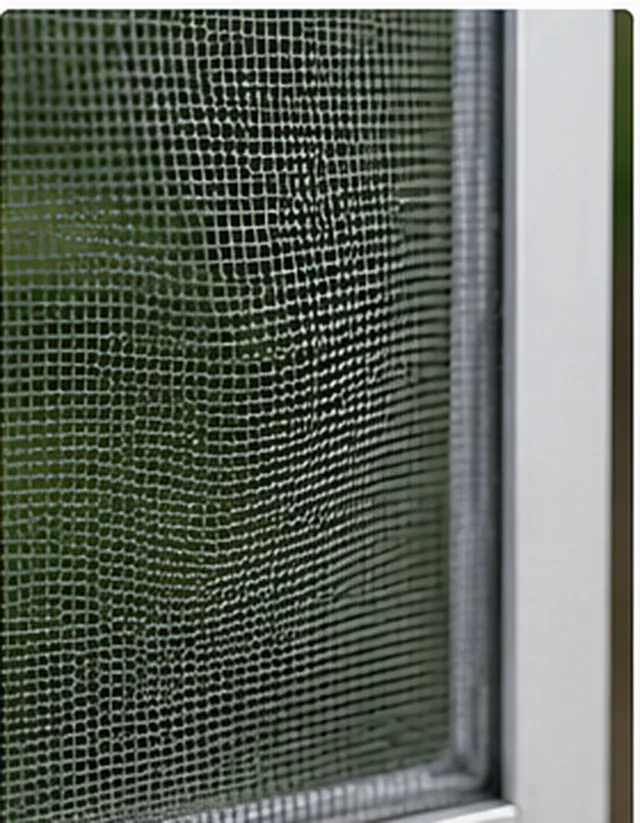 Mesh
Mesh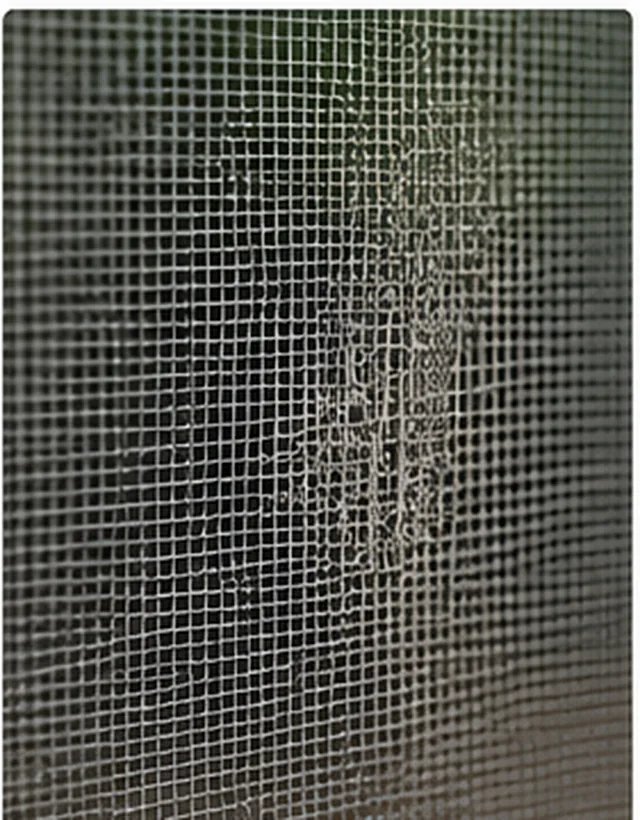 Mesh
Mesh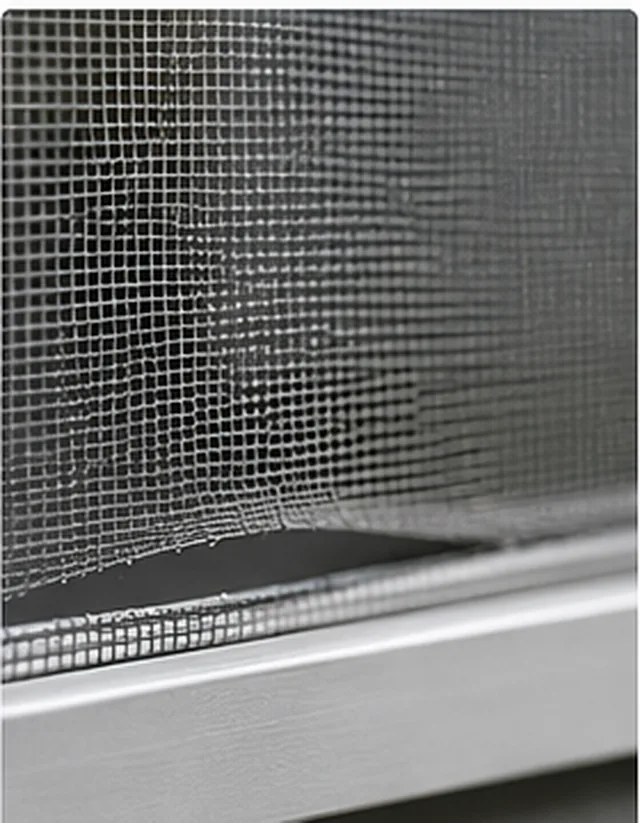 Frame
FrameThree steps
By phone or through the form. A photo helps but is not required.
We give you a time window for Farnham, not a whole day.
We remove, repair and reinstall. You pay once you have seen and approved the work.
Do you manage a building or a business in Farnham?
Why us
The workshop is in the vehicle: no trips to a store.
5.0from 143 Google reviews
Public and verifiable, on our Google listing.
No windows or doors to sell: we repair what you own.
6 a.m. to 8 p.m., April to October, in French and English.
7+years in the trade
Mesh taut without a ripple, frame square, rollers set.
1 yrwritten warranty
Workmanship and installation. If our work fails, we come back.
« Excellent service. Clear explanations of the work to be done. I really appreciated his dedication: despite the rain he insisted on finishing the job, soaked through and still smiling. The work was very well done. »
« Great service! He was at my neighbour’s and agreed to fix my back screen even though we had no appointment. Very successful repair, and inexpensive! »
« Ludovic replaced my screen in record time. Professional, and with a great sense of humour. I recommend his services — don’t hesitate to contact him, he’ll come to your home and do beautiful work. »
Straight answers
That is the standard wear pattern on an old screen door: the frame sags on the handle side and the mesh gives out where it gets pushed. New mesh goes on taut, the frame is squared and re-joined if the corners have opened, and the hardware gets gone through — hinges, spring, latch. A door that will not close on its own undoes the rest of the work.
Yes, and it is done panel by panel without dismantling the structure. On a span that size, aluminum holds its tension better than fibreglass, which balloons. If you want to use the gallery later into the season, clear film replaces the mesh on the same panels and blocks the wind. The dimensions are taken on site rather than ordered ahead.
Usually from inside. On a double-hung, the screen comes out through the open sash; on a casement, it unclips from the room on its latches. A gallery roof makes a ladder awkward, and it is not needed when the window type allows the unit to be taken out from indoors, rescreened and put straight back.
Yes. We are a mobile business: we come to your home in Farnham, remove the screens, repair them on site and reinstall them before we leave.
Replacing the mesh of a window screen, in its existing frame, starts from $30. The exact amount depends on size, mesh type and how many units you have, and the quote sets it. The more screens in the same visit, the lower the price of each. A $125 travel fee applies to every visit, whatever the number of screens — it is shared across all your items, which is why grouping them pays.
Yes: one year on fabrication and installation. If our work fails, we come back at no charge. Damage caused afterwards is not covered.
Written for Farnham
In Farnham, the covered gallery is as much part of the building stock as the windows are. The late 19th-century wooden workers' houses left by the town's railway and military past often carry a front gallery, sometimes with a door opening onto it and sometimes a closed-in section. That changes the inventory: in a house like that, screens are not only on the windows — there is one on the gallery door, one on the back kitchen door, and sometimes panels closing in part of the gallery itself. Those are larger surfaces than a window, handled far more often, and they are the ones that give out first. Out toward the edges of town, the post-war bungalow neighbourhoods and the newer construction bring the picture back to an ordinary suburb: sliders, casements and patio doors. So the list of work depends on which part of Farnham the house stands in.
Wood dictates the rest. On a house from the end of the 19th century, the original screen frames are wooden, and wood moves: it swells in summer, shrinks in winter, and the joints eventually open at the corners so the mesh loses its tension before it is even punctured. A frame whose corners are still tight can be rescreened and will run for years. A frame whose joinery has let go has to be rebuilt, and it is rebuilt to the real dimensions of the opening — because in a house this old, two openings that look alike almost never measure alike. The post-war bungalows in the rest of town pose the opposite problem: narrow aluminum frames, often still perfectly straight, in sizes no retailer carries. There too, rescreening is the obvious route rather than a replacement nobody sells.
The gallery door is the piece that needs the most attention in older Farnham. A wooden screen door is opened and closed all summer long, its frame sags on the handle side, and the mesh tears first at hand height, right where it gets pushed. New mesh goes on taut, the frame is squared and re-joined if the corners have opened, and the hardware — spring, hinges, latch — is dealt with at the same time, because a door that does not close cancels out everything else. On gallery sections closed in with mesh, the span is long: standard fibreglass balloons, aluminum holds better, and clear film lets the gallery be closed off when the season turns. Those panels are redone one at a time, without dismantling the structure.
At the windows, it depends on what renovations the house has been through. On workers' houses close to their original state you find double-hungs: the screen sits between the two sashes, works vertically, and aluminum keeps its shape there better than fibreglass, which waves where it meets the sash. On the houses that have been redone, casements dominate, with an inside screen that unclips on its latches and is rescreened sitting down, no ladder involved. In the post-war bungalow neighbourhoods it is the slider and its side-mounted screen on a track: the rollers wear out before the mesh, and a unit that derails is fixed with new rollers and a cleaned track. In the newer construction on the outskirts, the patio door is the hardest-worked opening of the house.
Farnham's constraint comes from the shape of the houses downtown. A late 19th-century workers' house has upper windows that are not comfortably reached from the ground — least of all above a covered gallery, whose roof gets in the way. So the work is done from inside wherever the window type allows: a double-hung screen lifts out through the open sash, a casement screen unclips from the room on its latches. The second constraint is surface area. A gallery door plus gallery panels represent far more mesh than a window does, and that has to be known while the visit is being planned. Counting the units and saying which are doors or panels changes the time to allow for entirely.
Farnham sits in the Brome-Missisquoi countryside, and spring there brings black flies before mosquitoes. A covered gallery you actually want to sit on in the evening is exactly where no-see-um mesh earns its keep, its tight weave stopping what ordinary screening lets through. On the long gallery spans exposed to sun and driving rain, aluminum holds its tension better than fibreglass. And a gallery door that a dog noses open or a cat climbs calls for pet-resistant mesh, otherwise the same repair comes back every year.