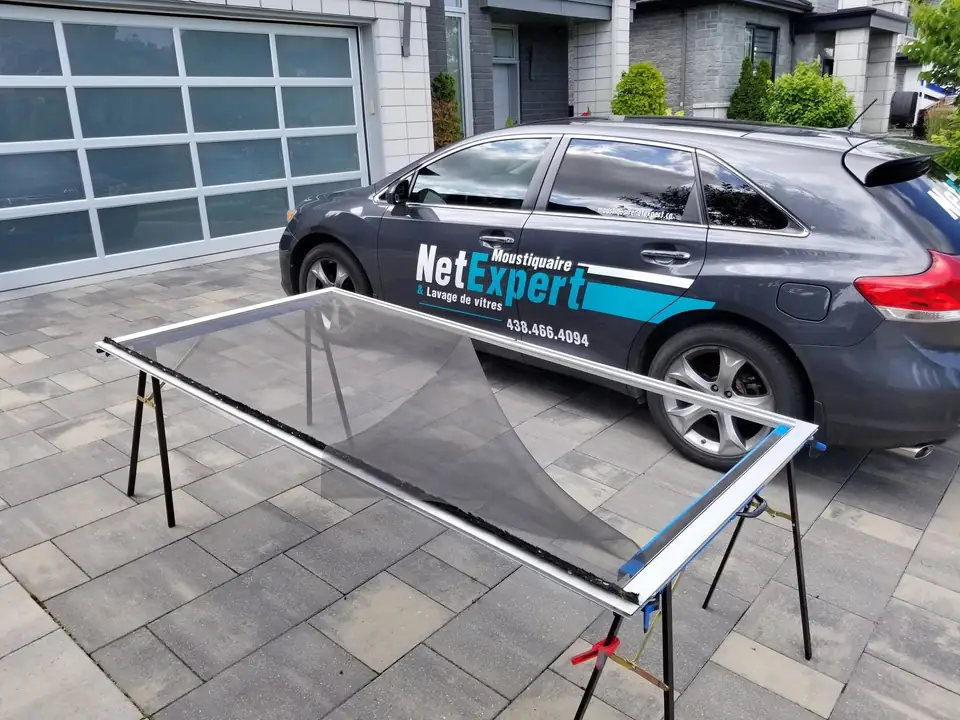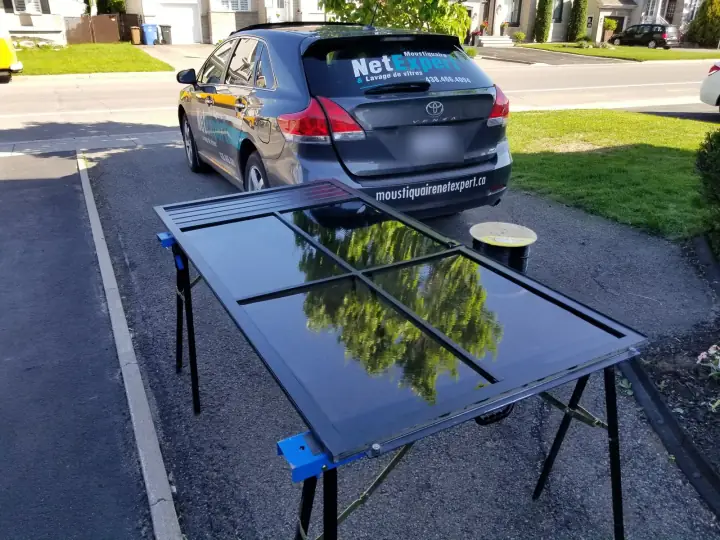
Screen rescreening (window)
From$30per screen
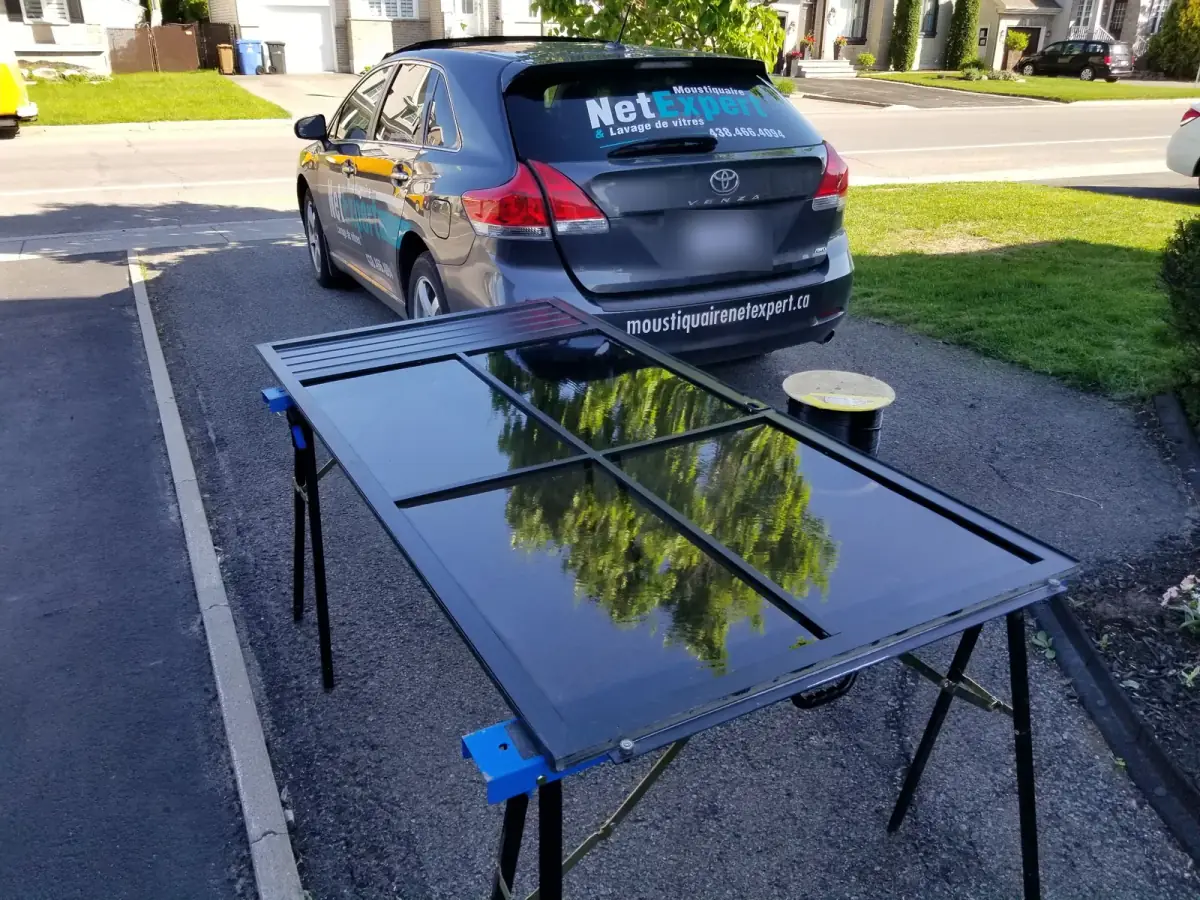
From Brossard, across Greater Montréal
Mobile on-site service in Saint-Pie and nearby. Mesh, rollers, frames, patio doors.
Three questions are enough to start. The official measurement is taken on site.
Six services, one trade
One trade, done properly. We don’t sell windows — we repair window screens, and that is all we do.
 Repair
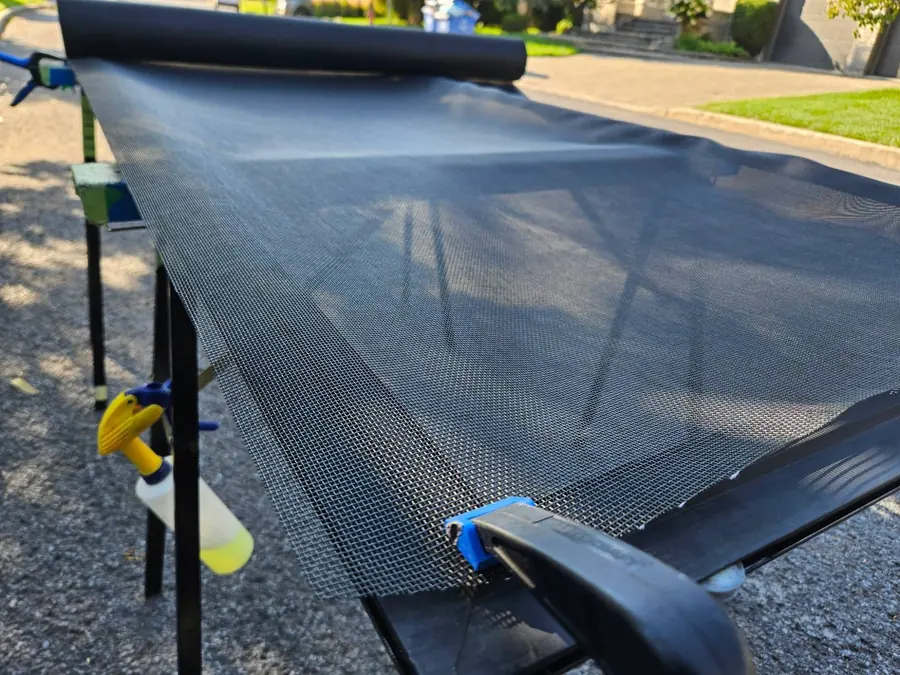
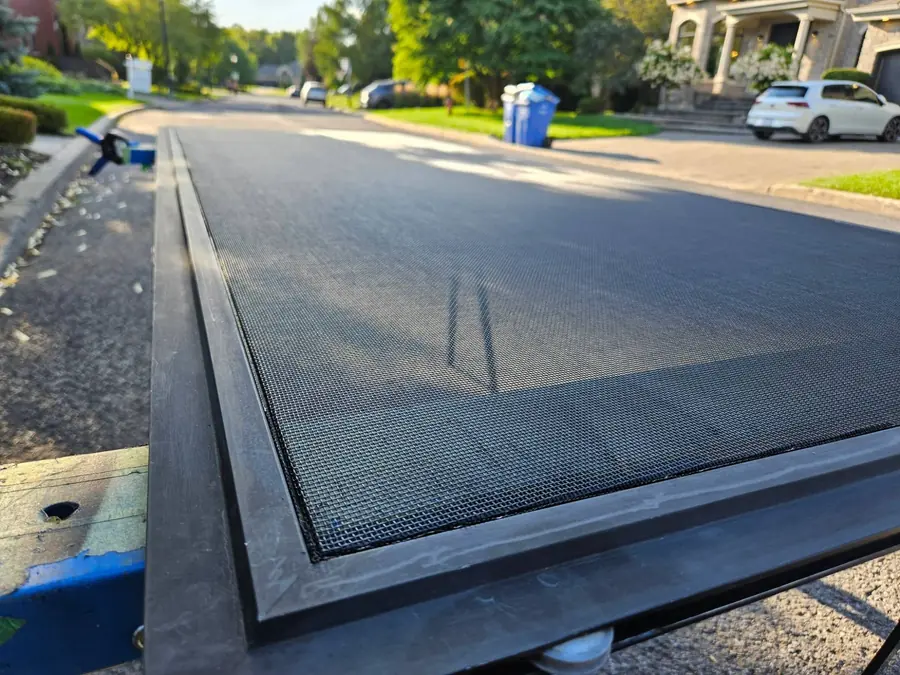
Torn, punctured or sagging mesh, replaced in your existing frame.
 Repair
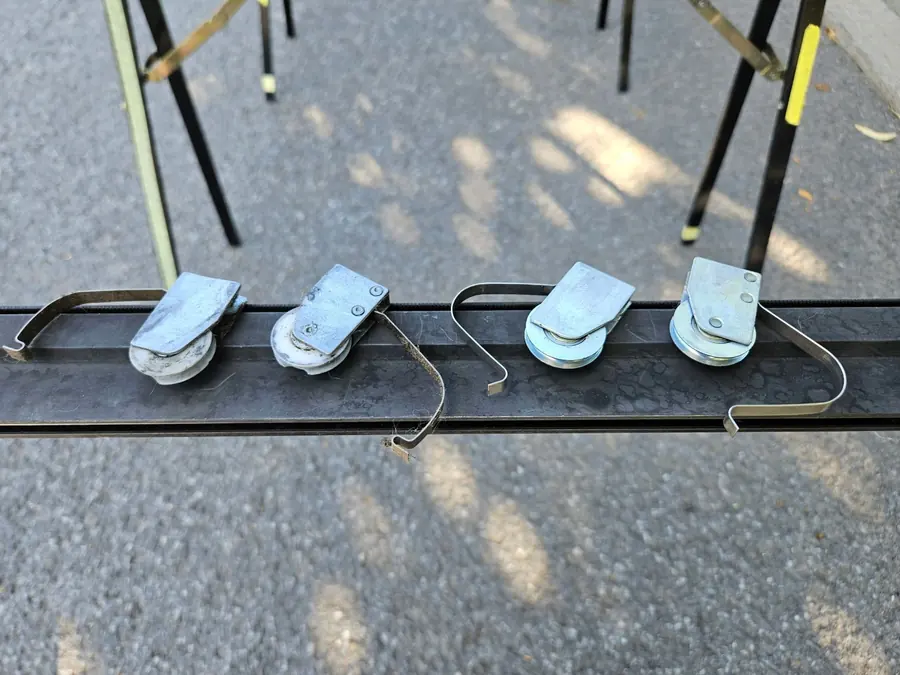
A screen that sticks, jumps the track or no longer closes.
 Repair
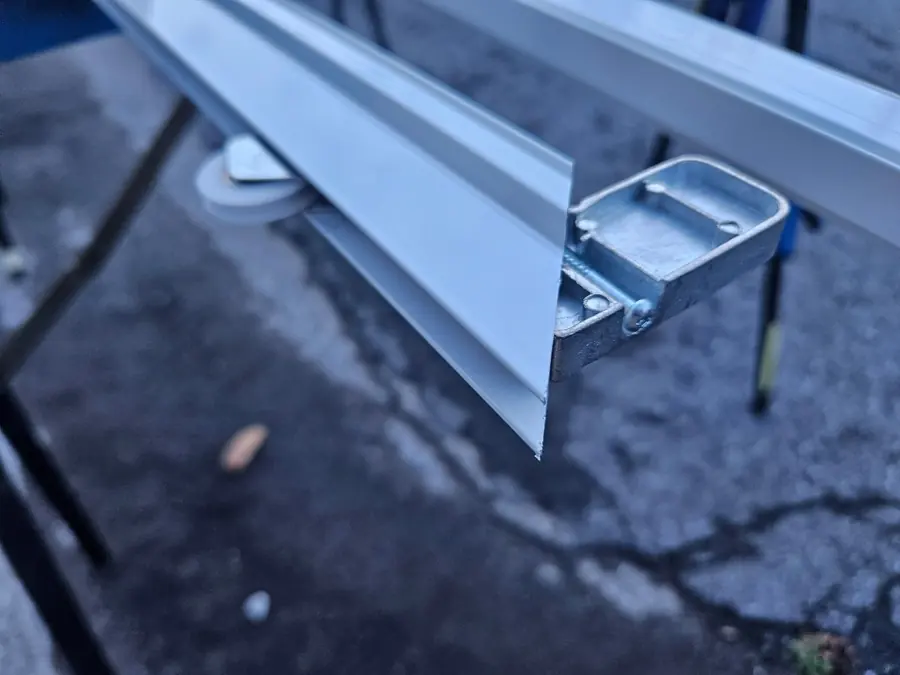
Bent frame, separated corner, split moulding.
 Repair
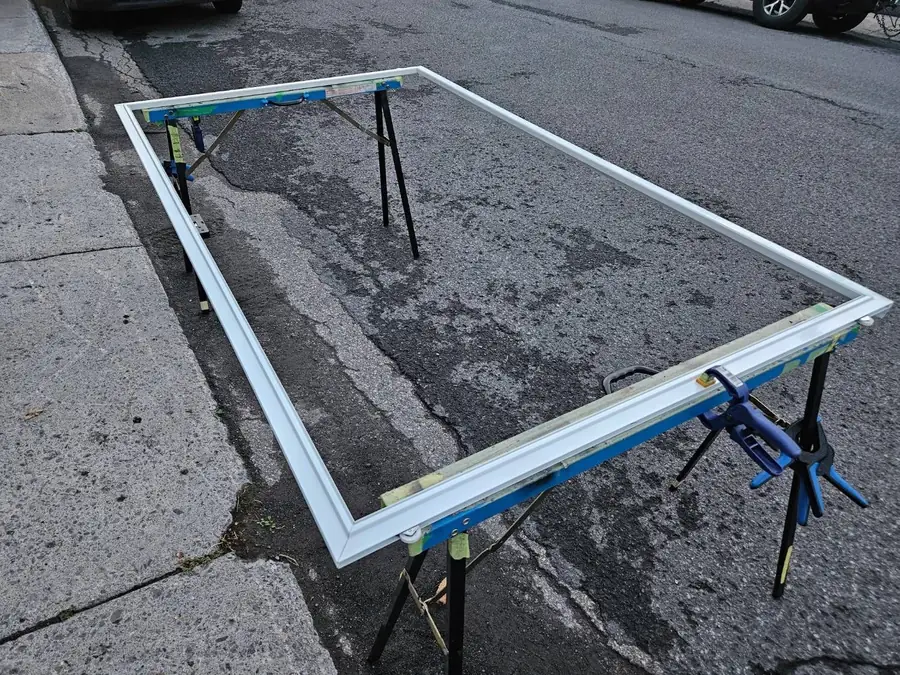
A missing screen, or an opening with no original to copy.
 Patio door
The part that breaks most often, and gets used most.
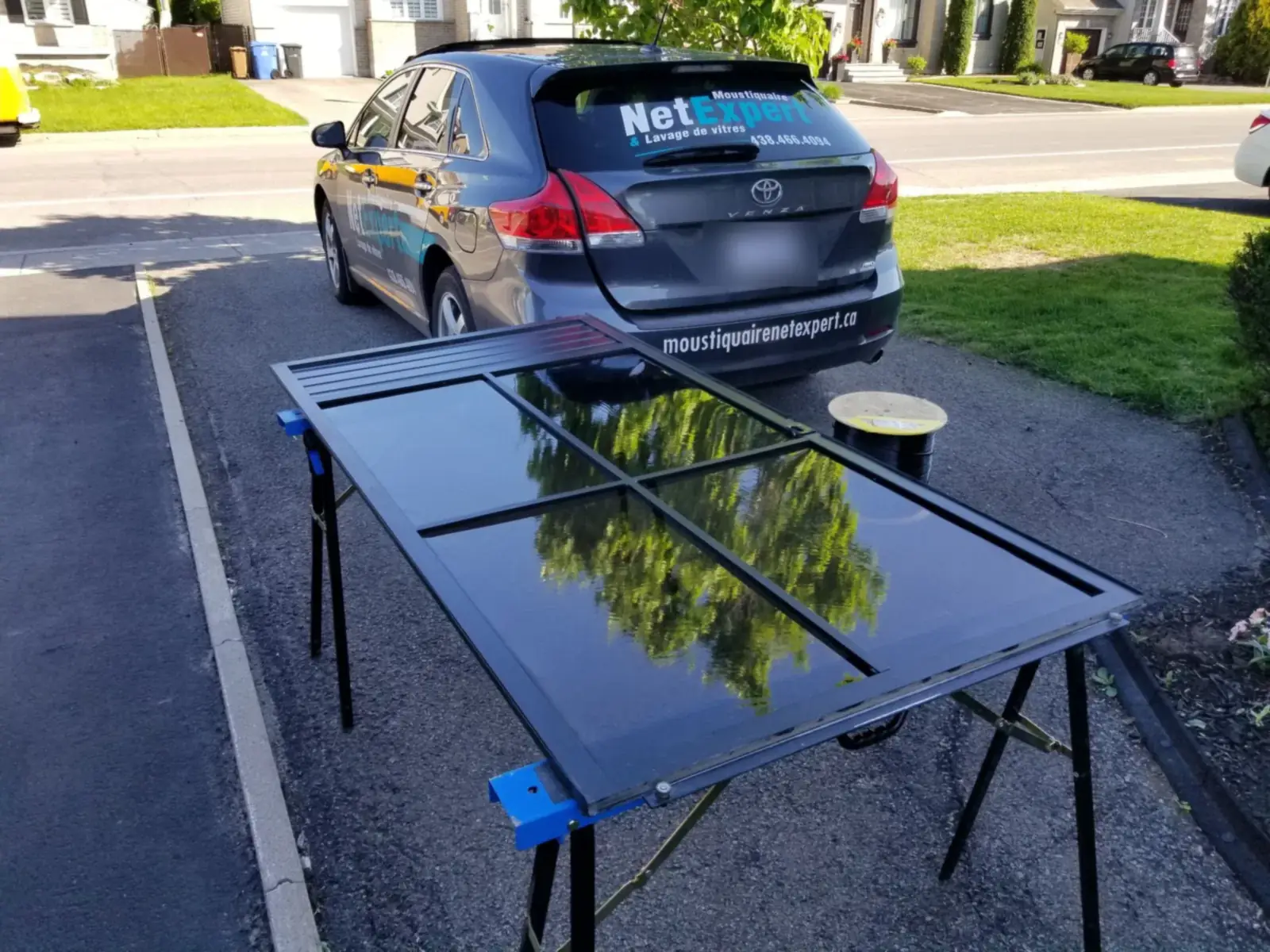 Gazebo · MICA
Screen panels and clear MICA vinyl, replaced on site.
Clear prices
Most companies in this trade publish no prices at all. Here are ours, as starting prices — the exact amount depends on size, mesh type and how many units per visit; the free quote sets it.
From$30per screen
From$30per screen
From$40per screen
From$120per screen
From$500per door
The price depends on the panel count and the vinyl: set on site.
A $125 travel fee applies to every visit, whatever the number of screens — it is shared across all your items, which is why grouping them pays.
$125
Grouping several screens in one visit brings the price of each one down: the travel fee is shared. An exact quote is free and reaches you promptly.
1-year warranty on fabrication and installation. Damage caused by the client is not covered. Payment: Visa, MasterCard, Interac, Bank transfer.
Any price provided is strictly a summary estimate. If work must be added once on site, prices will be adjusted — and always explained before we start.
Not all mesh is equal, and the right one depends on your window, your pets and your surroundings. We carry all four types in the vehicle — the choice happens at your home, not in a store.
Ten kinds of damage, one answer
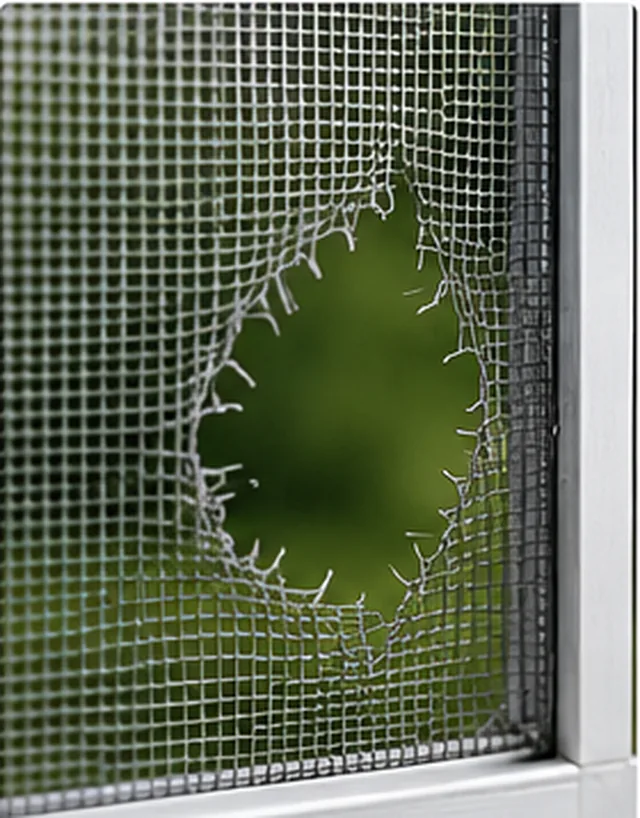
If your screen looks like any of these, it can be repaired. Tap one to request a quote for that exact damage. We rarely replace a whole frame — in most cases only the mesh needs redoing.
 Mesh
Mesh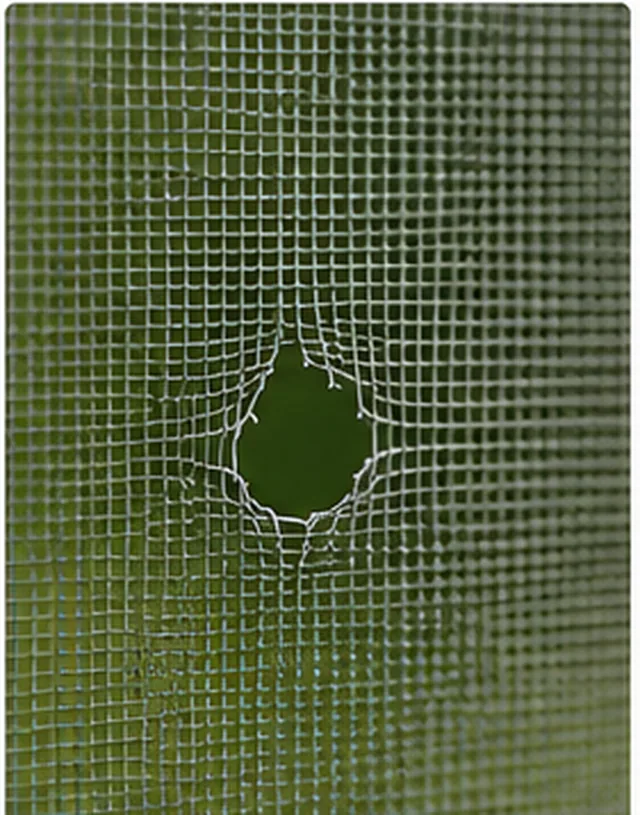 Mesh
Mesh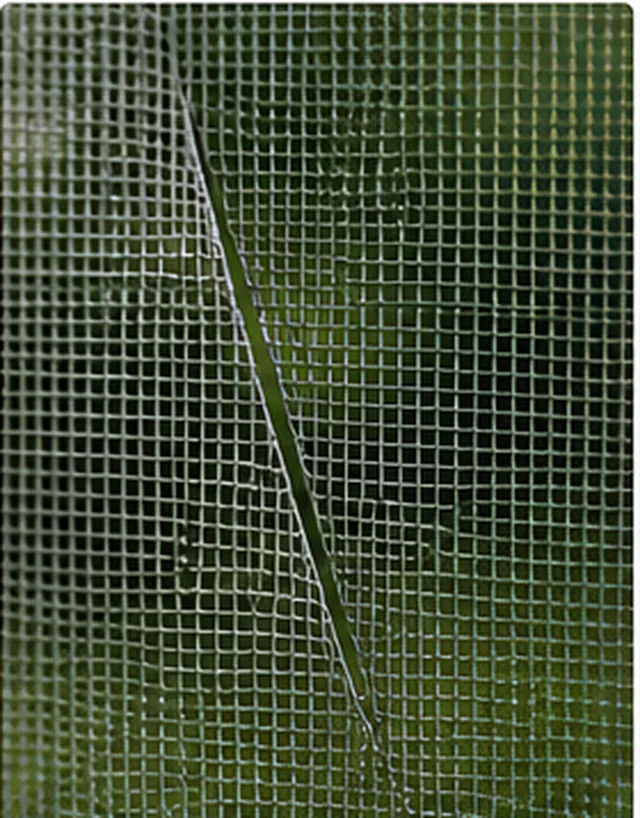 Mesh
Mesh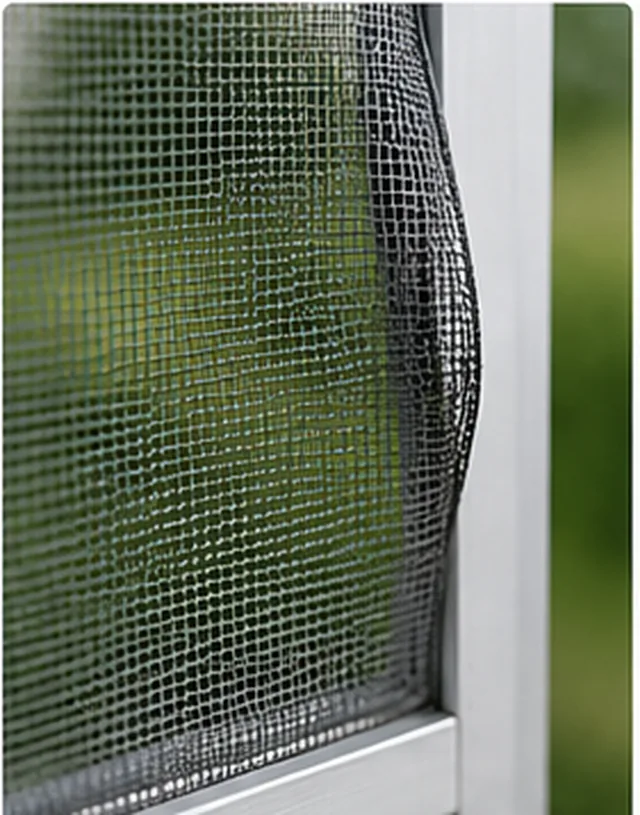 Mesh
Mesh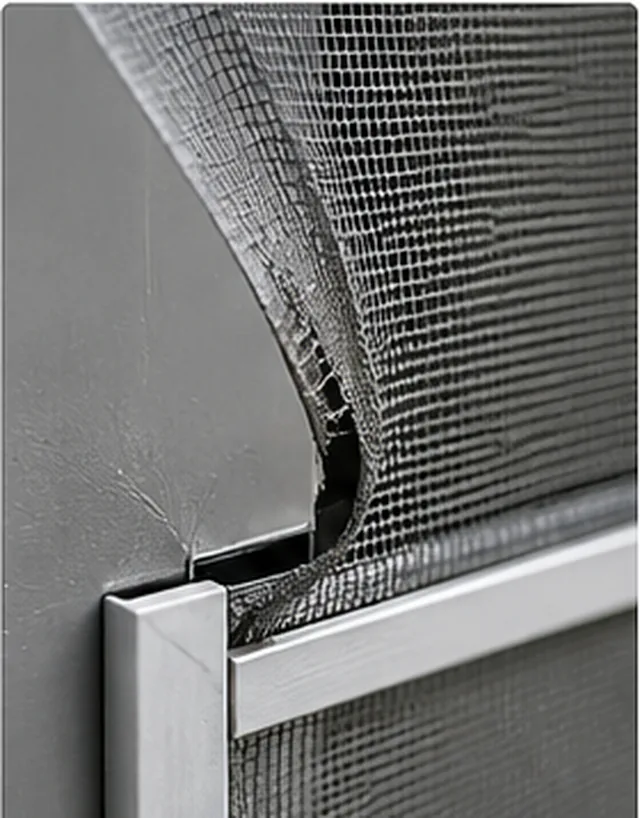 Mesh
Mesh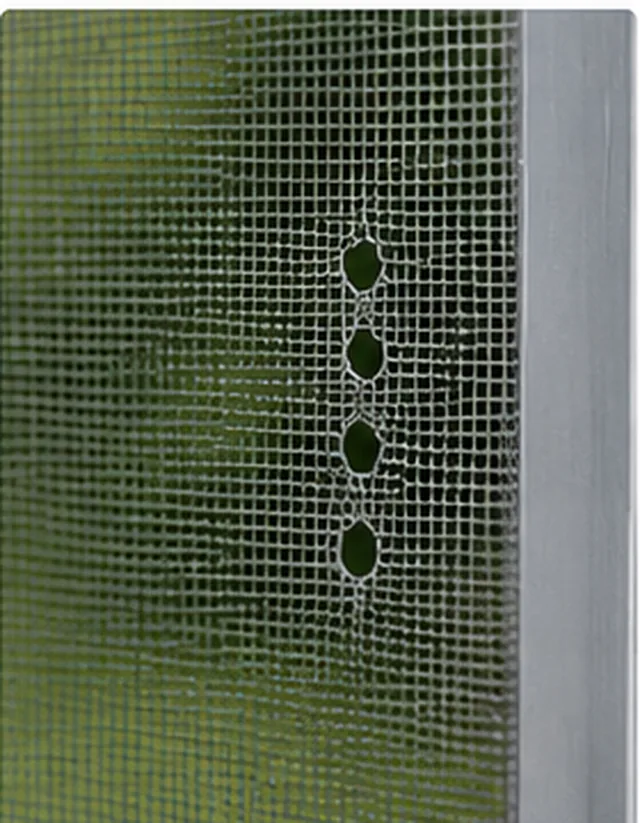 Mesh
Mesh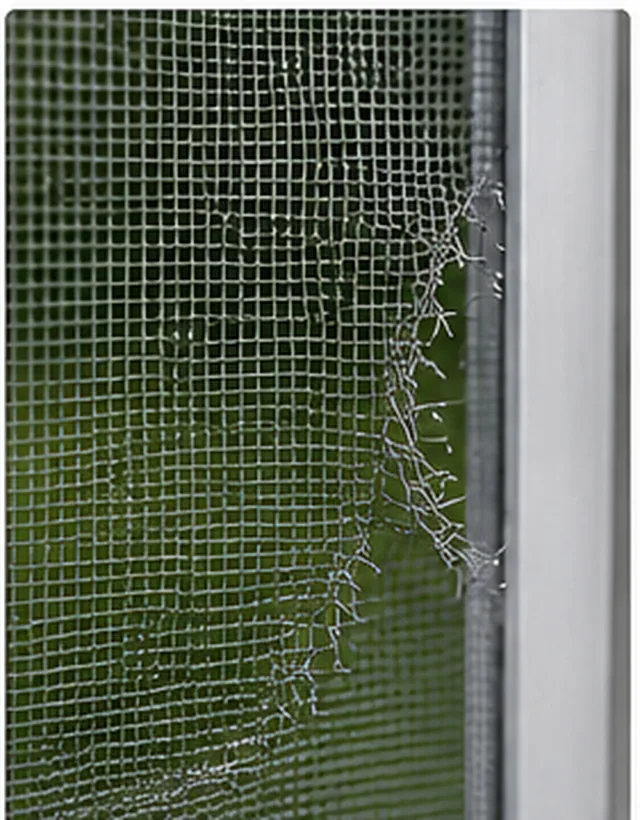 Mesh
Mesh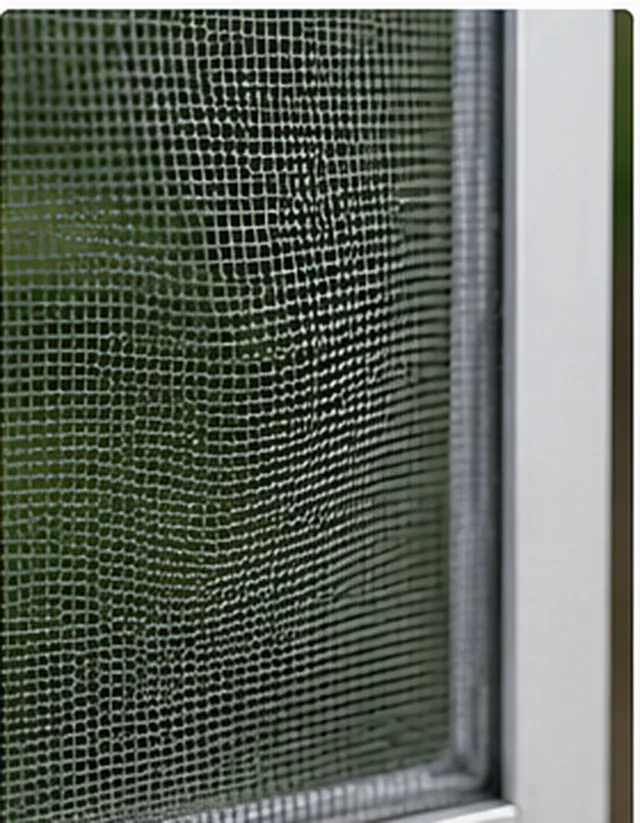 Mesh
Mesh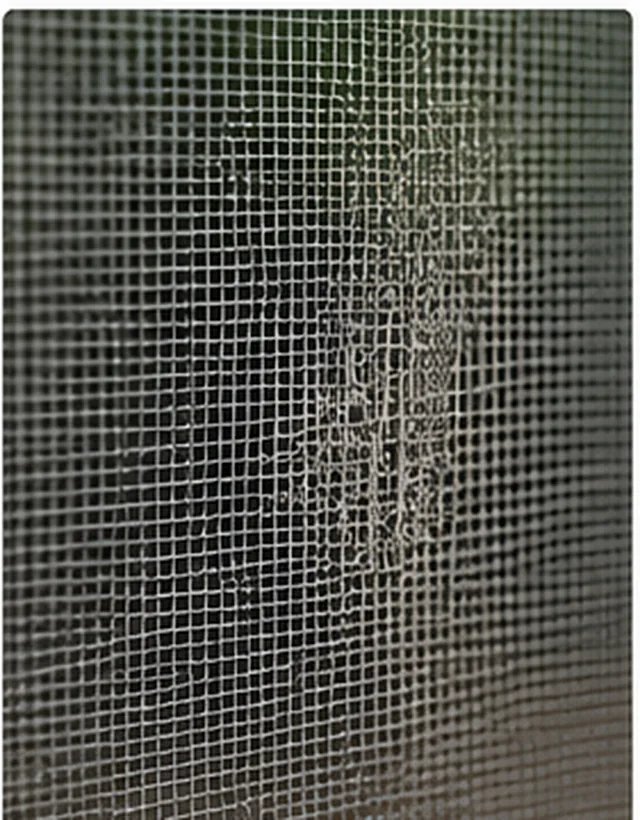 Mesh
Mesh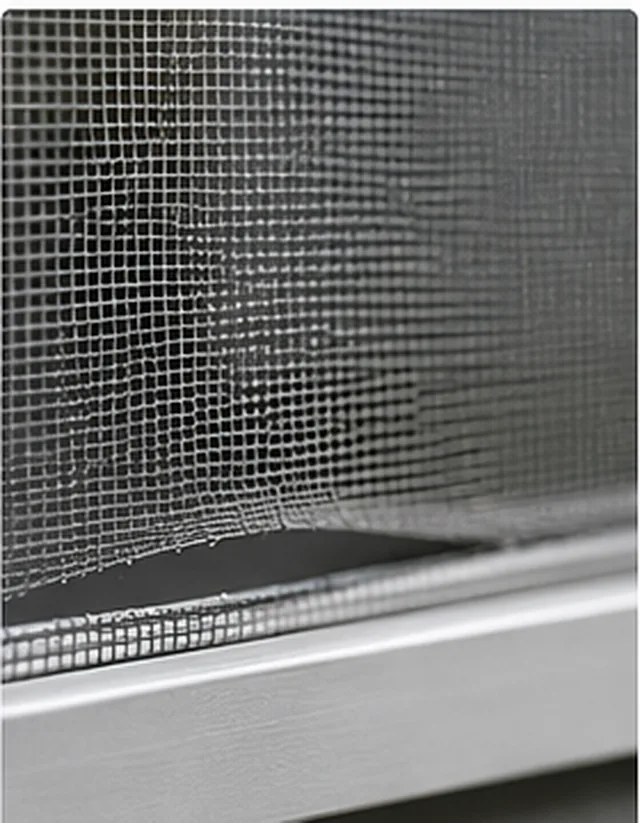 Frame
FrameThree steps
By phone or through the form. A photo helps but is not required.
We give you a time window for Saint-Pie, not a whole day.
We remove, repair and reinstall. You pay once you have seen and approved the work.
Do you manage a building or a business in Saint-Pie?
Why us
The workshop is in the vehicle: no trips to a store.
5.0from 143 Google reviews
Public and verifiable, on our Google listing.
No windows or doors to sell: we repair what you own.
6 a.m. to 8 p.m., April to October, in French and English.
7+years in the trade
Mesh taut without a ripple, frame square, rollers set.
1 yrwritten warranty
Workmanship and installation. If our work fails, we come back.
« Ludovic replaced my screen in record time. Professional, and with a great sense of humour. I recommend his services — don’t hesitate to contact him, he’ll come to your home and do beautiful work. »
« Excellent service. Clear explanations of the work to be done. I really appreciated his dedication: despite the rain he insisted on finishing the job, soaked through and still smiling. The work was very well done. »
« Great service! He was at my neighbour’s and agreed to fix my back screen even though we had no appointment. Very successful repair, and inexpensive! »
Straight answers
Yes, in nearly every case. A double-hung screen comes out through the operating sash, gets re-screened in its own frame and goes back in — the window itself is never disturbed. On this kind of opening we often suggest aluminum mesh rather than fibreglass: the constant rubbing of the sash deforms a soft mesh, while aluminum holds its shape.
Not necessarily. The work is done on site, and mixed sizes are not an obstacle in themselves — what costs time is discovering units partway through. Bringing everything out before we arrive, from the house, the porch and the outbuildings, including whatever is stacked in the shed, allows the whole lot to be measured at once and handled in the same visit.
Only if it is built to the actual opening. A perfectly rectangular frame in an opening that has shifted leaves a gap along one edge, and that is where insects get in. Measurements are therefore taken on site, at several heights and widths, and the screen is built for that specific opening rather than to a catalogue size.
Yes. We are a mobile business: we come to your home in Saint-Pie, remove the screens, repair them on site and reinstall them before we leave.
Replacing the mesh of a window screen, in its existing frame, starts from $30. The exact amount depends on size, mesh type and how many units you have, and the quote sets it. The more screens in the same visit, the lower the price of each. A $125 travel fee applies to every visit, whatever the number of screens — it is shared across all your items, which is why grouping them pays.
Yes: one year on fabrication and installation. If our work fails, we come back at no charge. Damage caused afterwards is not covered.
Written for Saint-Pie
A 19th-century brick village house is not handled like a bungalow, and Saint-Pie has a good number of them around its church. Those houses, like the wood-frame houses of the same period, have almost all been renovated at least once: the original windows gave way to PVC, to wood-aluminum units, or to rebuilt double-hung sashes. The screens rarely keep up — that is the part people postpone, and it is also the part that eventually cannot be bought any more, because the frames that came with those older windows were made in profiles nobody carries today. Outside the village the built stock spreads out: farms along the concession roads of the Yamaska valley, each with its house, often outbuildings, and a number of openings well beyond what a street house has. A few newer residential streets complete the picture. Three situations, three ways of working.
In the older village houses the screen is almost always a made piece, not a bought one. The openings have shifted with the house, and a perfectly rectangular frame set into an opening that no longer is leaves a gap along one side — exactly where the insects come in. That is why measurements are taken on site, at several heights and several widths, rather than given over the phone. The brick wall adds its own constraint: the opening is deep, and the screen sits in a reveal that leaves little room to manoeuvre a stiff frame. Wood-frame houses of the same period tend to raise the opposite problem — the screen frame is often screwed straight into a jamb that has been repainted many times, and the screw has stopped biting. Re-screening takes care of the mesh; the fastening is a separate job.
The double-hung sash is the historic window of this housing stock, and it is still around, either original or rebuilt to match during a renovation. Its screen does not sit in front of the window: it slides between the two sashes, in the half that opens. So it is narrow, often tall, and permanently working against a sash that moves up and down. On this kind of opening aluminum mesh beats fibreglass: it deforms less, it takes the repeated rubbing of the sash better, and it keeps its shape inside a thin frame that has little material to hold it. A double-hung screen that bellies out in the middle does not necessarily need a new frame — often the mesh was simply redone in fibreglass where aluminum belonged, and the problem comes back every summer.
On a farm the arithmetic changes. There are not three screens to look at, there are twelve or fifteen, spread across the house, a porch or veranda, sometimes an outbuilding — and they share neither age nor size. Some are original, in those narrow 1950s-to-mid-1970s aluminum frames no retailer stocks any more; others are recent PVC additions with parts still available. The right move is to pull everything out before the work starts, including whatever has been sitting in the cellar or the shed for two summers. A mobile business works far better with the full inventory in front of it than with half of it, and patio doors, porch doors and gazebo panels belong in the same visit. Sizes that look alike from ten feet away rarely are once a tape comes out, so every unit gets measured rather than assumed.
Saint-Pie is not a suburb and cannot be worked like one: from the village to the far end of a concession road is several kilometres, and an address does not tell you in advance whether the house is brick near the church or standing alone in the middle of the fields. That is why it pays to describe what you have before the visit — how many units, what kind of windows, whether there is a patio door, a veranda or a gazebo. A mobile business arrives with mesh, framing stock and rollers; what it does not know about in advance is not in the truck. And on a farm, pulling all of the work into a single visit is what separates a job that is finished from a job that is half done.
The Yamaska valley is farm country with a river running through it, and a concession-road house bordered by fields and ditches lives with insect pressure a city street house never sees. Ordinary mosquitoes are stopped by any fibreglass mesh in good condition; no-see-ums and black flies are not — they go straight through standard mesh. Where windows get opened in the evening, near the water or the fields, a tightly woven no-see-um mesh makes a real difference to comfort. And on the south-facing windows of a house with no tall trees, aluminum mesh ages better in the sun than fibreglass.