Screen rescreening (window)
From$30per screen
From Brossard, across Greater Montréal
Mobile on-site service in Mont-Saint-Hilaire and nearby. Mesh, rollers, frames, patio doors.
Three questions are enough to start. The official measurement is taken on site.
Six services, one trade
One trade, done properly. We don’t sell windows — we repair window screens, and that is all we do.
 Repair
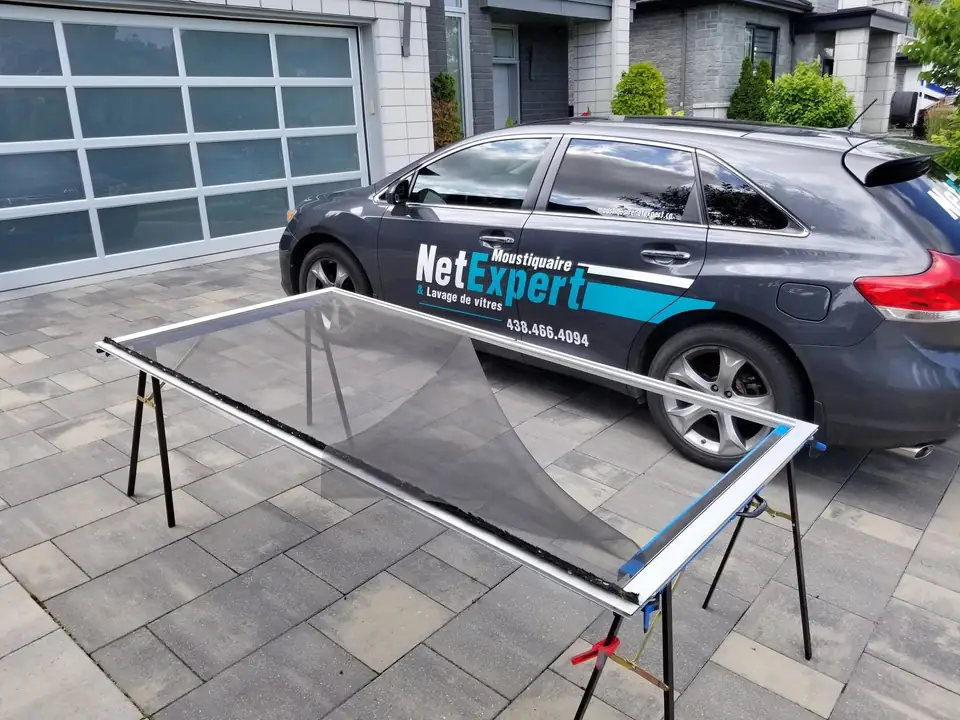
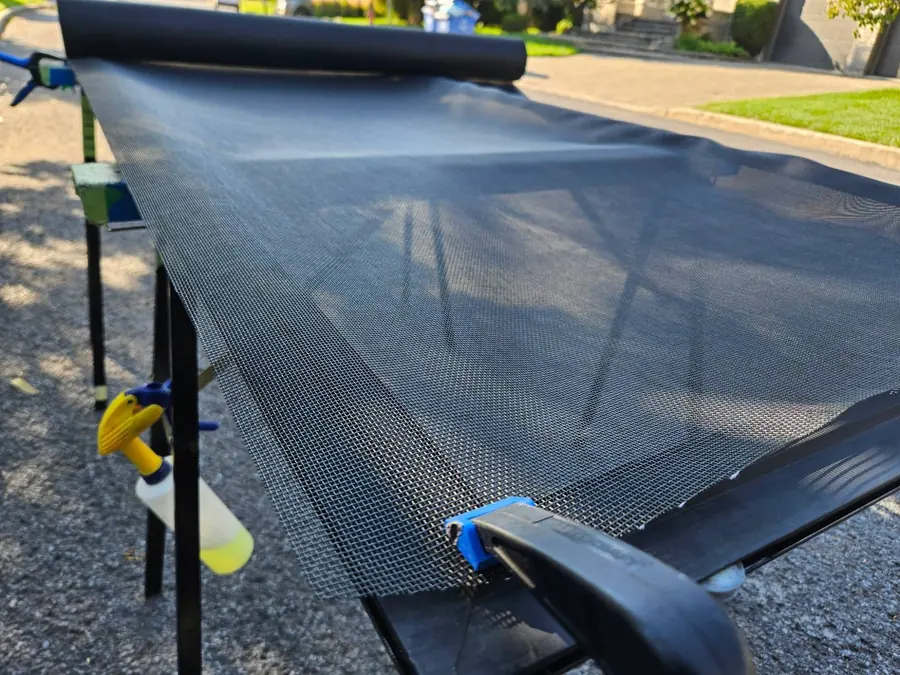
Torn, punctured or sagging mesh, replaced in your existing frame.
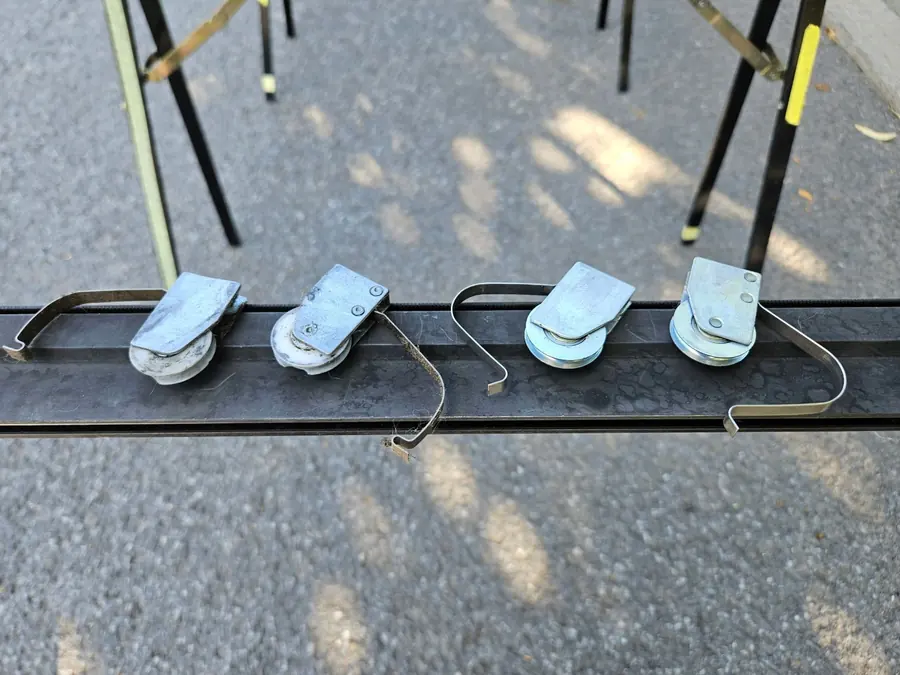 Repair
A screen that sticks, jumps the track or no longer closes.
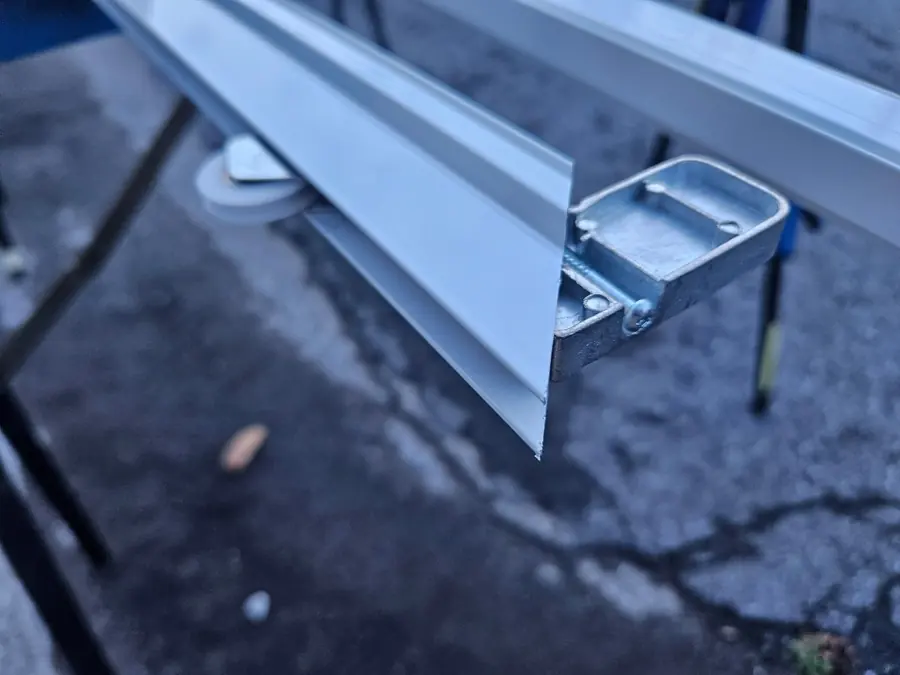 Repair
Bent frame, separated corner, split moulding.
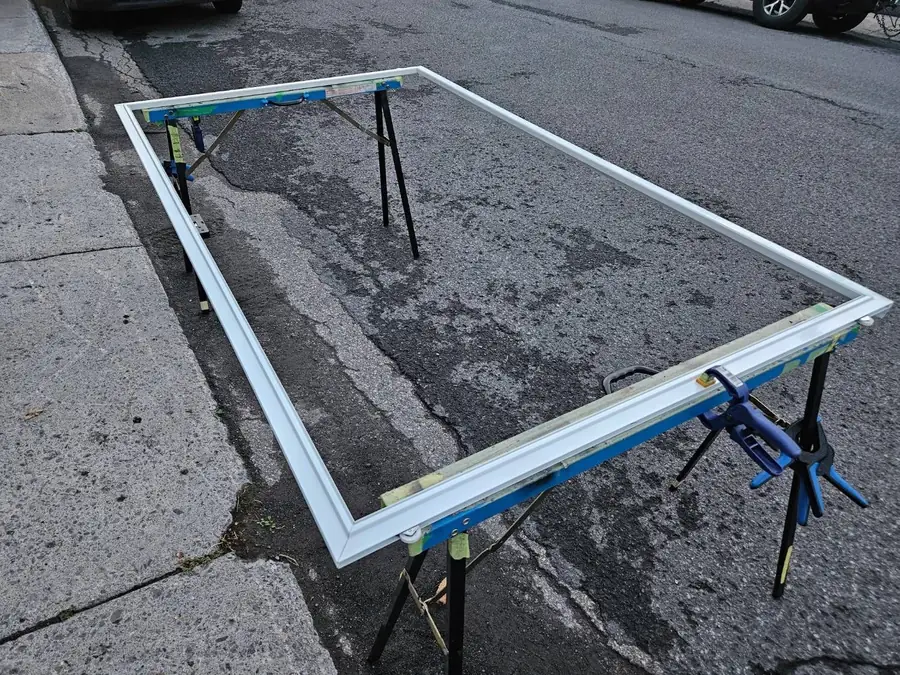 Repair
A missing screen, or an opening with no original to copy.
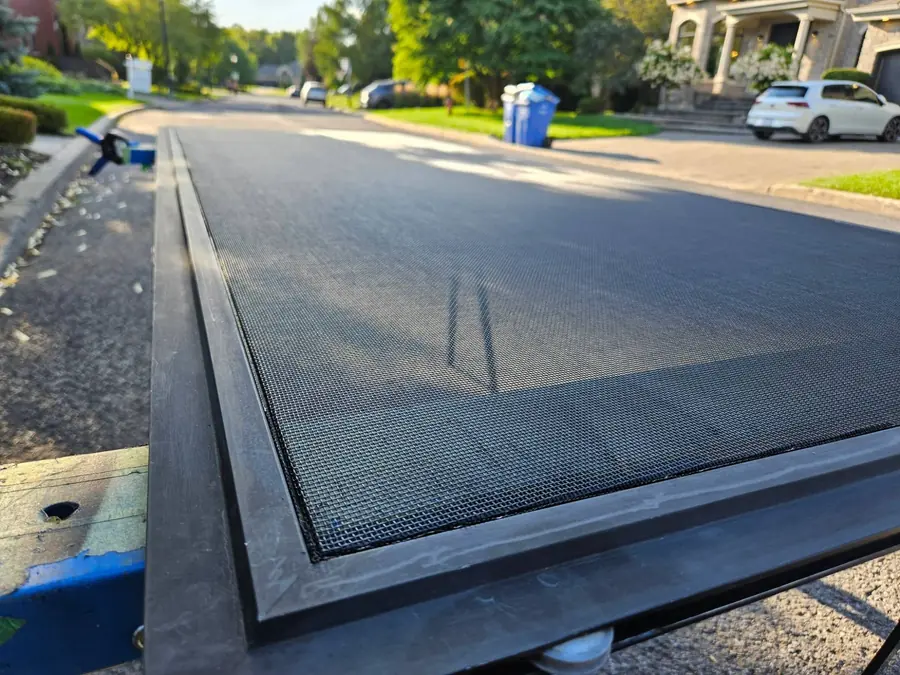 Patio door
The part that breaks most often, and gets used most.
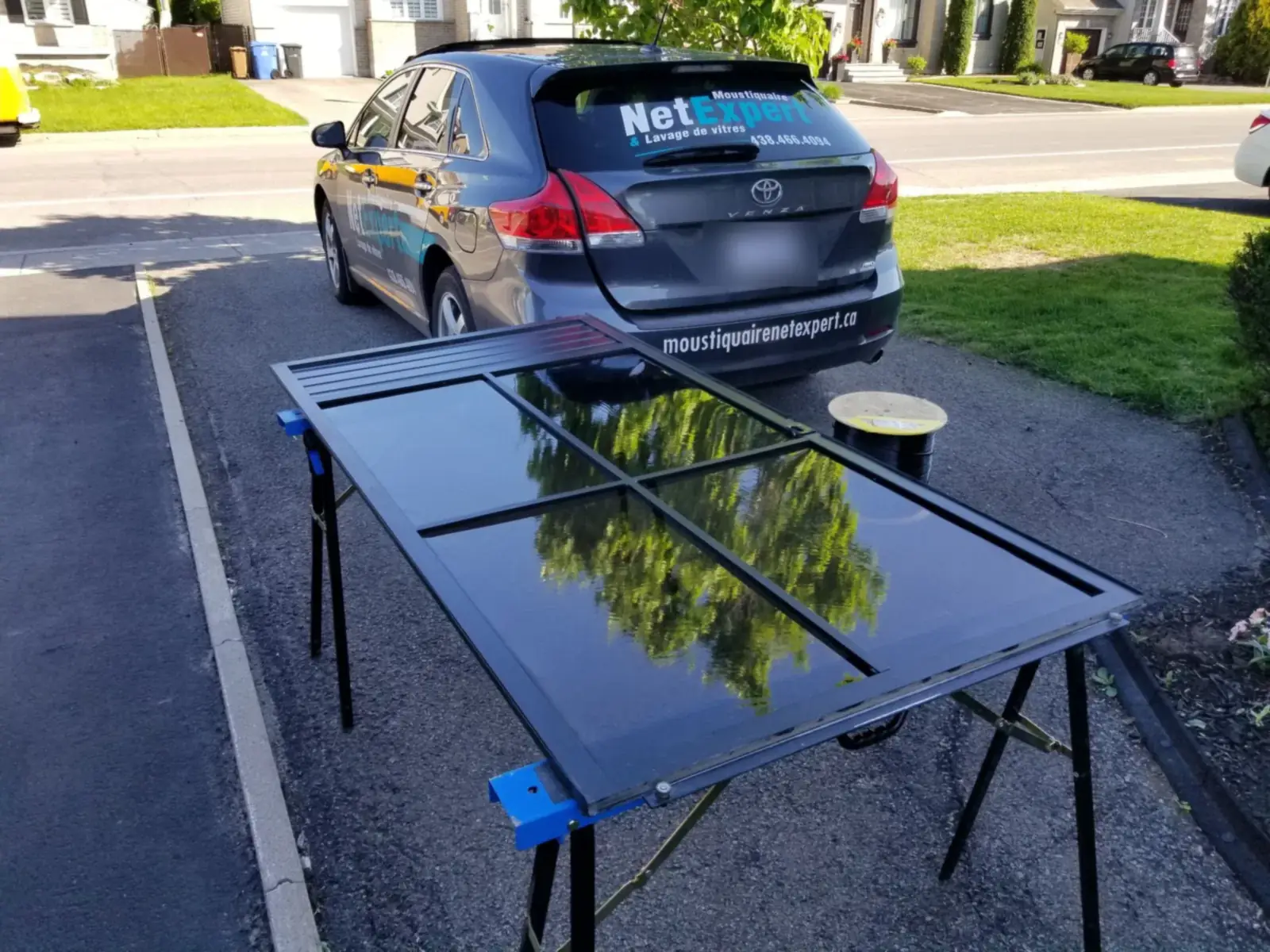 Gazebo · MICA
Screen panels and clear MICA vinyl, replaced on site.
Clear prices
Most companies in this trade publish no prices at all. Here are ours, as starting prices — the exact amount depends on size, mesh type and how many units per visit; the free quote sets it.
From$30per screen
From$30per screen
From$40per screen
From$120per screen
From$500per door
The price depends on the panel count and the vinyl: set on site.
A $125 travel fee applies to every visit, whatever the number of screens — it is shared across all your items, which is why grouping them pays.
$125
Grouping several screens in one visit brings the price of each one down: the travel fee is shared. An exact quote is free and reaches you promptly.
1-year warranty on fabrication and installation. Damage caused by the client is not covered. Payment: Visa, MasterCard, Interac, Bank transfer.
Any price provided is strictly a summary estimate. If work must be added once on site, prices will be adjusted — and always explained before we start.
Not all mesh is equal, and the right one depends on your window, your pets and your surroundings. We carry all four types in the vehicle — the choice happens at your home, not in a store.
Ten kinds of damage, one answer
If your screen looks like any of these, it can be repaired. Tap one to request a quote for that exact damage. We rarely replace a whole frame — in most cases only the mesh needs redoing.
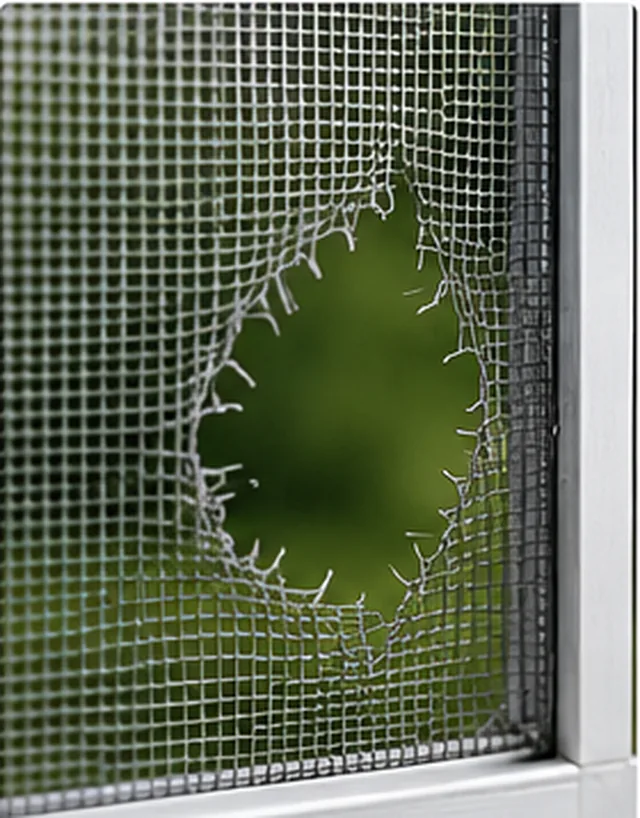 Mesh
Mesh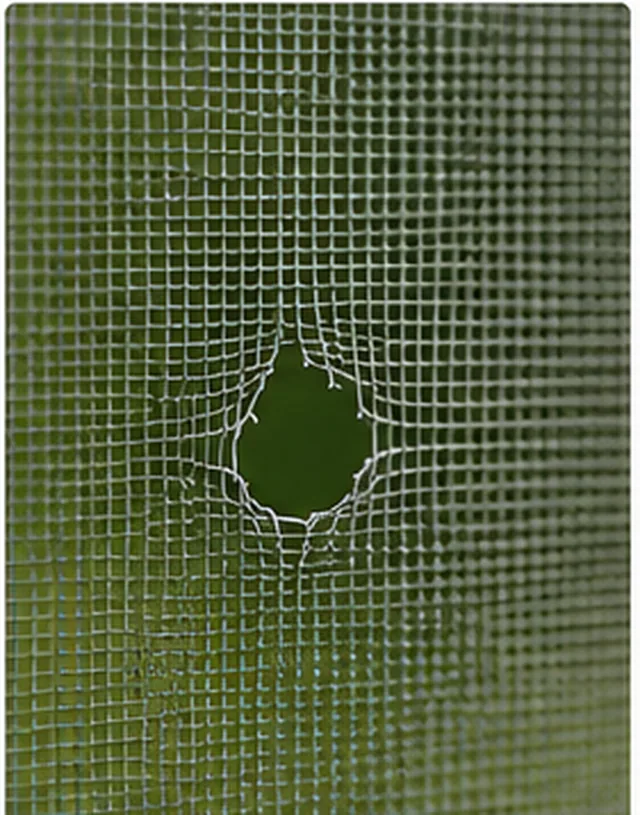 Mesh
Mesh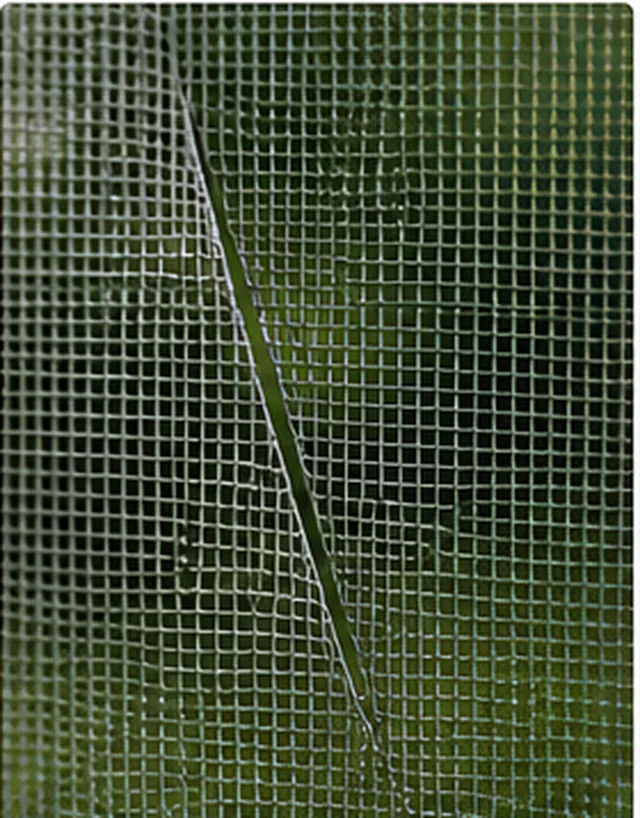 Mesh
Mesh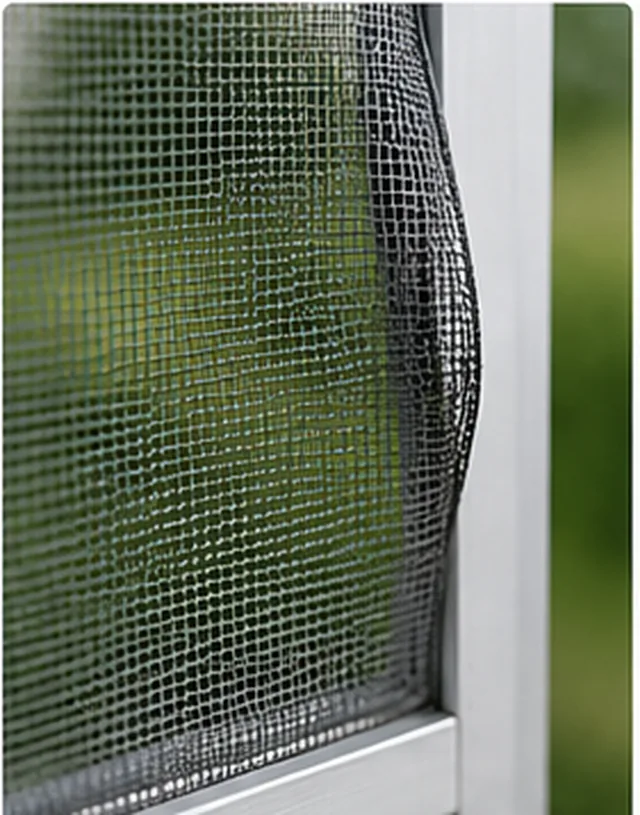 Mesh
Mesh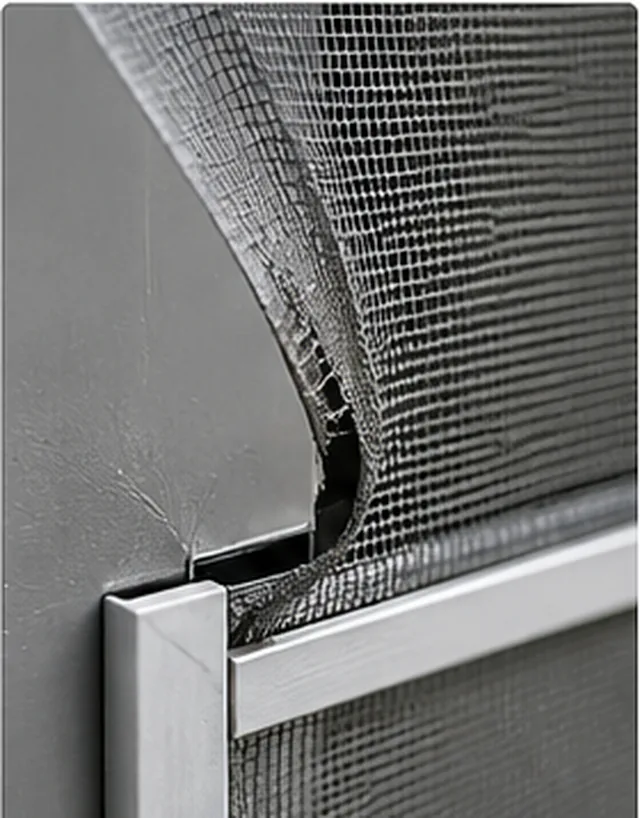 Mesh
Mesh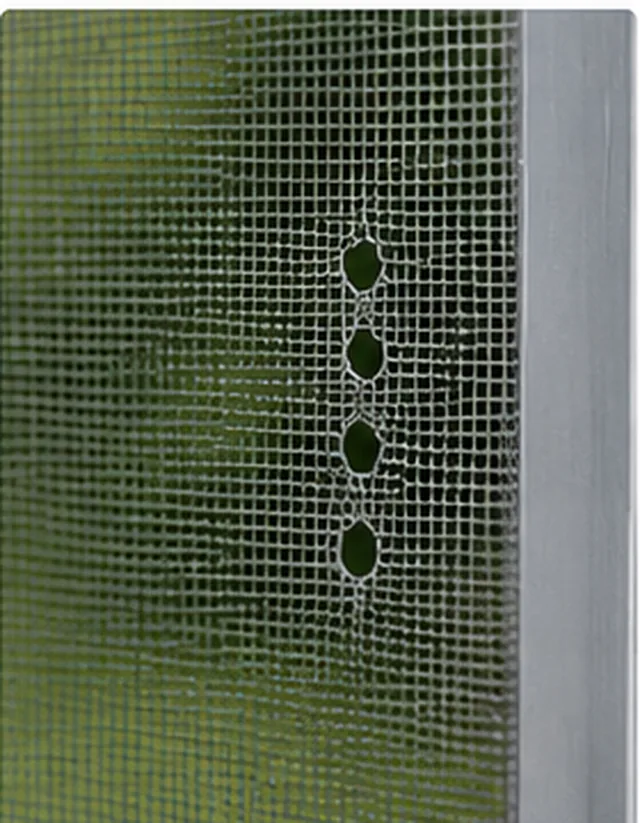 Mesh
Mesh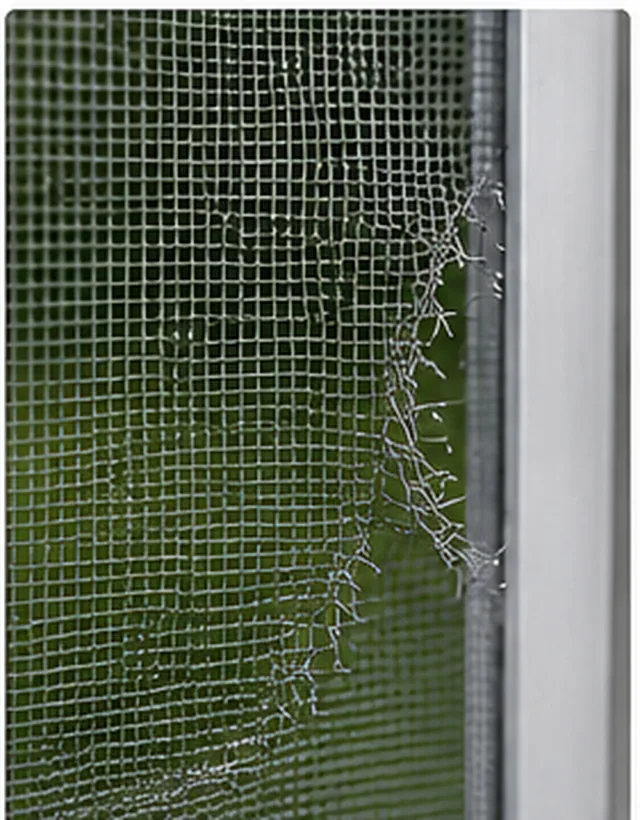 Mesh
Mesh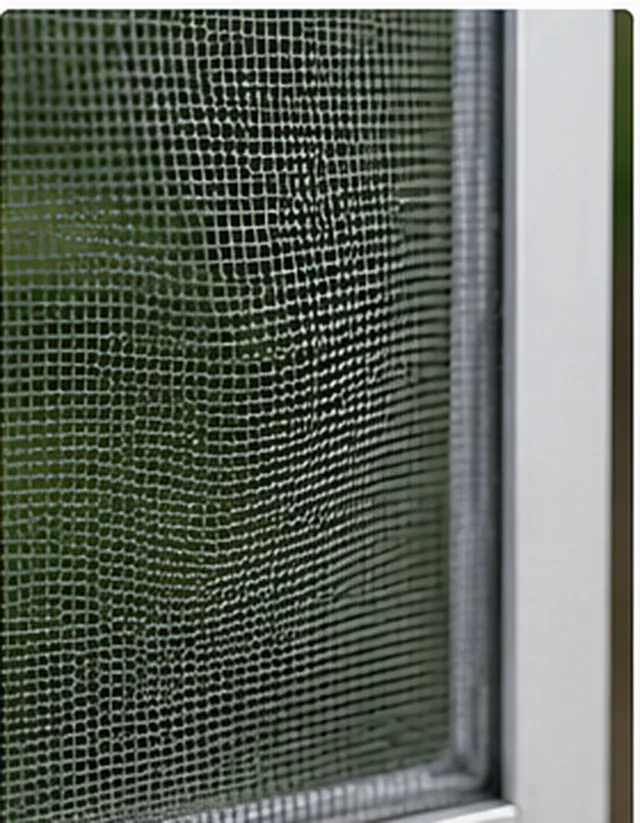 Mesh
Mesh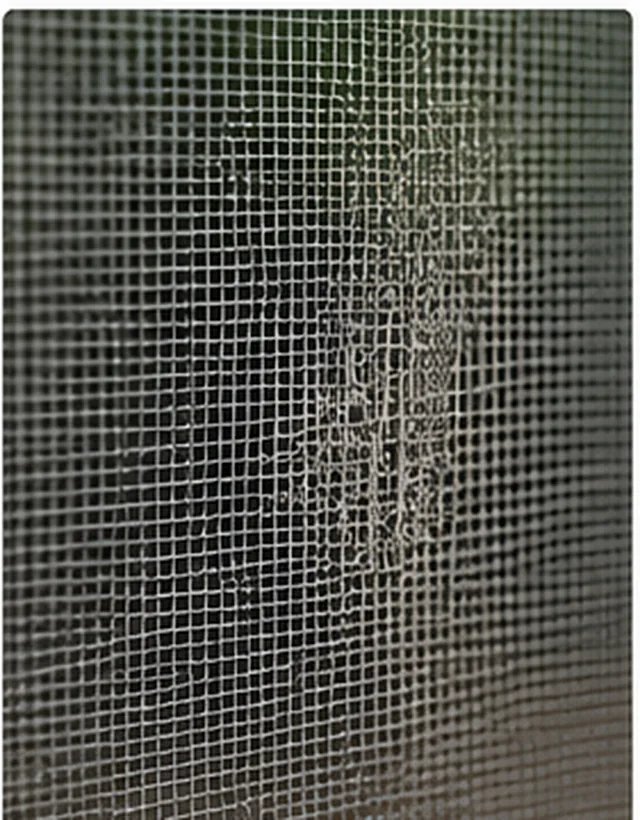 Mesh
Mesh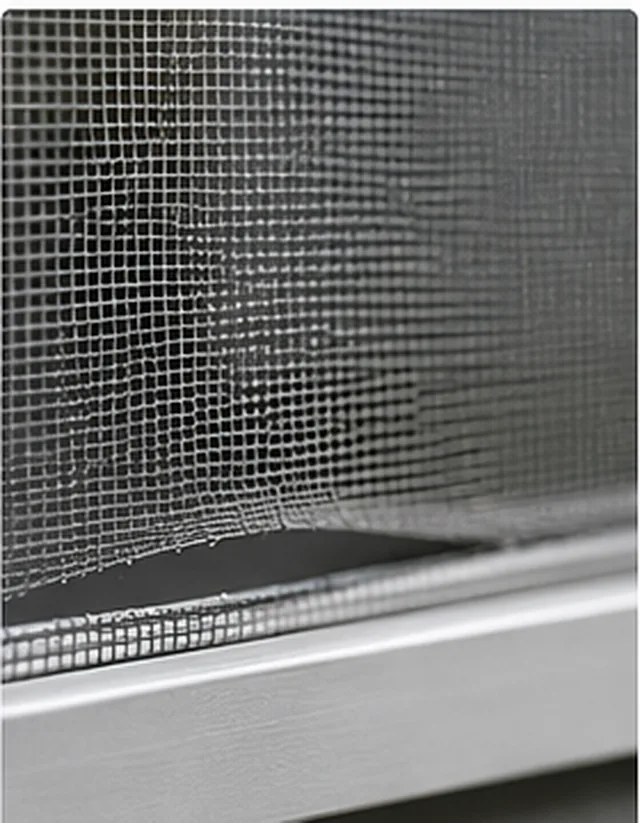 Frame
FrameThree steps
By phone or through the form. A photo helps but is not required.
We give you a time window for Mont-Saint-Hilaire, not a whole day.
We remove, repair and reinstall. You pay once you have seen and approved the work.
Patio doorGazebo · MICADo you manage a building or a business in Mont-Saint-Hilaire?
Why us
The workshop is in the vehicle: no trips to a store.
5.0from 143 Google reviews
Public and verifiable, on our Google listing.
No windows or doors to sell: we repair what you own.
6 a.m. to 8 p.m., April to October, in French and English.
7+years in the trade
Mesh taut without a ripple, frame square, rollers set.
1 yrwritten warranty
Workmanship and installation. If our work fails, we come back.
« Ludovic replaced my screen in record time. Professional, and with a great sense of humour. I recommend his services — don’t hesitate to contact him, he’ll come to your home and do beautiful work. »
« Excellent service. Clear explanations of the work to be done. I really appreciated his dedication: despite the rain he insisted on finishing the job, soaked through and still smiling. The work was very well done. »
« Great service! He was at my neighbour’s and agreed to fix my back screen even though we had no appointment. Very successful repair, and inexpensive! »
Straight answers
Almost never. A panel that catches, jumps its track or takes two hands has worn rollers, usually made worse by a track full of grit. We clean the track, replace the rollers and retension the mesh if it has bowed: the door becomes usable again and the original frame stays where it is. It is the most frequent repair in this trade, and the whole thing is done on site.
Over a long span aluminum has a clear edge: it is stiffer than fibreglass, so it bows less in the wind and keeps its shape across the length. Fibreglass remains a very good choice on ordinary-sized windows, where its flexibility is not a drawback. The decision is made surface by surface, based on how exposed the wall is and how big the panel actually is.
Yes, by keeping the existing frames whenever they are still true. We pull the old mesh and spline, install new mesh and put them back: nothing changes as seen from the street. It is also the technically sounder answer, since these openings have shifted since they were installed and the original frame already matches a shape no stock size would match.
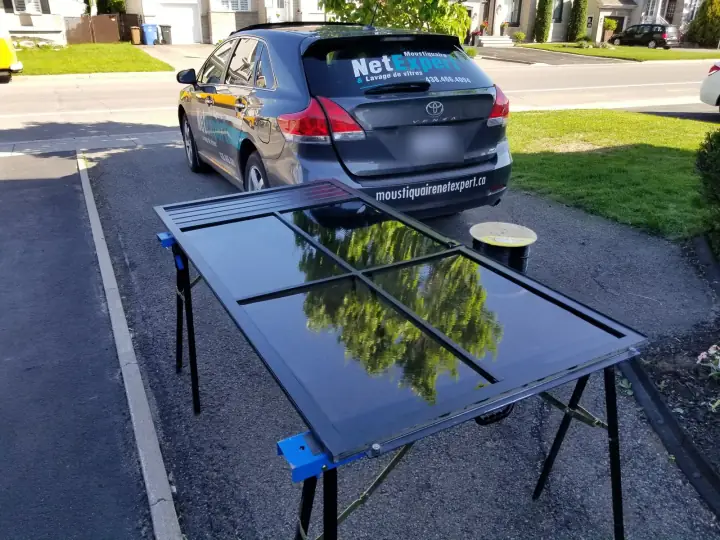
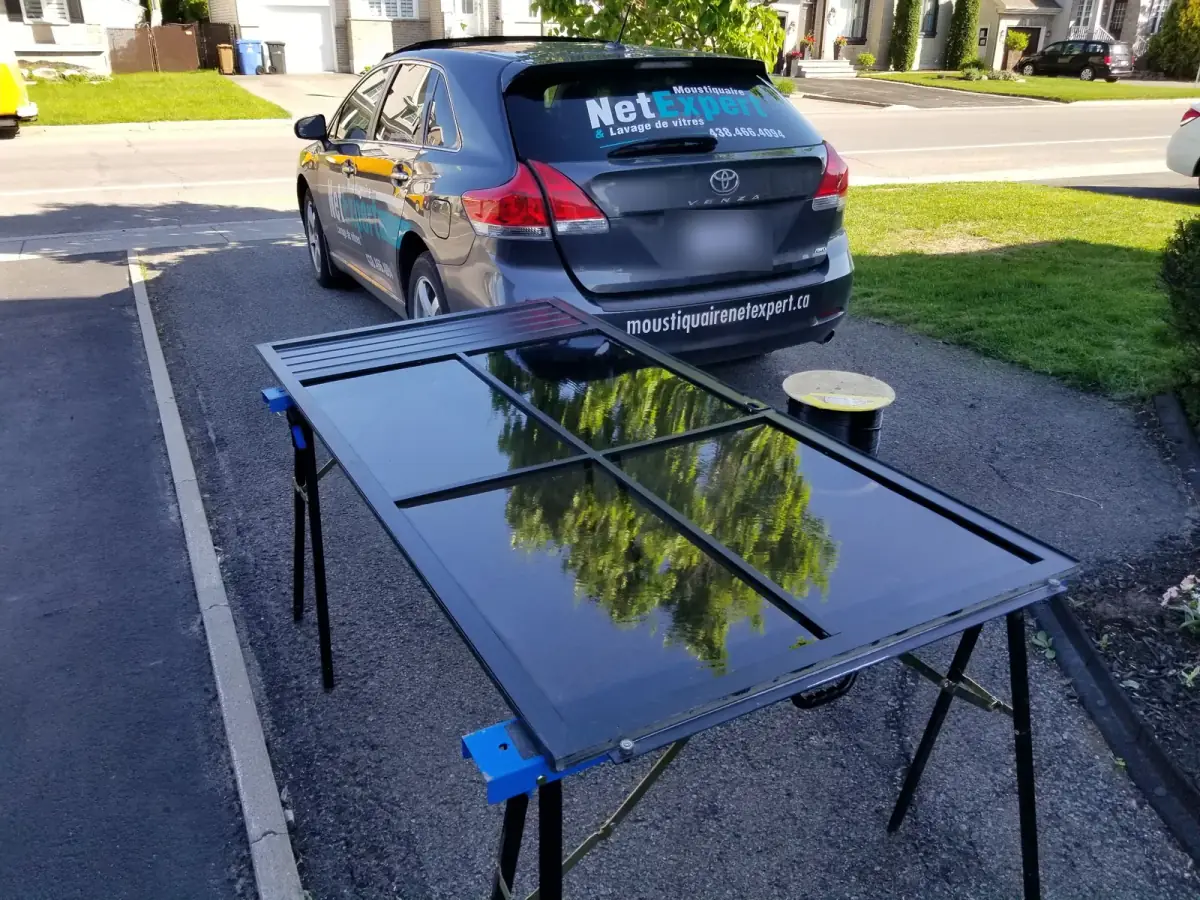
Yes. We are a mobile business: we come to your home in Mont-Saint-Hilaire, remove the screens, repair them on site and reinstall them before we leave.
Replacing the mesh of a window screen, in its existing frame, starts from $30. The exact amount depends on size, mesh type and how many units you have, and the quote sets it. The more screens in the same visit, the lower the price of each. A $125 travel fee applies to every visit, whatever the number of screens — it is shared across all your items, which is why grouping them pays.
Yes: one year on fabrication and installation. If our work fails, we come back at no charge. Damage caused afterwards is not covered.
Written for Mont-Saint-Hilaire
The housing in Mont-Saint-Hilaire is dominated by something the other towns in the valley do not have to the same degree: the large opening. The upscale neighbourhoods terraced along the mountainside were laid out for the view, and that means wide picture windows and patio doors in quantity, often several per house. A large screen, though, is not a small screen scaled up. The longer the span, the harder the mesh works: it bows in the wind, it slackens in the heat, and a frame that is too light eventually racks out of square. That is where the material choice becomes real. Standard fibreglass is perfectly fine on an ordinary window; on a large exposed surface, aluminum mesh is stiffer, holds its shape better and takes wind pressure far better. It is a decision made panel by panel, not house by house.
The other half of town has nothing in common with that: the heritage village along the Richelieu, and the older houses on the slopes where the orchards sit. That building stock has an appearance to respect. An old window with a wooden surround does not take kindly to a wide, shiny aluminum frame — it is visible from the street and it ages badly. When the original frame is still sound, and it usually is since the mesh gives out long before the frame does, rescreening it solves the problem without touching the look of the façade. And because those openings have shifted since they were installed, they are almost never square: measuring is done window by window, diagonals included, because two neighbouring openings on the same house rarely share the same numbers. One town, then, but two different trades: the large surface on one side, the one-of-a-kind part on the other.
The patio door is the part that comes up most often, and Mont-Saint-Hilaire has plenty of them. It gets used several times a day from April through October, and it ends up collecting all three classic faults: mesh that slackens and bows, rollers worn to the point where the panel takes two hands, and a track loaded with grit that accelerates everything else. All three are handled on site, in the same visit, without replacing the door itself. When a house has two or three of them — a living room, a bedroom, an exit to the back terrace — they are better done together: they went in the same year and took the same use, so they are worth looking at together — which does not mean all of them need work. The panel frame, meanwhile, is nearly always worth keeping; it is the mesh and the hardware that wear out.
Around the big picture windows, the fixed pane carries no screen at all: it is the operating sections that do, usually casements or awnings, with the screen on the inside held by latches. That is the easiest arrangement to maintain, since everything is done from inside the room with no ladder — a genuine advantage when the wall faces a slope. On assemblies this large there is something besides the mesh to watch: a big screen frame can lose its square over the years, and a panel that is no longer true will not seat in its latches, even with brand new mesh in it. It gets straightened before rescreening, otherwise the work does not hold. In the older houses of the village and the hillsides, we are back to a frame set against a wooden surround: saved when it is still true, measured for real when it is not.
The constraint specific to Mont-Saint-Hilaire is the terrain. A house terraced on a mountainside does not have the same ground level on all four sides: the front can be at grade while the back sits a full storey above the ground, with a patio door and windows opening into thin air. A ladder on a slope does not set up the way it does on flat ground, and some openings can only reasonably be worked from inside. That is one reason casement and awning windows, whose screens come off into the room, are a real advantage here. The second point is the heritage village: on an older façade, the solution that respects the appearance is almost always the original frame, rescreened.
Two environments meet in the same town: the river on one side, the wooded mountain and the orchards on the other. Both bring fine insects — spring no-see-ums and black flies — small enough to pass through standard fibreglass without effort. Only a no-see-um mesh, woven much more tightly, stops them. On large windows facing the view, the trade-off deserves some thought: a tighter weave cuts airflow and light slightly, and that is more noticeable across a big surface. Many people keep it for bedrooms and for the walls on the mountain side, and leave standard mesh on the view itself.