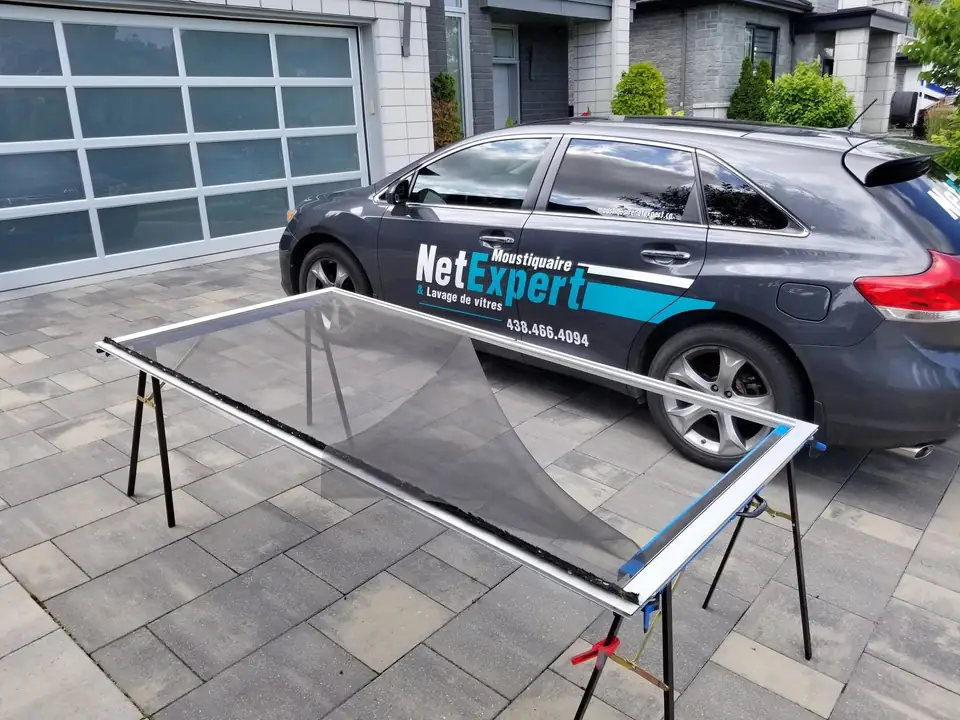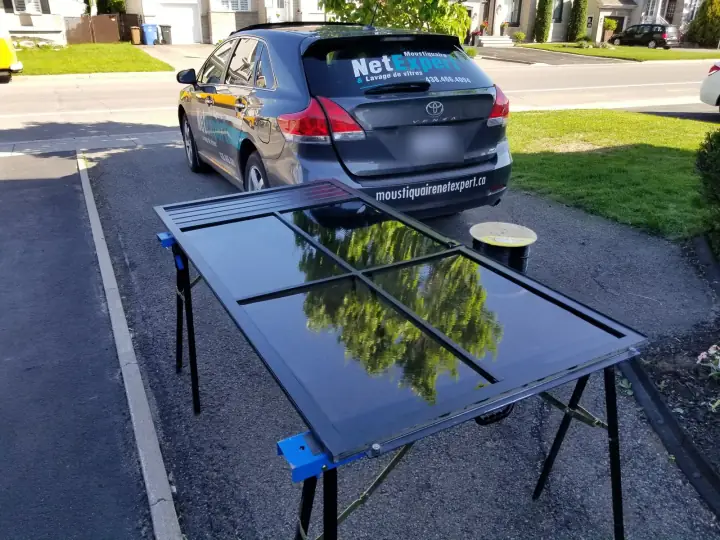
Screen rescreening (window)
From$30per screen
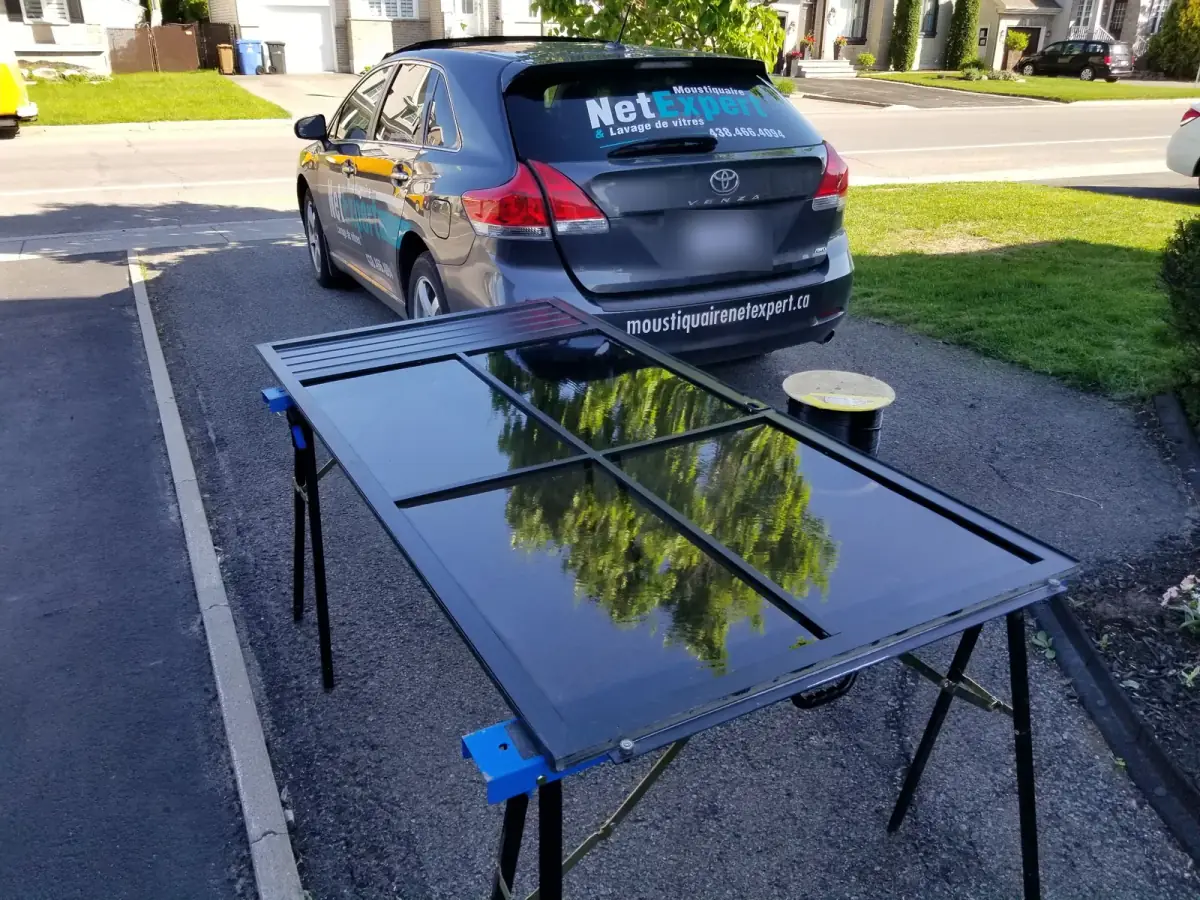
From Brossard, across Greater Montréal
Mobile on-site service in Otterburn Park and nearby. Mesh, rollers, frames, patio doors.
Three questions are enough to start. The official measurement is taken on site.
Six services, one trade
One trade, done properly. We don’t sell windows — we repair window screens, and that is all we do.
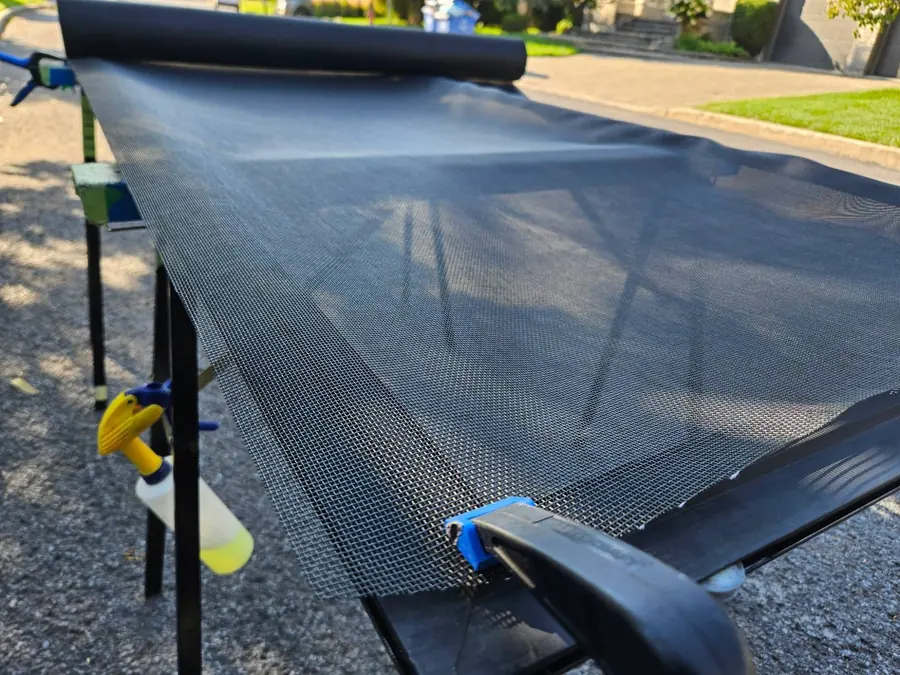 Repair
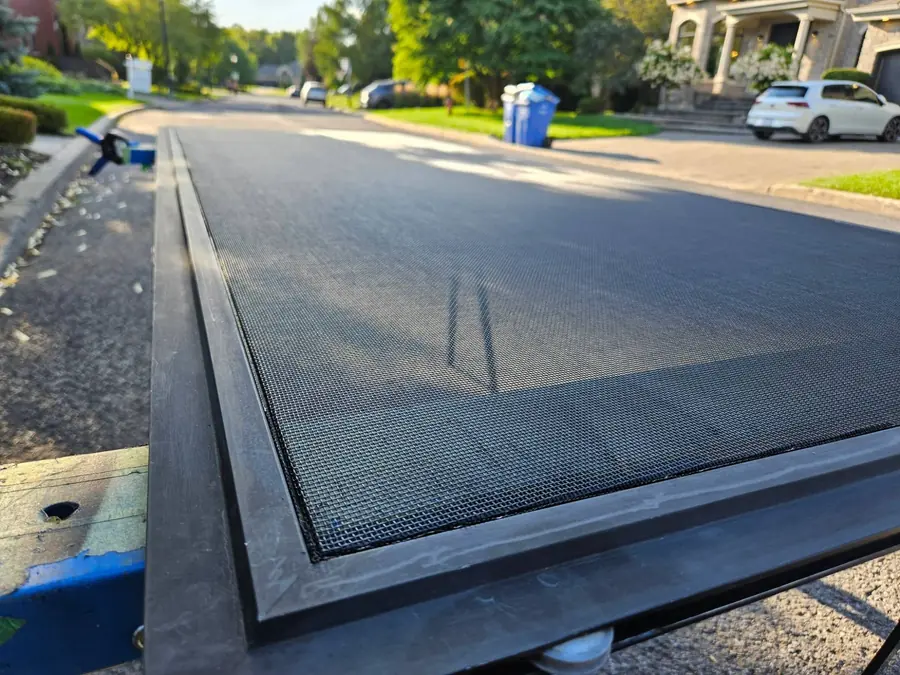
Torn, punctured or sagging mesh, replaced in your existing frame.
 Repair
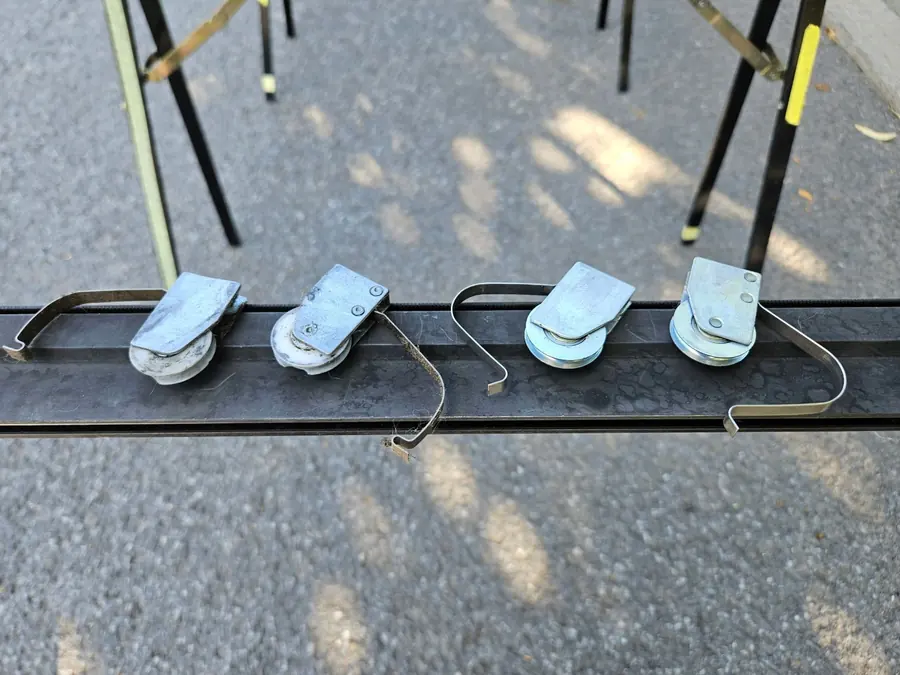
A screen that sticks, jumps the track or no longer closes.
 Repair
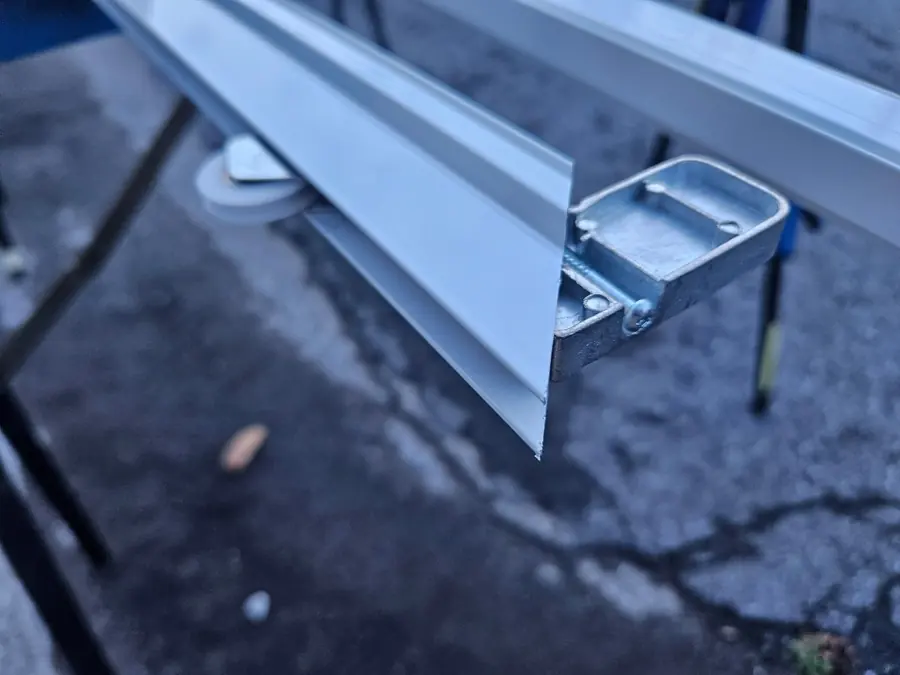
Bent frame, separated corner, split moulding.
 Repair
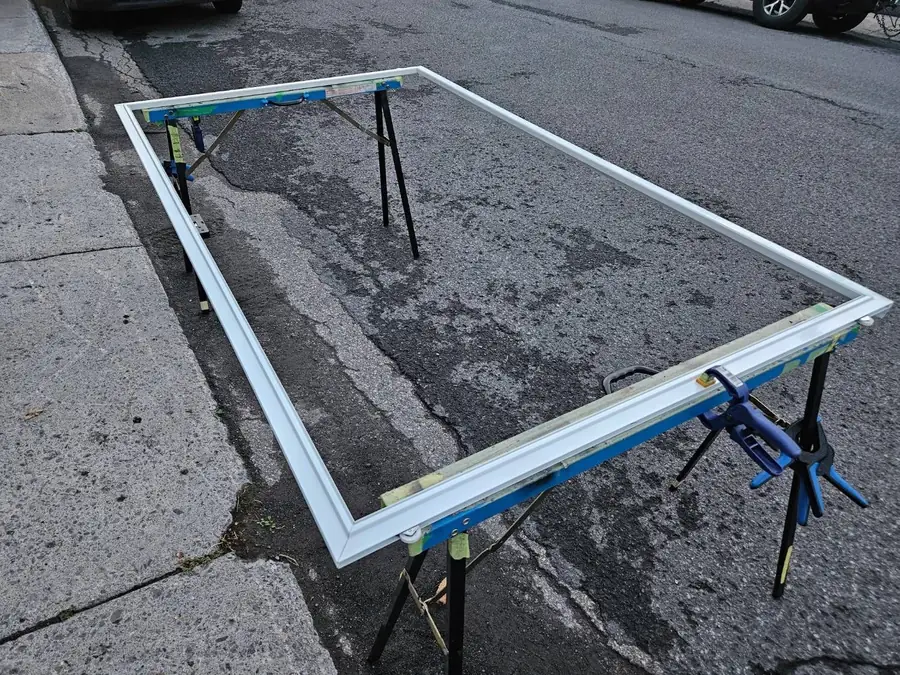
A missing screen, or an opening with no original to copy.
 Patio door
The part that breaks most often, and gets used most.
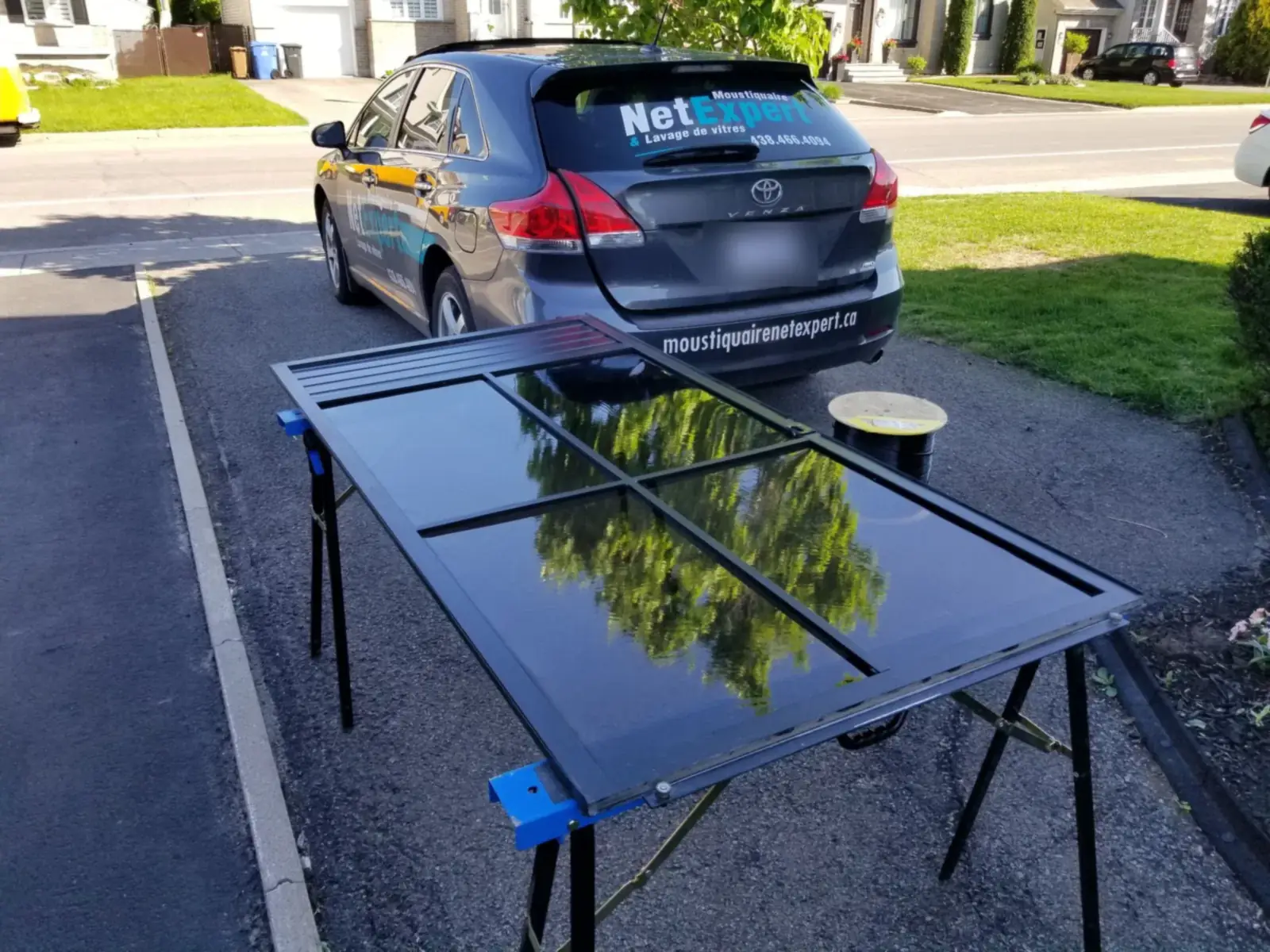 Gazebo · MICA
Screen panels and clear MICA vinyl, replaced on site.
Clear prices
Most companies in this trade publish no prices at all. Here are ours, as starting prices — the exact amount depends on size, mesh type and how many units per visit; the free quote sets it.
From$30per screen
From$30per screen
From$40per screen
From$120per screen
From$500per door
The price depends on the panel count and the vinyl: set on site.
A $125 travel fee applies to every visit, whatever the number of screens — it is shared across all your items, which is why grouping them pays.
$125
Grouping several screens in one visit brings the price of each one down: the travel fee is shared. An exact quote is free and reaches you promptly.
1-year warranty on fabrication and installation. Damage caused by the client is not covered. Payment: Visa, MasterCard, Interac, Bank transfer.
Any price provided is strictly a summary estimate. If work must be added once on site, prices will be adjusted — and always explained before we start.
Not all mesh is equal, and the right one depends on your window, your pets and your surroundings. We carry all four types in the vehicle — the choice happens at your home, not in a store.
Ten kinds of damage, one answer
If your screen looks like any of these, it can be repaired. Tap one to request a quote for that exact damage. We rarely replace a whole frame — in most cases only the mesh needs redoing.
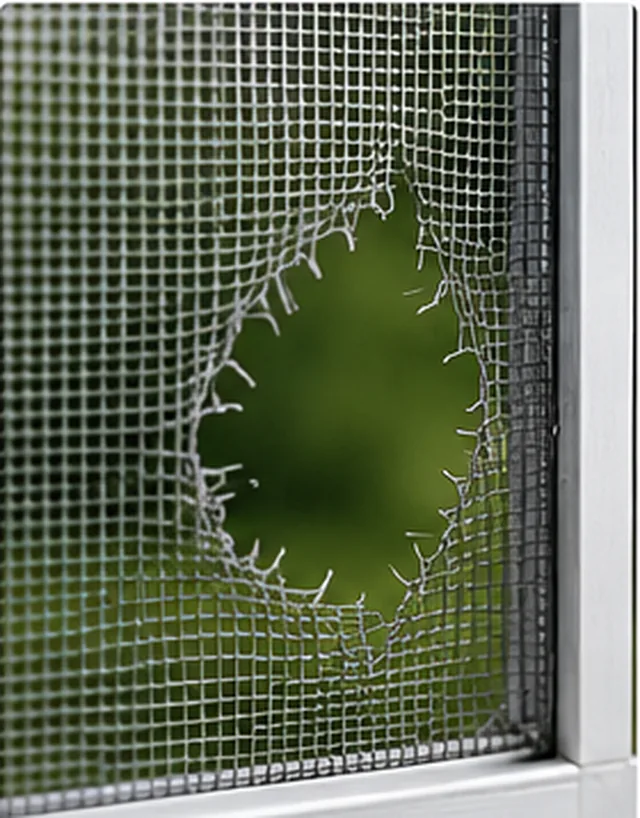 Mesh
Mesh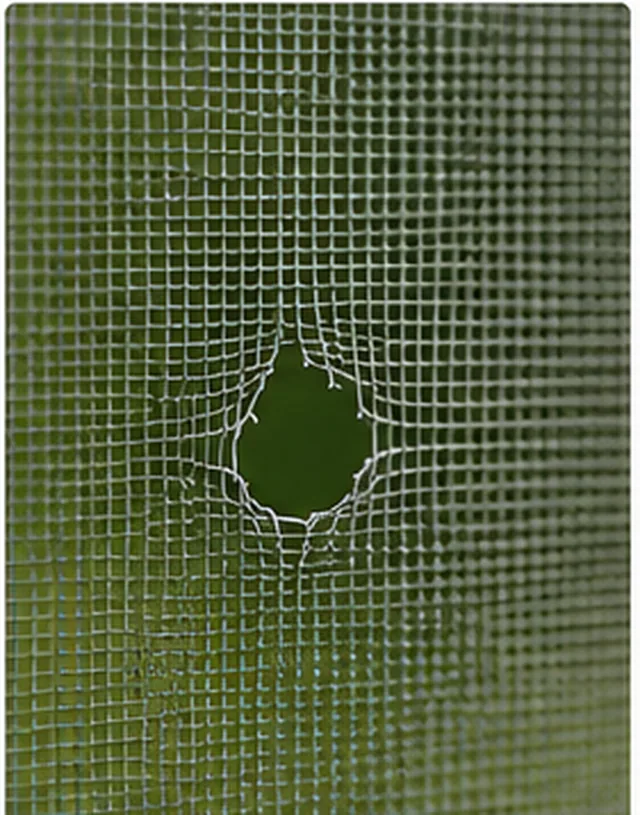 Mesh
Mesh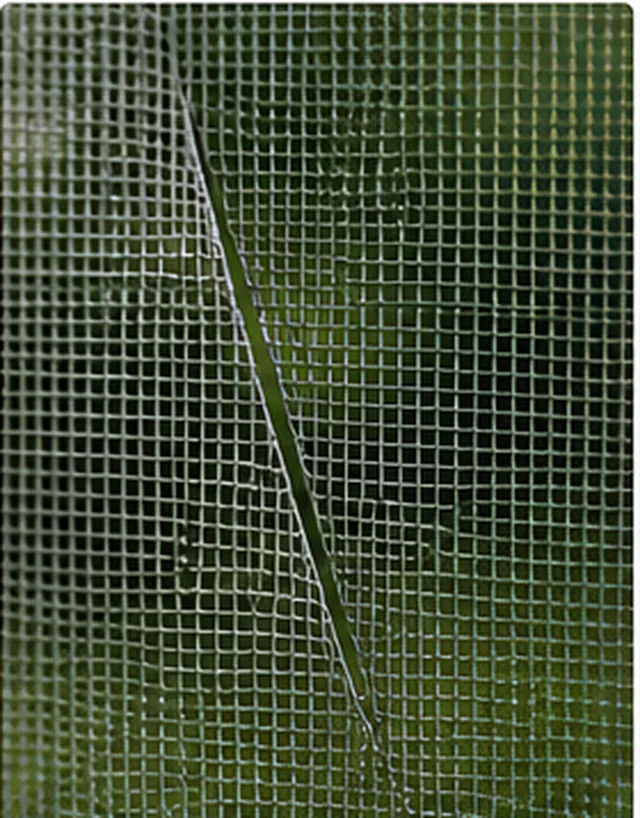 Mesh
Mesh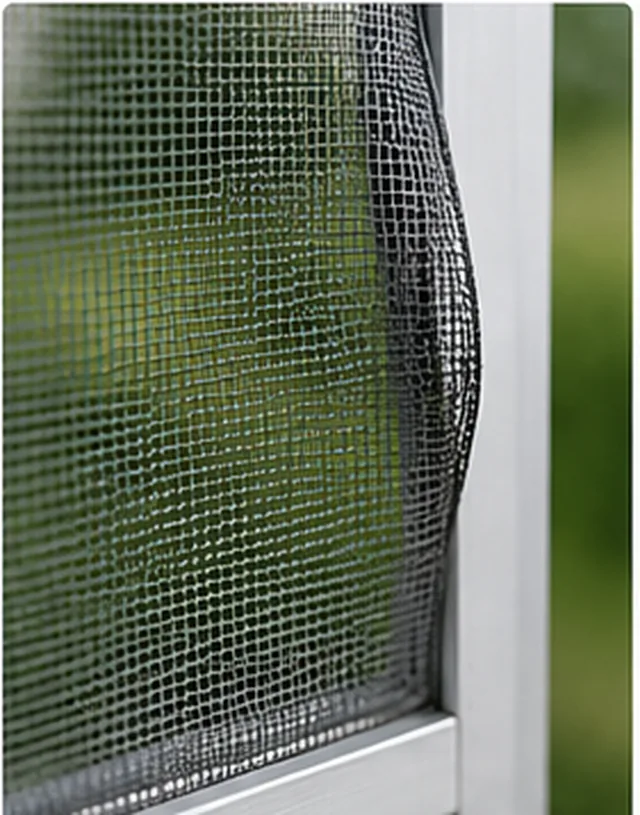 Mesh
Mesh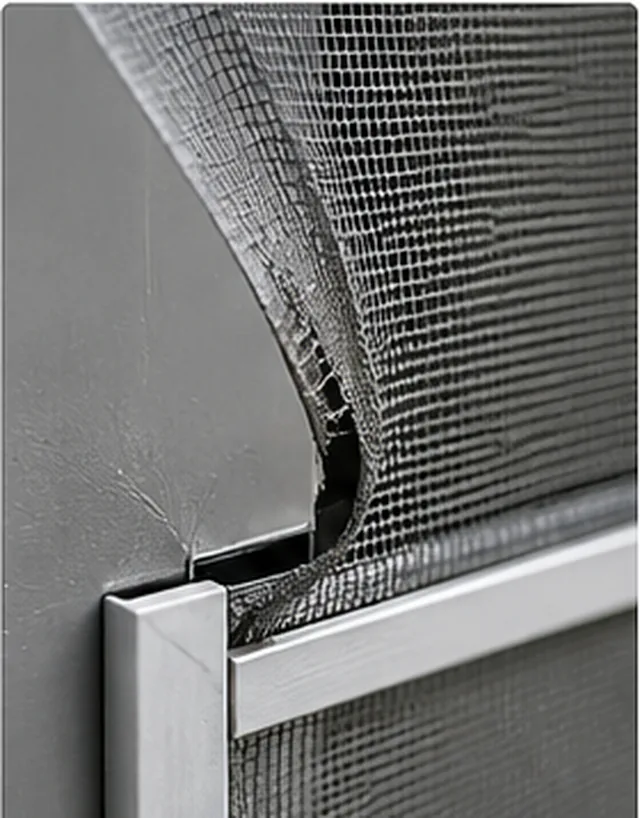 Mesh
Mesh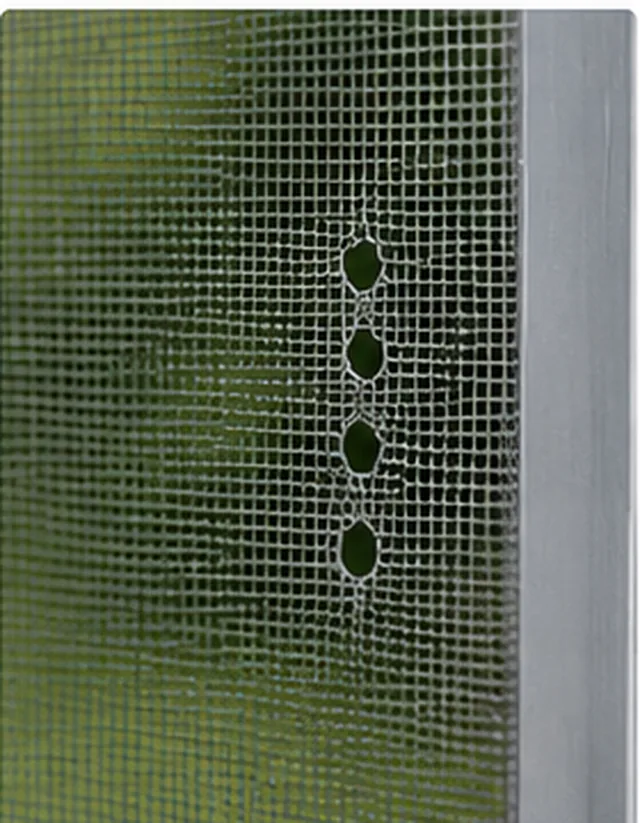 Mesh
Mesh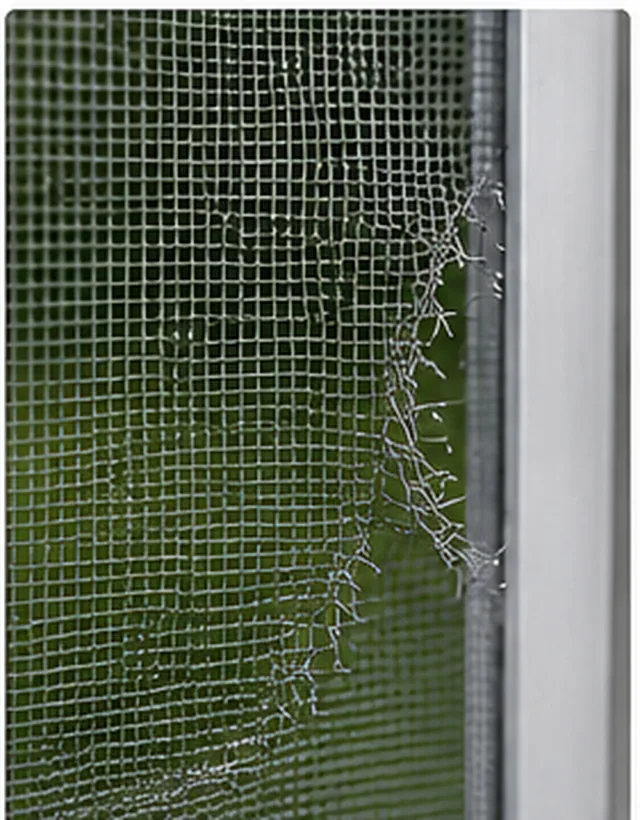 Mesh
Mesh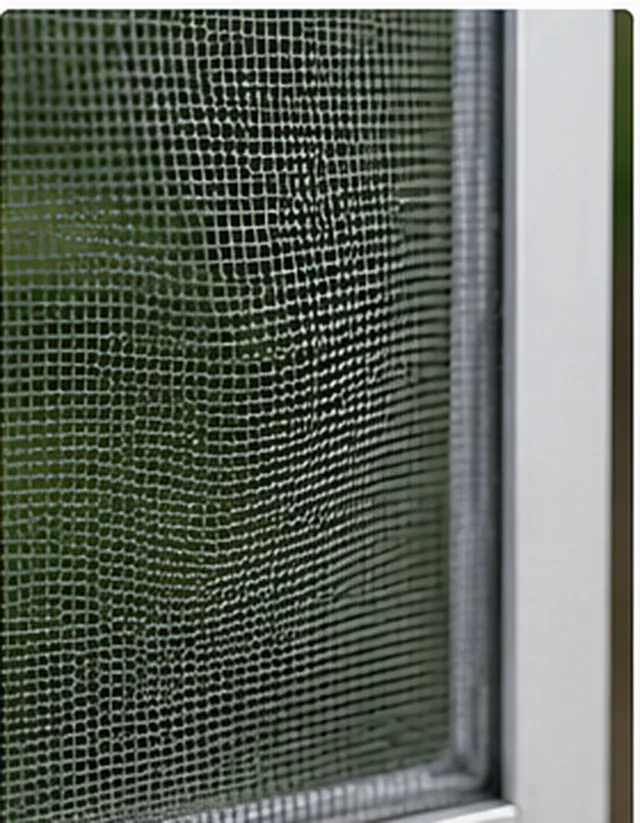 Mesh
Mesh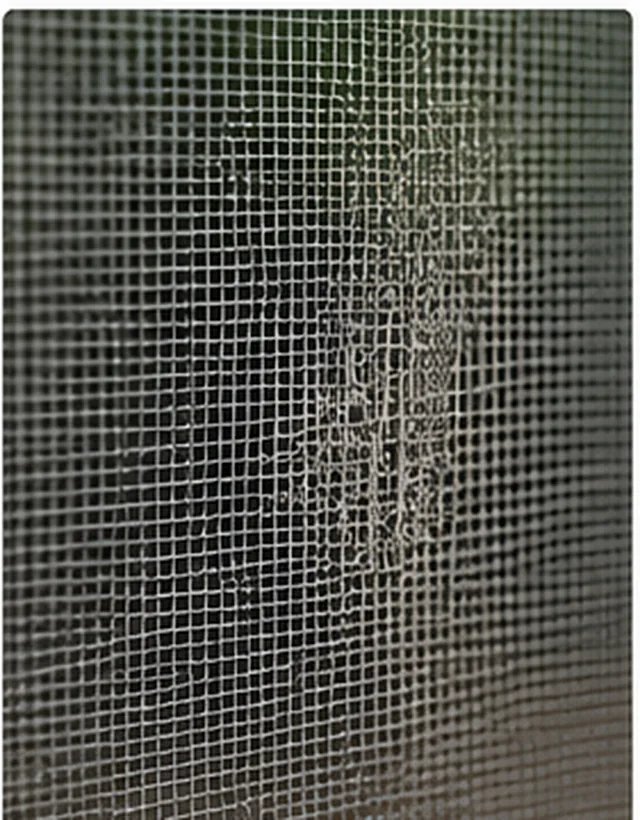 Mesh
Mesh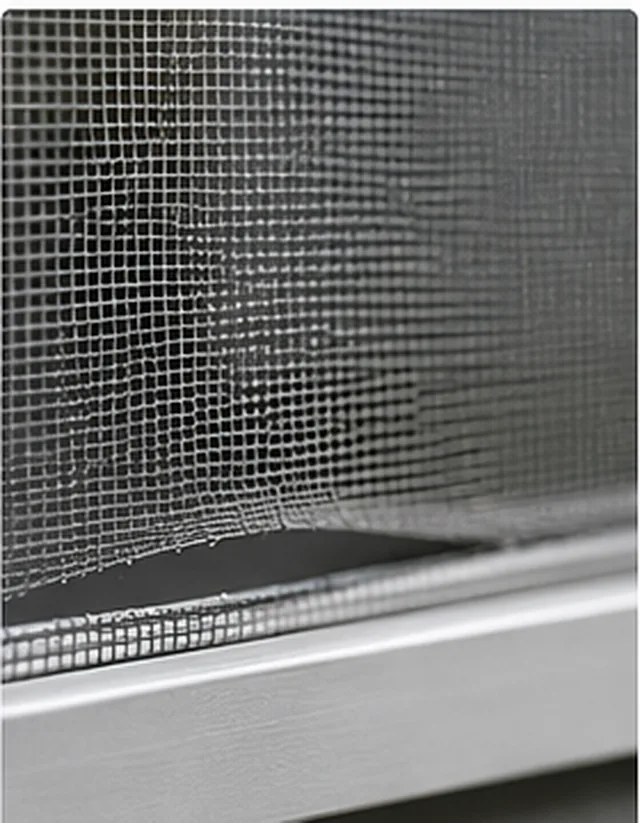 Frame
FrameThree steps
By phone or through the form. A photo helps but is not required.
We give you a time window for Otterburn Park, not a whole day.
We remove, repair and reinstall. You pay once you have seen and approved the work.
Do you manage a building or a business in Otterburn Park?
Why us
The workshop is in the vehicle: no trips to a store.
5.0from 143 Google reviews
Public and verifiable, on our Google listing.
No windows or doors to sell: we repair what you own.
6 a.m. to 8 p.m., April to October, in French and English.
7+years in the trade
Mesh taut without a ripple, frame square, rollers set.
1 yrwritten warranty
Workmanship and installation. If our work fails, we come back.
« Excellent service. Clear explanations of the work to be done. I really appreciated his dedication: despite the rain he insisted on finishing the job, soaked through and still smiling. The work was very well done. »
« Great service! He was at my neighbour’s and agreed to fix my back screen even though we had no appointment. Very successful repair, and inexpensive! »
« Ludovic replaced my screen in record time. Professional, and with a great sense of humour. I recommend his services — don’t hesitate to contact him, he’ll come to your home and do beautiful work. »
Straight answers
That is the size used on bungalows from the 1960s to the 1980s, and it is no longer sold. The good news is that it does not need replacing: the profile is thin but still straight, and the groove that holds the mesh is intact. The old mesh and spline come out, new mesh is tensioned into the same frame, and the panel goes back exactly where it was.
Yes, indirectly. Leaves and needles pasted on by rain add weight and hold moisture against the mesh all season; the mesh eventually loosens and pulls out of its groove in a corner. A patio door track, for its part, fills with leaf litter that jams the rollers. A cleaned track and properly retensioned mesh settle most of these cases.
On a wooded lot, yes, if the same mesh goes back in. Standard fibreglass was never meant to take claws. Pet-resistant mesh is thicker and more tightly woven; it fits in the same panel, with no change to the door itself. Many owners put it only on the patio door and the lower reachable windows, where the problem actually occurs.
Yes. We are a mobile business: we come to your home in Otterburn Park, remove the screens, repair them on site and reinstall them before we leave.
Replacing the mesh of a window screen, in its existing frame, starts from $30. The exact amount depends on size, mesh type and how many units you have, and the quote sets it. The more screens in the same visit, the lower the price of each. A $125 travel fee applies to every visit, whatever the number of screens — it is shared across all your items, which is why grouping them pays.
Yes: one year on fabrication and installation. If our work fails, we come back at no charge. Damage caused afterwards is not covered.
Written for Otterburn Park
Otterburn Park began as a summer resort area at the foot of Mont Saint-Hilaire, and that geography still explains most of the work. The lots are wooded, often with mature trees, and the Richelieu River runs a few streets away. A screen in that setting does not age the way one does in an open suburb: it collects seed pods, needles, sap, pollen and leaves pasted on by rain, and mesh loaded with debris stretches faster because it carries weight all season long. Much of the town lives under that canopy. It is also why the question here is rarely just whether the mesh is torn, but whether the frame still holds tension. A frame that has carried wet leaves through five summers no longer has the stiffness it left the shop with. That difference shows up the moment new mesh is tensioned into it.
The housing stock reads in two parts. First the summer cottages converted into permanent homes: buildings put up for three months of the year, insulated and renovated afterward, with openings replaced at different times. Then the bungalows of the 1960s to the 1980s, more regular, but whose original screens sit in narrow aluminum frames that no retailer stocks any more. The two families often share the same street, and they do not ask for the same thing. The converted cottage calls for individual measurement and sometimes custom fabrication. The bungalow calls for rescreening — the frame is still straight, only the mesh has failed, and putting new mesh in the existing frame avoids having a new frame built to dimensions that are no longer sold. On a single visit it is therefore common to work through both logics one after the other, on the same street.
On bungalows from that period, horizontal sliders and double-hung windows are the most common, and in neither case is the mesh the first thing to fail. A sliding screen runs on a side track; the rollers wear, flatten, and the panel starts to rub, then twist, then jump its course. On the narrow aluminum frames of that era, replacement hardware is no longer sold in stores, but the panel itself is perfectly salvageable: the profile is still straight, the spline groove is intact, and it is enough to pull the old mesh and spline and tension new mesh in their place. Replacing such a panel would mean having a new frame built to the same non-standard size, for an identical result. The real work lies elsewhere: finding rollers that suit the profile, or reworking the ones already in it.
On the former cottages, it is the succession of renovations that complicates things. A casement fitted during one job, a slider from another era, a patio door cut through the back wall during an extension: three different systems in one house, three different ways of removing a panel. The casement is the simplest — its screen is on the inside, lifts off its latches without a ladder, and is rescreened in its frame indoors. The patio door is the opposite: the heaviest and most-used opening, and on a wooded lot its track fills with leaf litter that eventually jams the rollers. Clean track, new rollers, height reset, and the door rolls again without the panel itself being touched. It is also the opening worth checking at the start of the season rather than on the first evening spent outside.
The dominant constraint here is the trees. A mature canopy over the house means shade and steady humidity, so wooden frames move more than they would elsewhere and tracks stay dirty. It also means squirrels: standard fibreglass mesh does not stand up to claws, and a hole low on a patio door panel is almost always that. Where the problem repeats, pet-resistant mesh — thicker and woven to take claws — settles it better than a third rescreening in standard fibreglass. And the terrain in this area makes some access points less convenient: on a rear elevation that sits lower than the front, upstairs panels come out from the inside wherever the window allows it.
Two pressures stack up in Otterburn Park: the tree cover and the nearby Richelieu River. The woods bring spring black flies, the river and the damp ground bring no-see-ums, and those pass through standard fibreglass without touching it — the mesh openings are simply too wide. A tight weave handles both, at the cost of a little less airflow and a slightly darker view. In houses with animals the question doubles: a cat that climbs, a dog that pushes, a squirrel on the patio door. Pet-resistant mesh holds where standard fibreglass gives way, and mixing is common — tight weave on the bedrooms, pet mesh on the patio door, standard fibreglass elsewhere.