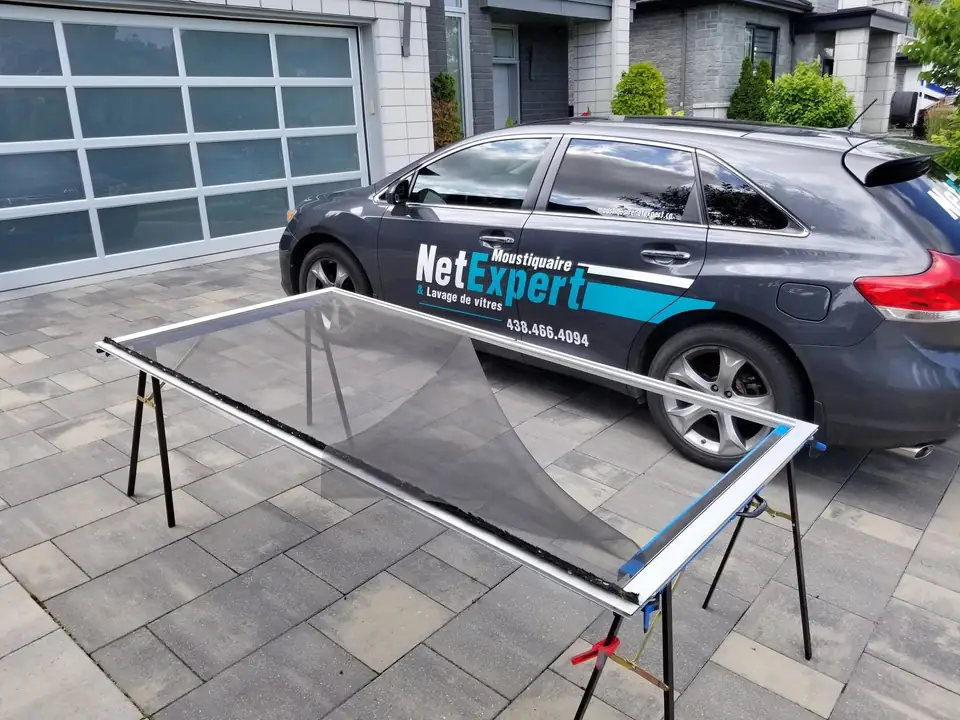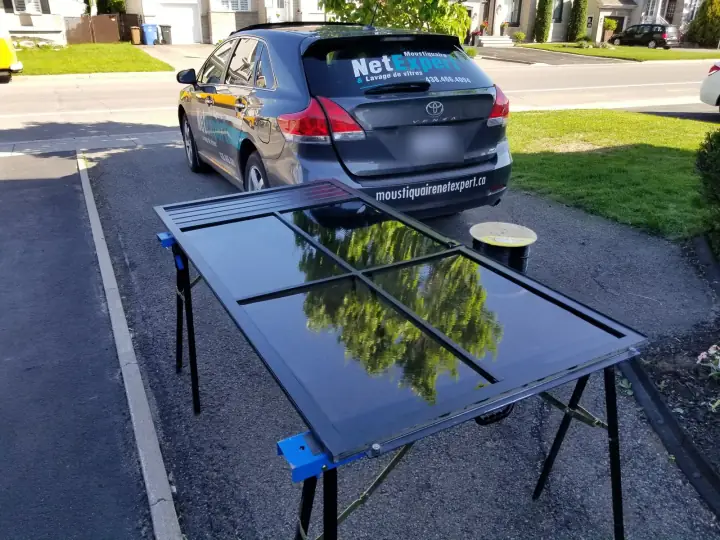
Screen rescreening (window)
From$30per screen
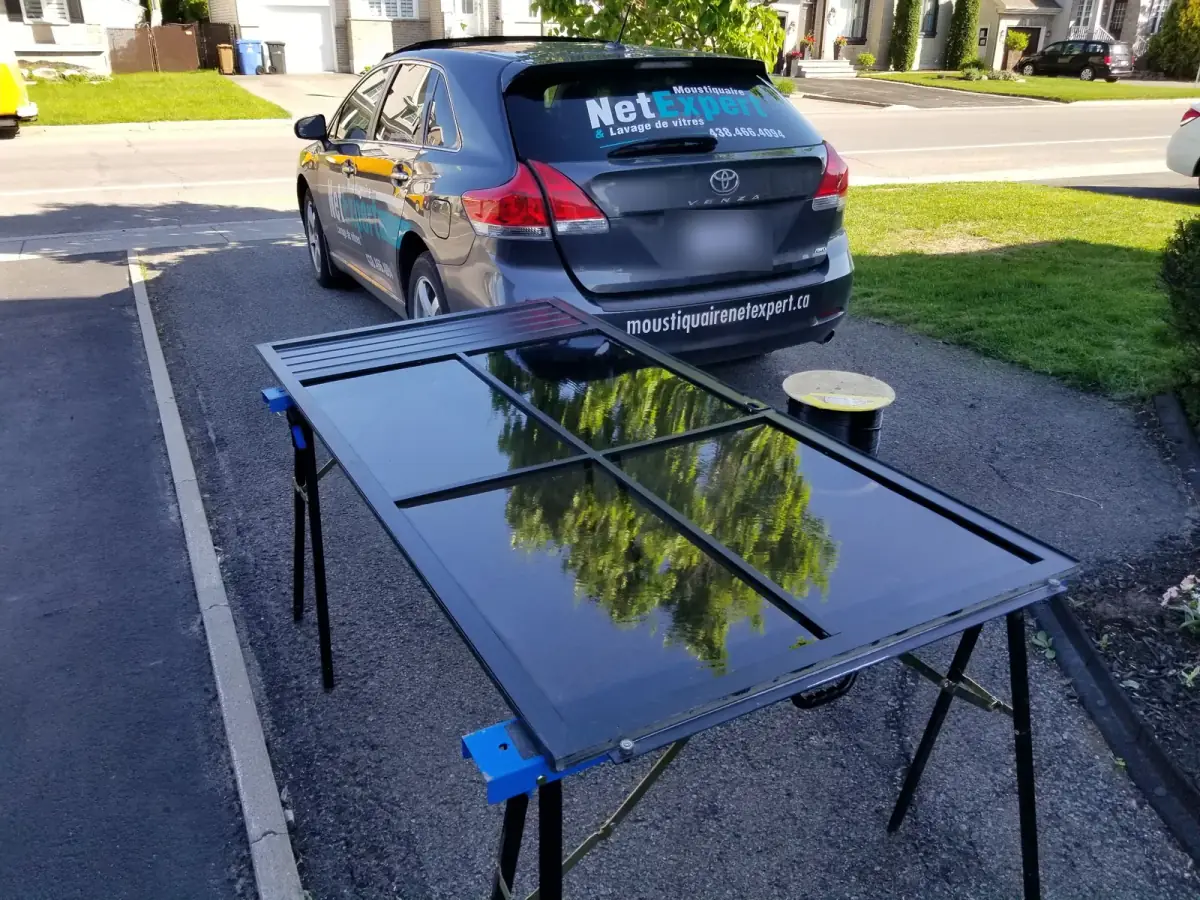
From Brossard, across Greater Montréal
Mobile on-site service in Richelieu and nearby. Mesh, rollers, frames, patio doors.
Three questions are enough to start. The official measurement is taken on site.
Six services, one trade
One trade, done properly. We don’t sell windows — we repair window screens, and that is all we do.
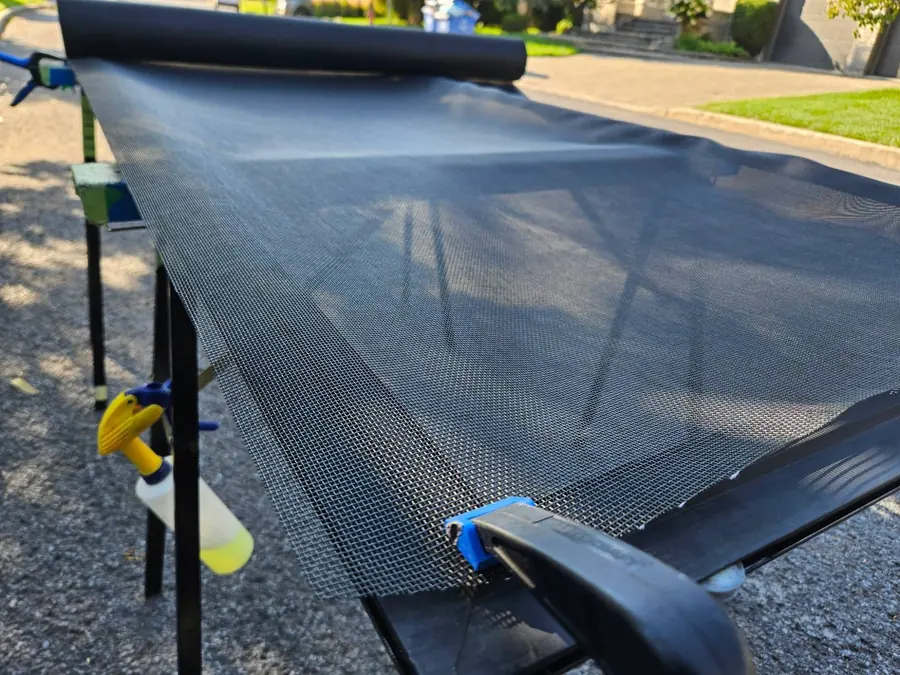 Repair
Torn, punctured or sagging mesh, replaced in your existing frame.
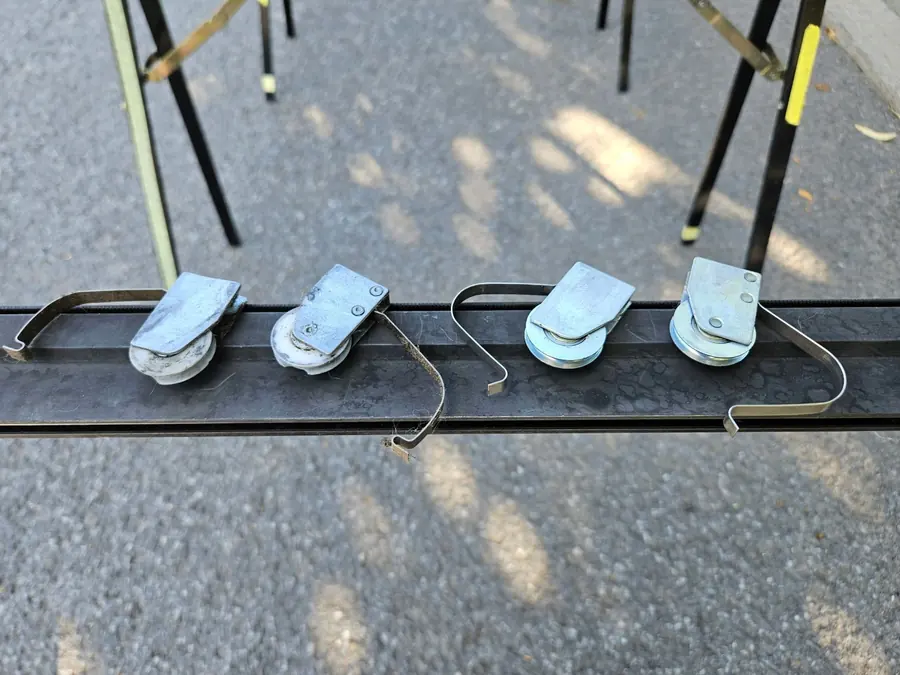 Repair
A screen that sticks, jumps the track or no longer closes.
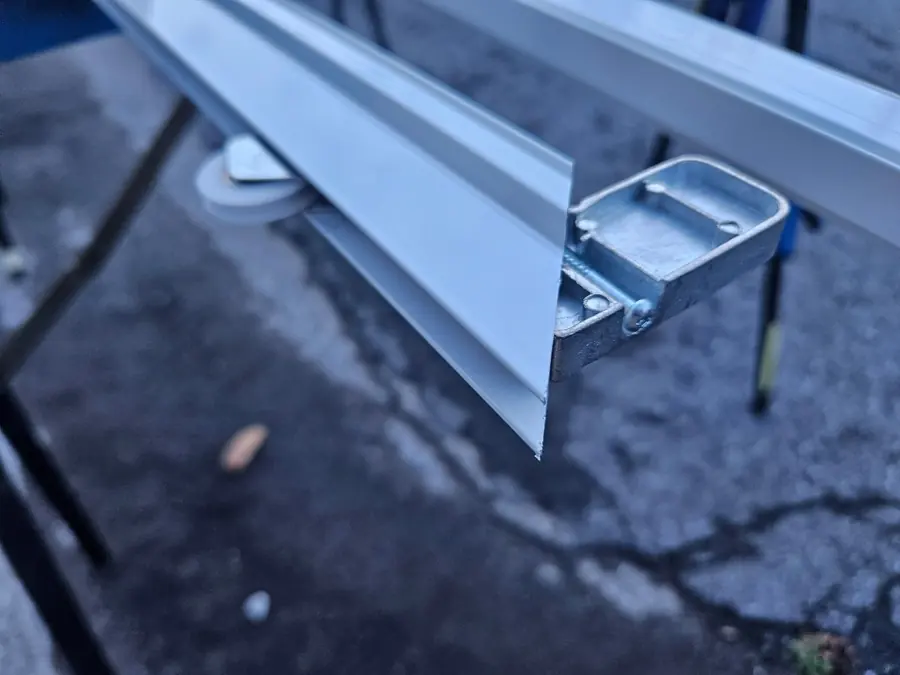 Repair
Bent frame, separated corner, split moulding.
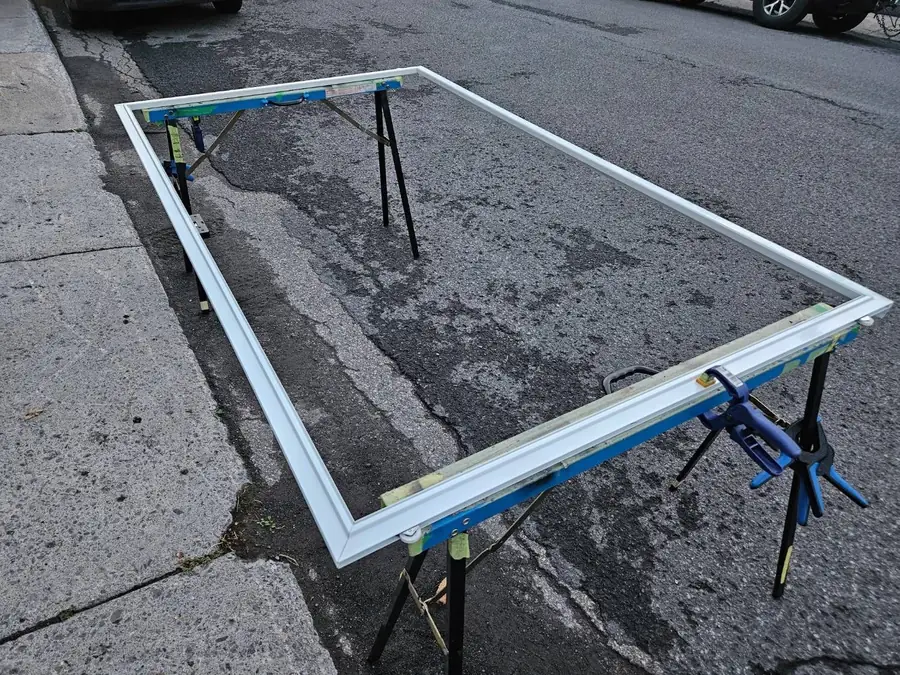 Repair
A missing screen, or an opening with no original to copy.
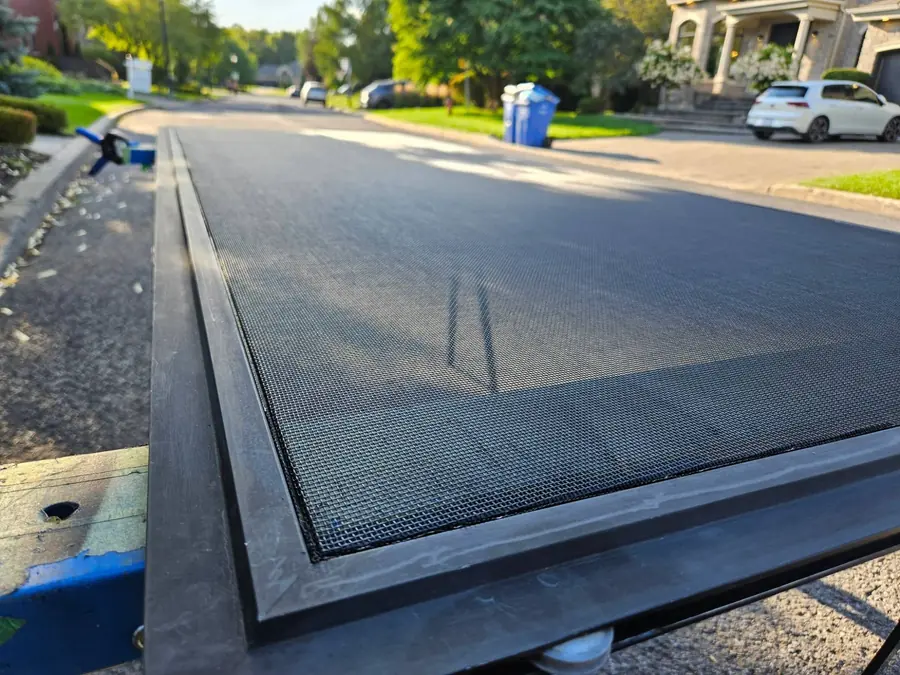 Patio door
The part that breaks most often, and gets used most.
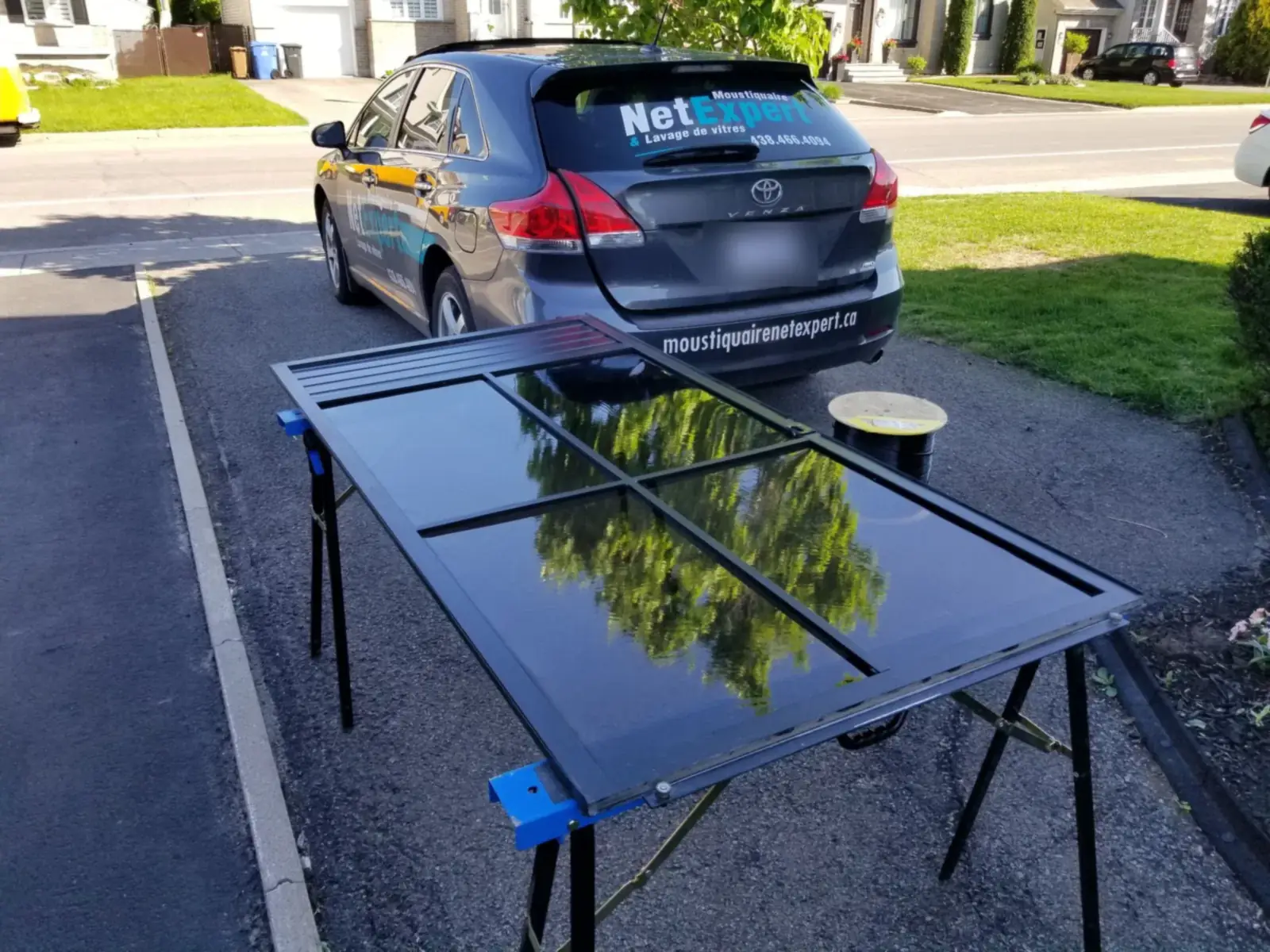 Gazebo · MICA
Screen panels and clear MICA vinyl, replaced on site.
Clear prices
Most companies in this trade publish no prices at all. Here are ours, as starting prices — the exact amount depends on size, mesh type and how many units per visit; the free quote sets it.
From$30per screen
From$30per screen
From$40per screen
From$120per screen
From$500per door
The price depends on the panel count and the vinyl: set on site.
A $125 travel fee applies to every visit, whatever the number of screens — it is shared across all your items, which is why grouping them pays.
$125
Grouping several screens in one visit brings the price of each one down: the travel fee is shared. An exact quote is free and reaches you promptly.
1-year warranty on fabrication and installation. Damage caused by the client is not covered. Payment: Visa, MasterCard, Interac, Bank transfer.
Any price provided is strictly a summary estimate. If work must be added once on site, prices will be adjusted — and always explained before we start.
Not all mesh is equal, and the right one depends on your window, your pets and your surroundings. We carry all four types in the vehicle — the choice happens at your home, not in a store.
Ten kinds of damage, one answer
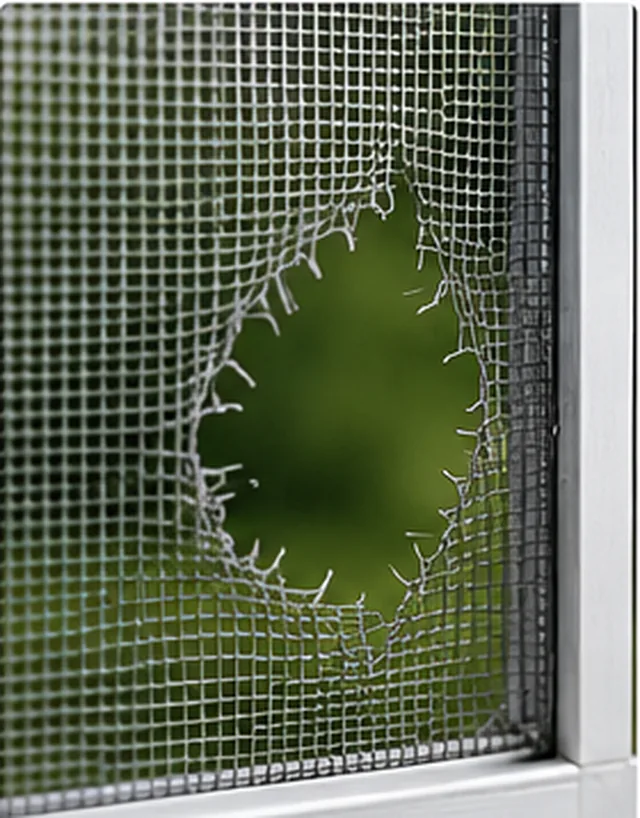
If your screen looks like any of these, it can be repaired. Tap one to request a quote for that exact damage. We rarely replace a whole frame — in most cases only the mesh needs redoing.
 Mesh
Mesh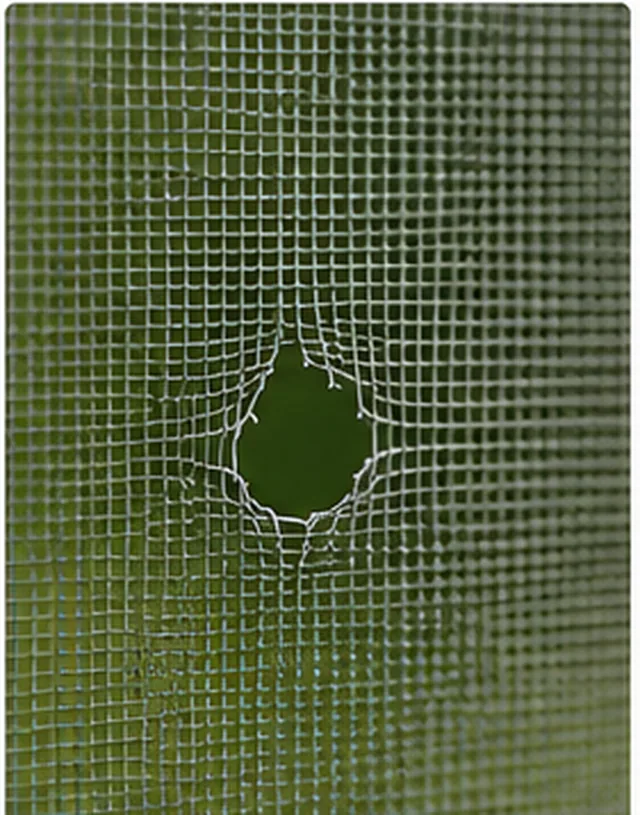 Mesh
Mesh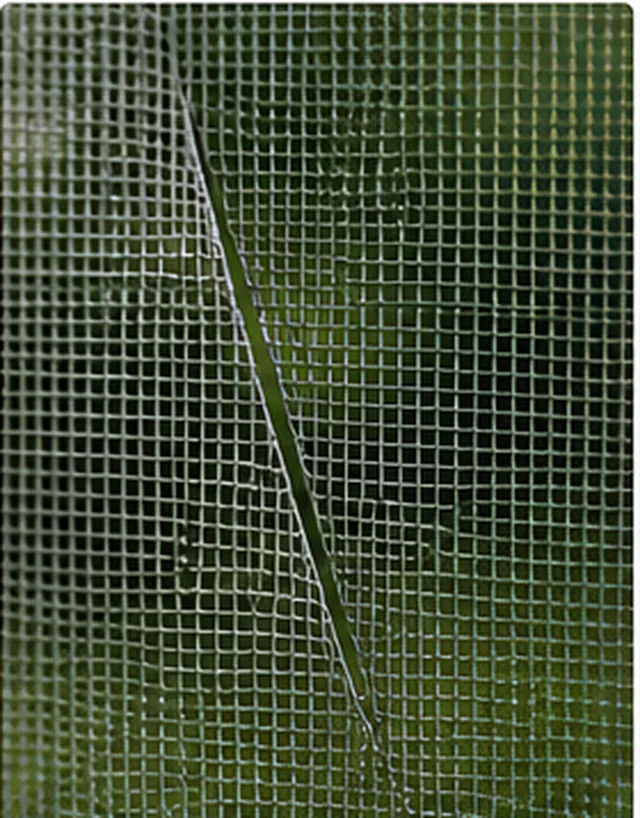 Mesh
Mesh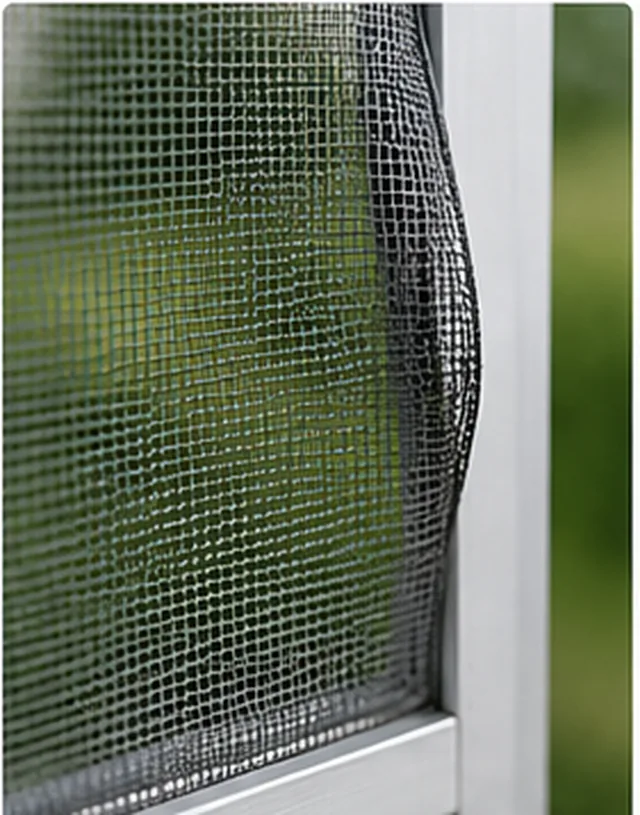 Mesh
Mesh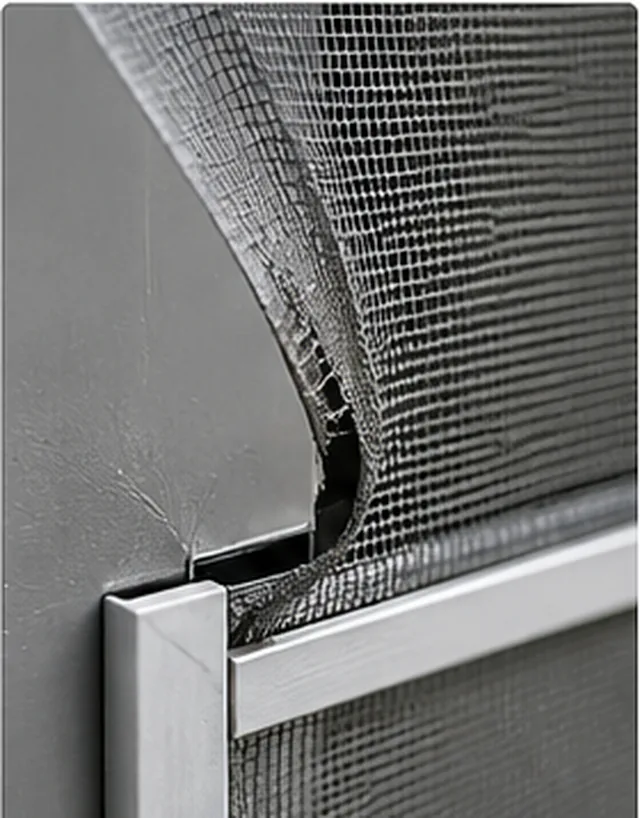 Mesh
Mesh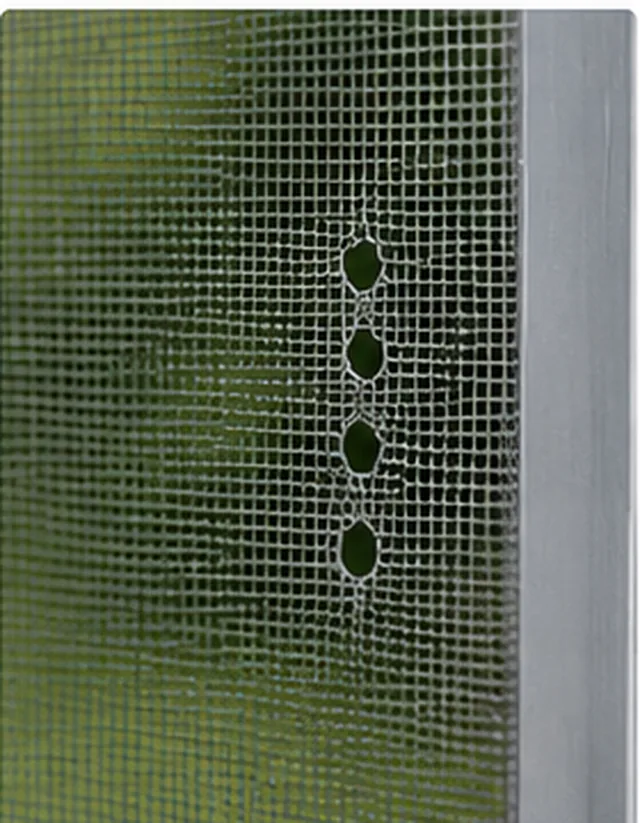 Mesh
Mesh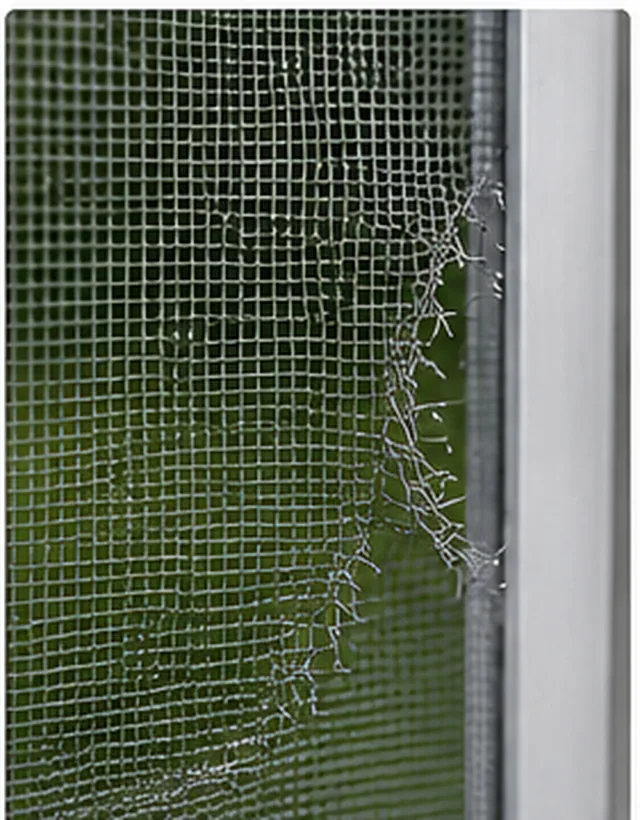 Mesh
Mesh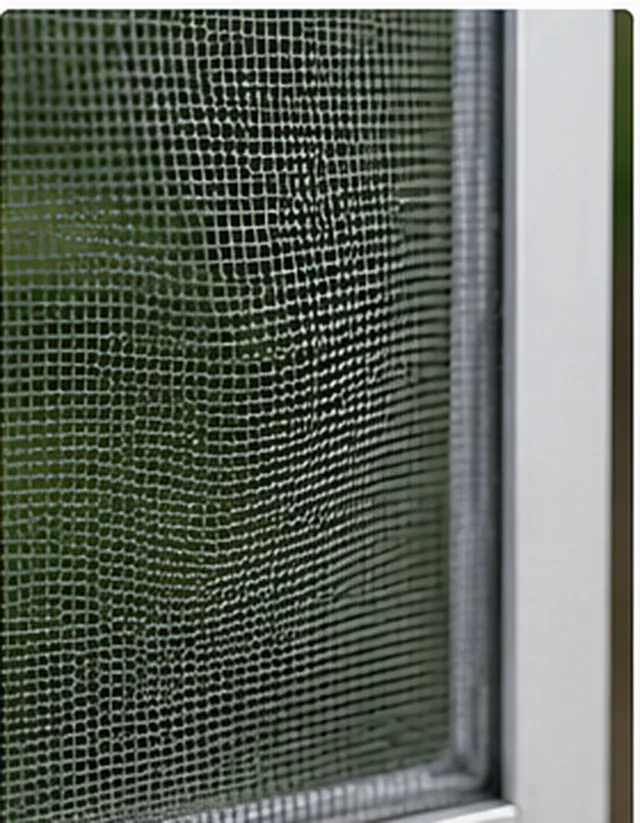 Mesh
Mesh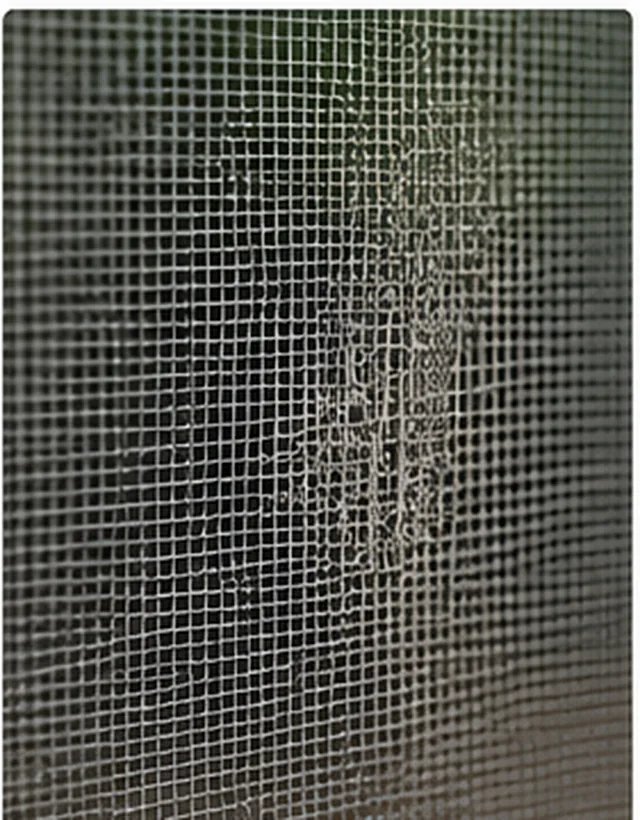 Mesh
Mesh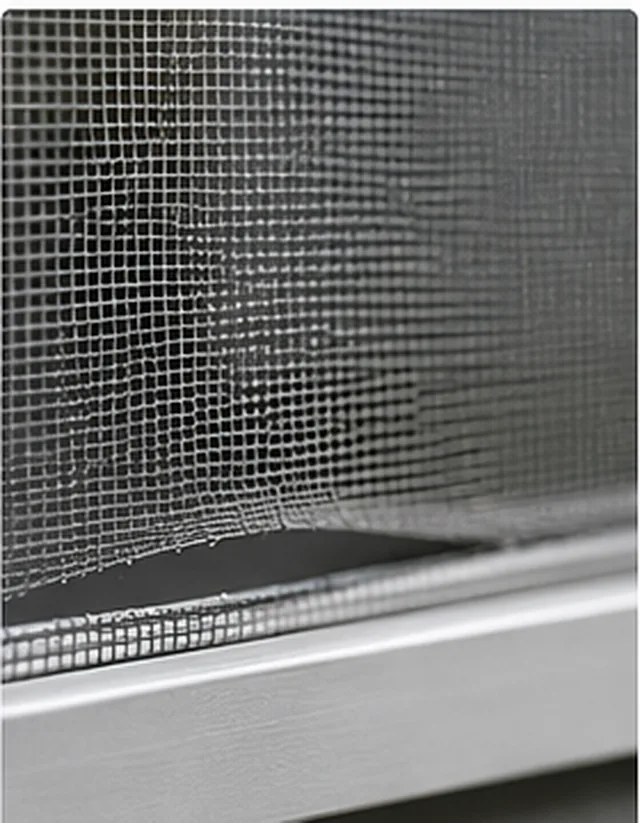 Frame
FrameThree steps
By phone or through the form. A photo helps but is not required.
We give you a time window for Richelieu, not a whole day.
We remove, repair and reinstall. You pay once you have seen and approved the work.
Do you manage a building or a business in Richelieu?
Why us
The workshop is in the vehicle: no trips to a store.
5.0from 143 Google reviews
Public and verifiable, on our Google listing.
No windows or doors to sell: we repair what you own.
6 a.m. to 8 p.m., April to October, in French and English.
7+years in the trade
Mesh taut without a ripple, frame square, rollers set.
1 yrwritten warranty
Workmanship and installation. If our work fails, we come back.
« Ludovic replaced my screen in record time. Professional, and with a great sense of humour. I recommend his services — don’t hesitate to contact him, he’ll come to your home and do beautiful work. »
« Excellent service. Clear explanations of the work to be done. I really appreciated his dedication: despite the rain he insisted on finishing the job, soaked through and still smiling. The work was very well done. »
« Great service! He was at my neighbour’s and agreed to fix my back screen even though we had no appointment. Very successful repair, and inexpensive! »
Straight answers
Almost always. Sunroom frames age well: they sit vertical and sheltered, and nobody drags them open every day the way a patio door gets dragged. It is the mesh that fails, not the frame. Each panel gets measured, since sunrooms rarely use standard sizes, and then they are rescreened in series. A bent or split frame can be straightened, or rebuilt to the same dimensions.
Almost certainly the rollers, and the track. A patio door screen is the hardest-working one in the house: the rollers flatten, and the track fills with sand and grit that finishes them off. Fitting new rollers into a dirty track will not last the season. The track gets cleaned, the rollers get replaced, and the mesh is checked at the same time, because all three wear together.
Usually, yes. A frame that is still square, however old, can be rescreened: the spline comes out, new mesh goes in, and it closes back up. That is also what saves having a frame built in a size nobody stocks any more. If a corner has let go or the frame has twisted, it gets straightened first; if it is beyond that, a new one is made to the opening's real dimensions.
Yes. We are a mobile business: we come to your home in Richelieu, remove the screens, repair them on site and reinstall them before we leave.
Replacing the mesh of a window screen, in its existing frame, starts from $30. The exact amount depends on size, mesh type and how many units you have, and the quote sets it. The more screens in the same visit, the lower the price of each. A $125 travel fee applies to every visit, whatever the number of screens — it is shared across all your items, which is why grouping them pays.
Yes: one year on fabrication and installation. If our work fails, we come back at no charge. Damage caused afterwards is not covered.
Written for Richelieu
Richelieu, in the Rouville RCM, was built in two clearly separate waves. First came the old village core on the east bank of the Richelieu River, where houses carry several generations of windows behind them. Then, from the 1980s through to the 2010s, roughly thirty years of continuous development: bungalows first, then two-storey homes, each with the glazing of its decade. For screens, that difference is not cosmetic. A house from 1990 and a house from 2008 do not share the same hardware, the same panel retention system, or the same opening sizes, even when they look alike from the street. A town built out over three decades ends up with a housing stock where nearly every street has its own vintage, and where it pays to look at the window before talking about the repair.
The most useful thing to know about Richelieu is what happens on the river side: a lot of patio doors and a lot of sunrooms. Those are the two openings that consume the most screening, for opposite reasons. A patio door is the only screen in a house that gets handled several times a day for six months a year; the mesh ends up slack, the rollers flatten out and the track fills with grit. A sunroom multiplies panels instead: where a bedroom window means one screen, a glazed room can mean eight or ten, often in a size that exists nowhere else in the house. Several of those panels never open at all: they are fixed, and their mesh ages purely from sun exposure. One is volume, the other is custom work. Both are handled on site in a single visit, but not in the same way.
In the old core, the opening you meet most often is the casement, sometimes still in wood. On a casement the screen sits inside: it unclips, comes out, gets new mesh in the existing frame and goes back. The developments from the 1980s to the 2010s run more to PVC casements and sliders. PVC from that period has two things going for it, common sizes and hardware that can still be sourced, so a panel is rescreened in the same visit, with no part to order. On the sliders, the roller gives out before the mesh does; a panel that catches gets forced, and a panel that gets forced ends up bent out of square.
The patio door deserves separate treatment, because on the river side of Richelieu it is everywhere. Three parts wear together, and treating them separately never gives a lasting result: the mesh stretches until it pulls out of the frame at a corner, the rollers flatten and the panel starts jumping the track, and the track itself fills with sand, grit and debris that will chew through brand-new rollers if it is not cleaned first. A sunroom is a different exercise: you inventory the panels, measure each one, and rescreen in series. Sunroom frames are rarely standard sizes, but they are almost always salvageable, having lived vertical and sheltered, without the punishment a door takes a hundred times a summer.
Richelieu's real constraint is the number of panels per house rather than their difficulty. A two-storey home from the 2000s with a patio door and a sunroom can easily carry fifteen or twenty screens across several different sizes. That changes how the visit is planned: you are not coming out to fix one screen, you are walking the house, counting, measuring and deciding panel by panel what gets rescreened, what needs rollers and what has to be rebuilt. The second factor is height. In the newer two-storey stock, upper-floor screens come off from inside, which is exactly the advantage of a casement. No ladder, no climbing the elevation: the panel comes down through the window and goes back up repaired.
The Richelieu River runs past the foot of the town, and a riverbank is not the same ground as a dry suburban street: insects come out earlier and in larger numbers. Standard fibreglass does the job against mosquitoes but lets no-see-ums and black flies straight through, since ordinary mesh simply does not stop them. On a patio door or a sunroom facing the water, no-see-um mesh with its tighter weave is what actually settles it, and those are precisely the spaces where evenings get spent. Everywhere else in the house, fibreglass remains the sensible choice.