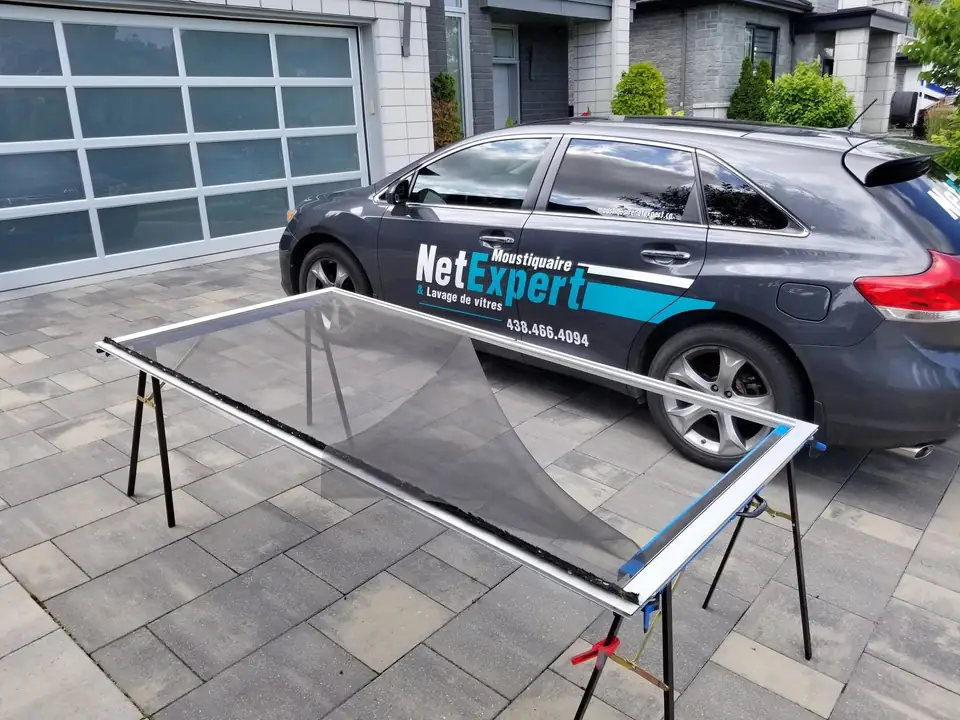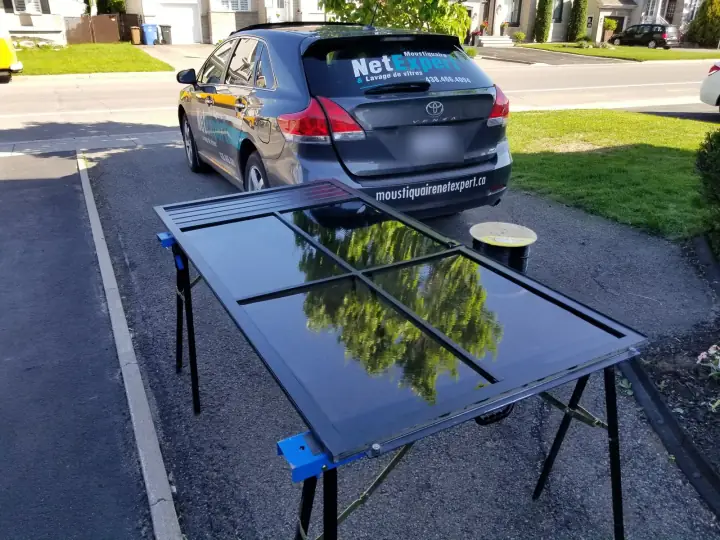
Screen rescreening (window)
From$30per screen
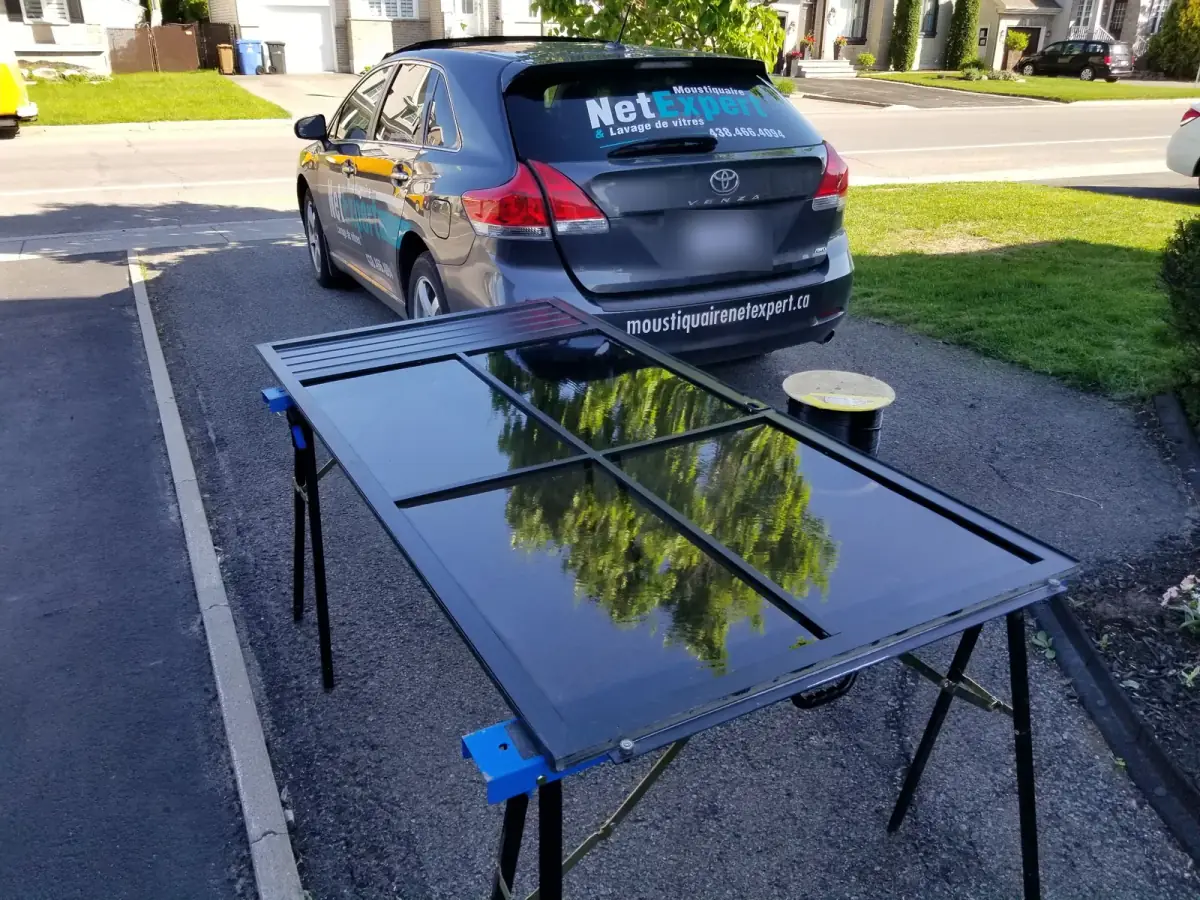
From Brossard, across Greater Montréal
Mobile on-site service in Saint-Antoine-sur-Richelieu and nearby. Mesh, rollers, frames, patio doors.
Three questions are enough to start. The official measurement is taken on site.
Six services, one trade
One trade, done properly. We don’t sell windows — we repair window screens, and that is all we do.
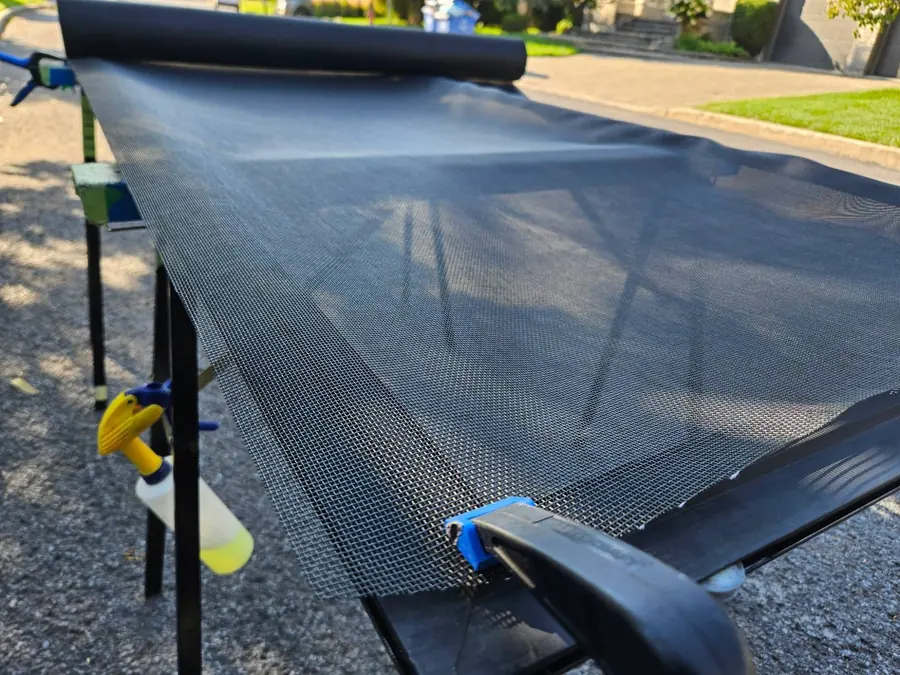 Repair
Torn, punctured or sagging mesh, replaced in your existing frame.
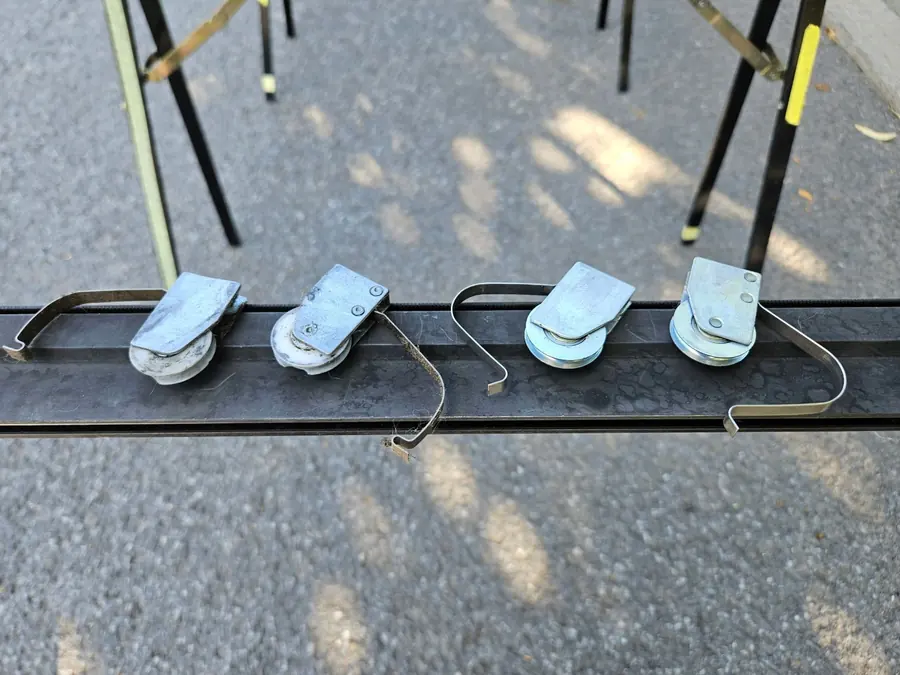 Repair
A screen that sticks, jumps the track or no longer closes.
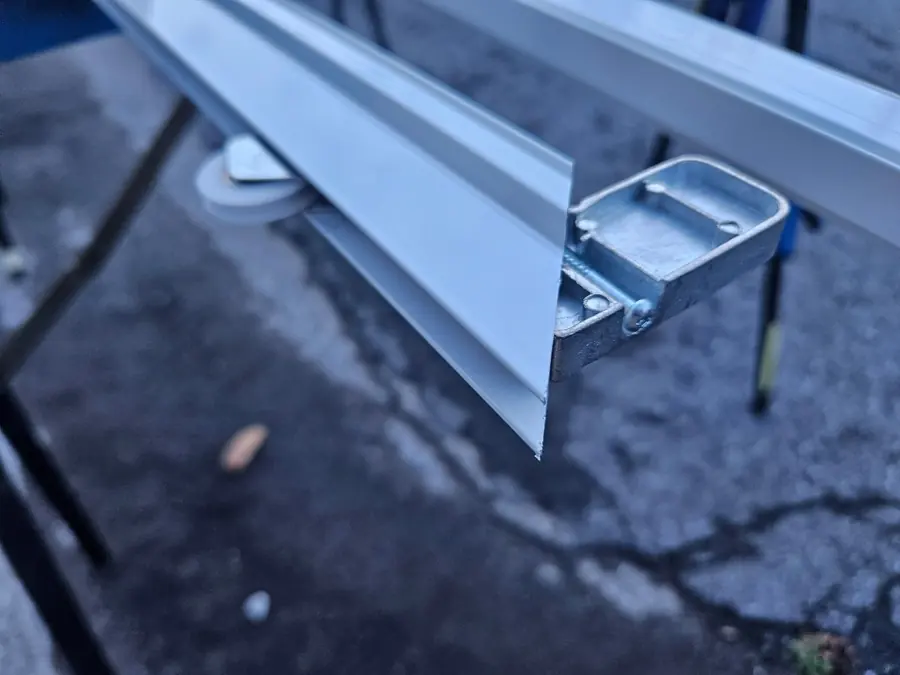 Repair
Bent frame, separated corner, split moulding.
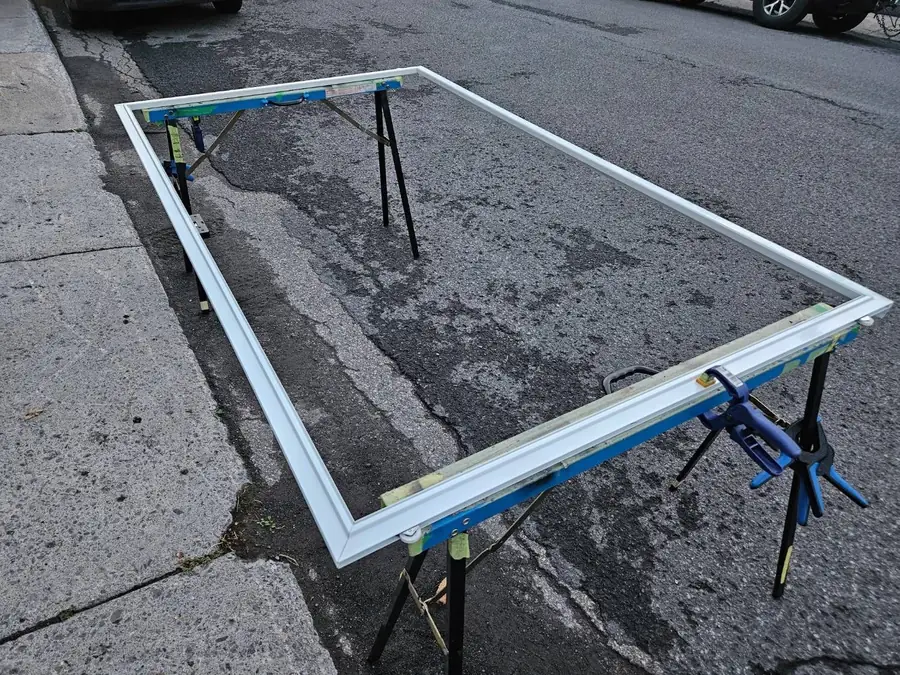 Repair
A missing screen, or an opening with no original to copy.
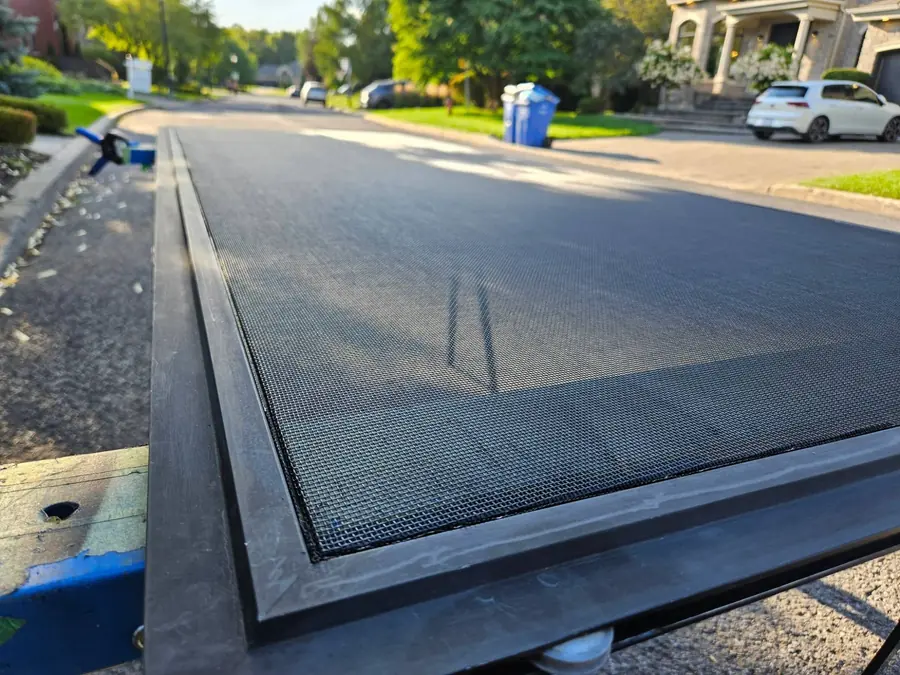 Patio door
The part that breaks most often, and gets used most.
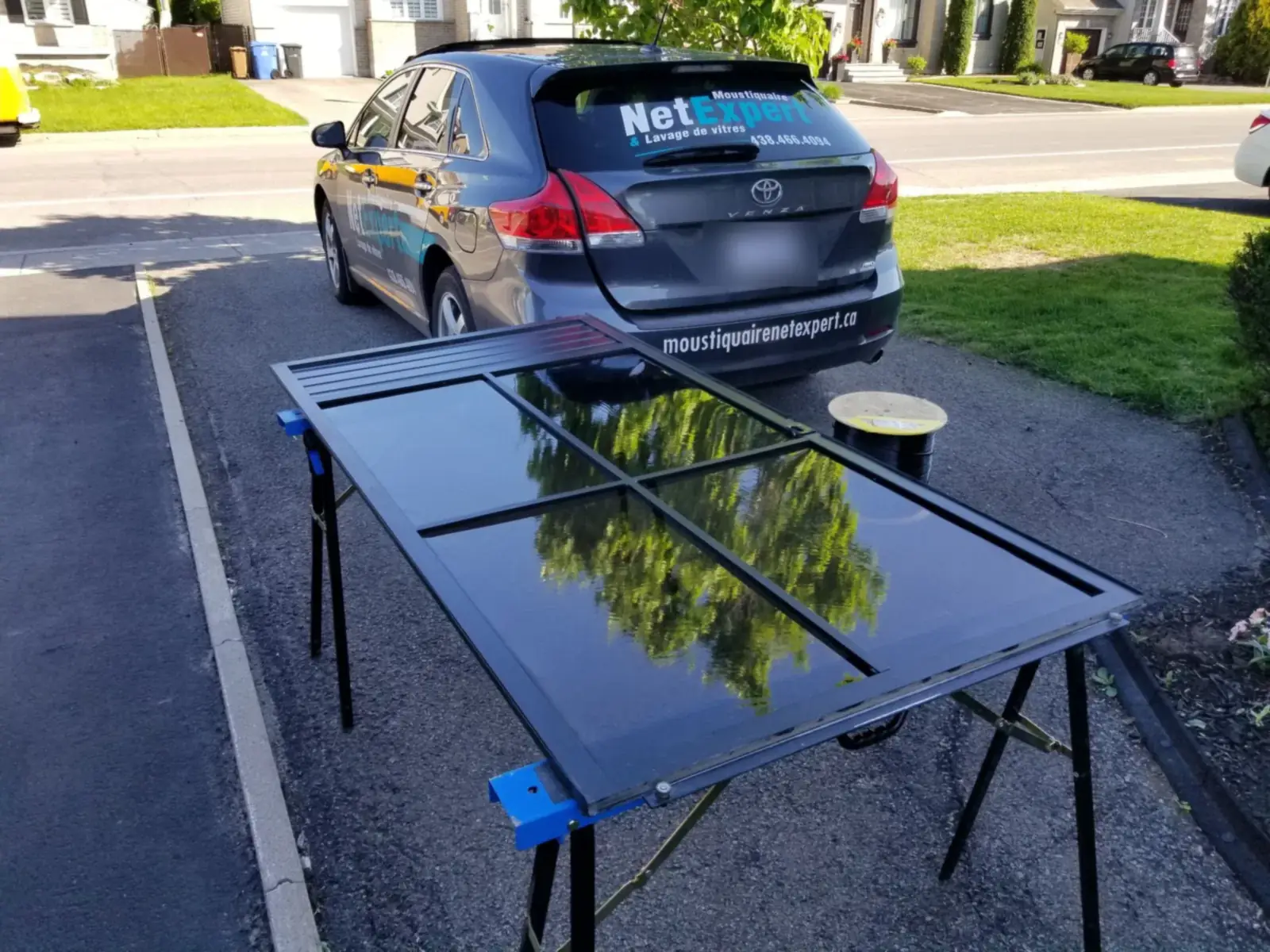 Gazebo · MICA
Screen panels and clear MICA vinyl, replaced on site.
Clear prices
Most companies in this trade publish no prices at all. Here are ours, as starting prices — the exact amount depends on size, mesh type and how many units per visit; the free quote sets it.
From$30per screen
From$30per screen
From$40per screen
From$120per screen
From$500per door
The price depends on the panel count and the vinyl: set on site.
A $125 travel fee applies to every visit, whatever the number of screens — it is shared across all your items, which is why grouping them pays.
$125
Grouping several screens in one visit brings the price of each one down: the travel fee is shared. An exact quote is free and reaches you promptly.
1-year warranty on fabrication and installation. Damage caused by the client is not covered. Payment: Visa, MasterCard, Interac, Bank transfer.
Any price provided is strictly a summary estimate. If work must be added once on site, prices will be adjusted — and always explained before we start.
Not all mesh is equal, and the right one depends on your window, your pets and your surroundings. We carry all four types in the vehicle — the choice happens at your home, not in a store.
Ten kinds of damage, one answer
If your screen looks like any of these, it can be repaired. Tap one to request a quote for that exact damage. We rarely replace a whole frame — in most cases only the mesh needs redoing.
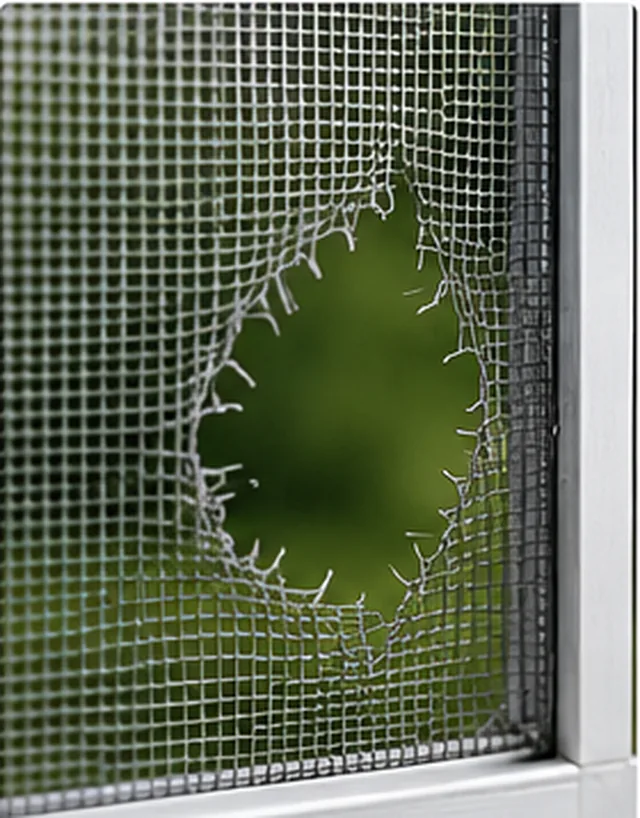 Mesh
Mesh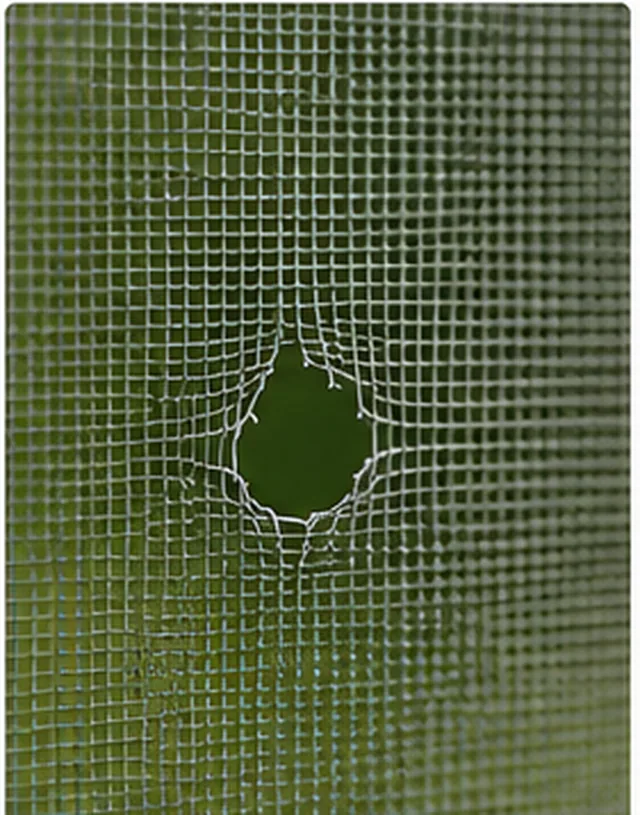 Mesh
Mesh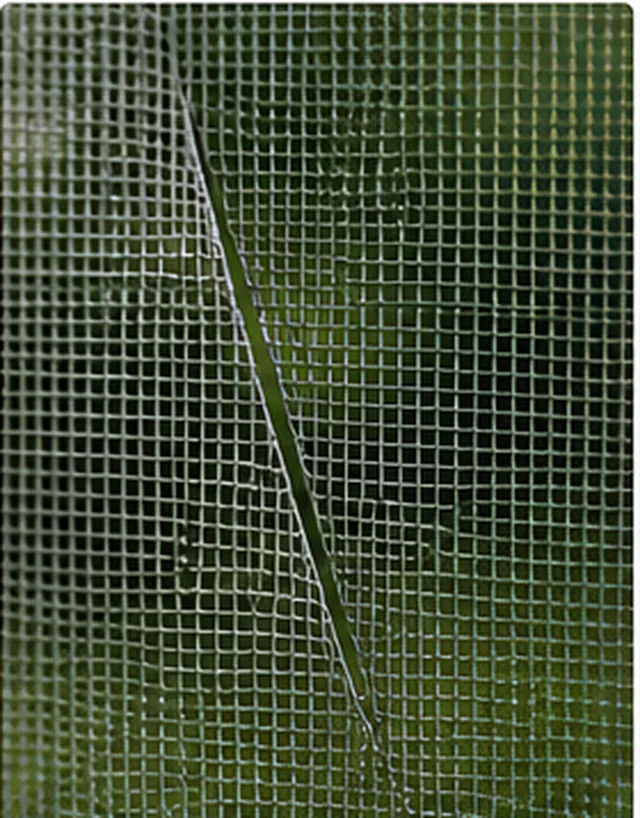 Mesh
Mesh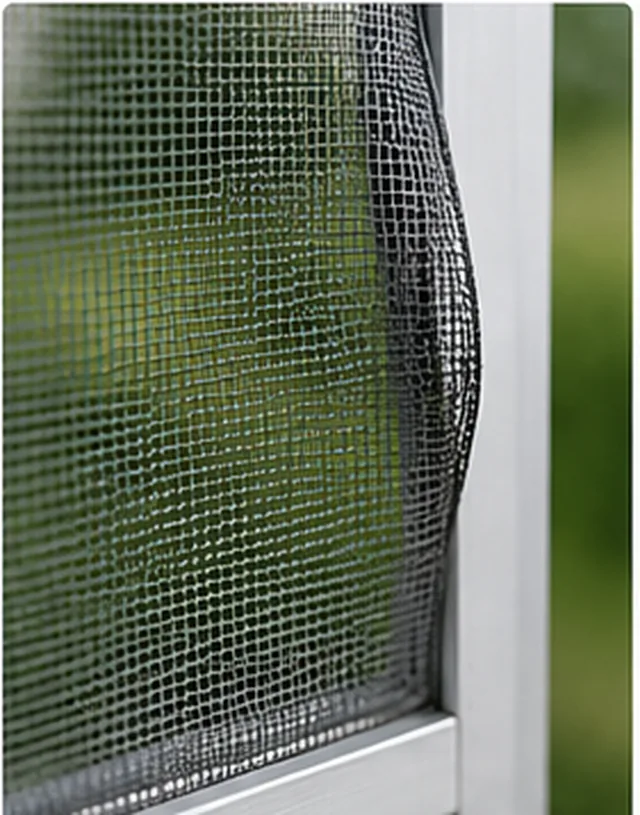 Mesh
Mesh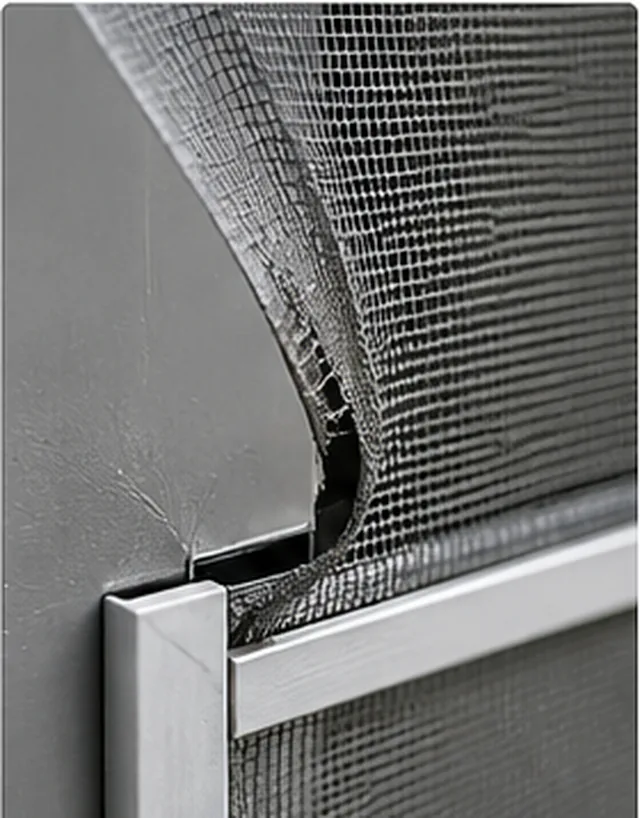 Mesh
Mesh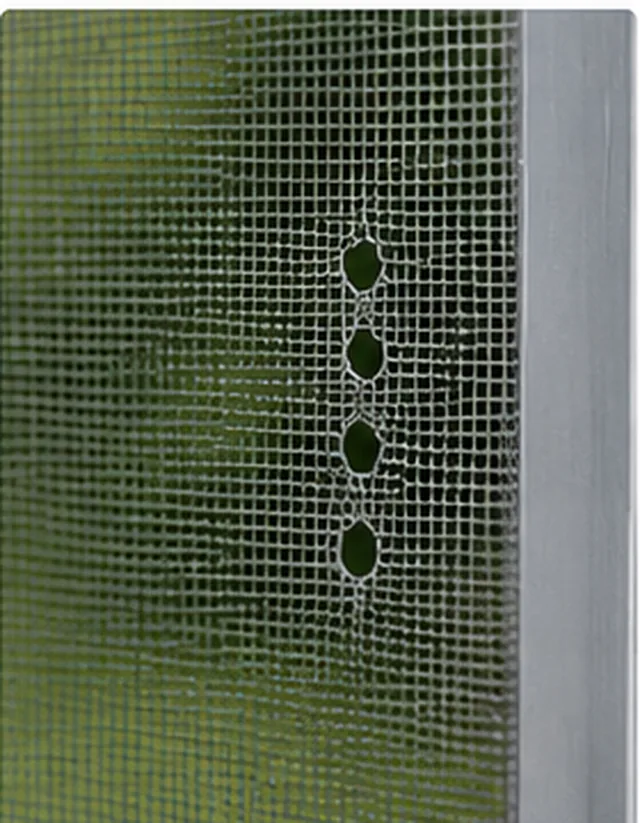 Mesh
Mesh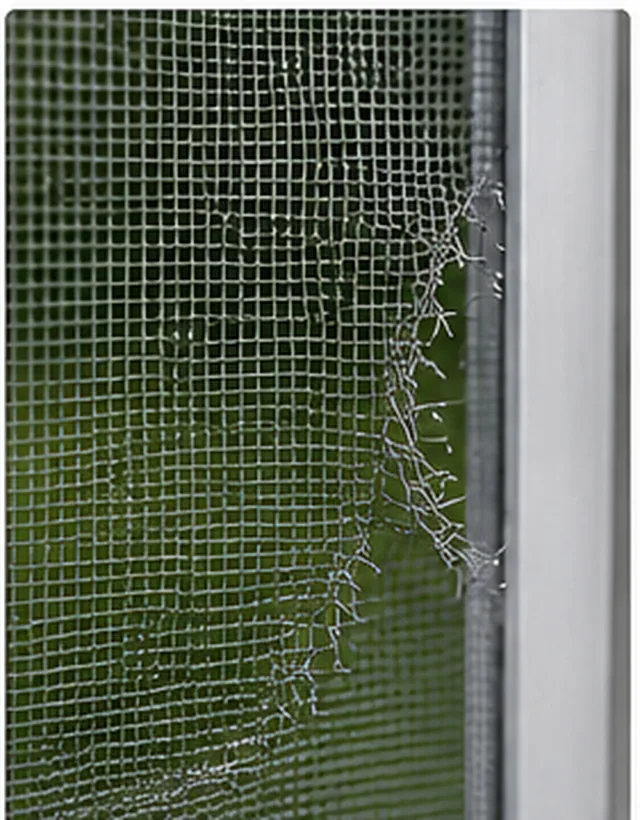 Mesh
Mesh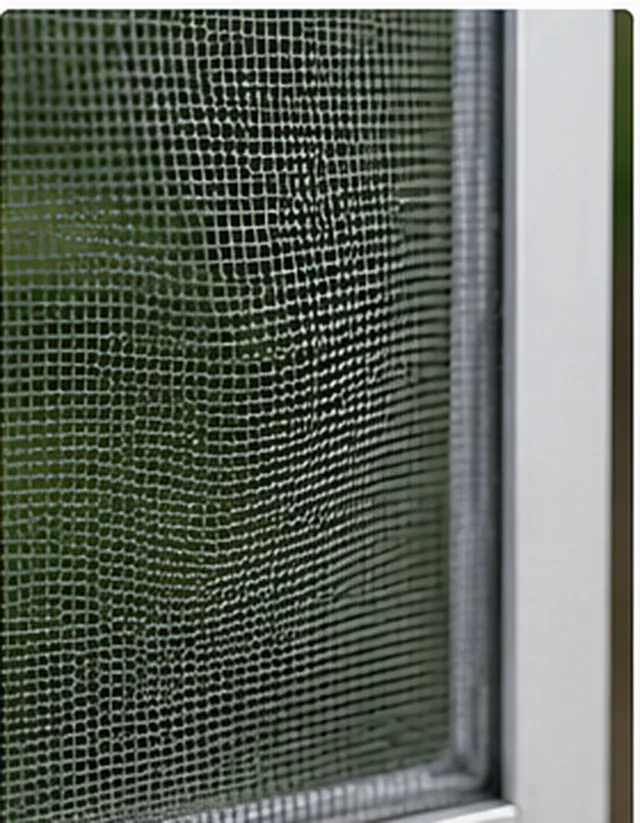 Mesh
Mesh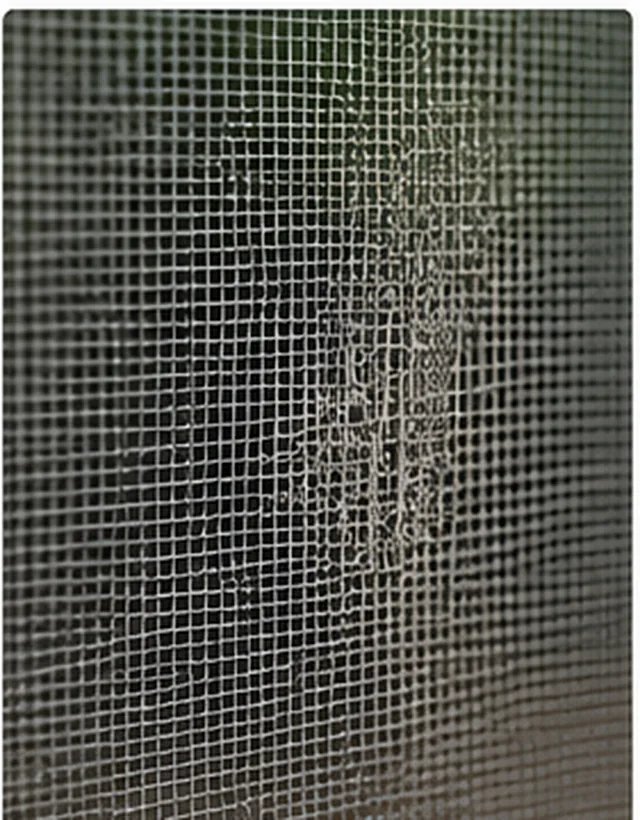 Mesh
Mesh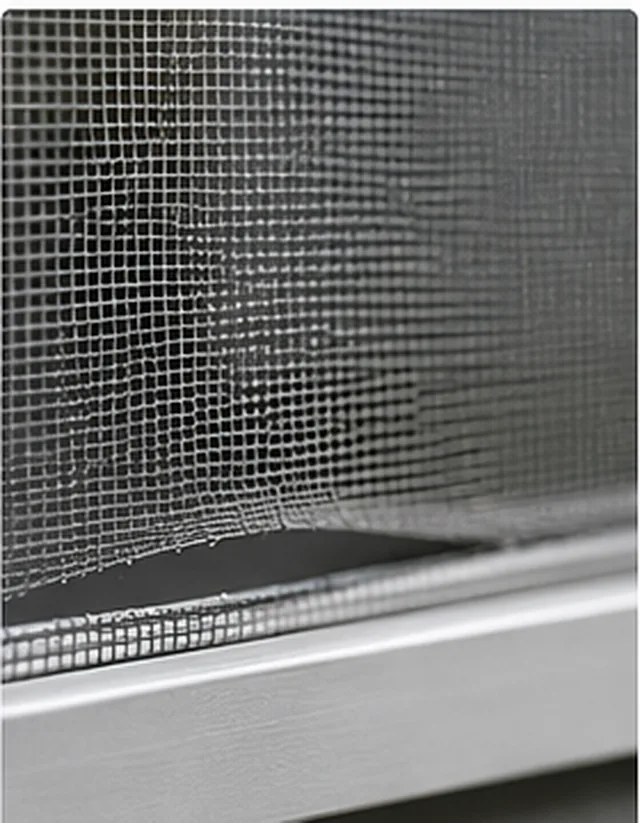 Frame
FrameThree steps
By phone or through the form. A photo helps but is not required.
We give you a time window for Saint-Antoine-sur-Richelieu, not a whole day.
We remove, repair and reinstall. You pay once you have seen and approved the work.
Patio doorGazebo · MICADo you manage a building or a business in Saint-Antoine-sur-Richelieu?
Why us
The workshop is in the vehicle: no trips to a store.
5.0from 143 Google reviews
Public and verifiable, on our Google listing.
No windows or doors to sell: we repair what you own.
6 a.m. to 8 p.m., April to October, in French and English.
7+years in the trade
Mesh taut without a ripple, frame square, rollers set.
1 yrwritten warranty
Workmanship and installation. If our work fails, we come back.
« Great service! He was at my neighbour’s and agreed to fix my back screen even though we had no appointment. Very successful repair, and inexpensive! »
« Ludovic replaced my screen in record time. Professional, and with a great sense of humour. I recommend his services — don’t hesitate to contact him, he’ll come to your home and do beautiful work. »
« Excellent service. Clear explanations of the work to be done. I really appreciated his dedication: despite the rain he insisted on finishing the job, soaked through and still smiling. The work was very well done. »
Straight answers
Rarely. A panel sold in fixed sizes assumes a square opening, which nineteenth-century masonry almost never offers after a century and a half of movement. Measurements are taken on site, opening by opening, with the diagonals checked, and the frame is built to the real dimensions. That is what prevents the triangular gap in a corner — and it is through that gap that insects get in, not through the mesh.
No, because the window itself is not worked on: a casement screen is a separate panel, mounted inside, held by latches. It comes out, gets rescreened flat, and goes back. The sash divisions are never touched. The one thing to watch is the fit: the panel must meet the rebate without pressing on the muntin, or it will work it loose over time.
By walking the building with the technician on arrival, before anything is decided. Old casements, a slider from an addition, and a patio door are not repaired the same way and do not take the same parts. The count is made panel by panel on site, and what fits into a single visit is confirmed once the screens have been seen.
Yes. We are a mobile business: we come to your home in Saint-Antoine-sur-Richelieu, remove the screens, repair them on site and reinstall them before we leave.
Replacing the mesh of a window screen, in its existing frame, starts from $30. The exact amount depends on size, mesh type and how many units you have, and the quote sets it. The more screens in the same visit, the lower the price of each. A $125 travel fee applies to every visit, whatever the number of screens — it is shared across all your items, which is why grouping them pays.
Yes: one year on fabrication and installation. If our work fails, we come back at no charge. Damage caused afterwards is not covered.
Written for Saint-Antoine-sur-Richelieu
Saint-Antoine-sur-Richelieu is a village on the west bank of the Richelieu, in the La Vallée-du-Richelieu MRC, and its core is nineteenth-century stone and wood. For window screens, that is not an architectural footnote. A house from that period was not laid out with a modern tape measure: openings were cut one at a time, the walls have worked for a century and a half, and two windows side by side on the same elevation can differ by half an inch, sometimes more. Nothing sold off the shelf as a standard panel fits into that. So measurements are taken on site, opening by opening, with the diagonals checked: on a wall that is no longer square, a perfectly square frame leaves a triangular gap along the head, and a gap is an open door for mosquitoes. This is the kind of stock where custom fabrication is not a luxury — it is the only thing that actually closes.
Beyond the village stretches the farming plain, with its farmhouses and its concession-road homes. That stock differs from the old core without being any more standard: a farmhouse grows in stages, a summer kitchen becomes a heated room, a veranda gets enclosed, and every stage brings the windows of its own era. On one house you can find old small-pane casements at the front and a slider installed in the 1990s at the far end of an addition — three generations of hardware under a single roof. That changes how a visit is prepared: one address can call for several different repairs, from rescreening in the existing frame to replacing rollers, and it is better to know that before arriving. In a municipality this size, driving time counts as well. Gathering every screen in a house into a single visit makes far more sense than coming back for one panel that was missed.
Casement windows dominate the older village stock, and that is good news for upkeep. On a casement the screen sits on the inside: it releases from the room on its own latches and gets rescreened in its own frame. Nothing is touched on the stone, the original wood, or the outer sash — nothing drilled, nothing screwed into an old wall. The panel comes down to the floor, the mesh is changed flat, the panel goes back up. There is a second consequence: an interior screen spends the year sheltered from rain and frost, so it ages more slowly than the exposed screen of a sash window. When casement mesh does fail, it is almost always mechanical — a tear, an animal, repeated pressure — rather than rot. The frame itself is usually salvageable as is.
Small-pane windows ask for one more degree of care. The panes are often carried by an applied muntin or by slender bars, and the screen sits behind the whole assembly, bearing on the full perimeter of the opening: it has to meet the rebate without forcing, or it presses on the division and works it loose over time. Standard fibreglass is the usual choice on these panels — discreet and flexible. Where the frame is large or genuinely thin, aluminum holds its shape better and avoids a belly in the middle. The front galleries impose their own logic: the door onto the gallery is the busiest in the house, and if it carries a screen, that is the one that fails first. Stretched mesh, spline lifting out of its groove, a frame that needs straightening — three separate repairs, and the door has to be seen before saying which one applies.
The constraint specific to Saint-Antoine-sur-Richelieu is the heritage character of the village core. On a nineteenth-century stone house you do not modify the opening to make a store-bought screen fit: the panel adapts to the building, never the reverse. In practice that means measurements taken on site, diagonals verified, and a frame built to the real dimensions rather than to round ones. The second constraint is appearance — a screen should not stand out from the street on an old façade. The casement answers that on its own: interior mounting, and a dark frame that disappears into the reveal instead of outlining it. Finally, on a stone wall no anchor is improvised. Fastening goes into the wood of the existing sash, never into the masonry.
The village sits on the Richelieu, and a riverbank has its own insect season. Slow water and the drainage ditches of the farming plain keep mosquitoes going later in the evening and later in the year than a dry inland sector; black flies and no-see-ums, being finer, pass through ordinary mesh as soon as the weave has been stretched by the years. This is the textbook case for no-see-um mesh: a tighter weave that stops what standard fibreglass lets through, at the cost of a little airflow and a little light. On the openings facing the water or the fields, that trade is worth making; on the other elevations, standard fibreglass generally does the job.