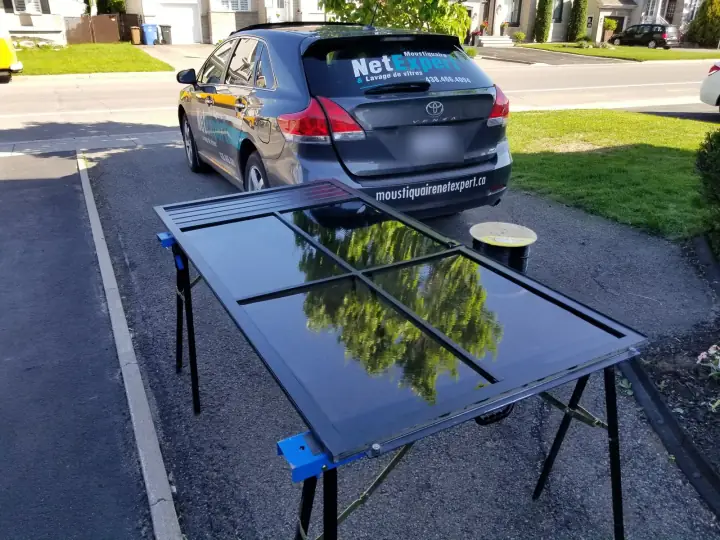
Screen rescreening (window)
From$30per screen
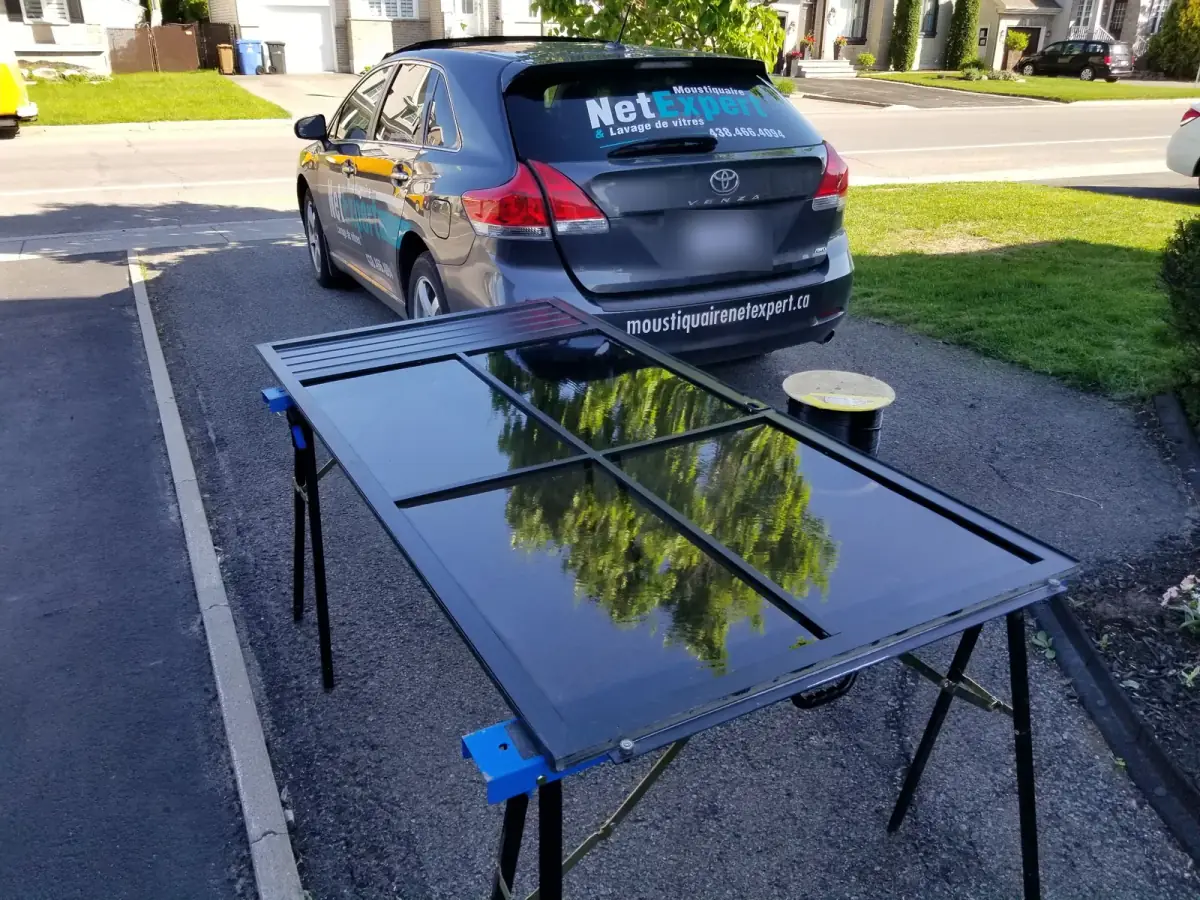
From Brossard, across Greater Montréal
Mobile on-site service in Saint-Rémi and nearby. Mesh, rollers, frames, patio doors.
Three questions are enough to start. The official measurement is taken on site.
Six services, one trade
One trade, done properly. We don’t sell windows — we repair window screens, and that is all we do.
 Repair
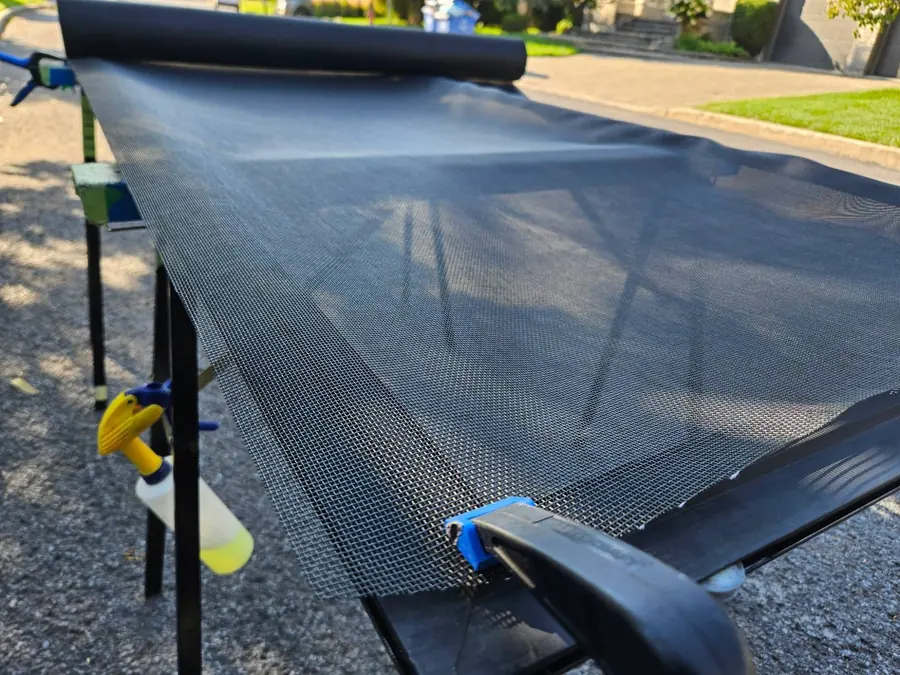
Torn, punctured or sagging mesh, replaced in your existing frame.
 Repair
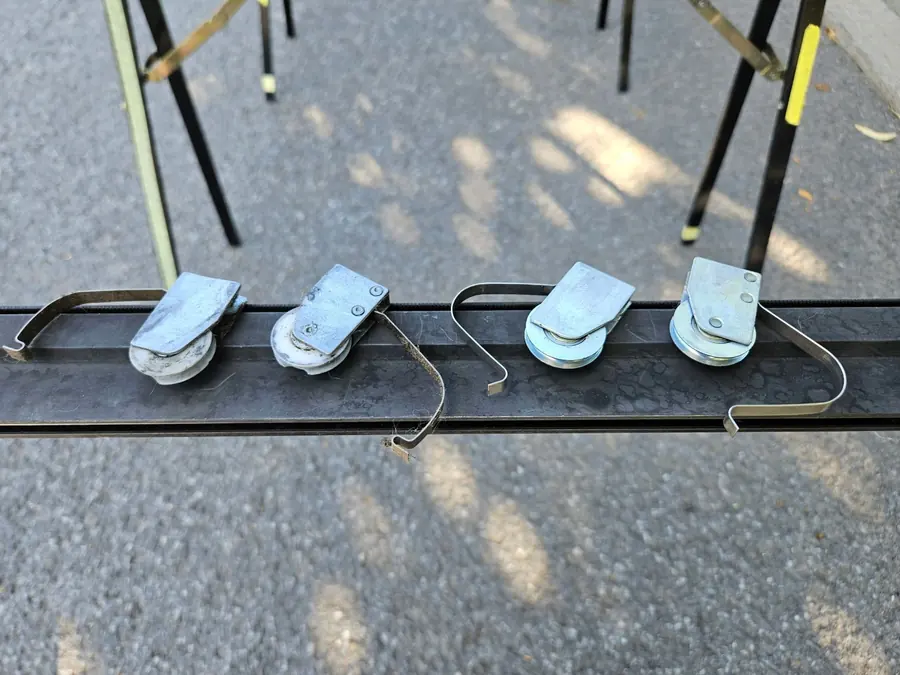
A screen that sticks, jumps the track or no longer closes.
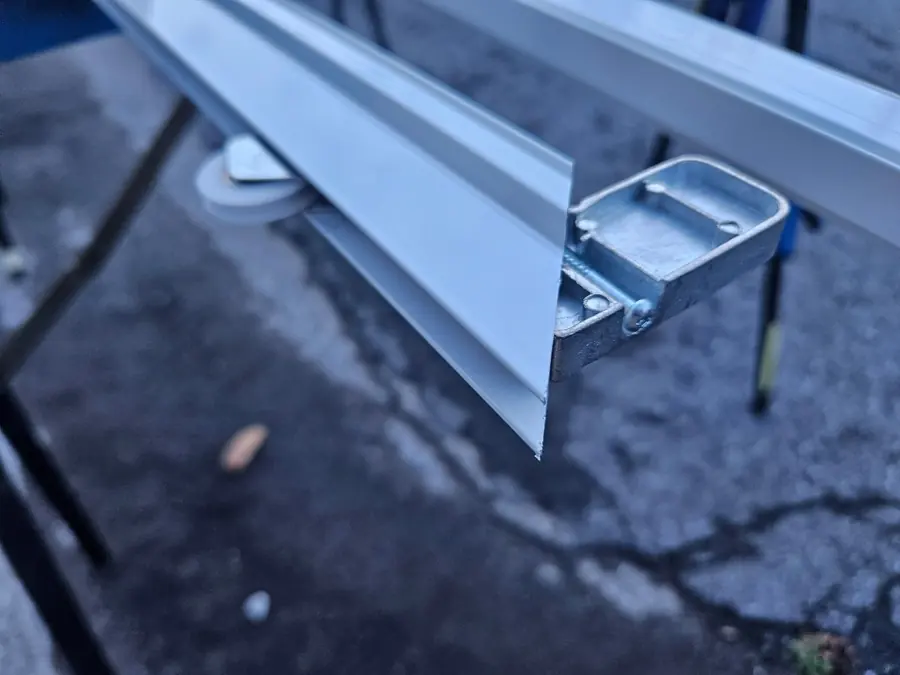 Repair
Bent frame, separated corner, split moulding.
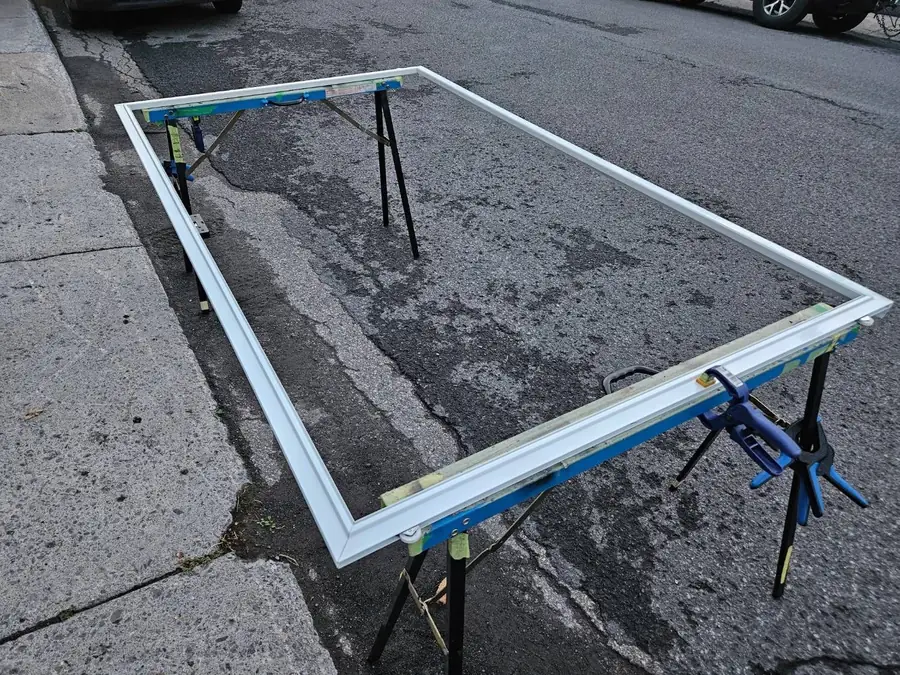 Repair
A missing screen, or an opening with no original to copy.
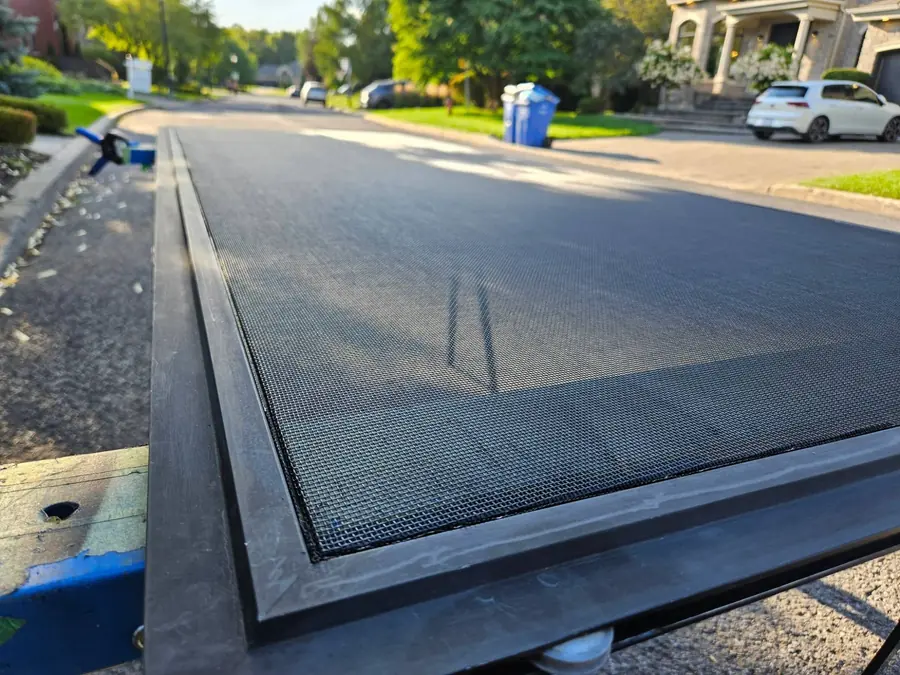 Patio door
The part that breaks most often, and gets used most.
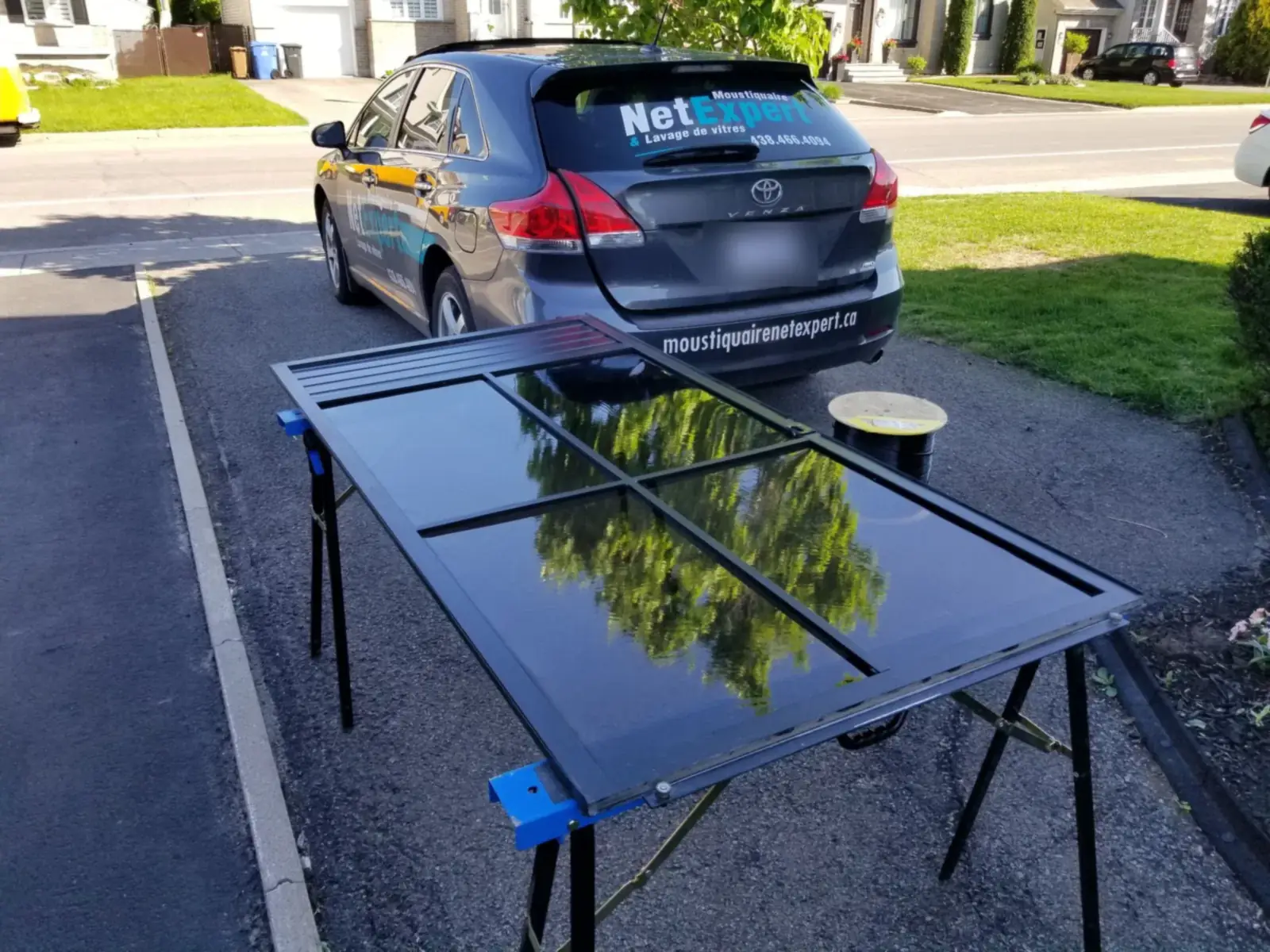 Gazebo · MICA
Screen panels and clear MICA vinyl, replaced on site.
Clear prices
Most companies in this trade publish no prices at all. Here are ours, as starting prices — the exact amount depends on size, mesh type and how many units per visit; the free quote sets it.
From$30per screen
From$30per screen
From$40per screen
From$120per screen
From$500per door
The price depends on the panel count and the vinyl: set on site.
A $125 travel fee applies to every visit, whatever the number of screens — it is shared across all your items, which is why grouping them pays.
$125
Grouping several screens in one visit brings the price of each one down: the travel fee is shared. An exact quote is free and reaches you promptly.
1-year warranty on fabrication and installation. Damage caused by the client is not covered. Payment: Visa, MasterCard, Interac, Bank transfer.
Any price provided is strictly a summary estimate. If work must be added once on site, prices will be adjusted — and always explained before we start.
Not all mesh is equal, and the right one depends on your window, your pets and your surroundings. We carry all four types in the vehicle — the choice happens at your home, not in a store.
Ten kinds of damage, one answer
If your screen looks like any of these, it can be repaired. Tap one to request a quote for that exact damage. We rarely replace a whole frame — in most cases only the mesh needs redoing.
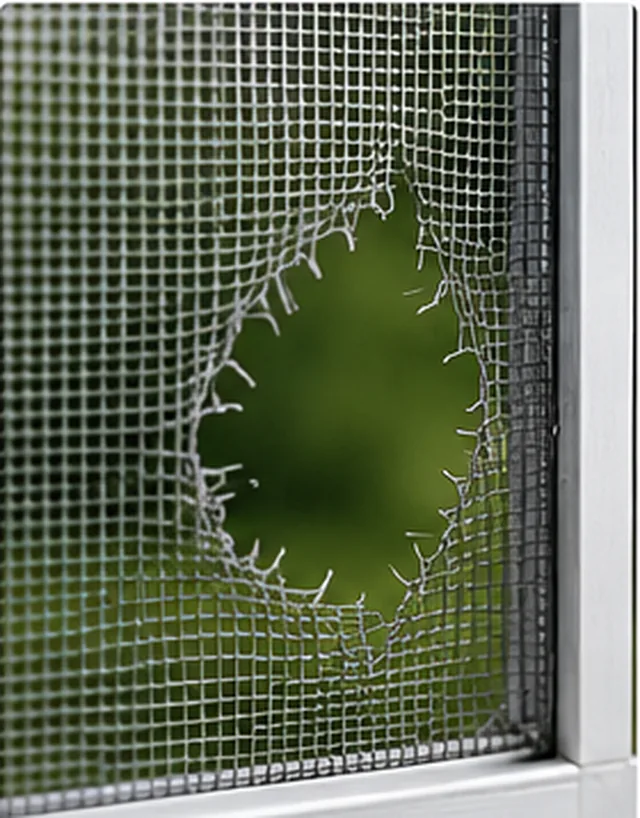 Mesh
Mesh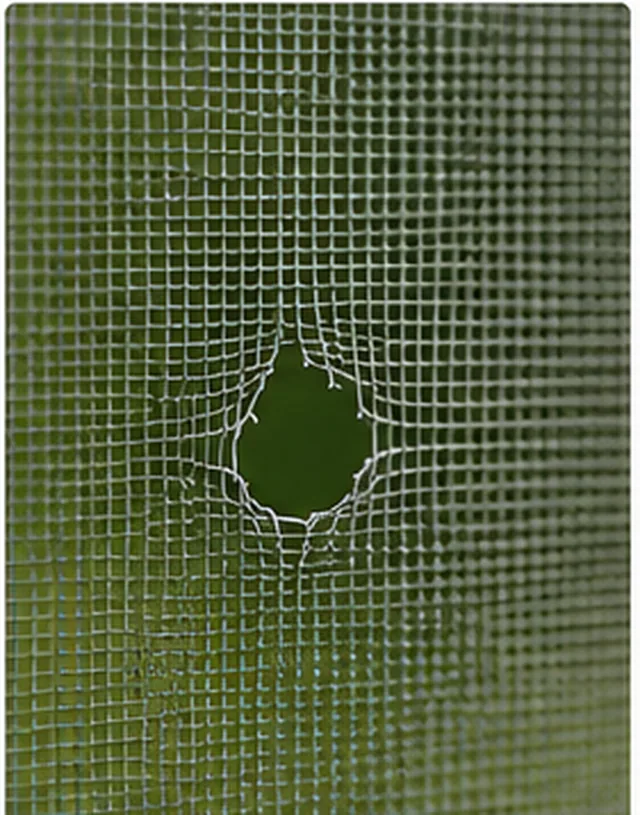 Mesh
Mesh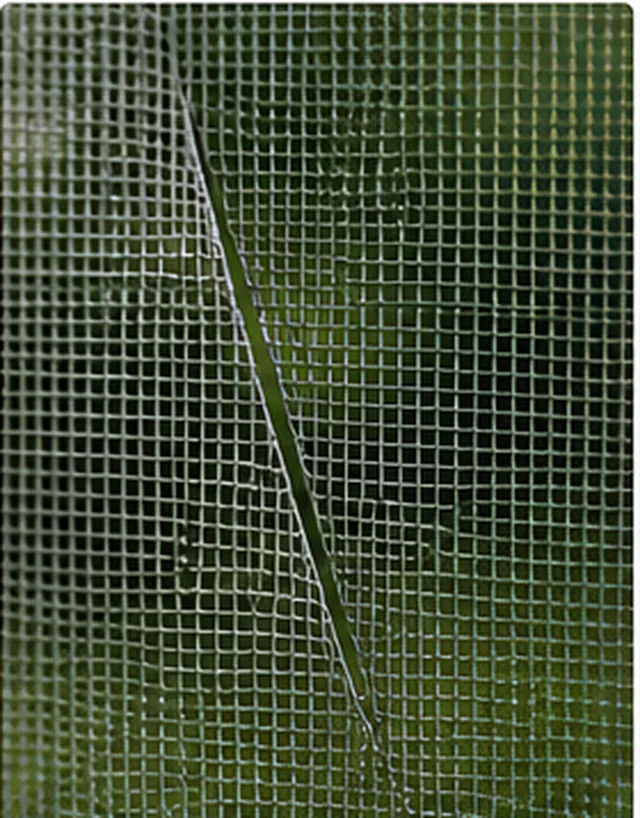 Mesh
Mesh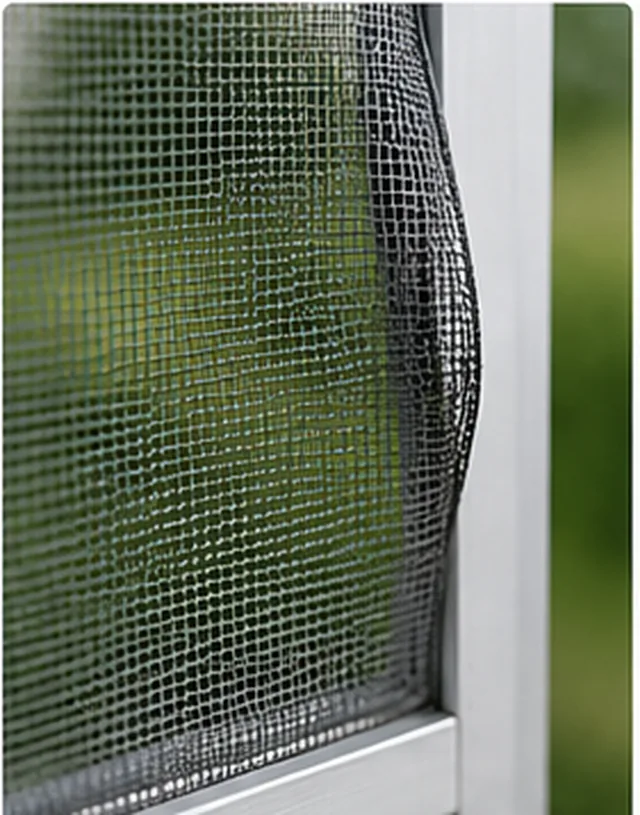 Mesh
Mesh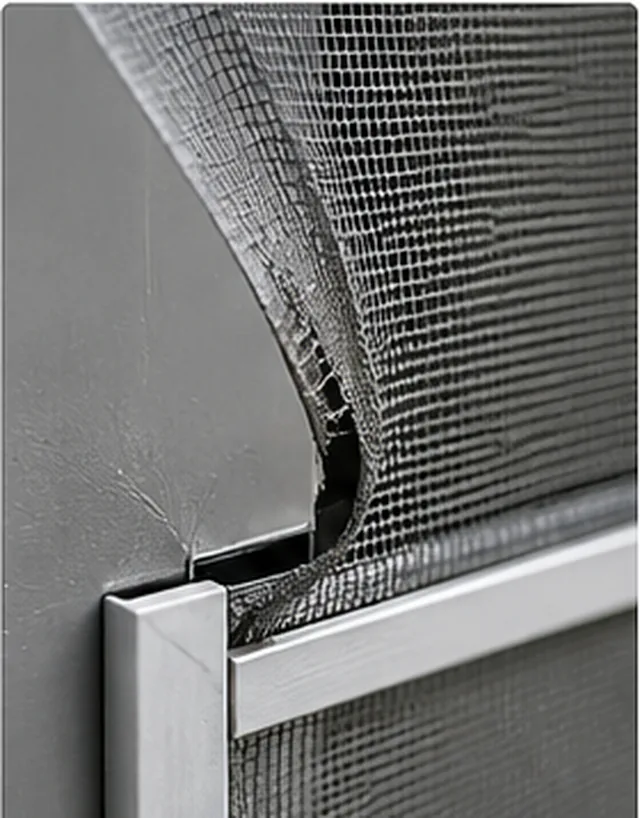 Mesh
Mesh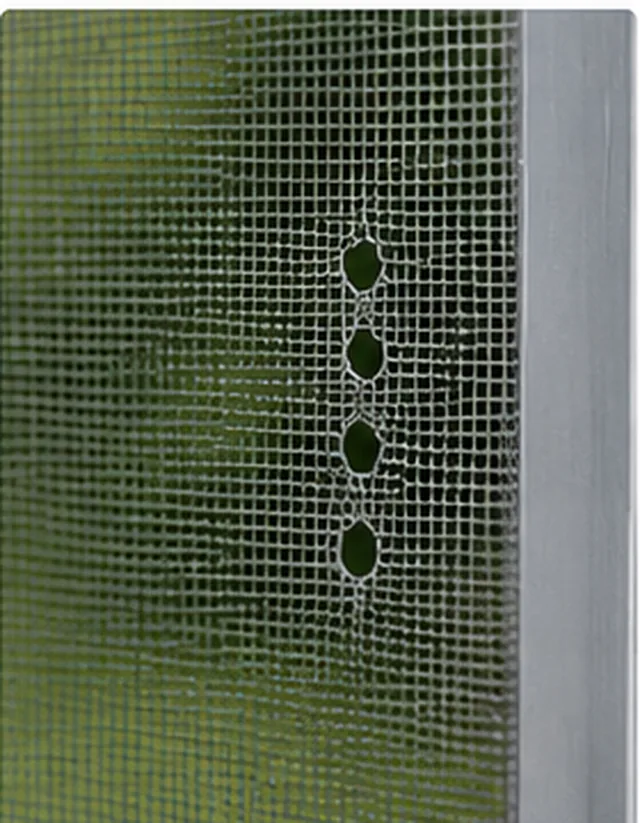 Mesh
Mesh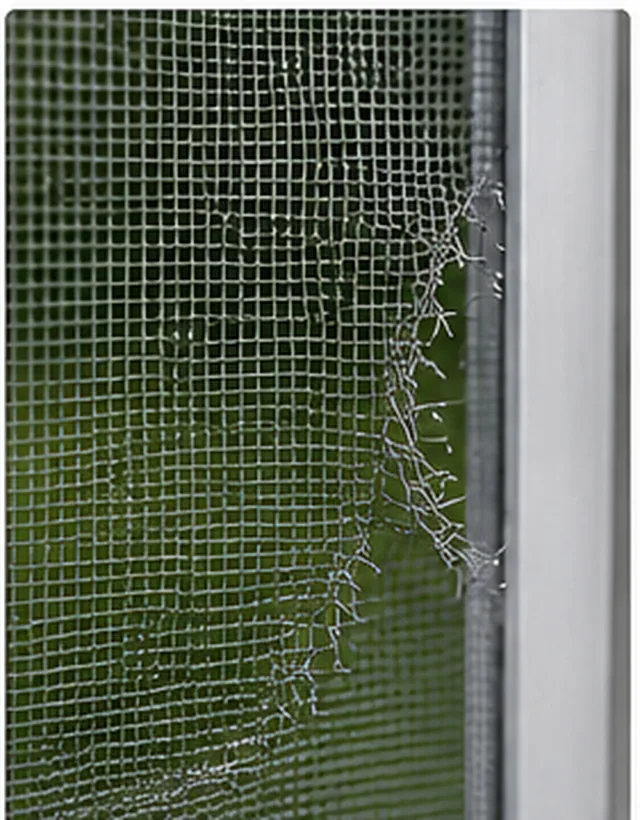 Mesh
Mesh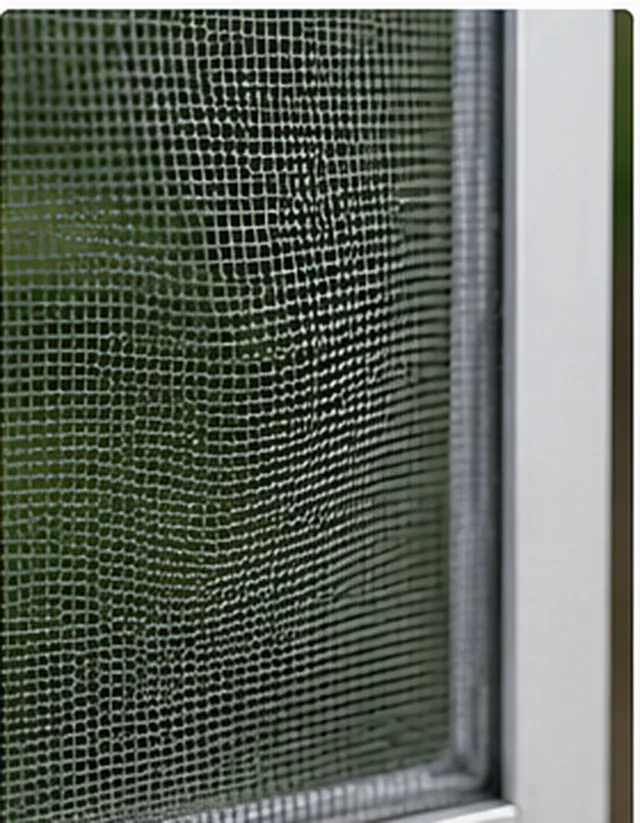 Mesh
Mesh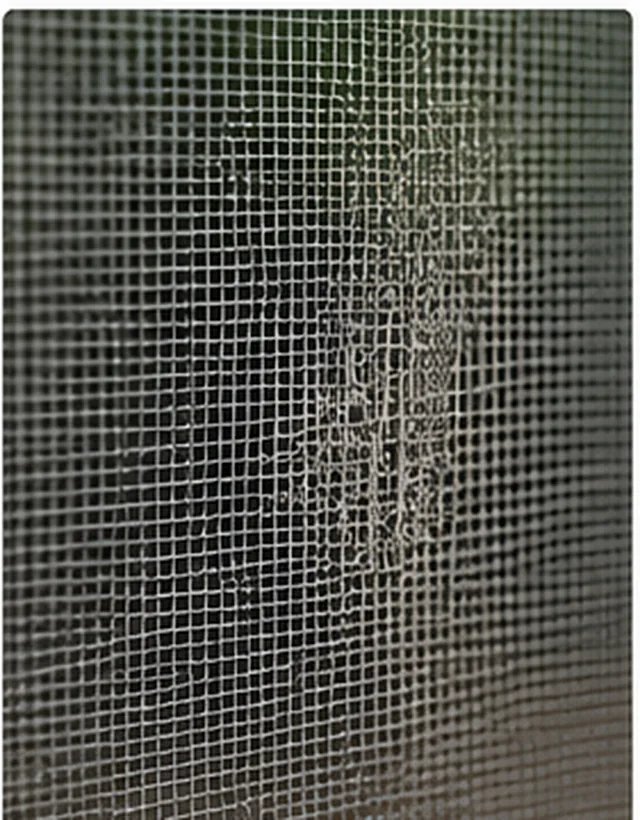 Mesh
Mesh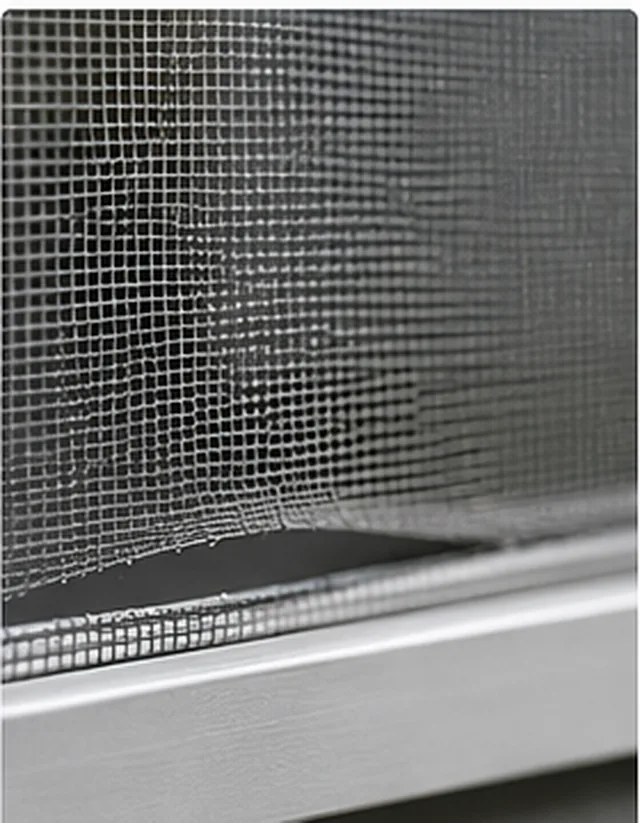 Frame
FrameThree steps
By phone or through the form. A photo helps but is not required.
We give you a time window for Saint-Rémi, not a whole day.
We remove, repair and reinstall. You pay once you have seen and approved the work.
Do you manage a building or a business in Saint-Rémi?
Why us
The workshop is in the vehicle: no trips to a store.
5.0from 143 Google reviews
Public and verifiable, on our Google listing.
No windows or doors to sell: we repair what you own.
6 a.m. to 8 p.m., April to October, in French and English.
7+years in the trade
Mesh taut without a ripple, frame square, rollers set.
1 yrwritten warranty
Workmanship and installation. If our work fails, we come back.
« Great service! He was at my neighbour’s and agreed to fix my back screen even though we had no appointment. Very successful repair, and inexpensive! »
« Ludovic replaced my screen in record time. Professional, and with a great sense of humour. I recommend his services — don’t hesitate to contact him, he’ll come to your home and do beautiful work. »
« Excellent service. Clear explanations of the work to be done. I really appreciated his dedication: despite the rain he insisted on finishing the job, soaked through and still smiling. The work was very well done. »
Straight answers
Quite the opposite — those are the ones that gain the most from repair. A narrow 1960s-to-mid-1970s profile can no longer be bought, but it was built for that specific opening and still fits it perfectly. As long as the corners hold and the frame is straight, we pull the spline, replace the mesh and re-tension it: the original frame stays in the house.
Not on its own. Stretched mesh and a fouled track are two separate problems, and the second one destroys rollers. Redoing the mesh without cleaning and straightening the track or replacing the rollers gives you a door that turns stiff again within weeks. The full repair handles all three at once, in the same visit.
By measuring on site, unit by unit. On an older house the openings have moved and are no longer quite square, so a screen built to a catalogue size would leave a gap along one edge. With the frame in hand we then decide what can be re-screened as is and what has to be rebuilt to measure from the real opening.
Yes. We are a mobile business: we come to your home in Saint-Rémi, remove the screens, repair them on site and reinstall them before we leave.
Replacing the mesh of a window screen, in its existing frame, starts from $30. The exact amount depends on size, mesh type and how many units you have, and the quote sets it. The more screens in the same visit, the lower the price of each. A $125 travel fee applies to every visit, whatever the number of screens — it is shared across all your items, which is why grouping them pays.
Yes: one year on fabrication and installation. If our work fails, we come back at no charge. Damage caused afterwards is not covered.
Written for Saint-Rémi
Saint-Rémi does not have one housing stock, it has three stacked on top of each other, and you can tell before stepping out of the truck. The old village keeps its older houses; a ring of bungalows from the 1960s to the 1980s was added as the small market-garden town grew; and recent semi-detached developments have attached themselves on the edges, along the black-soil fields. Each of those three layers presents a different screen problem, and mixing them up leads straight to the wrong recommendation. The middle layer is the most interesting to work on, because that is where repair genuinely beats replacement. Bungalows from that period often still carry their original screens, or those of the first renovation, set in narrow aluminum frames whose profile is no longer sold. The frame is still straight; it is the mesh that has taken decades of sun.
On those frames, replacing costs more than repairing and gives a poorer result. A 1960s-to-mid-1970s aluminum frame does not share the outside dimensions of a modern one: building an equivalent means custom fabrication, whereas the existing frame already fits its opening perfectly — it was made for it. Re-screening means pulling the old spline, taking out the dead mesh, stretching new mesh and locking it back in; the work is done on site, with no part to order, without taking the screen away, and the original frame never leaves the house. The newer semi-detached homes on the edge of town follow the other logic: PVC windows in common sizes, screens in thin frames, parts still available. There the question is almost never the frame — it is sun-tired mesh, a worn slider roller, or a patio door track that has stopped running clean.
The Quebec bungalow of that era uses few window types and repeats them: horizontal sliders at the front and along the sides, sometimes a casement at the kitchen, low basement windows, and very often a patio door added at the back. The slider carries a side screen riding in a track, and on that one the weak point is not the mesh but the roller: once it flattens, the screen drags, jumps its track and eventually racks out of square. New rollers restore the movement; re-screening over a dead roller fixes nothing, and the owner finds out two weeks later. Basement windows tend to be forgotten until a mesh opens up completely — they re-screen just as quickly as the rest, provided someone pulls them out and counts them in with the others.
The patio door is the most common repair in the trade, and it has its own reasons in a house whose back yard opens onto fields. It gets pushed by hand, always in the same spot, and the mesh stretches around the handle until it bags out. The bottom rollers flatten under the weight, the track fills with sand and soil, and the door starts leaving its track on every pass. The full repair — new mesh under tension, replacement rollers, track cleaned and straightened — is done in a single visit. In the old village, older houses call for the opposite approach, read case by case: openings that are no longer square, sizes that exist in no catalogue, and frames worth preserving rather than replacing, because nothing on a shelf will fit those openings.
What sets Saint-Rémi apart is the black soil around it. Worked market-garden ground is light soil, and the wind carries some of it to the houses; it shows up most in patio door tracks, which foul faster than in a city setting. A track packed with fine soil wears rollers at speed — that is often the explanation for a door that turns stiff again a year after being repaired. Cleaning and straightening the track is therefore part of the job, not an extra. The other difficulty is reading the housing stock: three construction eras inside one small town, which means an estimate given over the phone from an address alone does not mean much until the screens have actually been seen.
A house bordered by cultivated fields and drainage ditches lives with more insects than a street house surrounded by other houses, and the difference shows most in spring and after heavy rain. Standard fibreglass stops mosquitoes and house flies; it does nothing against no-see-ums, which are small enough to pass between the strands. A tightly woven no-see-um mesh is worth considering on the windows you open in the evening, on a veranda, or on a gazebo. And for a patio door a dog pushes several times a day, pet-resistant mesh stands up to claws where fibreglass gives way the first time it is leaned on.