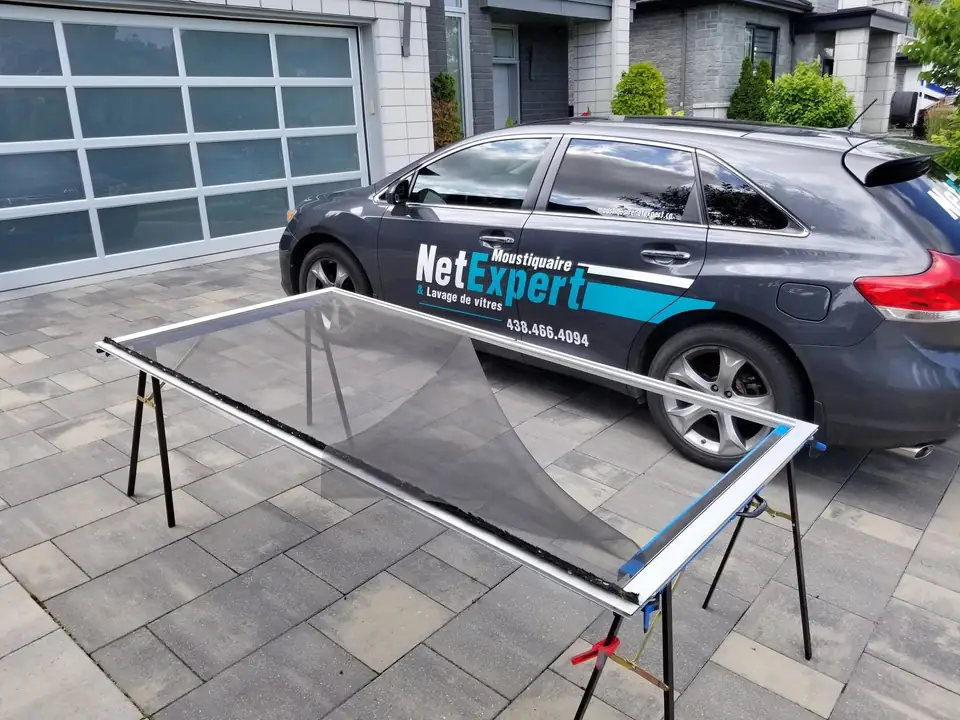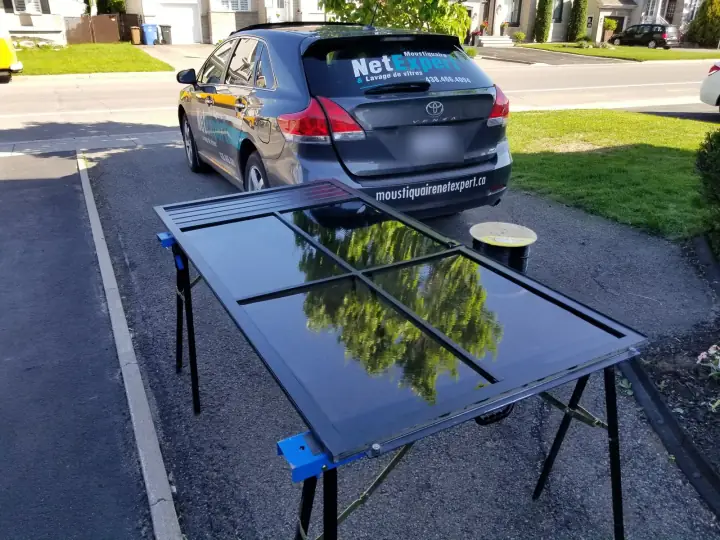
Screen rescreening (window)
From$30per screen
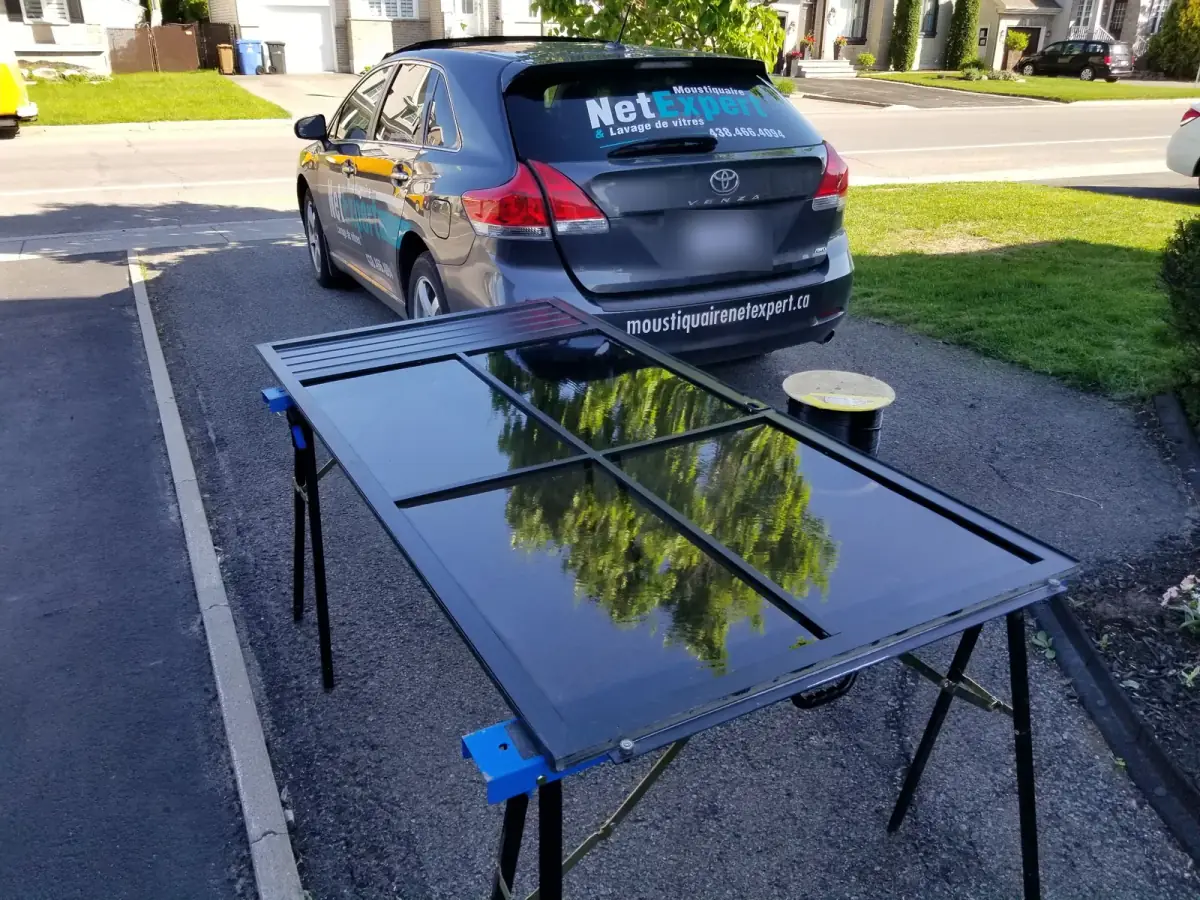
From Brossard, across Greater Montréal
Mobile on-site service in Pointe-Calumet and nearby. Mesh, rollers, frames, patio doors.
Three questions are enough to start. The official measurement is taken on site.
Six services, one trade
One trade, done properly. We don’t sell windows — we repair window screens, and that is all we do.
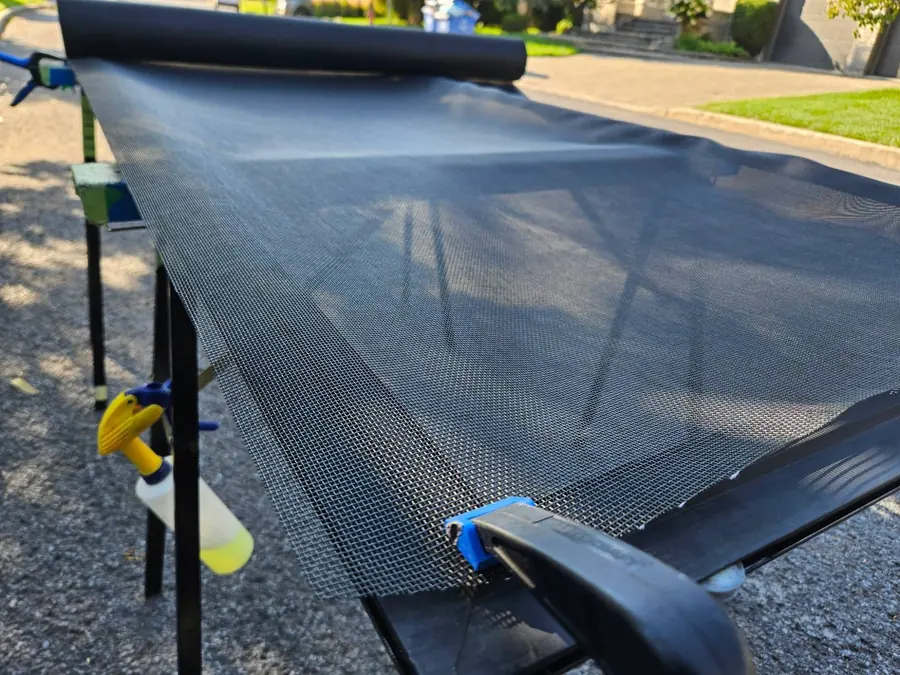 Repair
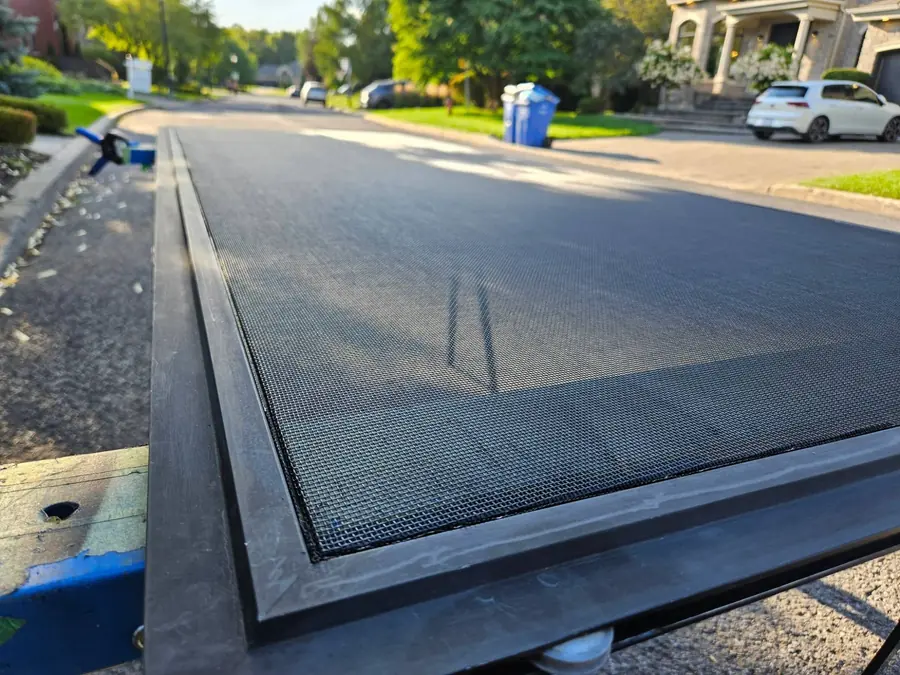
Torn, punctured or sagging mesh, replaced in your existing frame.
 Repair
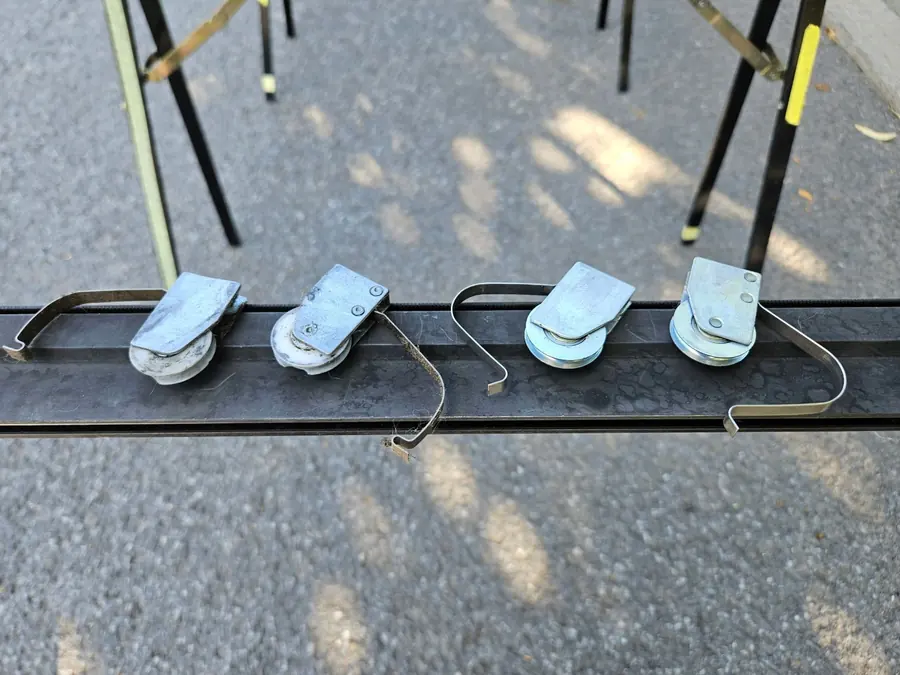
A screen that sticks, jumps the track or no longer closes.
 Repair
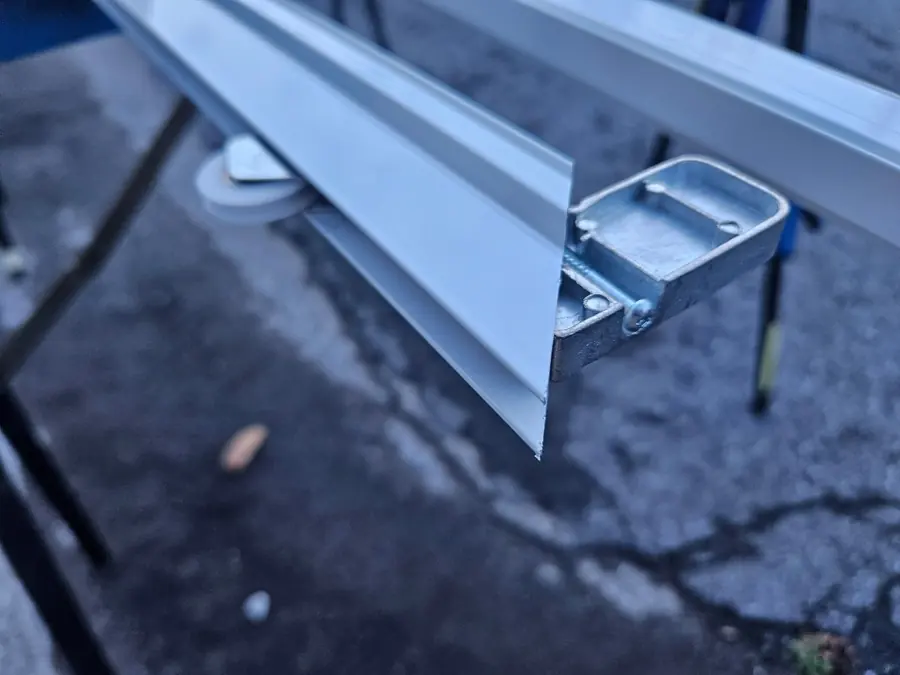
Bent frame, separated corner, split moulding.
 Repair
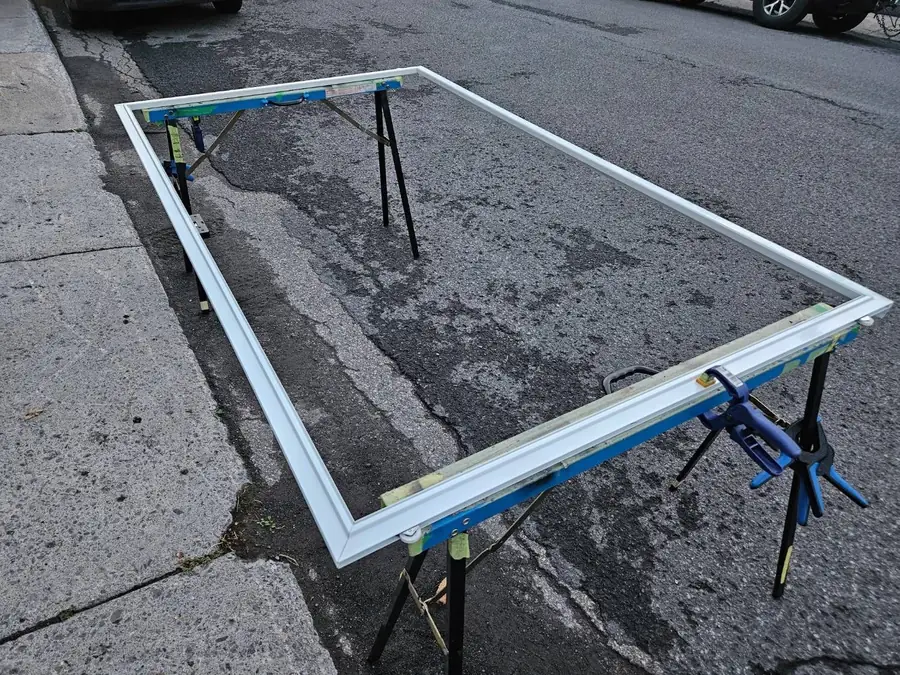
A missing screen, or an opening with no original to copy.
 Patio door
The part that breaks most often, and gets used most.
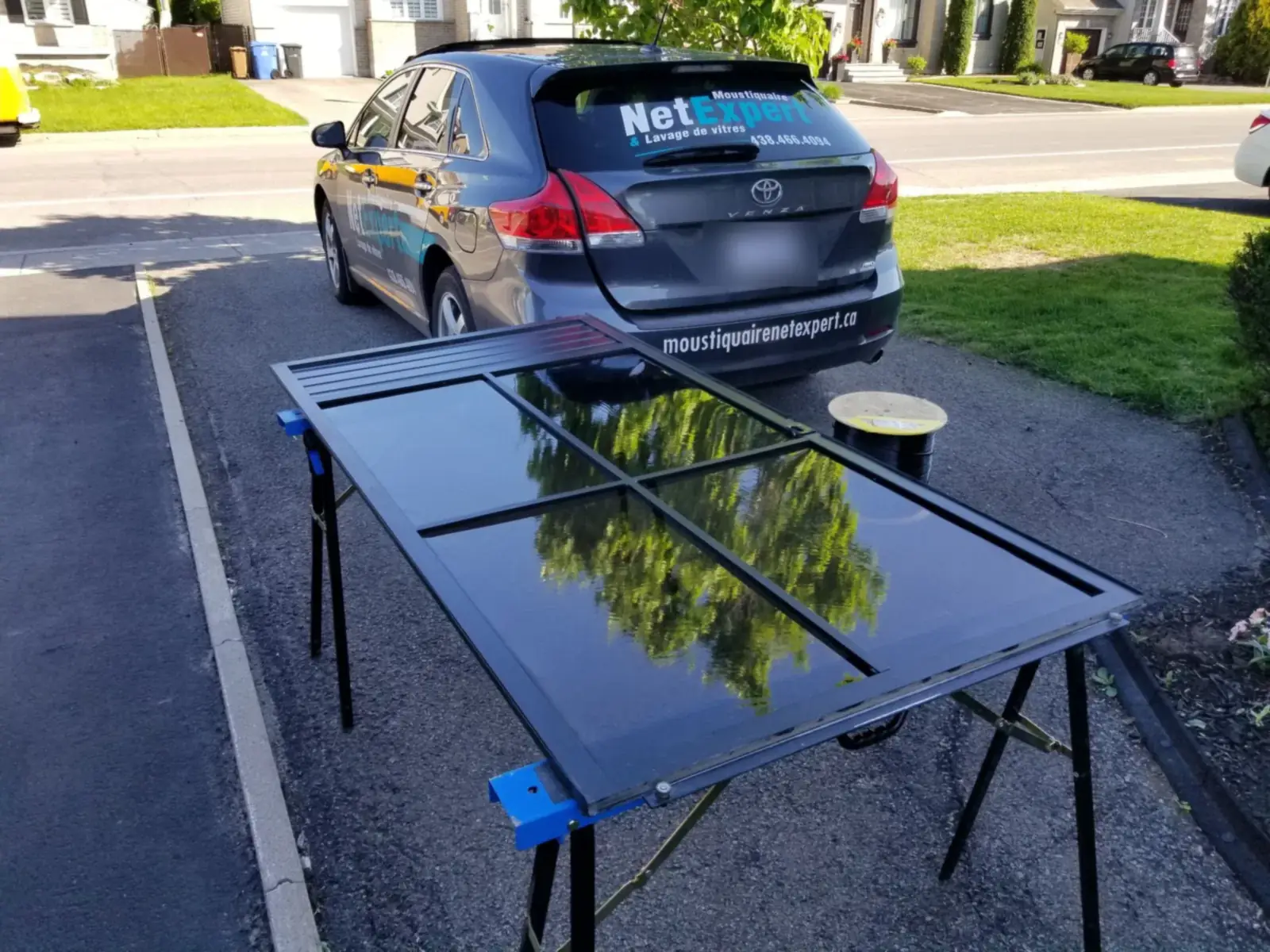 Gazebo · MICA
Screen panels and clear MICA vinyl, replaced on site.
Clear prices
Most companies in this trade publish no prices at all. Here are ours, as starting prices — the exact amount depends on size, mesh type and how many units per visit; the free quote sets it.
From$30per screen
From$30per screen
From$40per screen
From$120per screen
From$500per door
The price depends on the panel count and the vinyl: set on site.
A $125 travel fee applies to every visit, whatever the number of screens — it is shared across all your items, which is why grouping them pays.
$125
Grouping several screens in one visit brings the price of each one down: the travel fee is shared. An exact quote is free and reaches you promptly.
1-year warranty on fabrication and installation. Damage caused by the client is not covered. Payment: Visa, MasterCard, Interac, Bank transfer.
Any price provided is strictly a summary estimate. If work must be added once on site, prices will be adjusted — and always explained before we start.
Not all mesh is equal, and the right one depends on your window, your pets and your surroundings. We carry all four types in the vehicle — the choice happens at your home, not in a store.
Ten kinds of damage, one answer
If your screen looks like any of these, it can be repaired. Tap one to request a quote for that exact damage. We rarely replace a whole frame — in most cases only the mesh needs redoing.
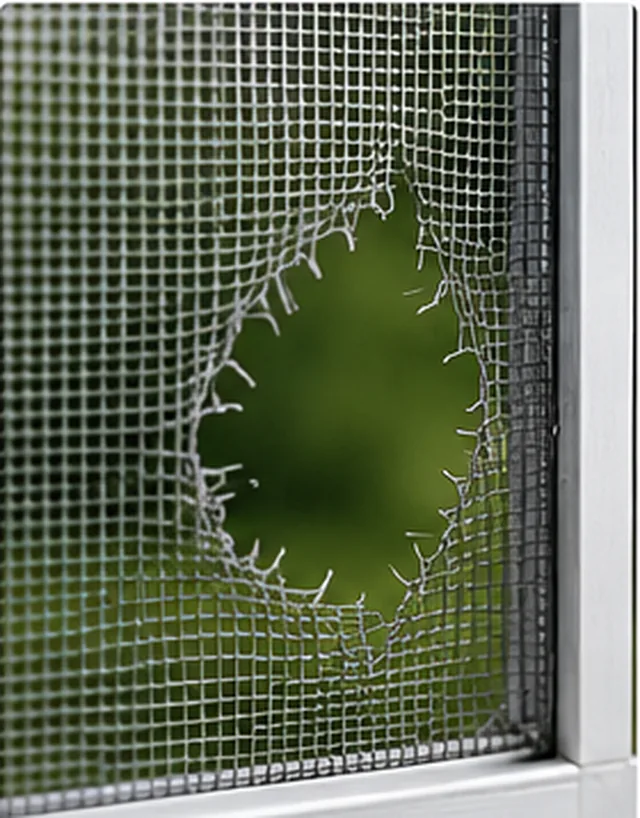 Mesh
Mesh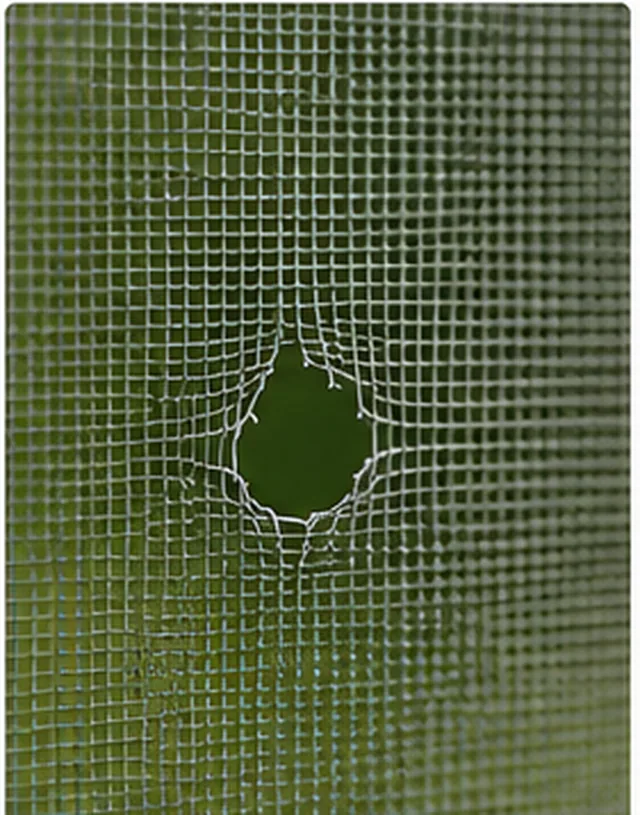 Mesh
Mesh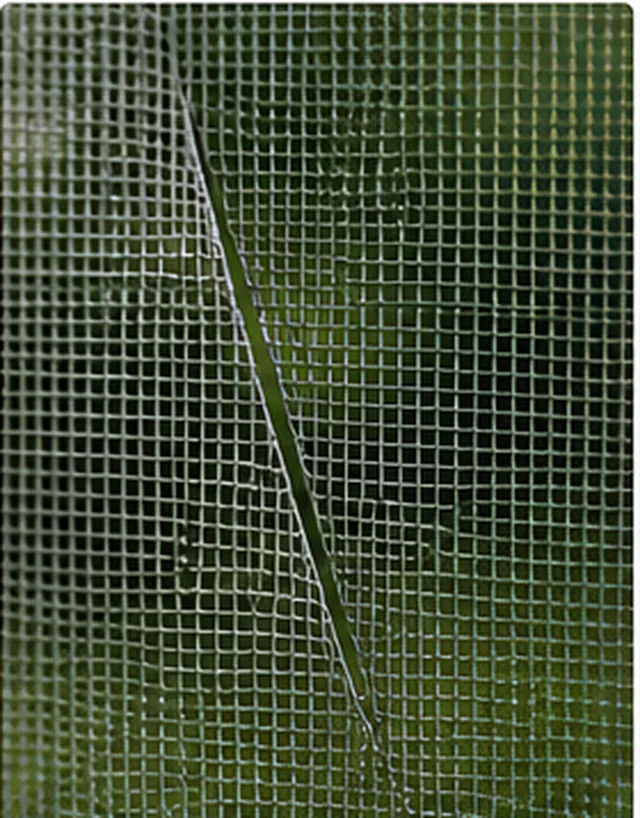 Mesh
Mesh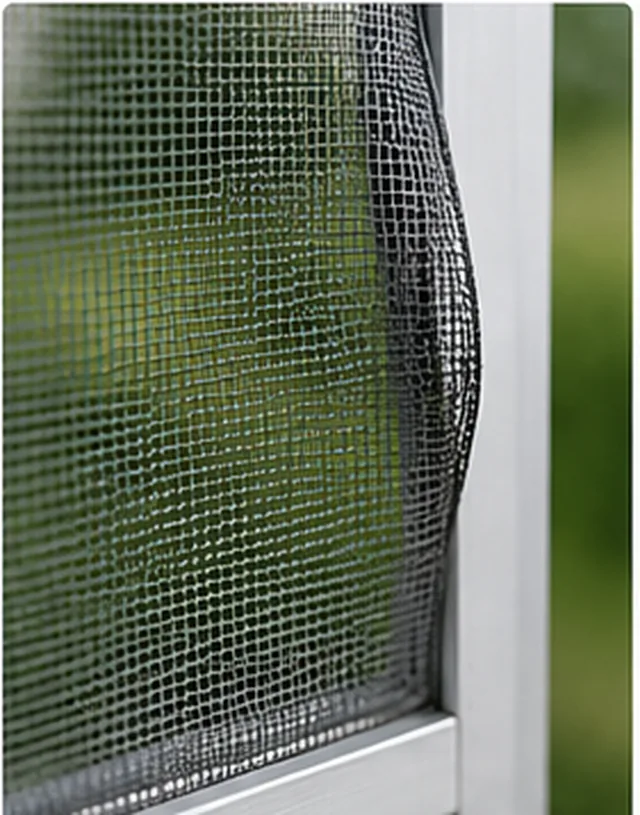 Mesh
Mesh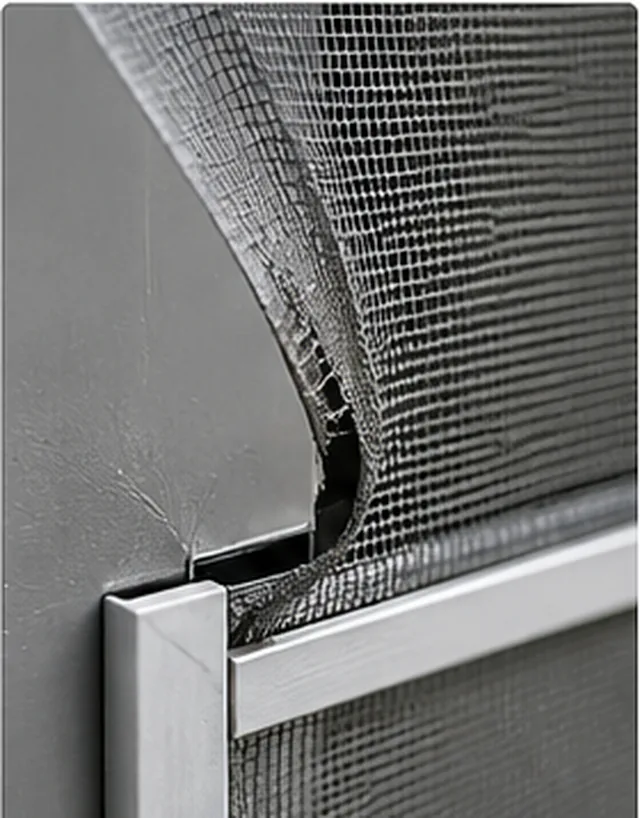 Mesh
Mesh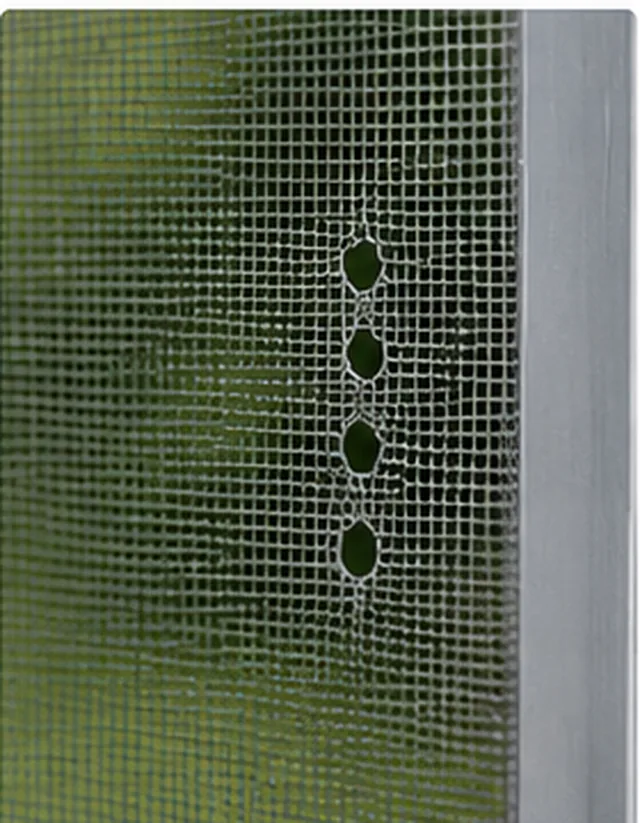 Mesh
Mesh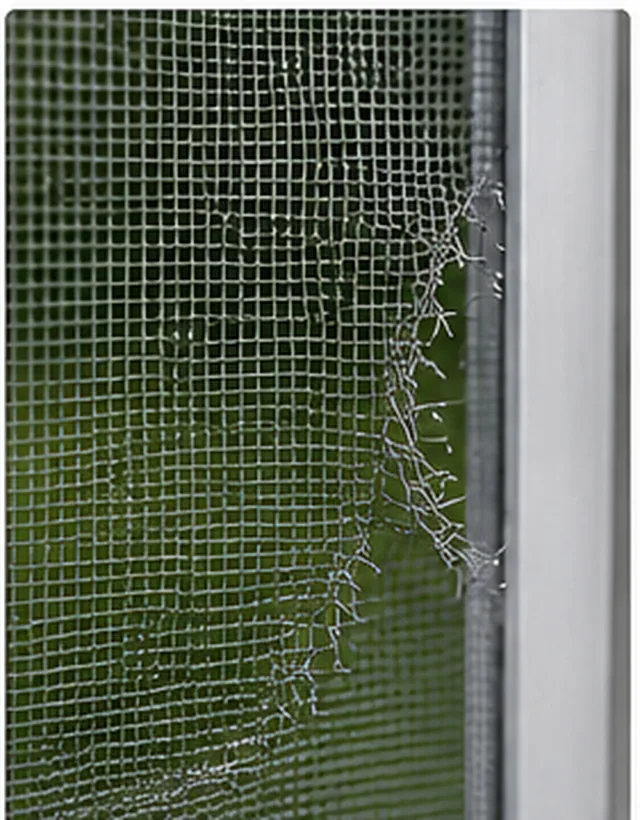 Mesh
Mesh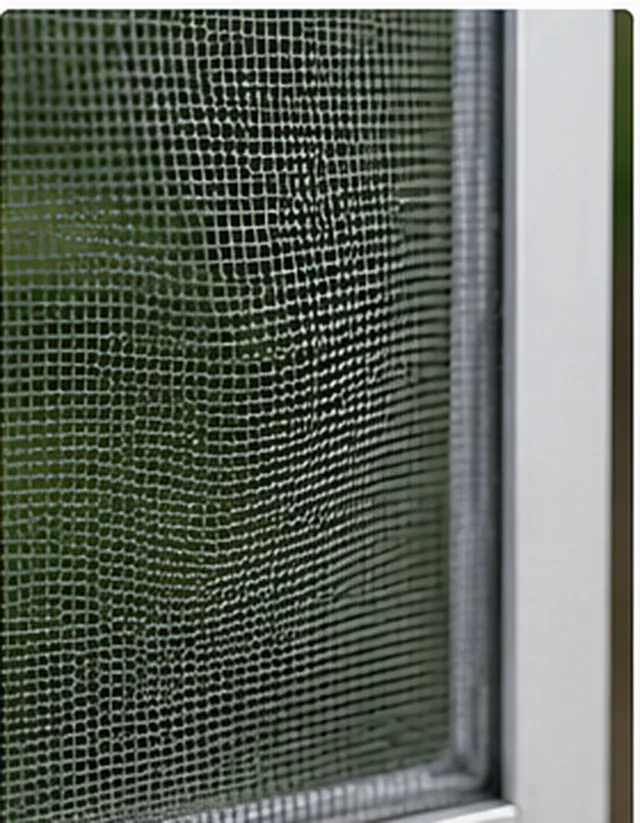 Mesh
Mesh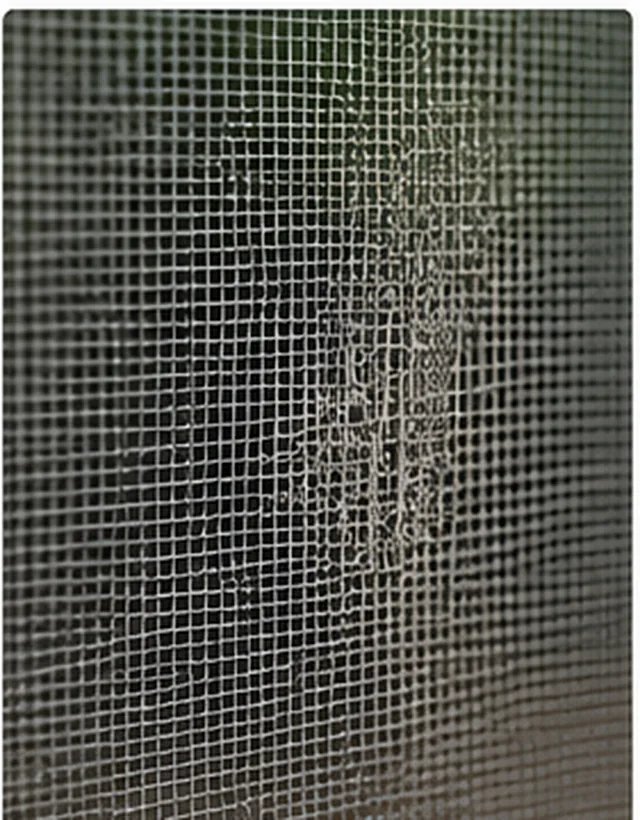 Mesh
Mesh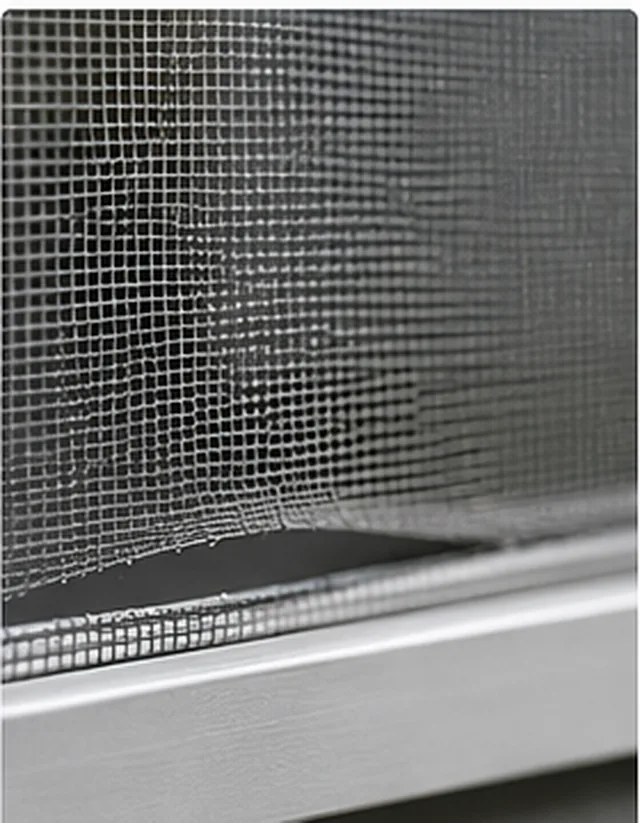 Frame
FrameThree steps
By phone or through the form. A photo helps but is not required.
We give you a time window for Pointe-Calumet, not a whole day.
We remove, repair and reinstall. You pay once you have seen and approved the work.
Do you manage a building or a business in Pointe-Calumet?
Why us
The workshop is in the vehicle: no trips to a store.
5.0from 143 Google reviews
Public and verifiable, on our Google listing.
No windows or doors to sell: we repair what you own.
6 a.m. to 8 p.m., April to October, in French and English.
7+years in the trade
Mesh taut without a ripple, frame square, rollers set.
1 yrwritten warranty
Workmanship and installation. If our work fails, we come back.
« Ludovic replaced my screen in record time. Professional, and with a great sense of humour. I recommend his services — don’t hesitate to contact him, he’ll come to your home and do beautiful work. »
« Excellent service. Clear explanations of the work to be done. I really appreciated his dedication: despite the rain he insisted on finishing the job, soaked through and still smiling. The work was very well done. »
« Great service! He was at my neighbour’s and agreed to fix my back screen even though we had no appointment. Very successful repair, and inexpensive! »
Straight answers
One at a time, on site. Every opening is recorded on all four sides, and the diagonals are checked to see whether it is still square. That is the only way to arrive with a panel that fills the opening completely. Going off the size of a nearby window in a building extended in stages often leaves you with a panel that does not fill the opening.
Yes, provided the frame is built to the real shape of the opening rather than to the theoretical rectangle. A standard panel set into an opening that has shifted leaves a gap in one corner, usually at the top, and insects come through there rather than through the mesh. The off-square measurements are taken on site and the panel is built to match.
Simpler, generally. Recent construction uses PVC in common sizes: rollers, clips and spline can still be found, and the part you need exists. The thing to watch on a small lot is the patio door — often the only large opening in the house, therefore the hardest-worked and the first to call for new rollers.
Yes. We are a mobile business: we come to your home in Pointe-Calumet, remove the screens, repair them on site and reinstall them before we leave.
Replacing the mesh of a window screen, in its existing frame, starts from $30. The exact amount depends on size, mesh type and how many units you have, and the quote sets it. The more screens in the same visit, the lower the price of each. A $125 travel fee applies to every visit, whatever the number of screens — it is shared across all your items, which is why grouping them pays.
Yes: one year on fabrication and installation. If our work fails, we come back at no charge. Damage caused afterwards is not covered.
Written for Pointe-Calumet
Pointe-Calumet tells its history through its openings. The old resort area on Lac des Deux Montagnes changed slowly: summer cottages became year-round homes, they were insulated, then extended in stages, and each of those stages cut windows in the style of its own time. You can still read it on the façades — mismatched openings whose heights and widths do not answer each other. Between those buildings sit 1970s bungalows and, more recently, new houses built on small lots. The whole town lives in that mix. For a screen technician, it is the definition of a town where nothing can be ordered in advance. Two neighbouring houses will share neither the same window, nor the same frame, nor the same way of taking the panel out. That is the working assumption here, not the exception.
That variety has a very concrete practical consequence: a single house can hold three different window systems. An original double-hung in the old part, a slider fitted during a later extension, a recent casement in the section redone last. Three ways of removing a panel, three frame thicknesses, three sizes. That is why measuring on site is not a formality here — it is the only way to arrive with the right piece. An owner who orders a store panel by going off the neighbouring window often ends up with the wrong size, and a few millimetres on a screen frame is the difference between a panel that stays put and one that falls out. It is also why the whole house gets surveyed before anything at all is ordered or cut.
In the oldest part of the converted cottages, double-hung windows are common and the screen sits between the two sashes. It gets handled every time the window opens, which argues for an aluminum frame rather than a flexible profile: aluminum keeps its shape under handling. The extensions mostly brought horizontal sliders, whose screen moves sideways on a track. On those the rule is constant: the rollers wear out before the mesh. A panel that twists, rubs or jumps its course does not have a mesh problem, it has a roller and track problem. And the new houses of recent years are built in PVC in common sizes — their parts can still be found and the repair there is straightforward. On a house extended in stages, identifying which system sits at each opening comes before any part is chosen.
The opening that generates the most work is still the patio door, for a reason specific to this area: on a former cottage turned permanent home, it rarely dates from the original build. It gets used all summer, its mesh stretches with the traffic, its rollers flatten, and its floor track collects sand and soil off the lot. The repair goes in that order: clean the track, replace the rollers, set the height, and only then redo the mesh. On the small lots where the newer houses stand close together, that same door is often the only large opening in the house — when it stops rolling, the summer's whole ventilation plan stops with it. On this kind of door the mesh is almost always the last item to deal with, never the first.
The constraint in Pointe-Calumet is dimensional, and it is more serious than it sounds. A building extended in stages does not just have varied sizes: it has openings that are no longer quite square, because an extension rarely settles exactly like the original section and the two do not move at the same rate. A perfectly rectangular panel set into an opening that has lost square leaves a triangular gap in one corner, and that gap is how insects get in. So measurements are taken on all four sides and on the diagonals, opening by opening. It is also why having the customer measure ahead of time does not help: the numbers that matter are not the ones a tape gives on a single pull.
Lac des Deux Montagnes is right there, and shorelines bring their share of no-see-ums from late spring on. Those tiny midges pass through standard fibreglass without even straining it: the mesh openings are too wide for them, and perfectly intact mesh changes nothing. Only a tight weave stops them, and along the Lac des Deux Montagnes shoreline it stops the spring black flies too. The cost is known — less airflow and a slightly darker view. On waterfront houses, where windows are opened precisely for the breeze, one option is to fit the tight weave on the bedrooms and keep standard fibreglass on the large openings.