
Slack or torn mesh
The mesh pulls out of the spline, billows in the wind or tore at the bottom — the classic. Re-meshed in your frame, fibreglass or reinforced.
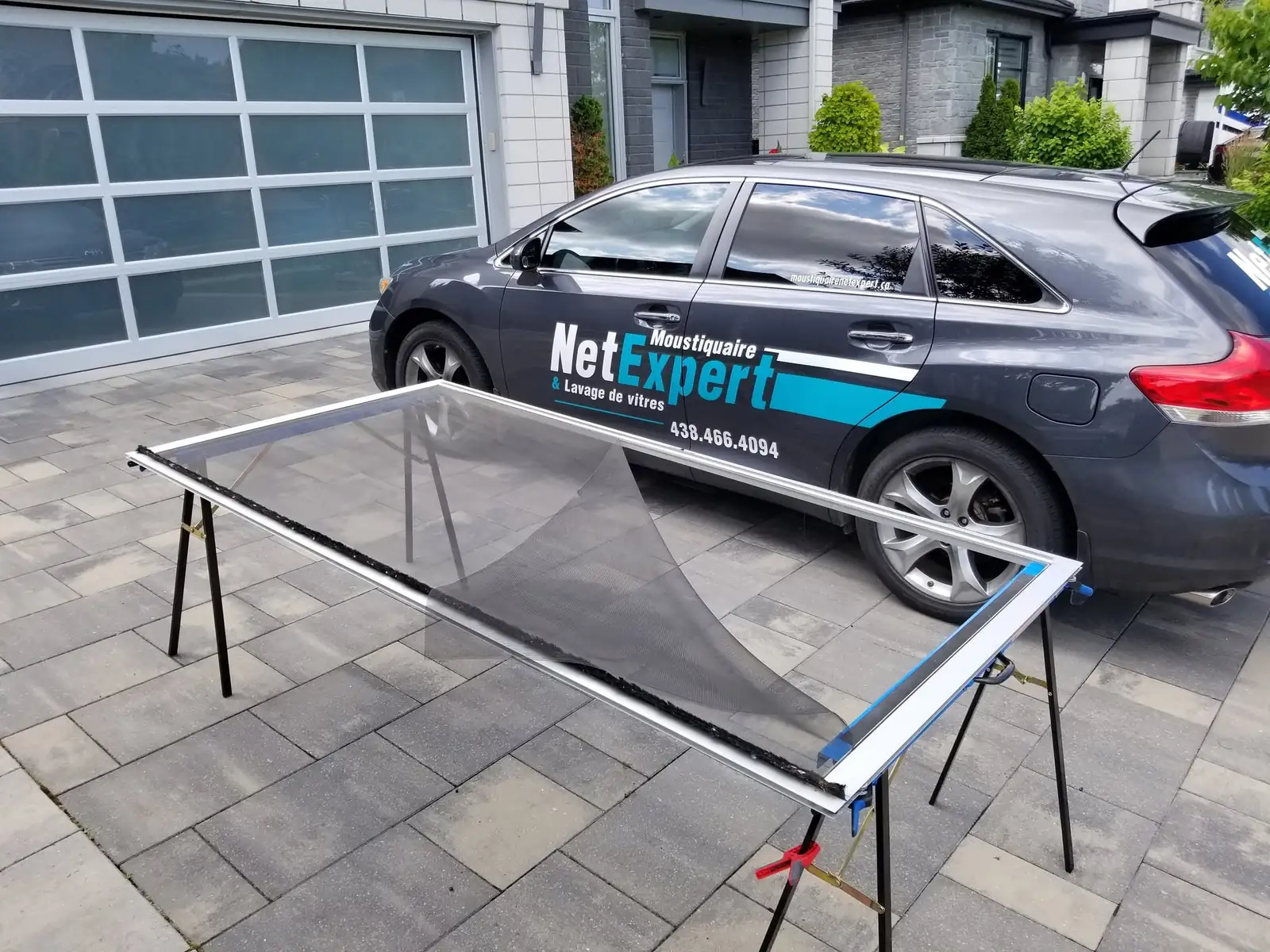
Patio door screens
Mesh, rollers, track, hardware: your screen door repaired at home in Westmount, usually in a single visit.
Three questions are enough to start. The official measurement is taken on site.
It is the most used screen in the house — opened and closed thousands of times a season. Four failures come up constantly, and all four are repaired on site.
The mesh pulls out of the spline, billows in the wind or tore at the bottom — the classic. Re-meshed in your frame, fibreglass or reinforced.
The door drags, jumps the track or scrapes. We replace the rollers and adjust the height — the most requested repair.
Sand, pet hair and debris jam the rolling. Cleaning, lubrication, light track straightening when needed.
The door no longer locks or the handle hangs loose. Hardware replaced, latch adjusted.
On Westmount’s grey stone houses and its Victorian and Edwardian cottages, the patio door is almost never original. These homes were built when you stepped into the garden through a solid door; the sliding patio door came later, with a rear addition, a kitchen opened onto the yard, or a ground-floor renovation. That has a direct consequence for the screen: it isn’t the age of the house, it’s the age of the work. A door fitted in the 1980s has a narrow aluminum frame and rollers of a model that has to be identified before anything is ordered; a door fitted in the last twenty years is PVC, in a common size, with a lighter panel. Two neighbouring houses in the same row can have nothing in common on that side.
The 1960s apartment towers along Sherbrooke tell the opposite story. Their balcony doors were installed in series: same profiles, same dimensions, same tracks floor after floor, and a screen panel that slides on the outside, over open air. The method repeats, the logistics don’t, because they depend on the elevator, on building management, on a railing to work against and on the agreed time. Those two worlds — the greystone row and the 1960s tower — sit a few streets apart: on one side a balcony-door panel installed in series, on the other an addition’s door where nothing is standard. The population is largely English-speaking, and the choice of mesh and hardware is explained in English as readily as in French, with no guesswork about what a repair will involve.
The order in which things fail never changes, and it starts with the rollers. Two small wheels carry the whole panel, opened and closed several times a day all summer; on an addition’s door from the 1980s they are a model you cannot guess at, and it gets identified before anything is ordered. Worn, they let the panel settle onto the track. You push harder, the narrow aluminum frame twists out of true, and the mesh gives way at a corner. So both are done in the same visit — new rollers and new mesh, tensioned evenly — because splitting the two jobs means coming back in two years. The track is emptied and lubricated; the frame is straightened when only bowed. On the balcony doors of the Sherbrooke towers it is usually the mesh that goes first: at that height, wind works on a slack screen all summer.
Two things shape a visit in Westmount, and neither is the repair itself. Access first: a row house or a semi-detached has no side, the back yard is reached through the house or from the rear of the lot, and a patio door panel comes out with two hands, flat, onto a stable surface. It helps to know in advance how it gets there. Then the building: on a high balcony you work against a railing, and the schedule depends on the elevator. In a co-ownership, the exterior appearance is often the syndicate’s business — which is exactly the advantage of rescreening in the existing frame: nothing visible changes from the street.
For most of these doors, standard fibreglass does the job. Two situations point elsewhere. On a high balcony, exposed to wind across its full width, aluminum mesh is stiffer and holds its tension instead of bellying in the middle. And if a cat or a dog goes through the door several times a day, pet-resistant mesh is the only choice that avoids repeating the same repair next summer: it goes into the existing frame, changing nothing about the door or about what is seen of it from outside.
Prefer English? We serve you in whichever language you choose, in Westmount as everywhere else.
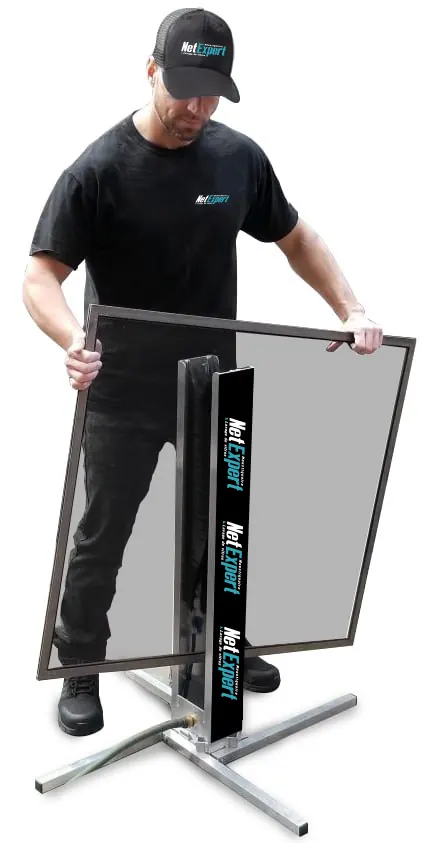
A patio door opens and closes more often than every window in the house combined — and it is the one the dog noses open and the cat climbs. Standard fibreglass mesh suits a lightly used door; for the others, we fit reinforced mesh, about seven times stronger, or pet-resistant mesh built for claws.
The extra cost is measured in tens of dollars; the yearly replacement it prevents, in hundreds. We carry both types in the vehicle — the decision can happen on the spot, with the door off its track in front of you.
Ten kinds of damage, one answer
If your screen looks like any of these, it can be repaired. Tap one to request a quote for that exact damage. We rarely replace a whole frame — in most cases only the mesh needs redoing.
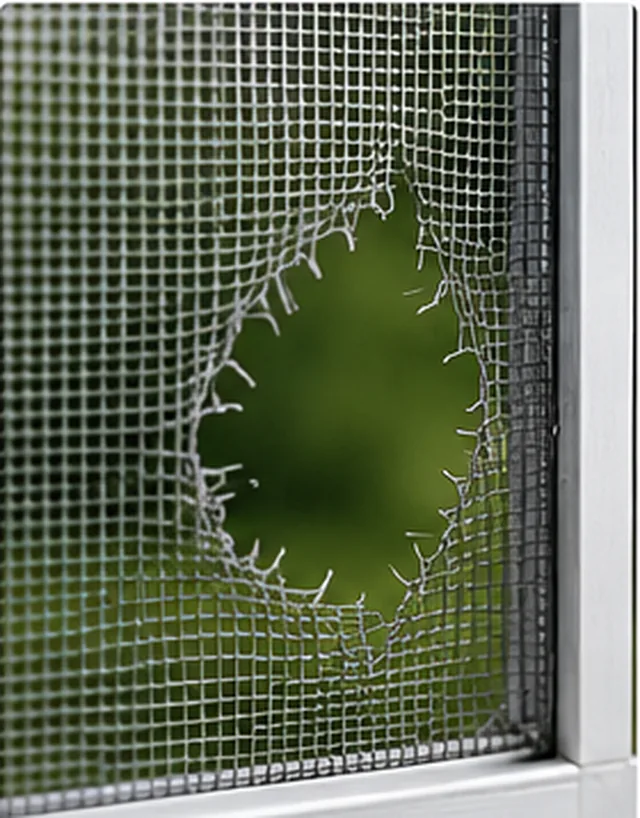 Mesh
Mesh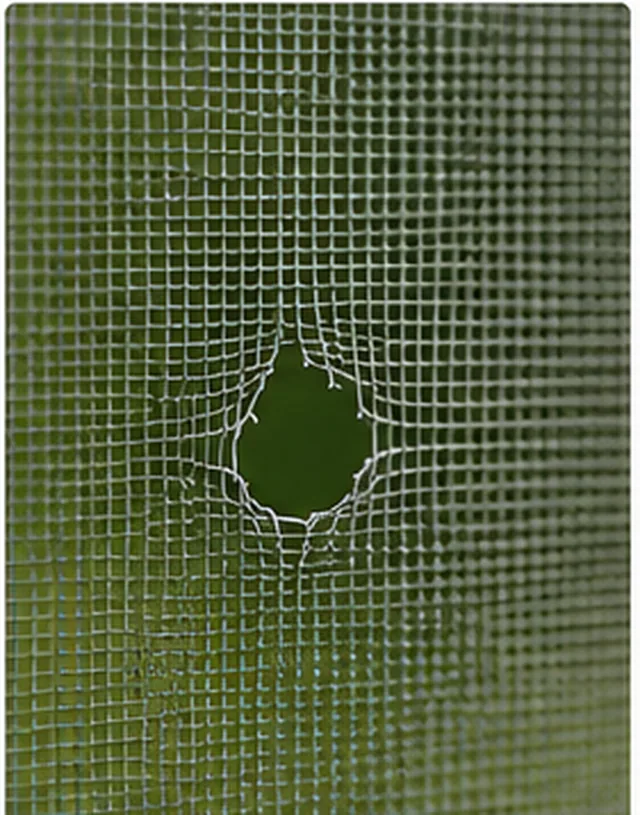 Mesh
Mesh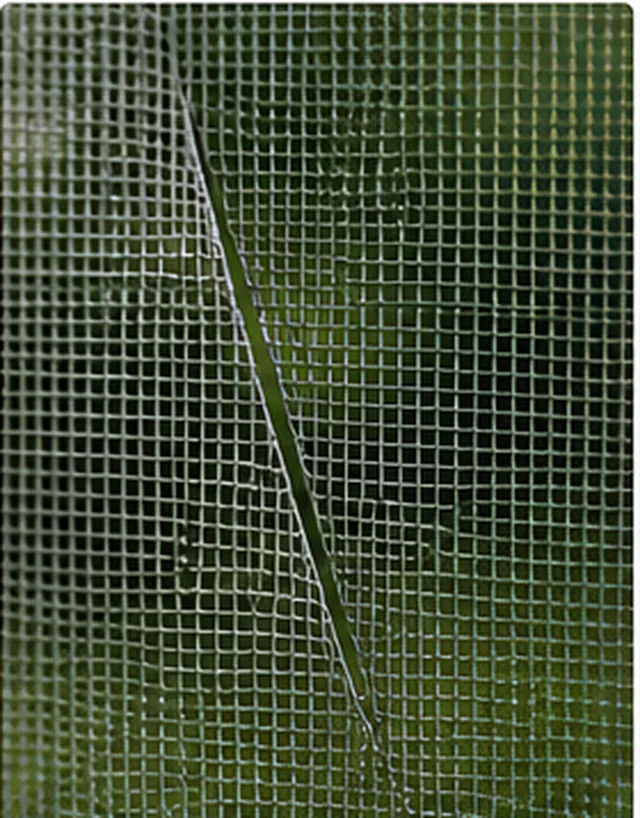 Mesh
Mesh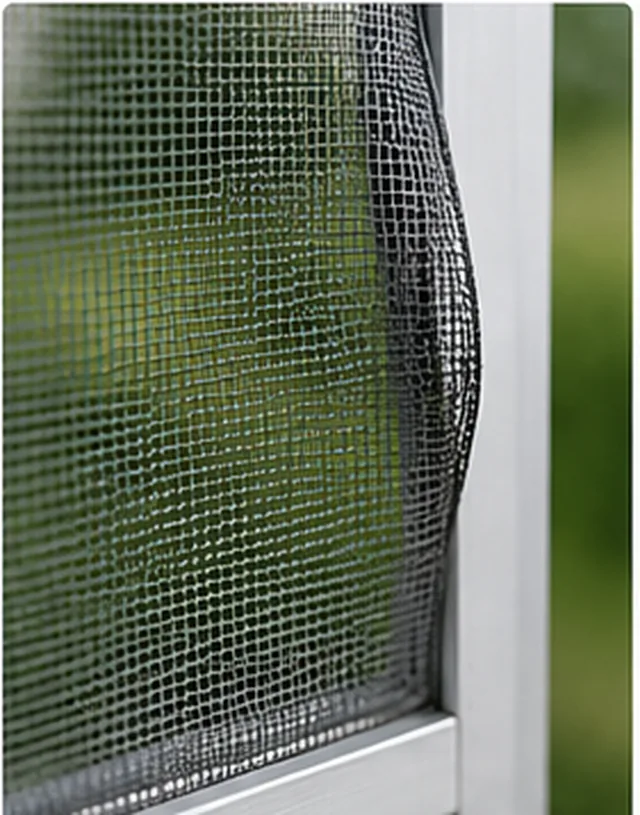 Mesh
Mesh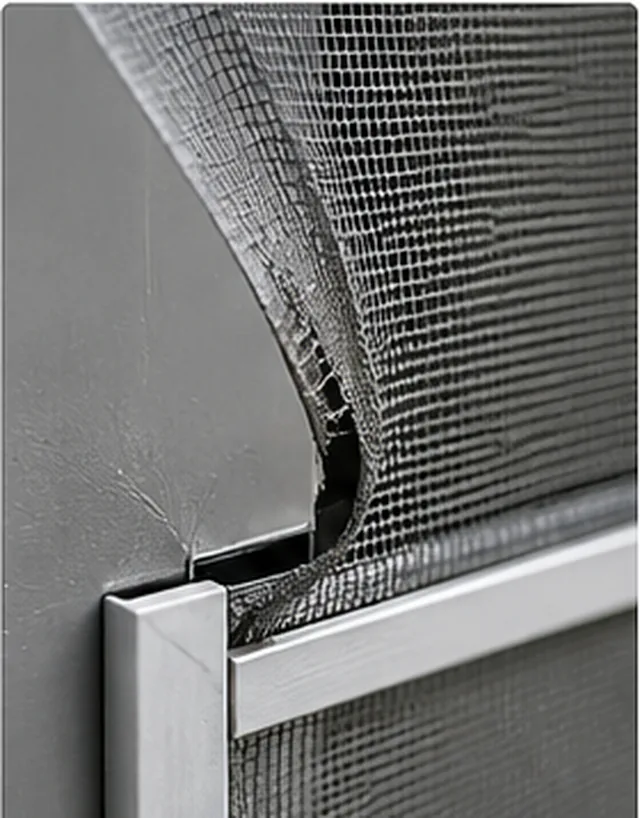 Mesh
Mesh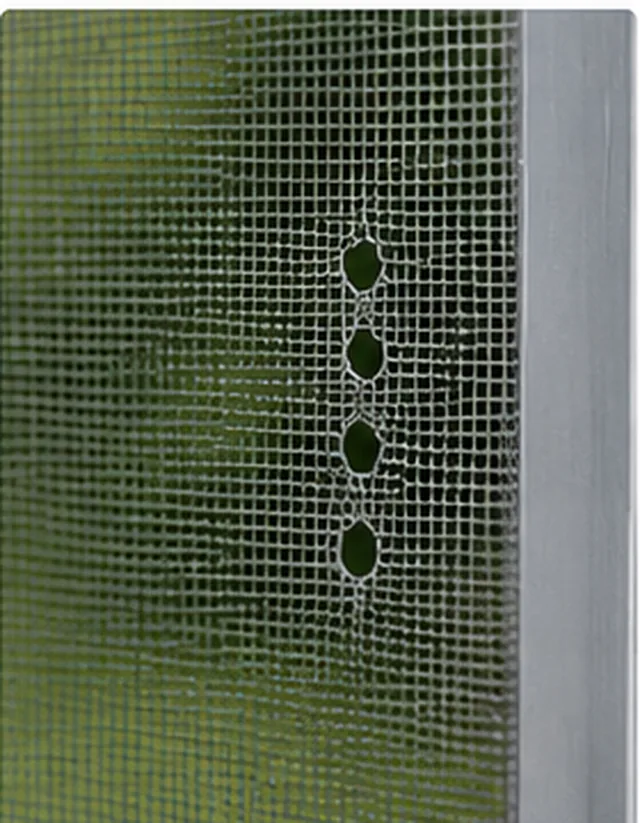 Mesh
Mesh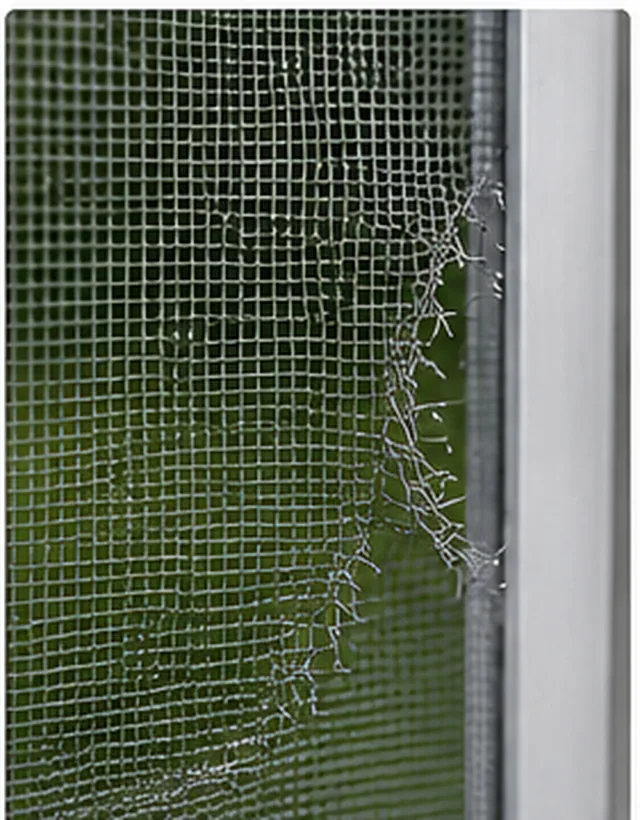 Mesh
Mesh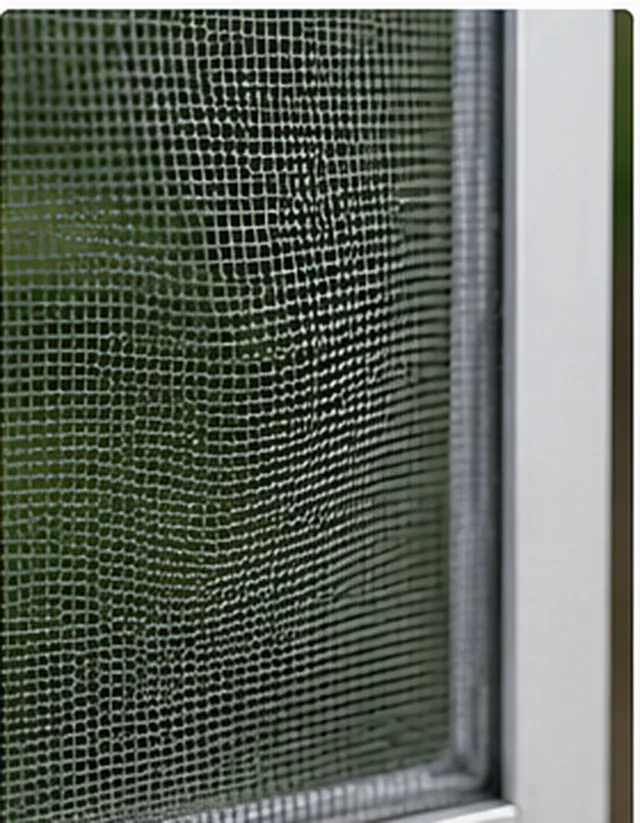 Mesh
Mesh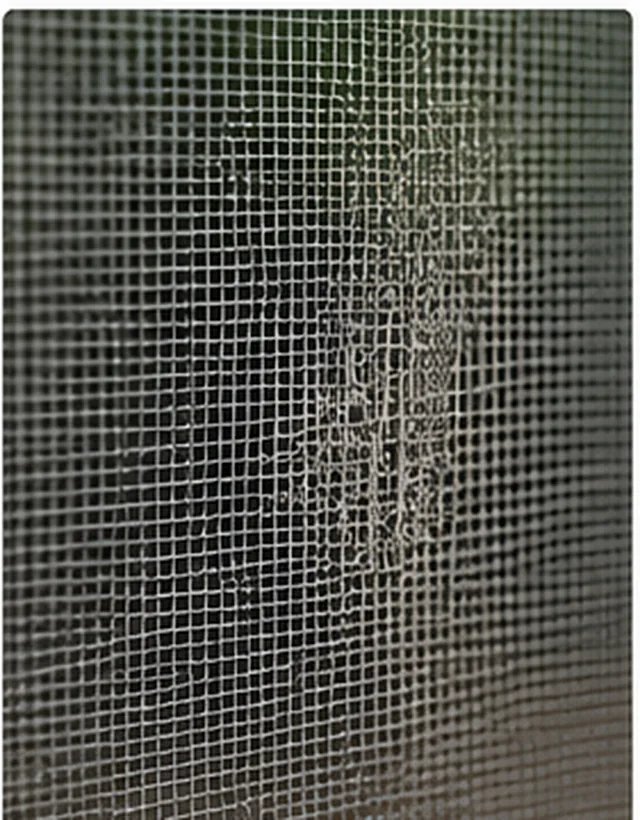 Mesh
Mesh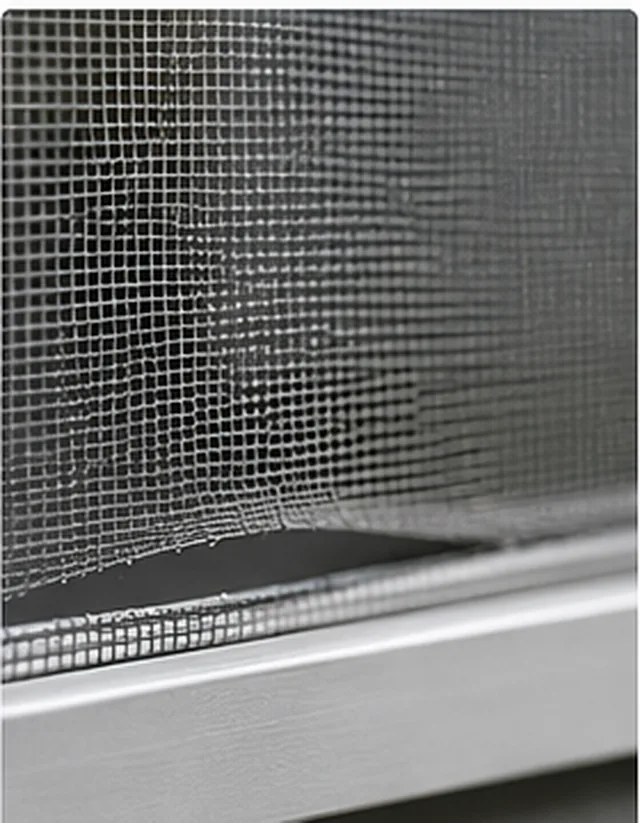 Frame
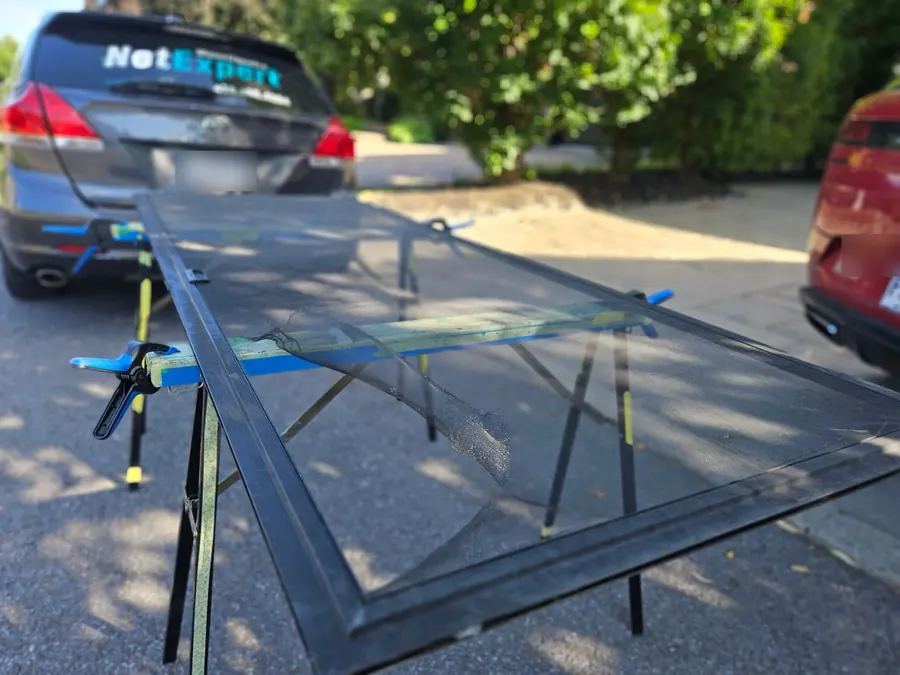
FrameThis job was not in Westmount — it shows our method, the same everywhere: door off its track, new rollers, new mesh, frame squared up.
 1
1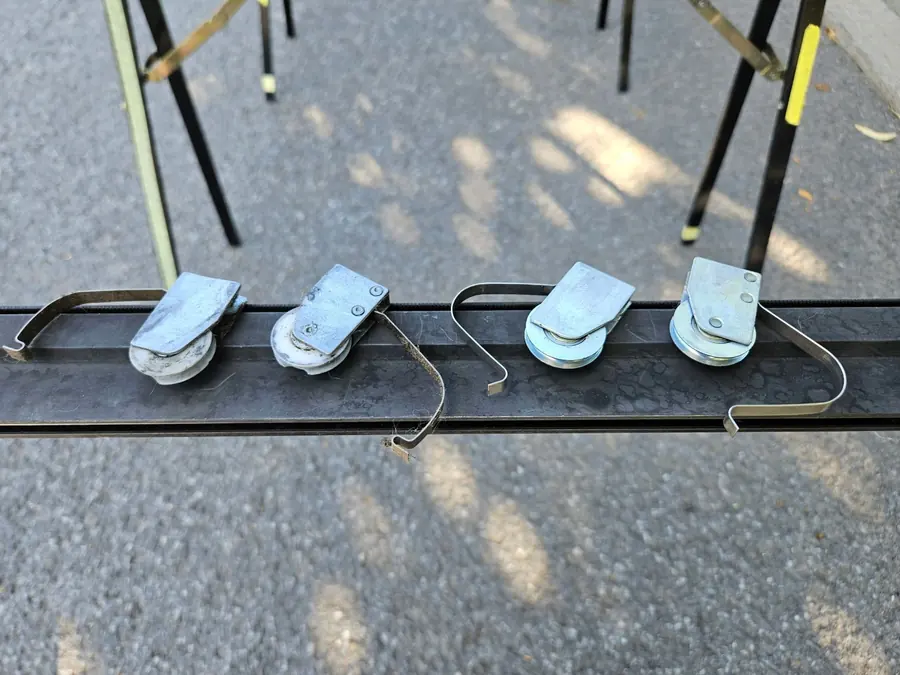 2
2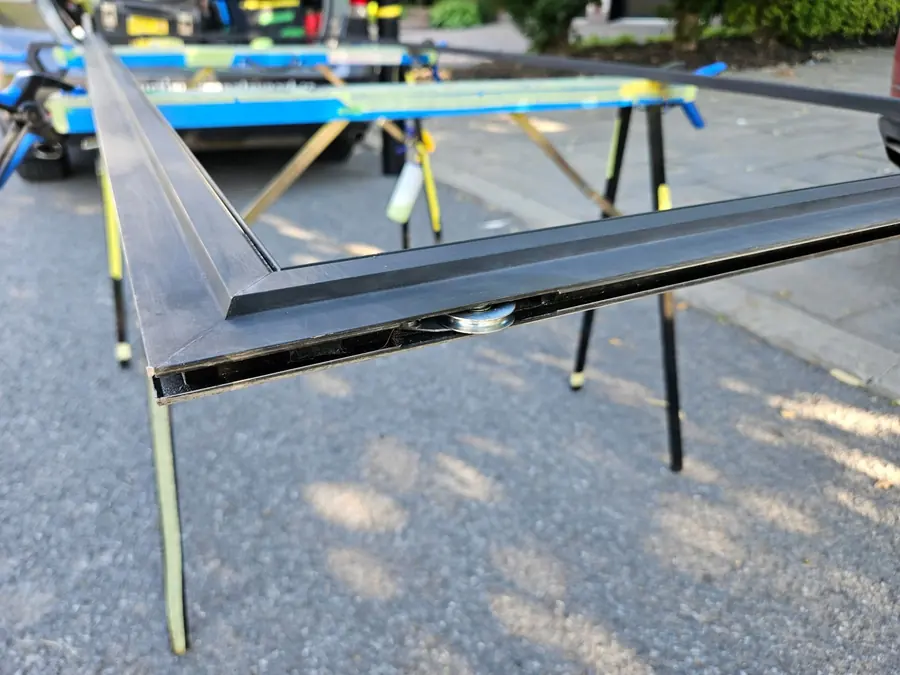 3
3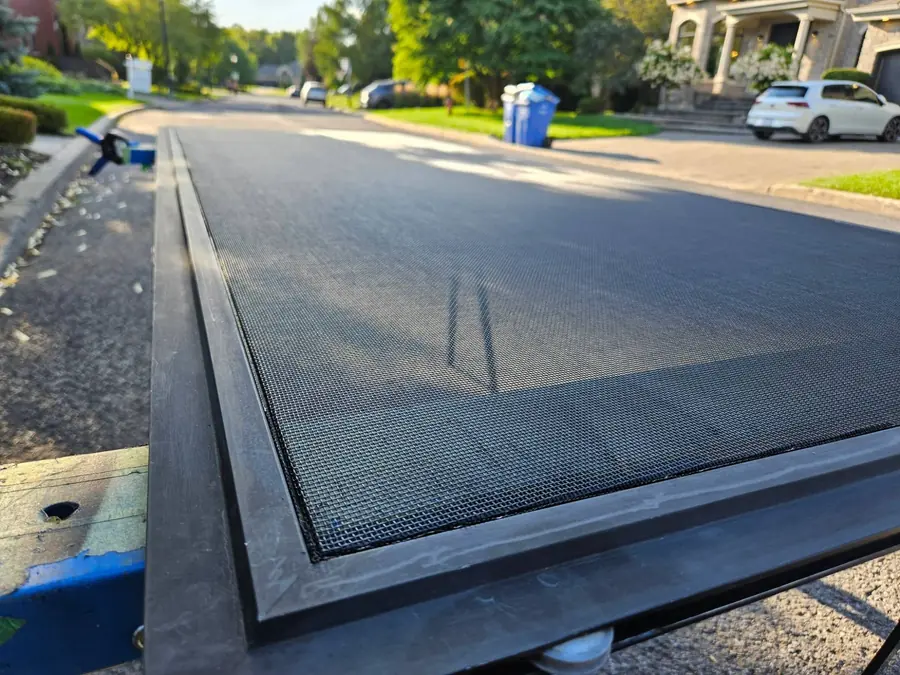 4
4« Ludovic replaced my screen in record time. Professional, and with a great sense of humour. I recommend his services — don’t hesitate to contact him, he’ll come to your home and do beautiful work. »
« Excellent service. Clear explanations of the work to be done. I really appreciated his dedication: despite the rain he insisted on finishing the job, soaked through and still smiling. The work was very well done. »
« Great service! He was at my neighbour’s and agreed to fix my back screen even though we had no appointment. Very successful repair, and inexpensive! »
Straight answers
That depends on when the work was done, not on the age of the house. A door fitted in the 1980s has a narrow aluminum frame and rollers particular to that generation; both are identified on site. A more recent PVC door usually falls within common sizes. Either way, the measurement is taken on the panel itself, never on the opening.
Yes. The panel lifts out of its track, is rescreened and goes back on the same track; nothing goes down to a shop. What changes at height is the logistics: the work is done on the inside of the railing, and the time is arranged with building management for elevator access. Worth saying up front, with the floor number and how access is arranged.
No. The mesh is redone in the existing frame: same profile, same colour, same dimensions, and the panel returns to the same track. From the street, nothing has moved. The question would be different if a new frame in another shade had to be built — which is precisely what we avoid when the original frame is still straight.
Yes, at your home. We remove the screen door, replace the mesh or rollers on site, clean and lubricate the track, then reinstall it — usually in a single visit to Westmount.
Almost always the rollers: they wear out before the mesh and push the door off its track. We replace them and clean the track in the same intervention — forcing a derailing door eventually bends the frame, a costlier repair.
Rollers and hardware: from $30. A complete custom-built screen door: from $500, depending on format. The mesh alone on a door is priced on quote, from its dimensions. An exact quote is free.
One year on fabrication and installation — mesh, fitted rollers, built frames. Damage caused afterwards, by a pet or an impact, is not covered; for a dog, pet-resistant mesh is the real answer.
Pet-resistant mesh: about seven times stronger than standard fibreglass. On a patio door used daily, it is the difference between replacing the mesh yearly and being done with it for seasons.
Do you manage a building or a business in Westmount?