
Slack or torn mesh
The mesh pulls out of the spline, billows in the wind or tore at the bottom — the classic. Re-meshed in your frame, fibreglass or reinforced.
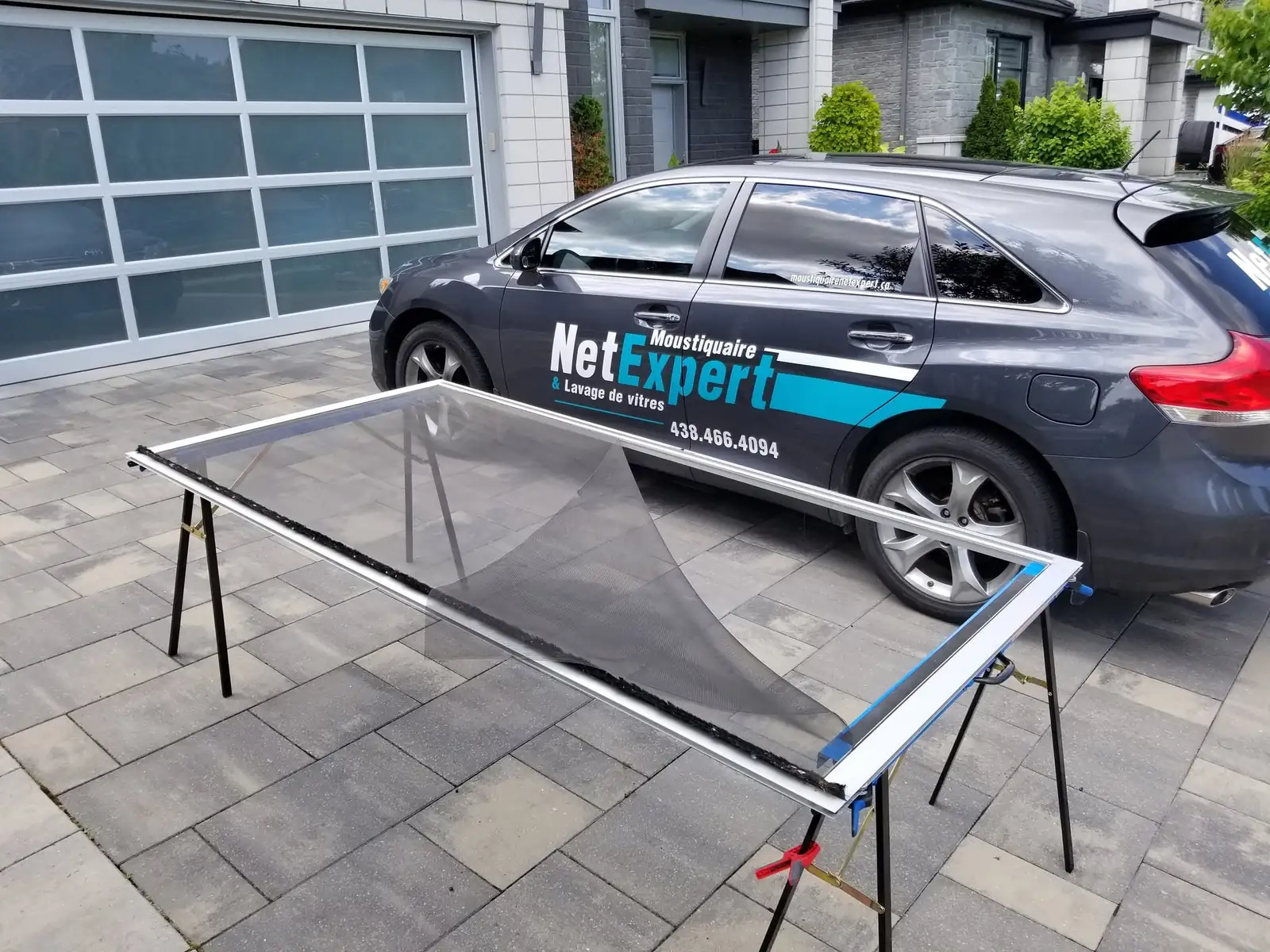
Patio door screens
Mesh, rollers, track, hardware: your screen door repaired at home in Saint-Lambert, usually in a single visit.
Three questions are enough to start. The official measurement is taken on site.
It is the most used screen in the house — opened and closed thousands of times a season. Four failures come up constantly, and all four are repaired on site.
The mesh pulls out of the spline, billows in the wind or tore at the bottom — the classic. Re-meshed in your frame, fibreglass or reinforced.
The door drags, jumps the track or scrapes. We replace the rollers and adjust the height — the most requested repair.
Sand, pet hair and debris jam the rolling. Cleaning, lubrication, light track straightening when needed.
The door no longer locks or the handle hangs loose. Hardware replaced, latch adjusted.
A British-inspired brick cottage built between 1900 and 1950 never came with a patio door. Where there is one in Saint-Lambert, it comes from an addition, a kitchen opened onto the garden, or a back wall cut through to reach a terrace — and the year of that renovation matters more than the year of the house. A door fitted in the 1970s brings a screen panel built from a thin aluminum frame, with rollers in a model that has to be identified before any part is ordered. A door installed since the 2000s brings PVC and widespread sizes, far simpler to put right. In both cases the panel lives in an enclosed garden, sheltered from the wind, which genuinely changes how the mesh wears.
The rest of Saint-Lambert, meanwhile, is built upward. Near the river, the condo buildings and towers have their balcony patio doors, and that’s an entirely different regime. The same panel repeats floor after floor, often identically through a good part of the building; there’s no yard and no hedge to break the wind; and the balcony is the unit’s only outdoor space, so the door is used every day of the warm season. Up high, slightly slack mesh is unforgiving: it billows, starts to flap, and eventually leaves its groove at a corner — which, from the balcony, looks like a damaged panel when it’s mostly an untensioned one. The two are told apart with the panel off its track, never from the balcony.
The two worlds meet underneath the panel. The rollers carry all the weight and take in whatever is sitting in the track: sand and soil in a garden, a fine dust the wind deposits nonstop on an upper-floor balcony. They flatten, the panel drops, it drags, and the effort climbs until people push on the frame — that’s the moment the frame warps. On the mesh side, the bottom goes slack where a hand opens it every day, and one corner snag is then enough to bring it out of the spline. We handle both in the same visit, otherwise the second half of the problem comes back in two years: track emptied, cleaned and lubricated, rollers replaced with the matching model, new mesh tensioned into the existing frame, frame straightened if it has warped. Replacing the frame is reserved for the bent or split ones, and that’s rare.
In a co-ownership the question isn’t technical: what shows on the façade often falls to the syndicate, and a new frame in a different shade may need approval. Rescreening in the existing frame changes nothing visible from outside, which settles the matter before it comes up. Then there’s height. On an upper-floor balcony nothing is done from the outside: the panel is lifted out of its track from inside the unit, laid flat there to be rescreened, and put back there. So a little clear floor space is needed, and an occupant on site. In the older neighbourhoods the constraint is the reverse: a garden door is often reached by a narrow side passage that a long panel doesn’t take easily.
On an upper-floor balcony the panel’s width settles it: the wider it is, the stiffer the mesh has to be to stay quiet, and aluminum is the only one that holds that much tension. At garden level, between two brick walls and a hedge, standard fibreglass is more than enough and lets the door breathe better. The third case overrides both: if a cat spends its days on the balcony or in the garden, pet-resistant mesh is the only one that survives a claw, and it saves you from redoing the same panel every year.
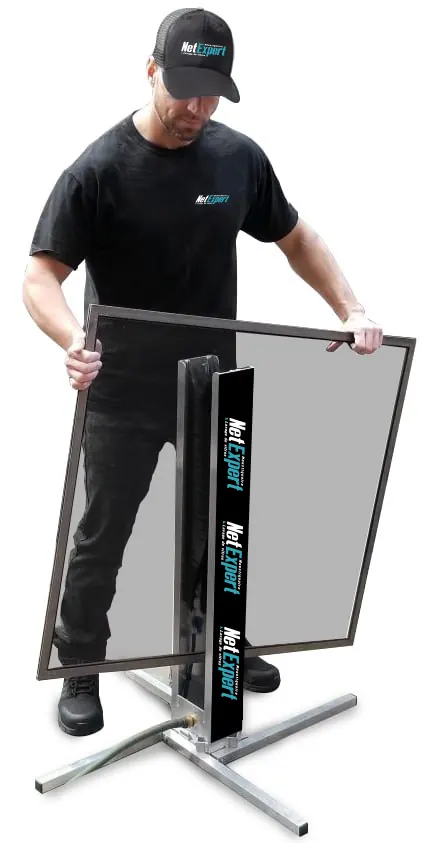
A patio door opens and closes more often than every window in the house combined — and it is the one the dog noses open and the cat climbs. Standard fibreglass mesh suits a lightly used door; for the others, we fit reinforced mesh, about seven times stronger, or pet-resistant mesh built for claws.
The extra cost is measured in tens of dollars; the yearly replacement it prevents, in hundreds. We carry both types in the vehicle — the decision can happen on the spot, with the door off its track in front of you.
Ten kinds of damage, one answer
If your screen looks like any of these, it can be repaired. Tap one to request a quote for that exact damage. We rarely replace a whole frame — in most cases only the mesh needs redoing.
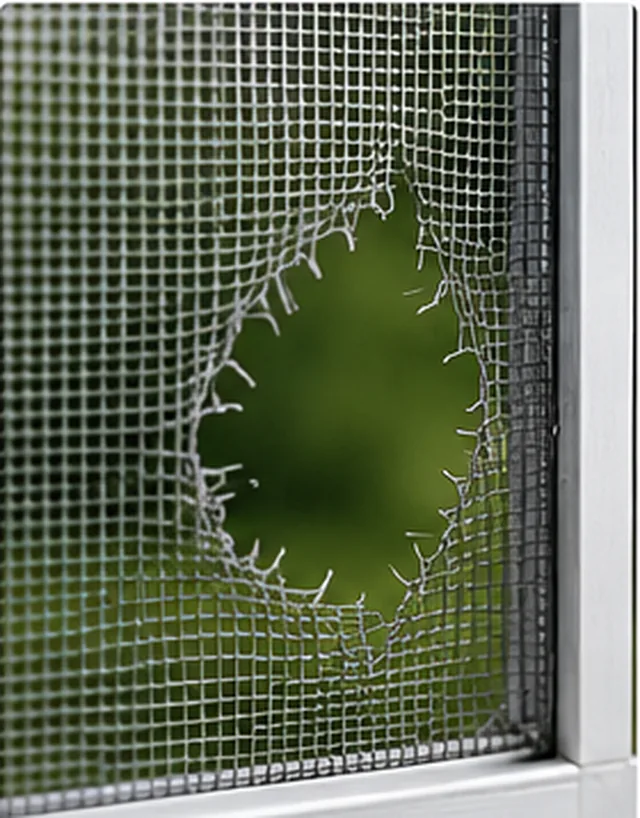 Mesh
Mesh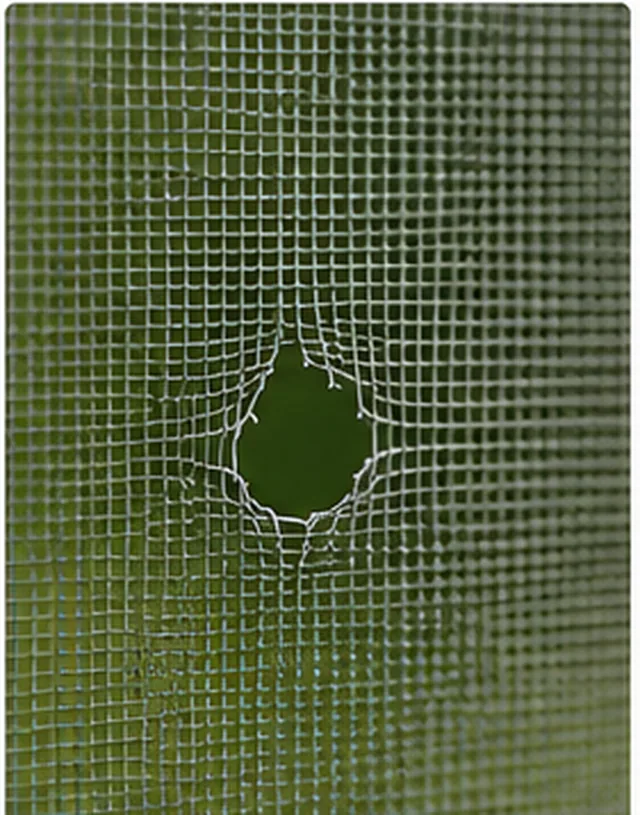 Mesh
Mesh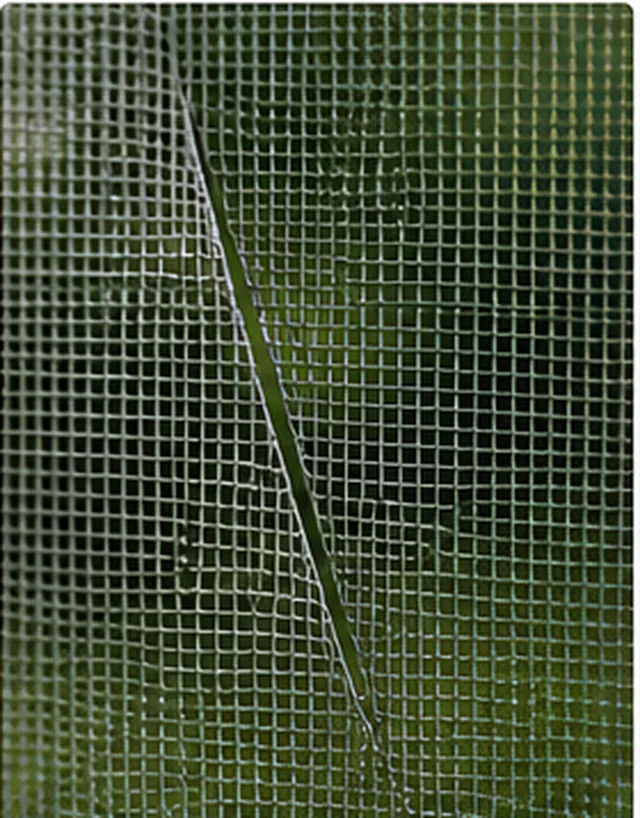 Mesh
Mesh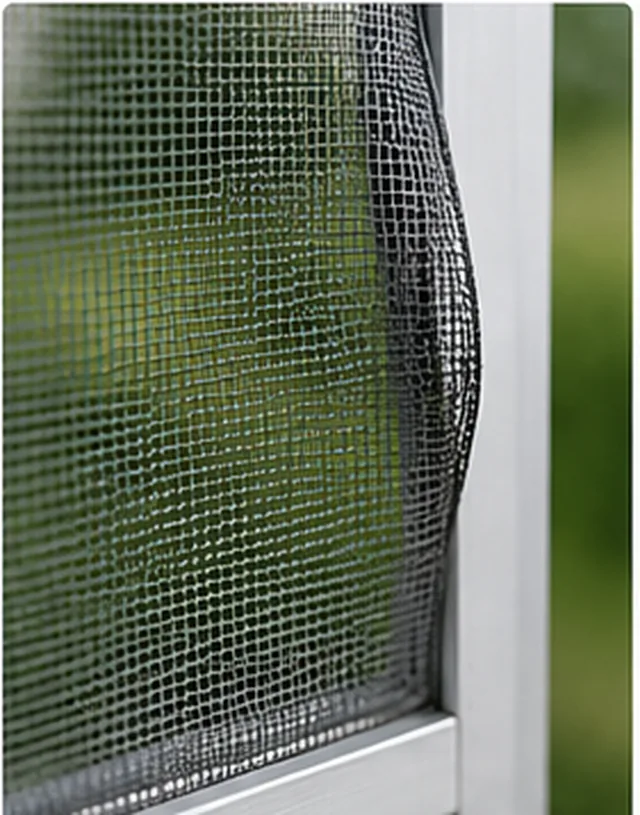 Mesh
Mesh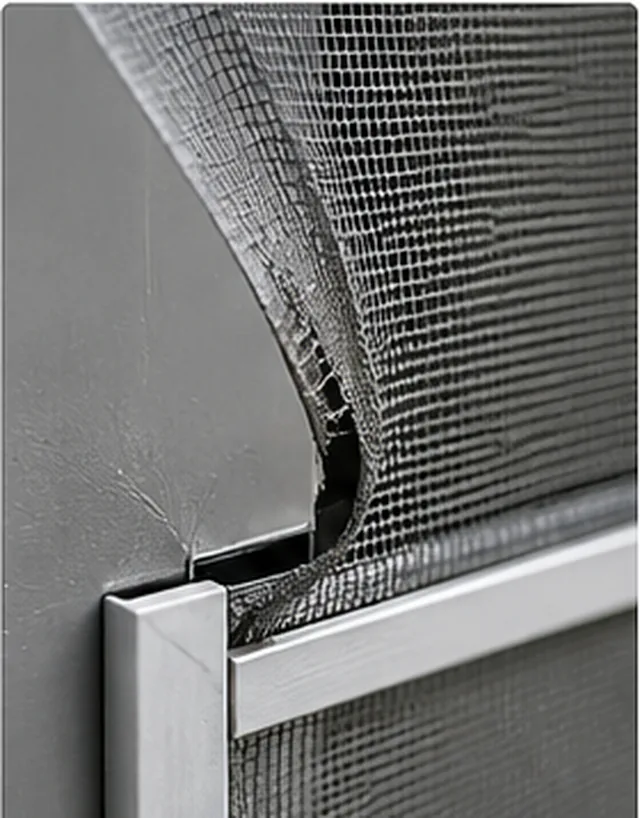 Mesh
Mesh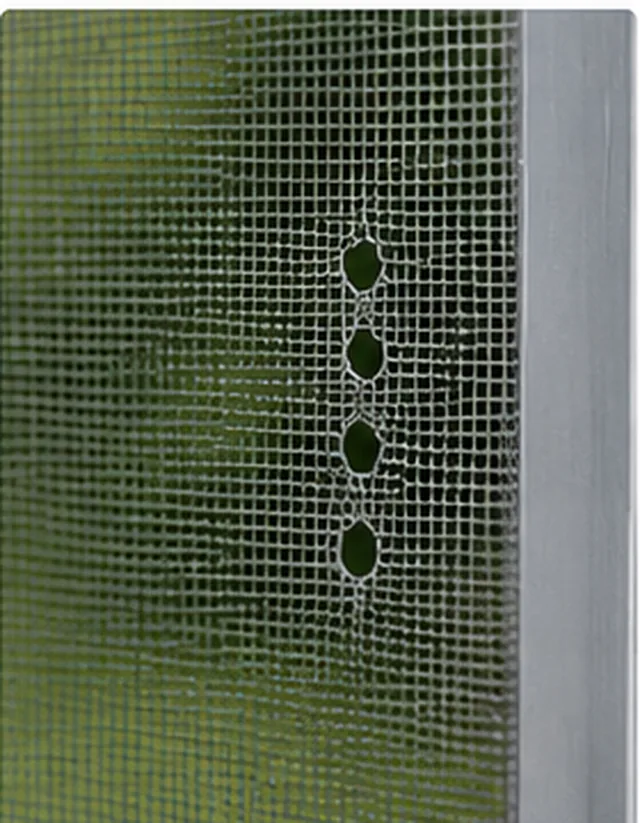 Mesh
Mesh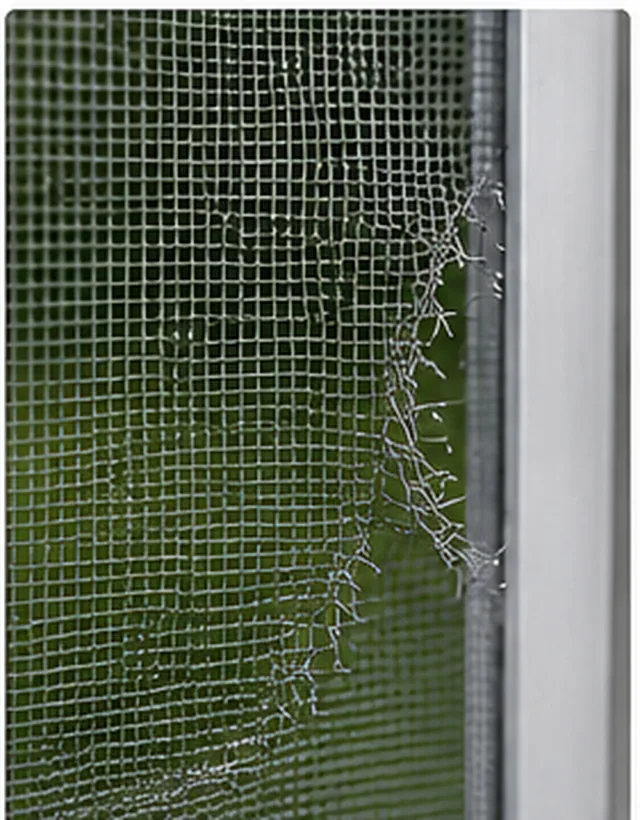 Mesh
Mesh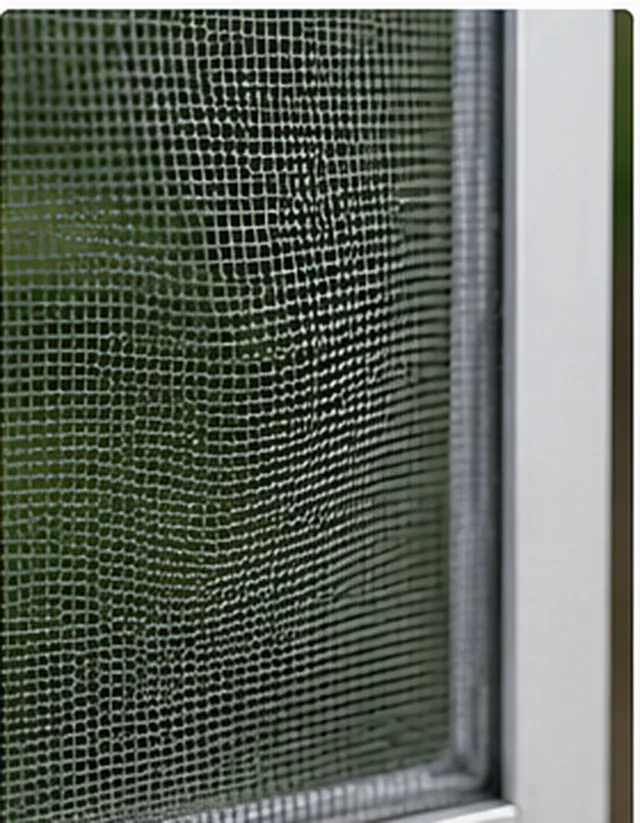 Mesh
Mesh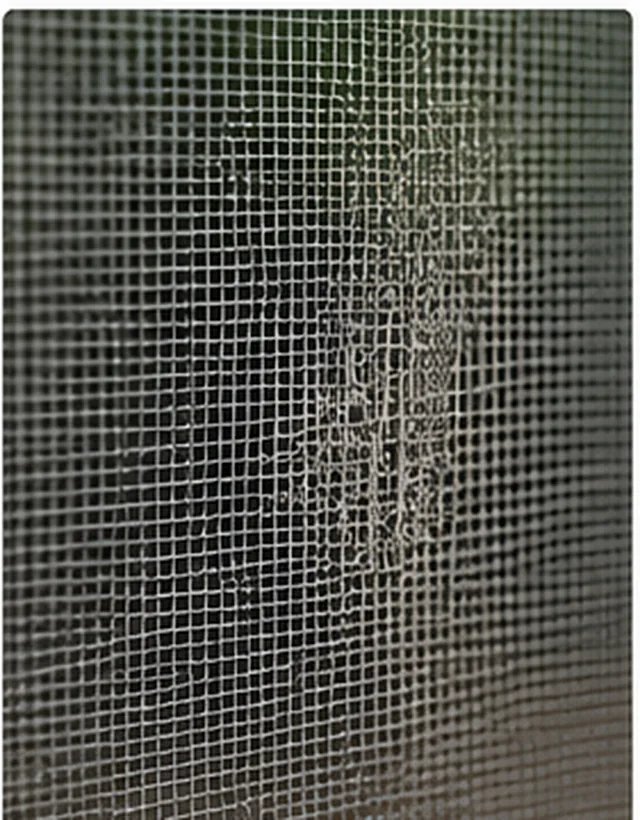 Mesh
Mesh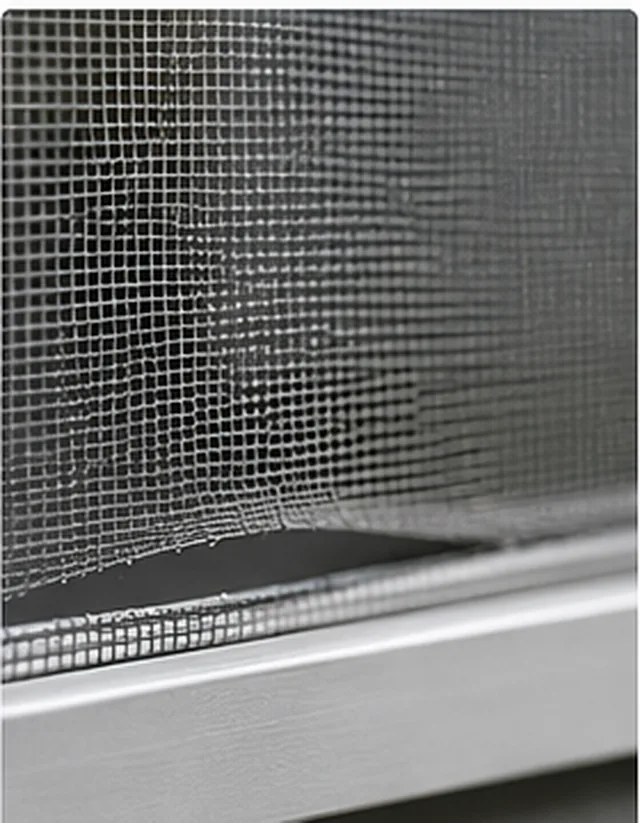 Frame
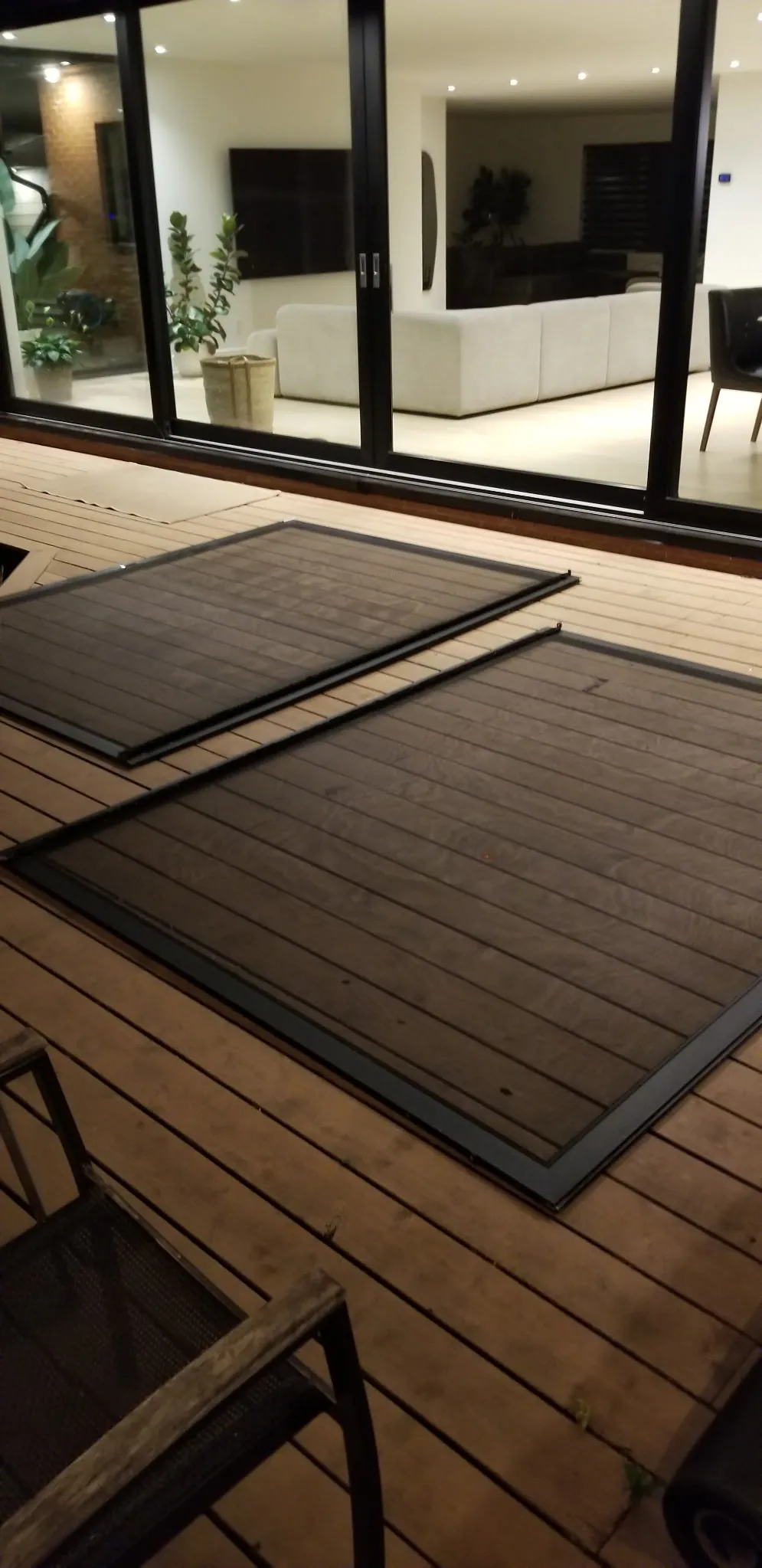
FrameA wide wall of sliding doors whose screens had served their time. The panels were removed, stripped and rescreened right on the deck, then set back on their tracks the same evening — the house never sat open.
 1
1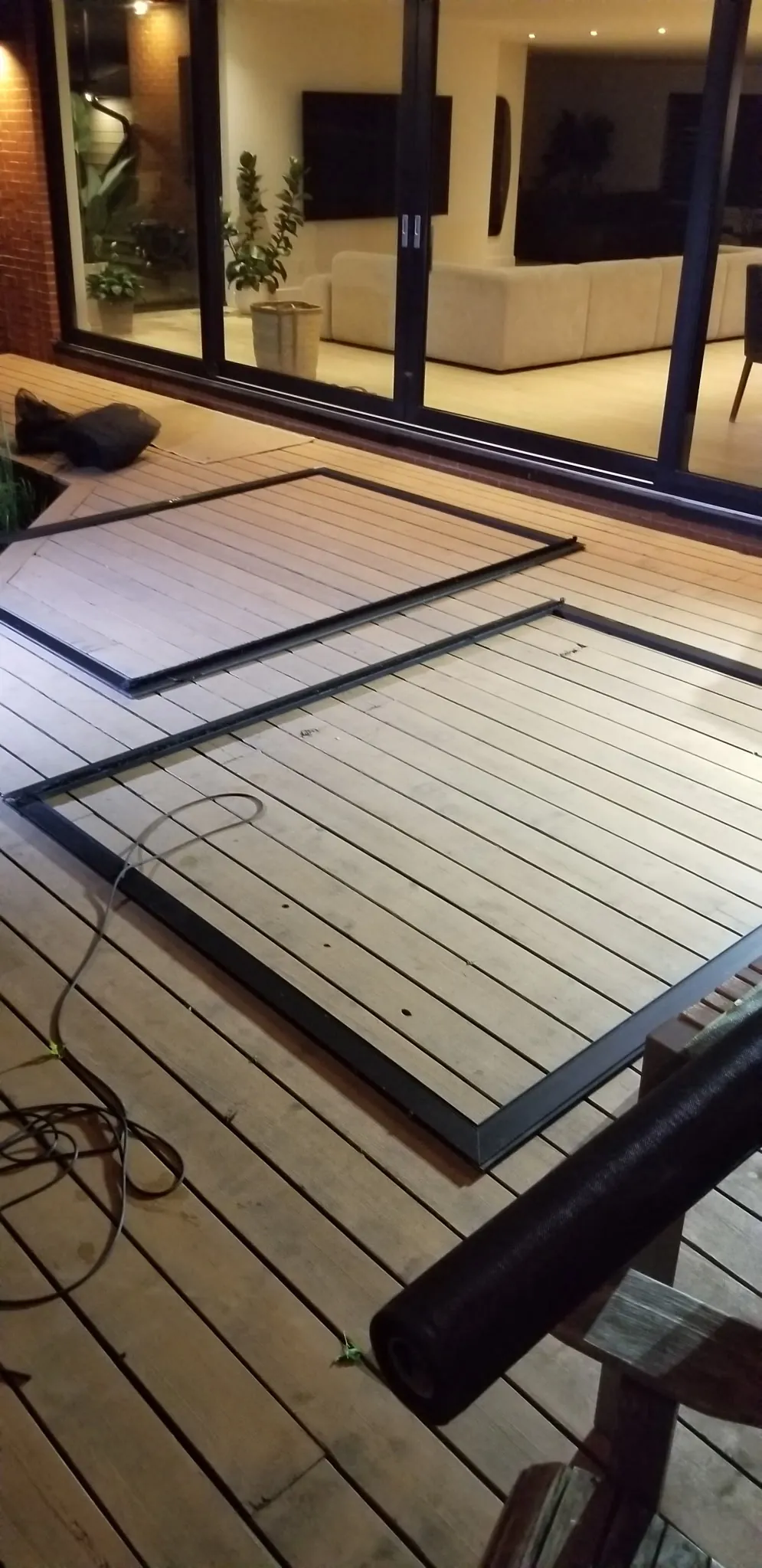 2
2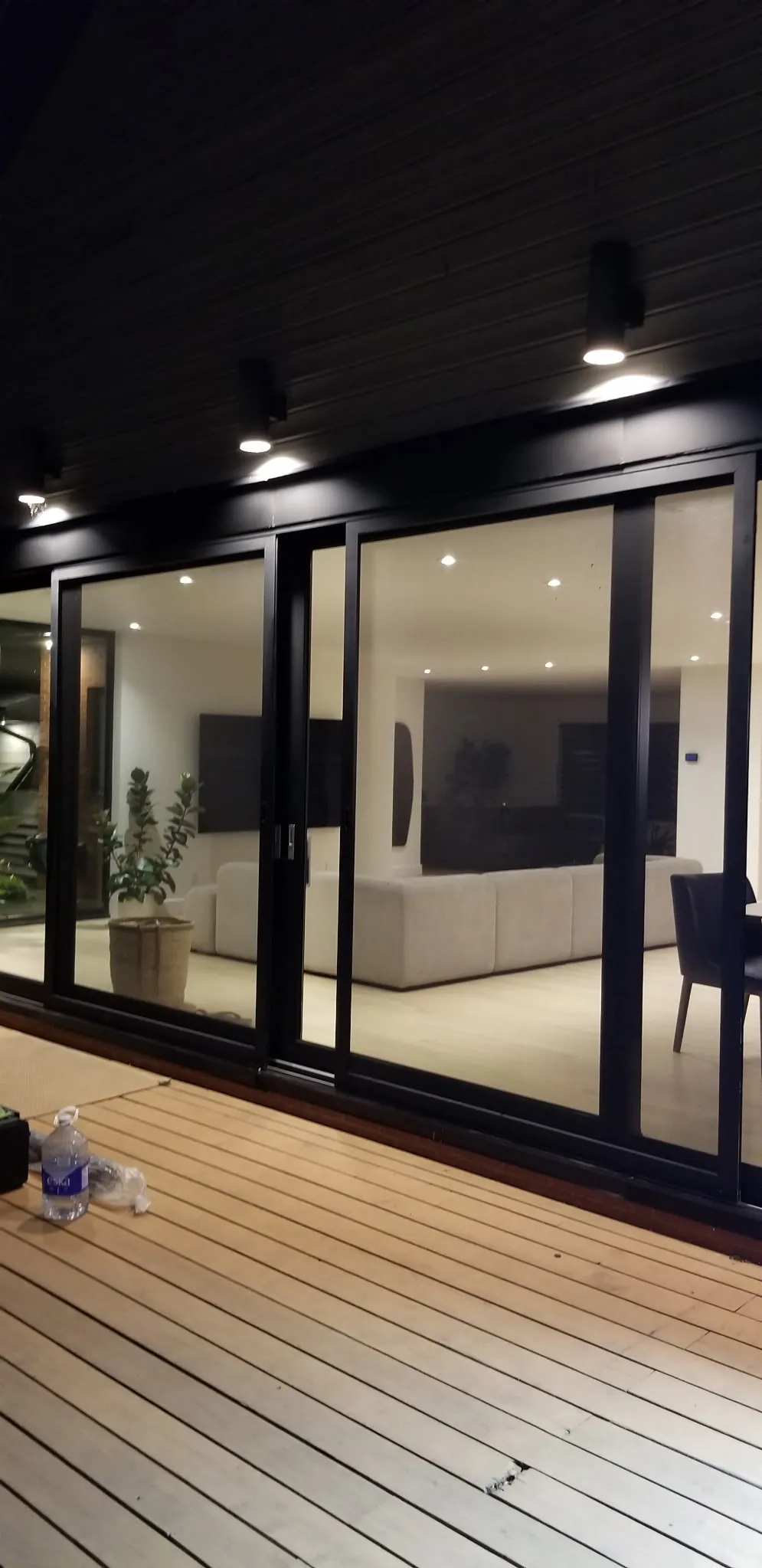 3
3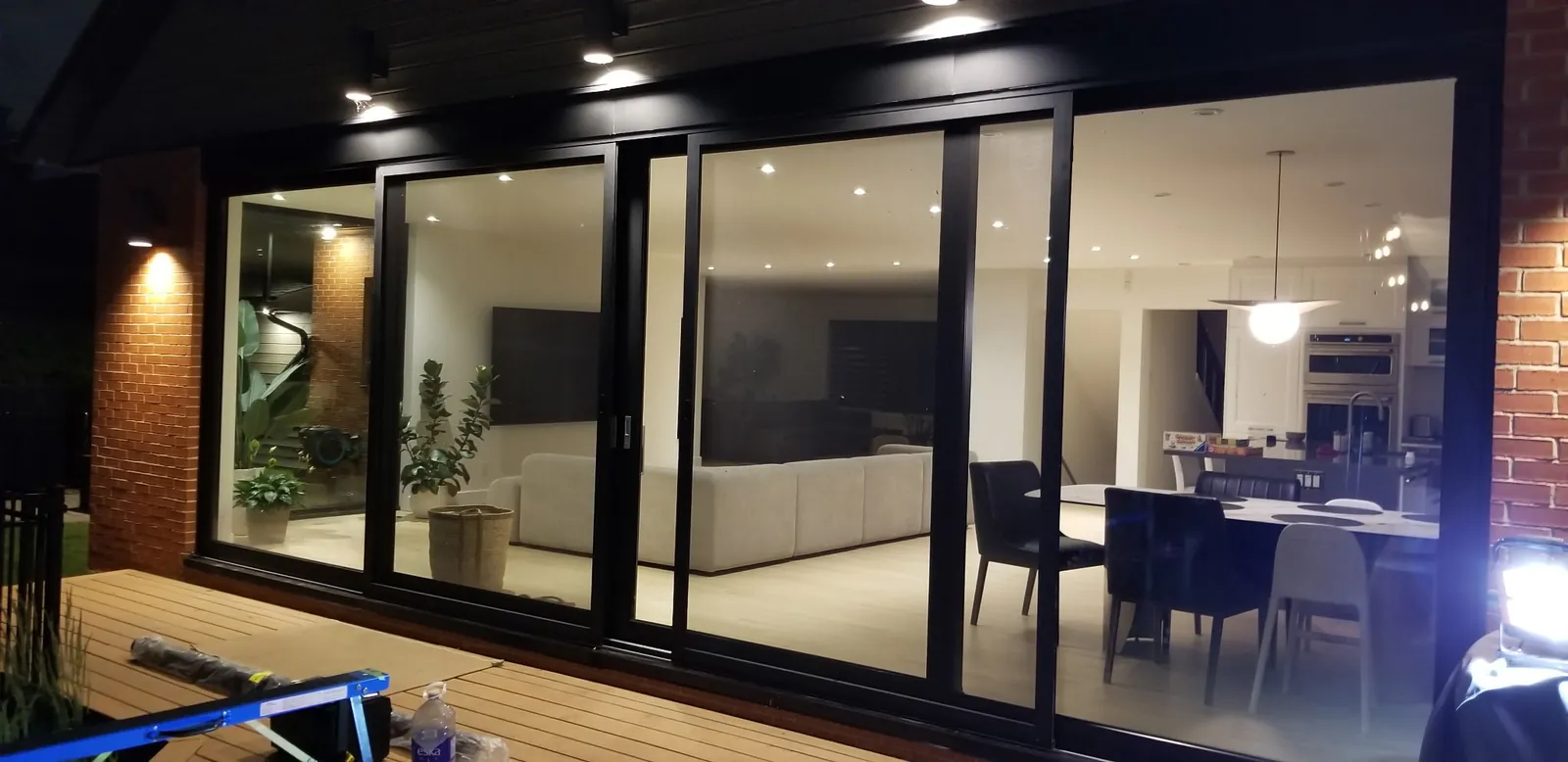 4
4« Great service! He was at my neighbour’s and agreed to fix my back screen even though we had no appointment. Very successful repair, and inexpensive! »
« Ludovic replaced my screen in record time. Professional, and with a great sense of humour. I recommend his services — don’t hesitate to contact him, he’ll come to your home and do beautiful work. »
« Excellent service. Clear explanations of the work to be done. I really appreciated his dedication: despite the rain he insisted on finishing the job, soaked through and still smiling. The work was very well done. »
Straight answers
The complete panel, no — those sizes aren’t sold anymore. The rollers, yes, provided the model is identified before ordering, because the thin aluminum frames of that period carried several. That’s precisely why we repair rather than replace: the original frame keeps the exact dimension of the opening, which no off-the-shelf panel would match without custom fabrication.
For a rescreening in the existing frame, generally not: from outside nothing changes — same frame, same colour, same profile. The question only arises if the frame has to be replaced by another model or another shade. In that case, checking with the syndicate before ordering saves having the part redone.
Yes, in two ways. The dimensions repeat from floor to floor, so the diagnosis goes faster, and several units can be handled in one visit rather than several trips. Each panel is still measured and taken down separately, because a balcony exposed to the river wind doesn’t wear its mesh at the same rate as one facing a sheltered side.
Yes, at your home. We remove the screen door, replace the mesh or rollers on site, clean and lubricate the track, then reinstall it — usually in a single visit to Saint-Lambert.
Almost always the rollers: they wear out before the mesh and push the door off its track. We replace them and clean the track in the same intervention — forcing a derailing door eventually bends the frame, a costlier repair.
Rollers and hardware: from $30. A complete custom-built screen door: from $500, depending on format. The mesh alone on a door is priced on quote, from its dimensions. An exact quote is free.
One year on fabrication and installation — mesh, fitted rollers, built frames. Damage caused afterwards, by a pet or an impact, is not covered; for a dog, pet-resistant mesh is the real answer.
Pet-resistant mesh: about seven times stronger than standard fibreglass. On a patio door used daily, it is the difference between replacing the mesh yearly and being done with it for seasons.
Do you manage a building or a business in Saint-Lambert?