
Summer UV
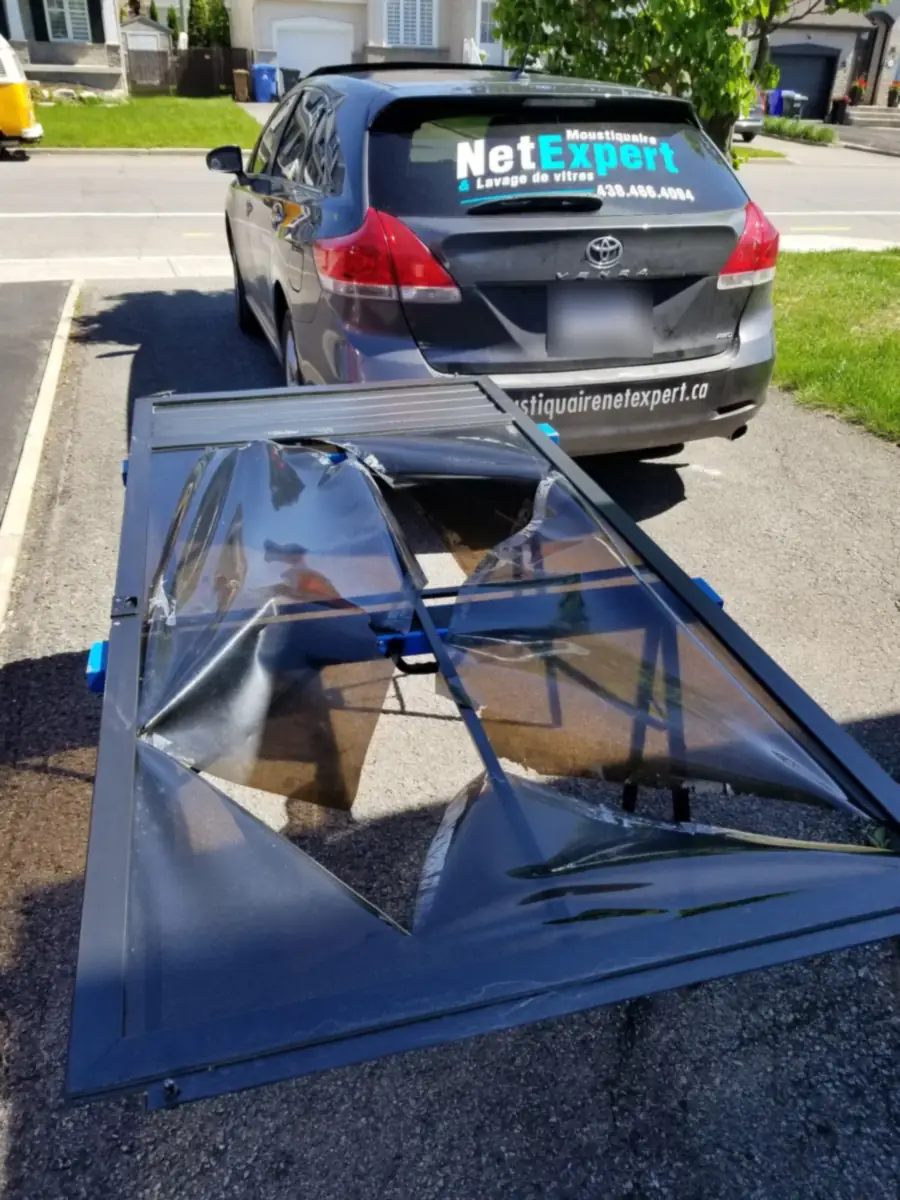
Sun yellows and clouds the vinyl. Film that crackles to the touch is at end of life.
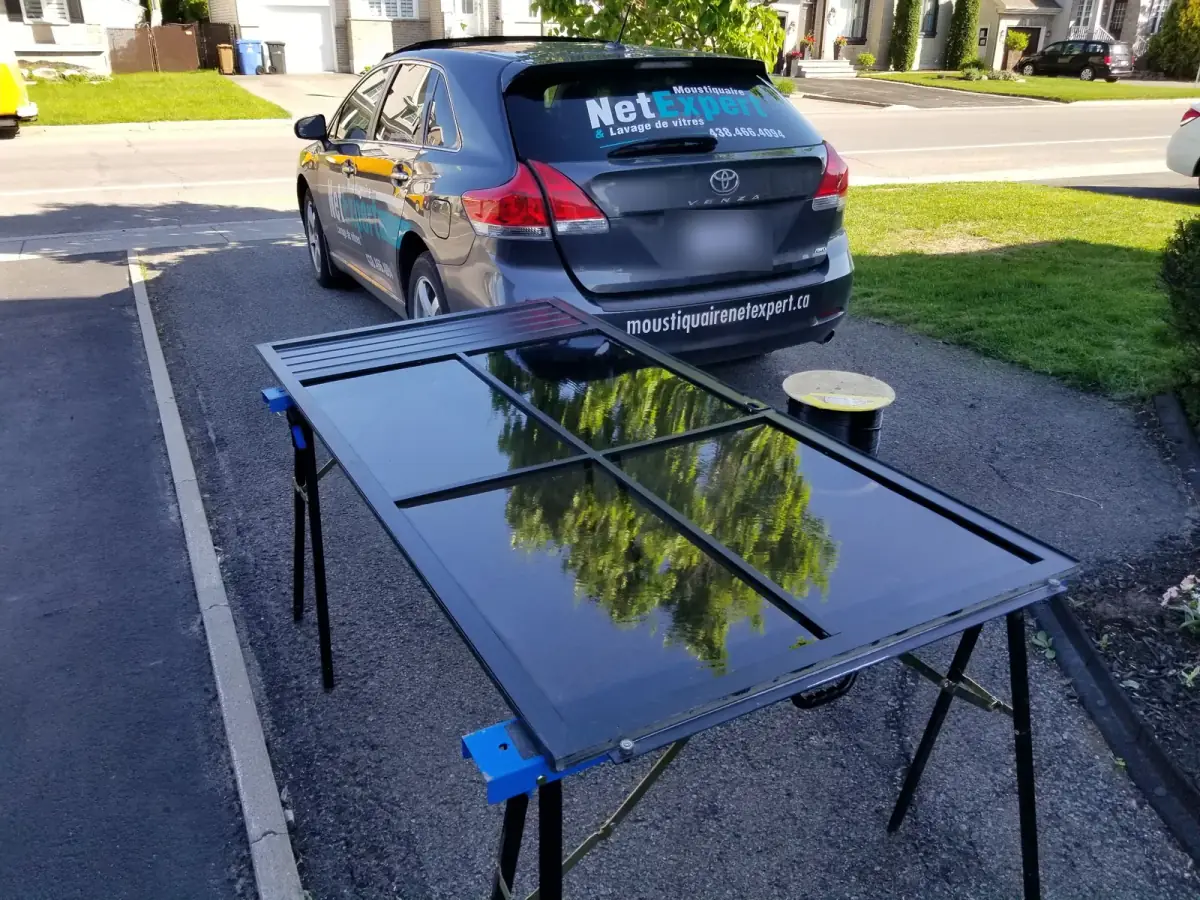
Gazebo and sun shelter specialty
Clear vinyl yellowed or torn? Replaced at your home in Vaudreuil-sur-le-Lac, in the original frames — gazebos and sun shelters.
Three questions are enough to start. The official measurement is taken on site.
Whatever your retailer calls it — MICA film, clear vinyl, clear plastic, sun-shelter transparent fabric — it is the same material, and we replace it in Vaudreuil-sur-le-Lac in your existing panels.
Sun yellows and clouds the vinyl. Film that crackles to the touch is at end of life.
Below freezing, MICA turns brittle — one handling or one gust splits it outright.
Slack vinyl flaps like a sail and eventually tears at the seams.
Vaudreuil-sur-le-Lac sits in a small wooded pocket that slopes down toward Lac des Deux Montagnes, and here the lot, far more than the house, decides what kind of gazebo you end up with. Many properties are former summer cottages that grew over time: the yard was never laid out in one go, it stretched between mature trees, usually on a gentle grade toward the water. On a wooded lot that falls away toward the water, a gazebo seldom belongs against the house: it works better set lower down, on a platform, where the view opens up. That spot is the finest and the most demanding at once — wide open on the lake side, shaded on the street side, so one structure carries two completely different exposures.
The newer, more substantial homes in the village tell another story. Landscaped grounds, a deck at the back, and most often a retailer gazebo on an aluminum or steel frame, bought assembled, with standard-size panels and its factory clear vinyl (MICA film). Those models age well as long as nothing is asked of them: it is over the seasons that the real trouble appears, once the vinyl has stiffened and the screening has gone slack. Alongside them, on the most wooded lots, there are also permanent wood structures built to measure as the house itself was extended. Two families, two ways of working, and the same rule: the structure is never touched, the panels are rebuilt.
On a gazebo it is almost always the clear vinyl (MICA film) that goes first, and here it fights two things at once. Unshaded sun coming off the water yellows the film and stiffens it; winter sets it hard, and one good gust late in the season is then enough to split it lengthwise, usually from a corner that was already tired. It is replaced pane by pane, to dimensions taken on site, in its own frame — a single pane if only one gave way, a whole face if the vinyl has ambered throughout, because a new panel beside three yellowed ones shows from across the yard. The screen panels fail differently: they tear at a corner, or the spline works out of its channel. Those get rescreened in their own frames at the mobile workshop.
The structure sets the method. On a retailer gazebo the panels unclip or unscrew without special tools and travel to the truck together. On a wood structure built to measure, every opening is its own: it gets measured one at a time, diagonals included, because the wood has moved over the winters and nothing repeats from one face to the next. Access weighs on the day too — a gazebo set at the bottom of a wooded lot, at the end of a path or a garden stairway, means every panel makes the trip by hand, both ways. That gets planned, not improvised.
Wind off the lake is the first factor here. On the open face, film that goes on with any slack flaps all day and wears at its fastenings before it ever splits, so it is fitted taut. For the screen panels on that side, aluminum mesh is the right call: gazebo panes are wide and have no mid-rail, and a softer mesh ends up rippling across them. Under the trees, the factory mesh on a retailer gazebo still lets the smallest insects through: that is the main argument for rescreening its panels in a tight weave rather than matching the original. On the lower panes, at animal height, pet-resistant mesh is a choice to make at rescreening rather than afterwards.
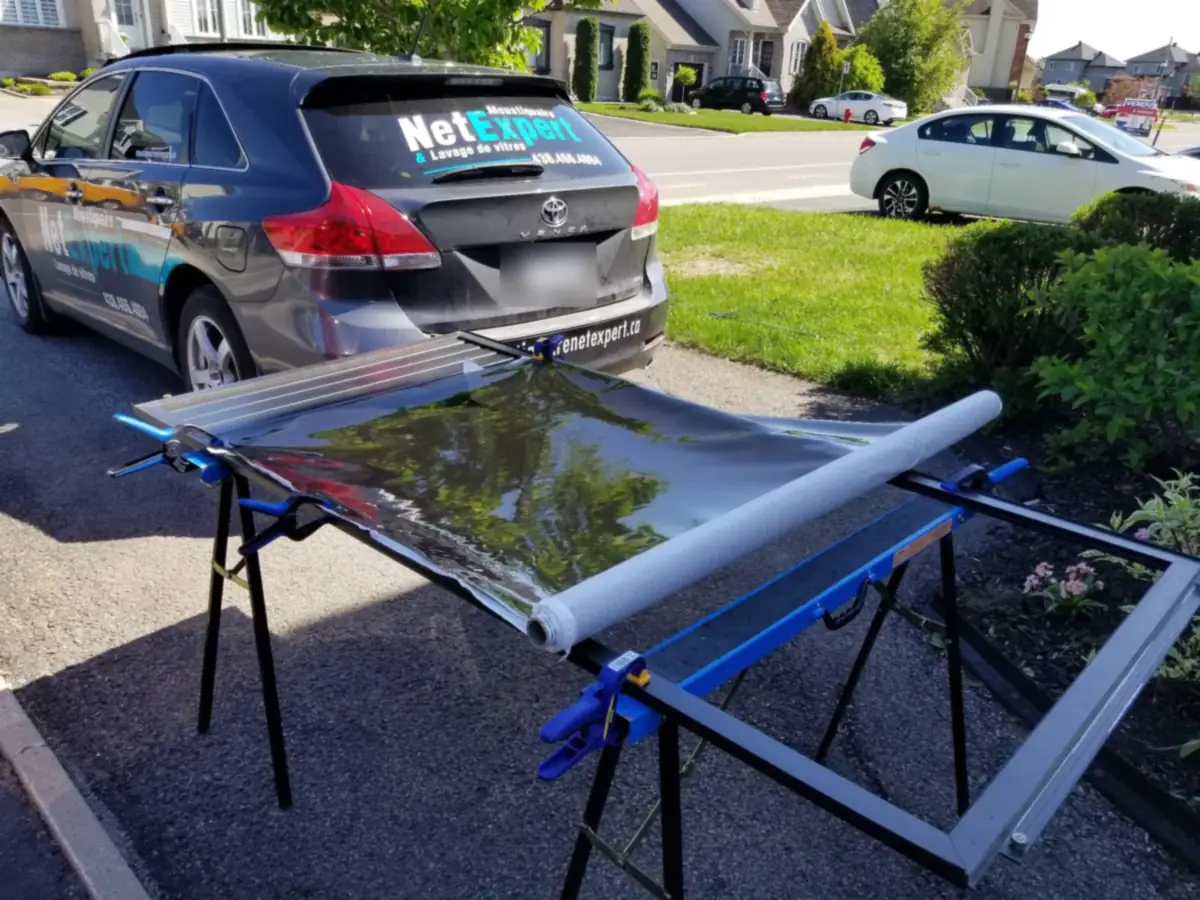
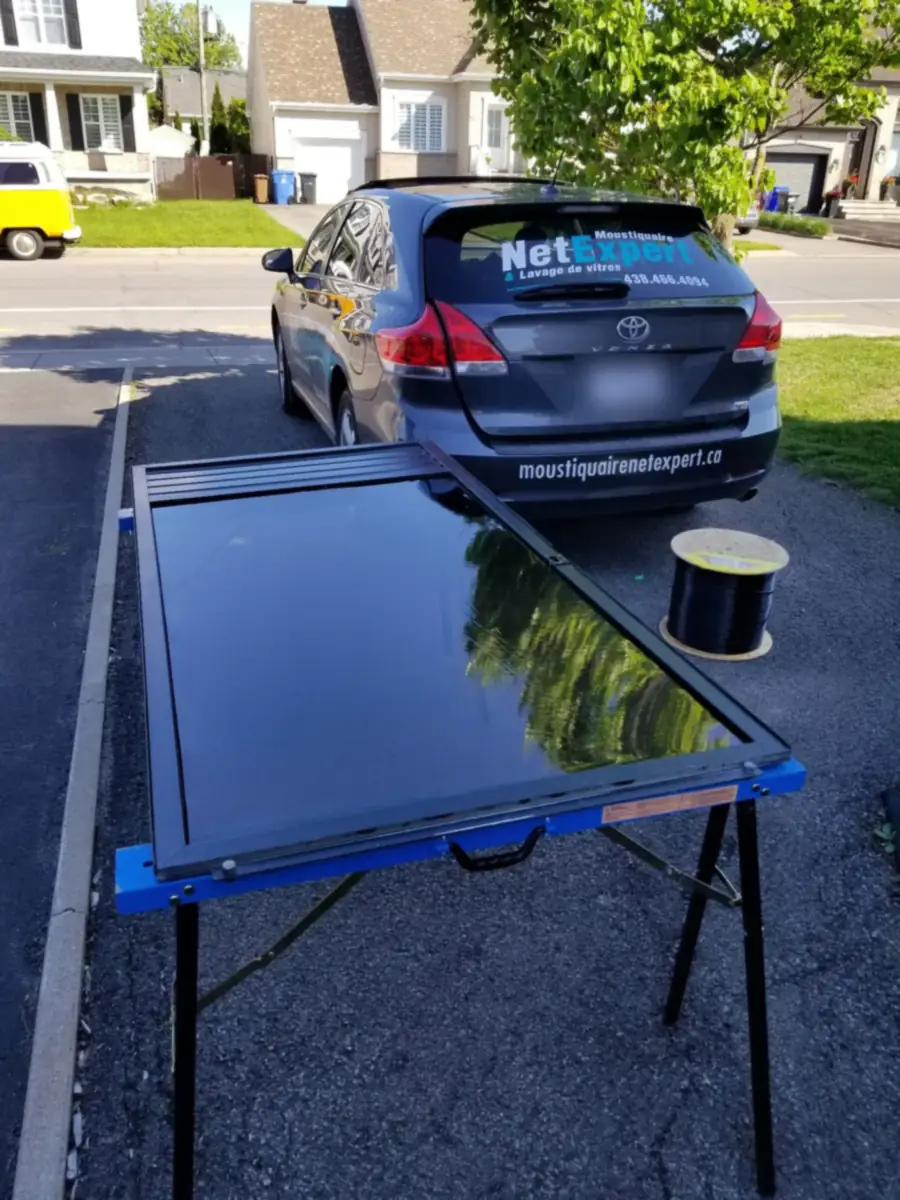
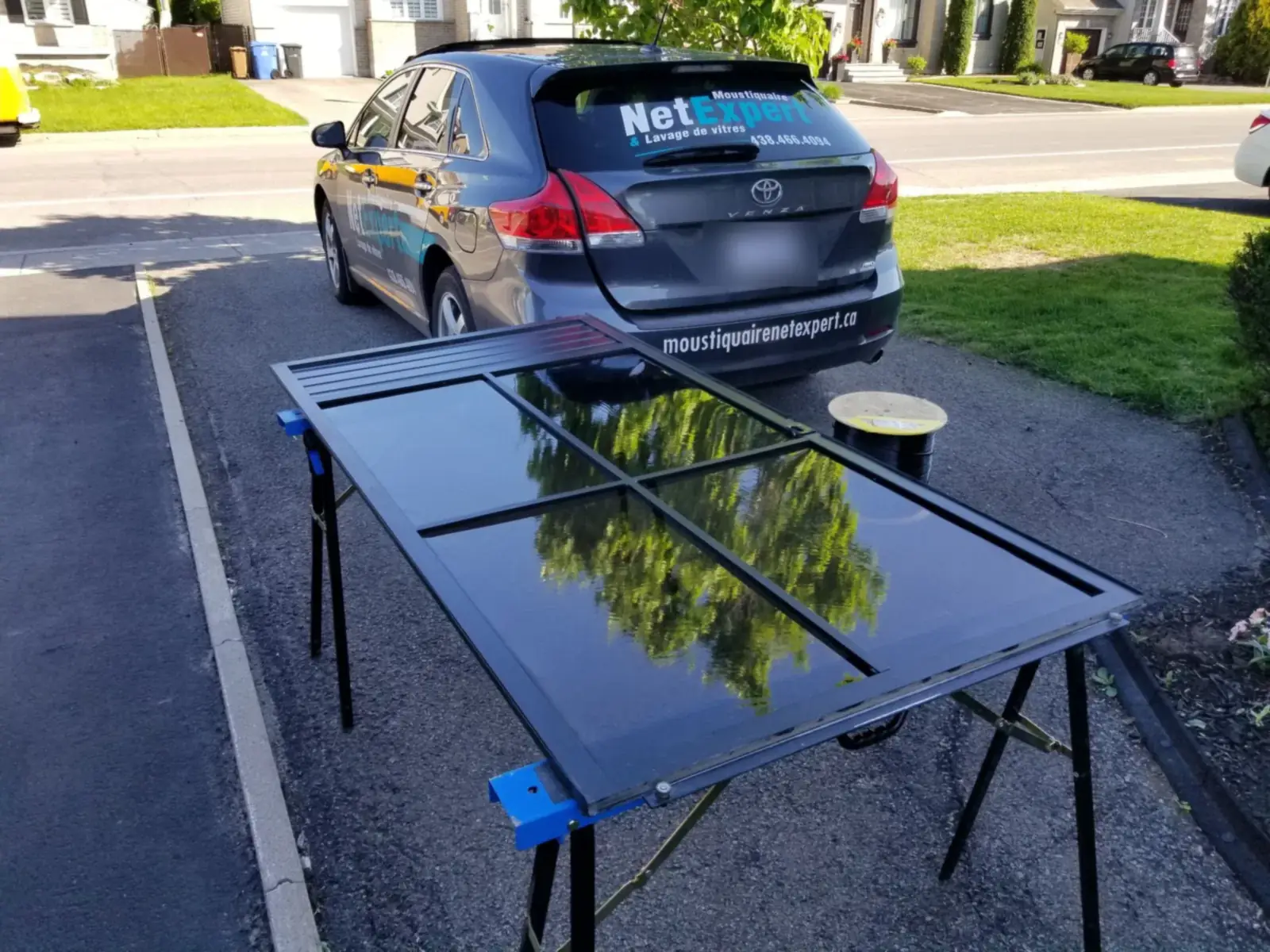
This job was not in Vaudreuil-sur-le-Lac — it shows our method, the same everywhere: panels down, new vinyl pane by pane, panels back up.
« Excellent service. Clear explanations of the work to be done. I really appreciated his dedication: despite the rain he insisted on finishing the job, soaked through and still smiling. The work was very well done. »
« Great service! He was at my neighbour’s and agreed to fix my back screen even though we had no appointment. Very successful repair, and inexpensive! »
« Ludovic replaced my screen in record time. Professional, and with a great sense of humour. I recommend his services — don’t hesitate to contact him, he’ll come to your home and do beautiful work. »
Straight answers
No — it is the vinyl that has reached the end of its life, not the frame. We pull the worn film, take the exact dimensions of the pane and fit a new one in the same frame. A gazebo frame, aluminum or wood, outlasts by far the film it carries: replacing it would mean paying for the part that is still perfectly good.
Yes, and that is the most common case of all. We are not hunting for the manufacturer's part: we work with the frame you already have, rebuilding the mesh or the film to its actual dimensions. A discontinued model changes nothing about the work, as long as the structure is straight and the panel frames still hold.
No. The panels come off on site and are rebuilt at the mobile workshop; when the mesh or film you need is on the truck they go back up before we leave, otherwise they are taken away and brought back. What matters is knowing in advance how many panels there are and what route they take — a wooded path or a garden stairway changes how long the visit runs, never whether it can be done.
Yes, at your home. We travel to Vaudreuil-sur-le-Lac, remove the panels, replace the MICA vinyl in the original frames and put everything back — the gazebo structure is never touched. It is one of our specialties.
Yes. Depending on the retailer it is called MICA film, clear vinyl, clear plastic or transparent fabric — the same flexible material that cuts wind and holds warmth. We replace it on gazebos and sun shelters alike.
Yes. The vinyl is replaced pane by pane, in the existing frame — no need to redo the whole panel for one tear. If several panes have yellowed, doing them together gives a uniform result.
On assessment: the price depends on the number of panels and their dimensions. The quote is free, and a photo is often enough to price without a visit. Fabrication and installation guaranteed one year.
Do you manage a building or a business in Vaudreuil-sur-le-Lac?